

Introduction
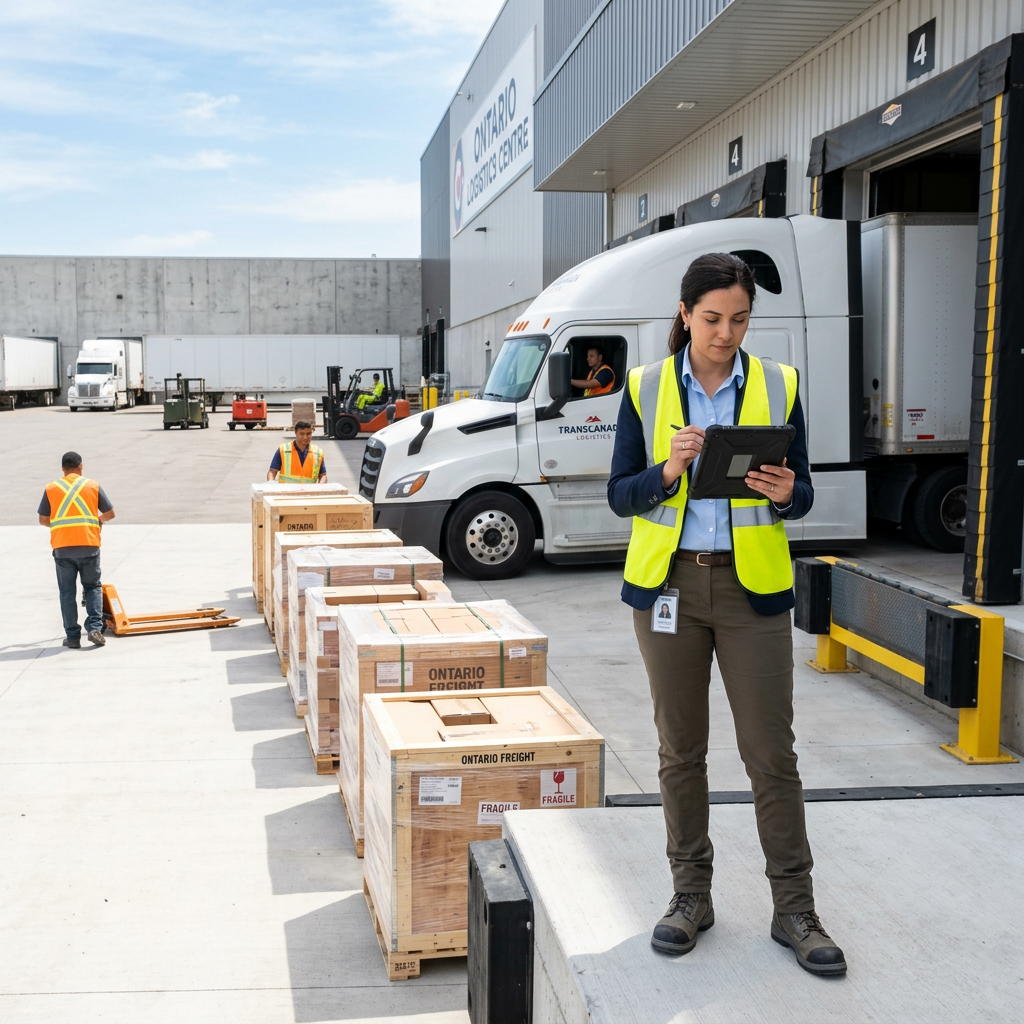
Most supply chain failures do not start in a boardroom strategy session or a software misconfiguration. They start at the dock. For Canadian small and medium-sized businesses, particularly those operating in Ontario and Quebec, the breakdown between a well-designed supply chain plan and what actually gets delivered is almost always traced back to the shipping execution layer. Freight booking errors, carrier miscommunications, and untracked shipments quietly erode supply chain efficiency long before a business owner realizes the damage. The operational gap between supply chain strategy and shipping reality is not a minor inconvenience; it is the difference between retaining customers and losing them.
Where Supply Chain Management Actually Breaks Down
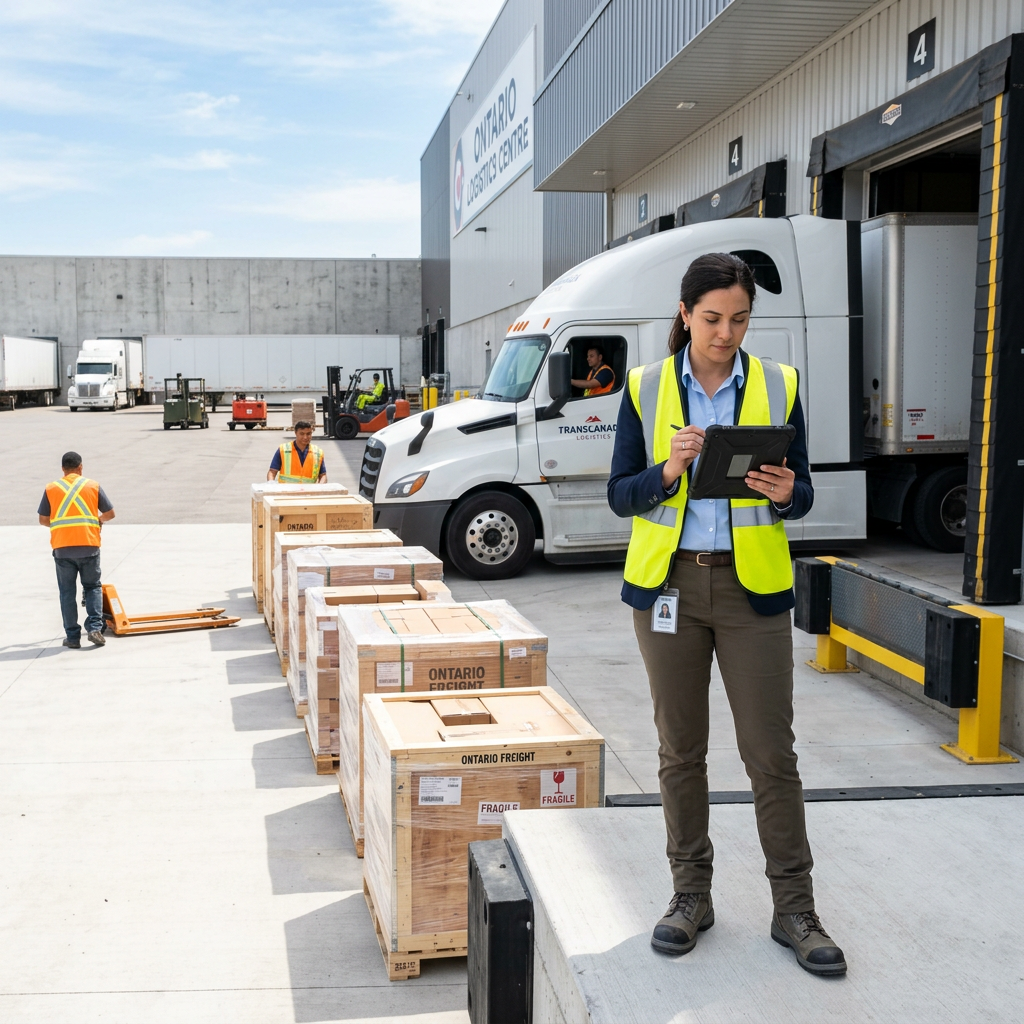
Supply chain management is often measured at the macro level: inventory turnover, lead times, and demand forecasting. But the most disruptive failures tend to be granular, occurring precisely at the moment a shipment is booked, handed off to a carrier, or tracked through transit. For businesses shipping LTL freight in Canada, these micro-failures compound quickly.
The Execution Layer Is Where Strategy Meets Reality
A solid supply chain strategy accounts for supplier reliability, inventory buffers, and customer expectations. What it often fails to account for is how fragile the freight booking process actually is. When a shipper relies on phone calls and email threads to confirm carrier availability, they are operating on information that can be hours out of date by the time a truck is dispatched. According to the Ontario Chamber of Commerce, supply chain disruptions and delays are among the top operational challenges cited by Ontario businesses, with freight coordination identified as a recurring friction point. The root cause is almost always the same: manual, opaque processes that leave too much room for error and too little room for correction.
- Carrier communication gaps: Shippers often have no direct line to carrier dispatch, creating delays when pickup windows shift or exceptions arise.
- Inaccurate freight quoting: Rates pulled from brokers or phone negotiations frequently exclude accessorial charges, leading to invoice surprises.
- No real-time tracking: Without real-time freight tracking, shippers cannot identify a delay until it has already affected their customer.
- Manual booking errors: Incorrect commodity codes, weight discrepancies, and missing delivery instructions cause carrier rejections and redelivery fees.
- Single-carrier dependency: Businesses locked into one carrier have no fallback when that carrier has capacity constraints or service failures.
How LTL Shipping Problems Create Downstream Chaos
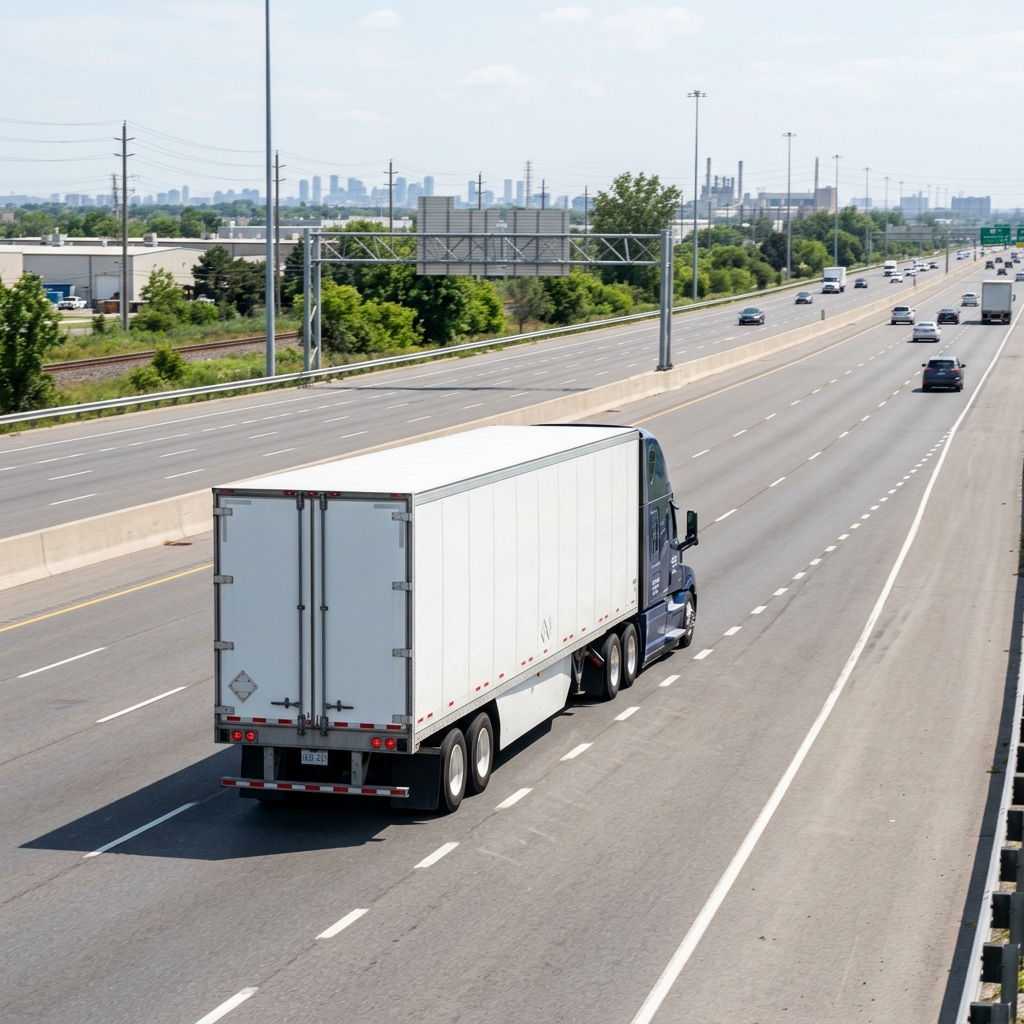
LTL shipping in Canada carries specific vulnerabilities that full truckload freight does not. Because LTL shipments share trailer space with multiple other consignments, a delay in one leg of the route can cascade through an entire delivery schedule. A pallet leaving Montreal bound for Toronto may transfer at a terminal in Kingston, and if that transfer is missed, the business waiting on that inventory has no visibility into when to expect it. Freight transit times in Canada for LTL shipments can vary significantly depending on carrier network density, and without advance knowledge of which carriers perform reliably on specific lanes, shippers are essentially guessing. These are not rare edge cases; they are predictable failure patterns that occur when freight routing strategies are not built into the booking process from the start.
The Systemic Causes Most Businesses Overlook
Shipping failures are rarely caused by a single bad decision. They are the output of systems and habits that were never designed to handle freight complexity at scale. Understanding the systemic roots of these failures is the first step toward fixing them.
Visibility Deficits Drive Most Freight Delays
Supply chain visibility is not just a technology feature; it is an operational necessity. When a shipment leaves the dock and effectively disappears into a carrier's internal tracking system, the shipper loses the ability to manage exceptions in real time. End-to-end freight visibility allows shippers to catch a missed pickup, reroute a delayed shipment, or proactively communicate with a customer before a missed deadline becomes a complaint. Without it, businesses are always reacting rather than managing. Research from the Chartered Institute of Procurement and Supply confirms that limited visibility across the supply chain is consistently linked to higher freight costs, more frequent delivery exceptions, and lower customer satisfaction scores. For small businesses shipping LTL freight across Ontario and Quebec, those consequences are not abstract; they show up directly on the bottom line.
Traditional Freight Brokers Add Friction, Not Value
The traditional freight broker model was built for a pre-digital supply chain. A business calls a broker, the broker calls their network, rates come back hours later, and the shipper picks from whatever options remain available. By the time a booking is confirmed, carrier capacity may have shifted, rates may have increased, and the shipper has no documented basis for holding the broker accountable for service failures. The comparison between a digital freight platform and a traditional broker reveals a consistent pattern: brokers add a markup layer while removing the shipper's direct access to carrier performance data, communication channels, and rate transparency. For a business trying to build a reliable supply chain management system, that opacity is a structural liability. A digital LTL freight marketplace, by contrast, puts carrier ratings, transit speeds, and real-time rate comparisons directly in the shipper's hands, removing the intermediary and the uncertainty that comes with it. Platforms like Truxweb are built specifically to close this gap, giving businesses in Canada instant access to competitive carrier quotes without the broker markup.
Building a More Resilient Shipping Layer
Fixing the shipping layer does not require rebuilding an entire supply chain. It requires closing specific operational gaps that are well-understood and solvable with the right tools and processes.
Automate Freight Booking Before It Becomes a Bottleneck
Manual freight booking is not just slow; it is error-prone in ways that compound over time. Businesses that automate core booking steps, including quote requests, carrier selection, and booking confirmation, remove a significant source of human error from their supply chain logistics. Freight booking automation also creates a documented record of every transaction, which matters when disputing an invoice or identifying a pattern of carrier underperformance. The shift from email-based coordination to a centralized digital workflow is one of the highest-leverage changes a small or mid-sized business can make to improve shipping cost optimization and reduce avoidable delays. Aligning freight strategy with business goals around cost, speed, and reliability becomes much easier when booking data is centralized and comparable over time.
Use Carrier Performance Data to Make Smarter Routing Decisions
Not all carriers perform equally on all lanes. A carrier that consistently delivers on time between Toronto and Ottawa may have a weaker network for freight shipping in Quebec. Businesses that rely on carrier reputation alone, without lane-specific performance data, are making routing decisions based on incomplete information. Small businesses in Ontario and Quebec that have access to carrier ratings and lane-level performance metrics can systematically select carriers that match their specific delivery requirements, reducing re-delivery costs, customer complaints, and the administrative burden of exception management. According to Statistics Canada, freight disruptions continue to disproportionately affect smaller businesses without dedicated logistics teams, precisely because those businesses lack access to the performance data that larger shippers use to make informed carrier decisions. Truxweb addresses this directly by requiring all carriers on the platform to maintain a minimum 95% satisfaction rating, with daily compliance monitoring ensuring that only vetted carriers handle shipments. Freight standardization across booking, documentation, and carrier communication further reduces the variability that drives most shipping-level failures.
Conclusion
Supply chain efficiency is ultimately determined by what happens at the ground level, not by the sophistication of the strategy that precedes it. For Canadian businesses shipping LTL freight, the most actionable improvements are not in procurement or demand planning; they are in how freight is booked, tracked, and managed from pickup to delivery. Businesses that close the visibility gap, move away from manual broker-dependent workflows, and use carrier performance data to make smarter routing decisions will see measurable improvements in on-time delivery, freight costs, and customer retention. The tools to do this exist, and they are accessible to businesses of every size. Choosing the right freight platform is not a technology decision; it is a supply chain optimization decision that pays dividends on every single shipment.
Ready to close the gap between your supply chain strategy and your shipping reality? Explore Truxweb's LTL freight marketplace and get competitive carrier quotes in minutes.
Frequently Asked Questions (FAQs)
Why does supply chain management fail at the shipping level?
Most supply chain failures at the shipping level stem from manual booking processes, limited carrier visibility, and no real-time tracking, all of which create conditions where errors and delays are inevitable rather than exceptional.
How does poor freight management affect supply chain efficiency?
Poor freight management causes missed delivery windows, unexpected accessorial charges, and reactive customer service, all of which increase costs and erode the reliability that supply chain efficiency depends on.
What are the most common supply chain breakdowns in Canada?
For Canadian businesses, the most common breakdowns include LTL transit delays caused by terminal transfers, inaccurate freight quoting from brokers, and a lack of lane-specific carrier performance data to guide routing decisions.
Is a digital freight platform better than a traditional broker for supply chain management?
A digital freight platform gives shippers direct access to carrier rates, real-time tracking, and performance data without broker markups, making it a more transparent and cost-effective option for businesses managing consistent freight volume.
What is supply chain visibility, and why does it matter?
Supply chain visibility refers to the ability to monitor a shipment's status, location, and exceptions in real time across every stage of transit, and without it, businesses cannot respond to delays before they affect customers or bottom-line costs.