


Introduction
Every dollar wasted on an inefficient shipping route is a dollar that could have gone back into your business. For small and medium-sized businesses shipping freight across Canada, particularly in Ontario and Quebec, freight route optimization is not a luxury reserved for enterprise logistics teams. It is a practical discipline that any business owner or operations manager can apply to reduce costs, speed up delivery times, and build a more reliable supply chain. Road freight plays a dominant role in Canada’s logistics network, with the majority of shipments moving by truck across the country.
This guide walks through the core principles of shipping route planning, the factors that drive routing decisions, the role of technology in automating those decisions, and the concrete strategies you can put to work immediately. Whether you are managing a handful of LTL shipments per week or scaling your freight operations, understanding how routing works gives you a measurable edge.
What Freight Routing Actually Means
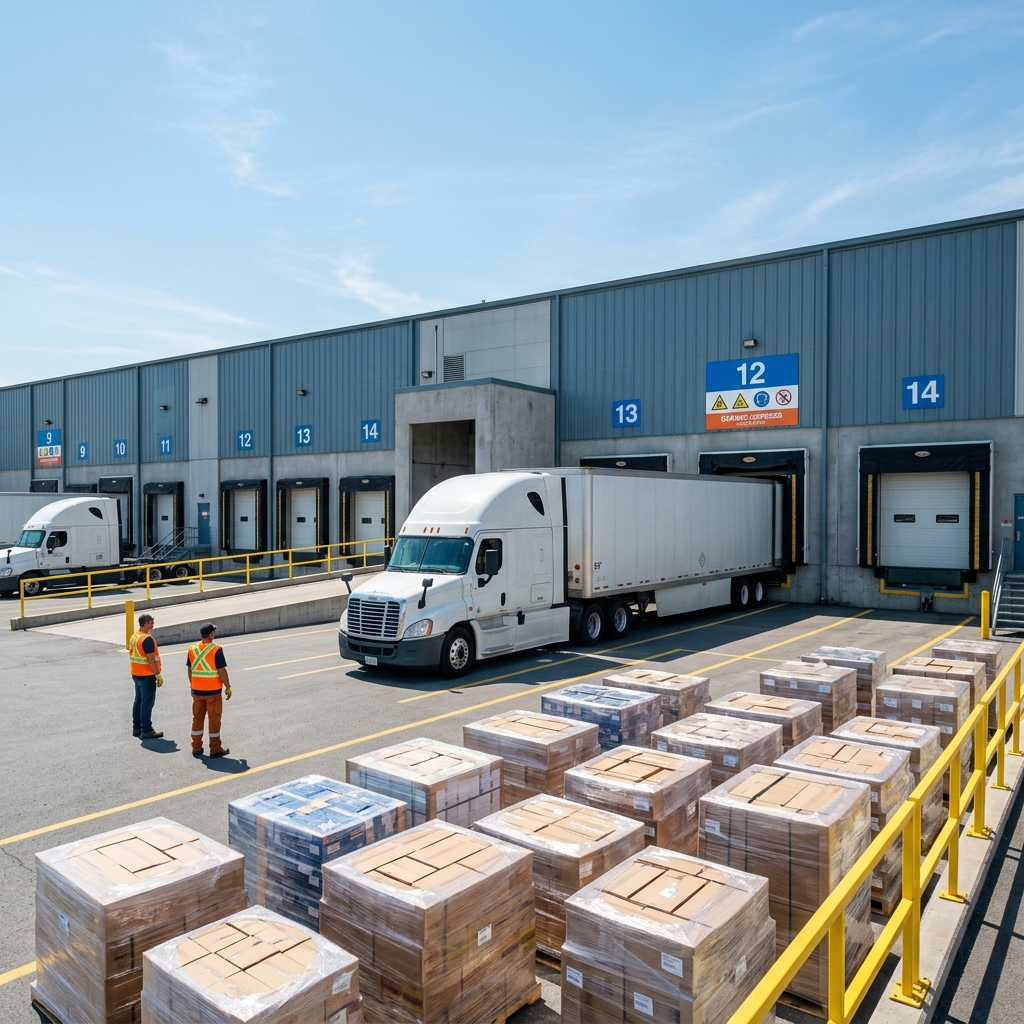
Freight routing is the process of determining the most effective path a shipment will take from its origin to its destination. It sounds straightforward, but in practice it involves balancing a complex set of variables: carrier availability, transit times, fuel surcharges, lane pricing, terminal locations, and service guarantees. Transportation costs in Canada are influenced by multiple dynamic factors, including pricing shifts tracked through national freight indices. Getting this balance right consistently is what separates businesses that control their freight spend from those that simply react to invoices.
Understanding this process is the foundation for every strategy covered in this guide. Before you can optimize anything, you need to know what you are actually optimizing for.
The Core Components of a Freight Route
A freight route is made up of several interconnected elements, each of which influences cost and delivery performance. Missing or underestimating any one of them can throw off an otherwise solid shipping plan.
Key Elements That Shape Freight Routing Decisions
1. Carrier Network Strength: Not all carriers operate with the same coverage or frequency across regions. Strong routing decisions prioritize carriers with established lanes and consistent service between origin and destination points.
2. Transit Time vs Cost Trade-Off: Faster routes often come at a premium, while lower-cost options may involve additional stops or transfers. The key is balancing urgency with budget to meet business needs without overspending.
3. Terminal and Transfer Points: Shipments that move through multiple terminals are more exposed to delays and handling risks. Direct or fewer-transfer routes typically improve reliability and reduce transit variability.
4. Lane Density and Volume: High-volume lanes generally offer better pricing and more frequent service due to increased carrier competition. Lower-density routes may require more strategic planning to avoid inflated costs.
5. Service Requirements: Special requirements such as liftgate service, appointment deliveries, or fragile freight handling can influence route selection and carrier availability.
Why Manual Routing Fails at Scale
When shipment volumes are low and routes are predictable, manual routing through phone calls and email can feel manageable. The problem is that it does not scale. As shipment frequency increases, so does the complexity of tracking carrier capacity, comparing rates across lanes, and ensuring consistent service quality. Manual processes are also slow. Waiting hours or even days for quote responses means decisions are made on incomplete information, which usually leads to defaulting to familiar carriers rather than genuinely optimal ones.
The businesses that struggle most with freight routing cost savings are typically those that have never audited their routing process. They book the same carriers on the same lanes out of habit, not analysis. Inefficiency compounds quietly until the freight budget becomes a serious operational concern.
Freight Routing vs. Traditional Manual Booking
Traditional freight booking prioritizes familiarity and speed of arrangement over data-driven decision-making. A shipper calls a carrier or broker, gets a rate, and books the shipment. There is no side-by-side comparison, no visibility into whether a different carrier on that lane would deliver faster or cheaper, and no systematic tracking of routing performance over time.
Optimized freight routing flips this dynamic. It starts with the destination outcome, be it the lowest cost, the fastest transit time, or the best service rating, and works backward to find the carrier and route configuration that achieves it. This shift from reactive to strategic is the single biggest change a shipping operation can make.
Key Factors That Influence Freight Routing Efficiency
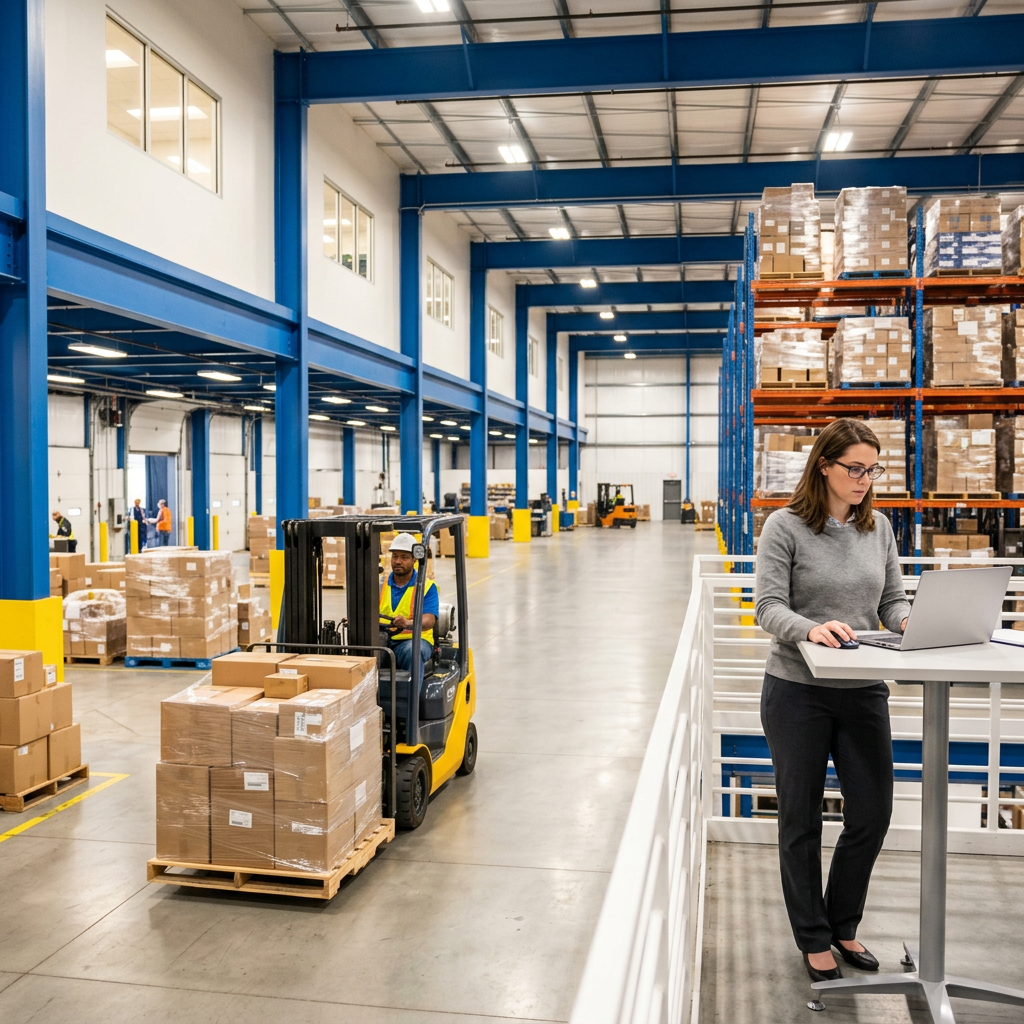
No two freight lanes are identical, and the factors that drive routing efficiency can shift depending on geography, season, and cargo type. Understanding which variables matter most in your specific context allows you to prioritize accordingly rather than trying to optimize everything at once.
Lane Density and Carrier Coverage
High-density lanes between major urban centres, such as the Toronto-Montreal corridor, attract more carrier competition, which typically means lower rates and more scheduling flexibility. Thinner lanes into rural or remote areas often carry premium pricing and limited carrier options, which makes routing decisions on those lanes more strategic by necessity.
For businesses doing freight routing in Ontario and Quebec, understanding which lanes are competitive and which are constrained is essential context for setting realistic cost and transit time expectations. A lane that looks expensive is not always overpriced. It may simply reflect limited carrier coverage in that geography.
How Shipment Consolidation Affects Routing
One of the most underused strategies in LTL freight is freight routing and scheduling that takes advantage of consolidation opportunities. Instead of shipping partial loads as they become available, businesses that batch smaller shipments into coordinated dispatch windows can access better per-unit pricing and reduce the number of transit touchpoints their freight encounters.
Consolidation also reduces the risk of damage. Every additional handling event in a relay sequence is a potential point of failure. Fewer stops mean fewer handoffs and, statistically, better freight integrity on arrival.
Seasonal and Capacity Constraints
Carrier capacity fluctuates throughout the year, and freight routing decisions that work well in slower seasons may not hold up during peak periods. Q4 volumes, weather-related disruptions in winter months, and regional agricultural shipping peaks can all compress available capacity and push rates upward on specific lanes.
Businesses that plan ahead for seasonal patterns rather than reacting to them each year are consistently better positioned to secure capacity at acceptable rates. Building historical shipping data into your routing process gives you a baseline for anticipating these shifts before they hit your budget.
How Technology Is Reshaping Freight Route Optimization
The most meaningful shift in freight routing over the past decade has been the move from experience-based decisions to data-driven ones. Technology now enables shippers to compare carrier options, model routing scenarios, and automate booking workflows in minutes rather than days. For businesses that previously managed freight through spreadsheets and phone calls, this change represents a significant operational leap.
What Automated Freight Routing Systems Actually Do
An automated freight routing system does more than generate a quote. It aggregates carrier data across multiple lanes, applies shipper-specific preferences like transit time thresholds or carrier ratings, and surfaces the best available options ranked by the criteria that matter to your operation. The best systems also learn from historical booking data, gradually refining recommendations based on which routing decisions have delivered the best outcomes.
For LTL shippers, automation matters because LTL pricing is inherently variable. Rates depend on freight class, density, lane activity, and carrier-specific tariff structures. Manually modeling all of those variables for every shipment is not realistic. Automation handles the calculation in the background so the person making the booking decision sees only the output: cost, transit time, and carrier rating side by side.
Platforms like Truxweb apply this model specifically for Canadian LTL shippers, allowing businesses to request quotes from multiple carriers simultaneously and receive responses within minutes rather than hours. This compresses what used to be a multi-step process into a single workflow.
Automated vs. Traditional Freight Routing
The comparison between automated vs. traditional freight routing ultimately comes down to speed, accuracy, and scalability. Traditional methods rely on a person having carrier relationships, market knowledge, and time to gather information manually. Automated systems encode that knowledge into a platform that is available on demand, applies it consistently, and scales without adding headcount.
This does not mean carrier relationships become irrelevant. Experienced logistics professionals still add value in interpreting data, managing exceptions, and negotiating terms. But the baseline decision-making process, finding the right carrier for a given lane at the right price, is performed more reliably by a well-built platform than by any individual working from memory and phone calls.
Real-Time Visibility and Its Role in Routing Decisions
Route optimization does not end at booking. Optimize freight shipping routes effectively means staying informed throughout the transit lifecycle. Real-time shipment tracking allows businesses to identify delays early, proactively communicate with consignees, and make adjustments before a small problem becomes a customer service issue.
Visibility also feeds back into future routing decisions. When you can see which carriers are consistently delivering on transit commitments and which are falling short, you have objective data to inform your next booking rather than relying on assumptions.
Practical Strategies to Optimize Your Freight Routing
Principles matter, but implementation is what drives results. The strategies below are drawn from the real-world challenges that Canadian shippers encounter when trying to improve their freight operations without overhauling their entire logistics infrastructure.
Build a Lane-by-Lane Carrier Strategy
Not every carrier performs equally on every lane. Some regional carriers excel on specific corridors because their terminal network is built around those routes. Rather than defaulting to a single preferred carrier for all freight, map your most frequent shipping lanes and identify which carriers consistently deliver the best combination of price, transit time, and service reliability on each one.
This approach, sometimes called a freight routing Canada optimization strategy, requires more upfront analysis but pays dividends in both cost and reliability. It also protects your operation against capacity disruptions. If your primary carrier on a given lane cannot accommodate a shipment, you already know who your backup is and what the rate difference looks like.
Use Quote Comparison to Expose Real Market Rates
One of the most practical ways to improve how to optimize freight routing for your business is simply to stop accepting the first rate you receive. Many businesses overpay on freight not because competitive alternatives do not exist, but because they never see them. Running every shipment through a multi-carrier quote comparison process ensures that your booking decisions are based on the actual market, not a single carrier's pricing.
Businesses using Truxweb to manage their LTL freight, for example, gain direct access to competing carrier rates on their lanes without going through a broker, which eliminates the markup layer that often inflates traditional freight quotes. The savings on individual shipments may seem modest in isolation, but across a year of freight volume they accumulate into a material reduction in logistics spend.
Standardize Freight Data to Improve Routing Accuracy
Routing software and carrier quote engines are only as accurate as the shipment data you feed into them. Inconsistent or incomplete freight descriptions, incorrect dimensions, misclassified freight classes, and missing accessorial requirements can all lead to quotes that do not reflect the actual shipment, resulting in billing adjustments after the fact and eroding the cost savings you thought you had secured.
Review Routing Performance Regularly
Freight routing is not a set-and-forget process. Carrier performance changes, lane pricing shifts, and your own shipping volumes evolve over time. Building a regular review cadence into your operations, whether quarterly or monthly, gives you the opportunity to identify patterns in delays or cost overruns, renegotiate terms with carriers where volume justifies it, and retire routing decisions that made sense at one point but no longer do.
Conclusion
Freight routing is one of the highest-leverage areas in supply chain management for small and medium-sized businesses. By moving from reactive, habitual booking to deliberate, data-driven routing decisions, you can reduce freight costs, improve transit reliability, and build a shipping operation that scales without spiraling in complexity. The strategies covered here, lane-level carrier analysis, multi-carrier quote comparison, standardized shipment data, and consistent performance review, do not require a large logistics team to implement. They require clarity about what you are optimizing for and the right tools to support that process.
Ready to take control of your freight routing? Explore Truxweb's LTL shipping platform and start comparing carrier rates on your lanes in minutes.
Frequently Asked Questions (FAQs)
What is freight routing?
Freight routing is the process of planning the path a shipment takes from its origin to its destination, including the selection of carriers, transit modes, and relay points. It directly influences delivery speed, cost, and service reliability.
How does freight routing work?
Freight routing works by evaluating available carrier options, lane coverage, transit times, and pricing structures to determine the most efficient path for a given shipment. This process can be done manually or through automated platforms that compare multiple carriers simultaneously.
How to optimize freight routing for my business?
Start by auditing your most frequent shipping lanes and identifying which carriers perform best on each. Then use a multi-carrier quote comparison tool to ensure every booking is based on real market rates rather than a single carrier's pricing.
How can freight routing save money?
Optimized routing eliminates unnecessary relay stops, reduces reliance on a single carrier, and exposes competitive rate differences across carriers on the same lane. Consistent application of these practices can produce significant annual savings on freight spend.
What are freight routing best practices?
Best practices include building lane-specific carrier strategies, standardizing shipment data for accurate quoting, using automated routing tools to compare options, consolidating shipments where possible, and reviewing routing performance on a regular schedule.
How to improve freight routing efficiency?
Improving efficiency starts with replacing manual, reactive booking with a structured process backed by real-time data. Using platforms that provide instant multi-carrier quotes and shipment tracking allows you to make faster, better-informed routing decisions.
What is the best freight routing software for Canadian businesses?
The best option depends on your shipment volume, preferred lanes, and operational needs. Look for platforms that offer instant quote comparison across multiple carriers, real-time tracking, and no brokerage markups on the rates you receive.
How does freight route optimization work for Canadian businesses?
For Canadian businesses, freight route optimization typically involves comparing LTL carriers operating on key corridors like Ontario and Quebec, factoring in regional pricing structures, seasonal capacity constraints, and carrier terminal networks to find the most cost-effective path.
Freight routing vs. manual booking: which is better?
Optimized freight routing consistently outperforms manual booking on cost, speed, and reliability because it draws on broader market data rather than individual carrier relationships. Manual booking can work for very low shipment volumes but does not scale effectively.
What factors affect freight routing in Ontario and Quebec?
Key factors include lane density between urban centres, carrier terminal locations, provincial regulatory requirements, seasonal volume fluctuations, and the specific freight characteristics of each shipment such as weight, class, and required accessorials.