


Introduction
For businesses shipping LTL freight across Canada, real-time freight tracking is no longer a premium feature. It is a baseline expectation. Yet a surprising number of small and medium-sized businesses still rely on manual check-ins, carrier phone calls, and disconnected portals to find out where their freight is. That operational gap creates delays, missed deliveries, and frustrated customers. This guide breaks down exactly what a modern shipment visibility platform should deliver, so you can evaluate whether your current setup is keeping pace.
The Case for Real-Time Visibility in LTL Freight
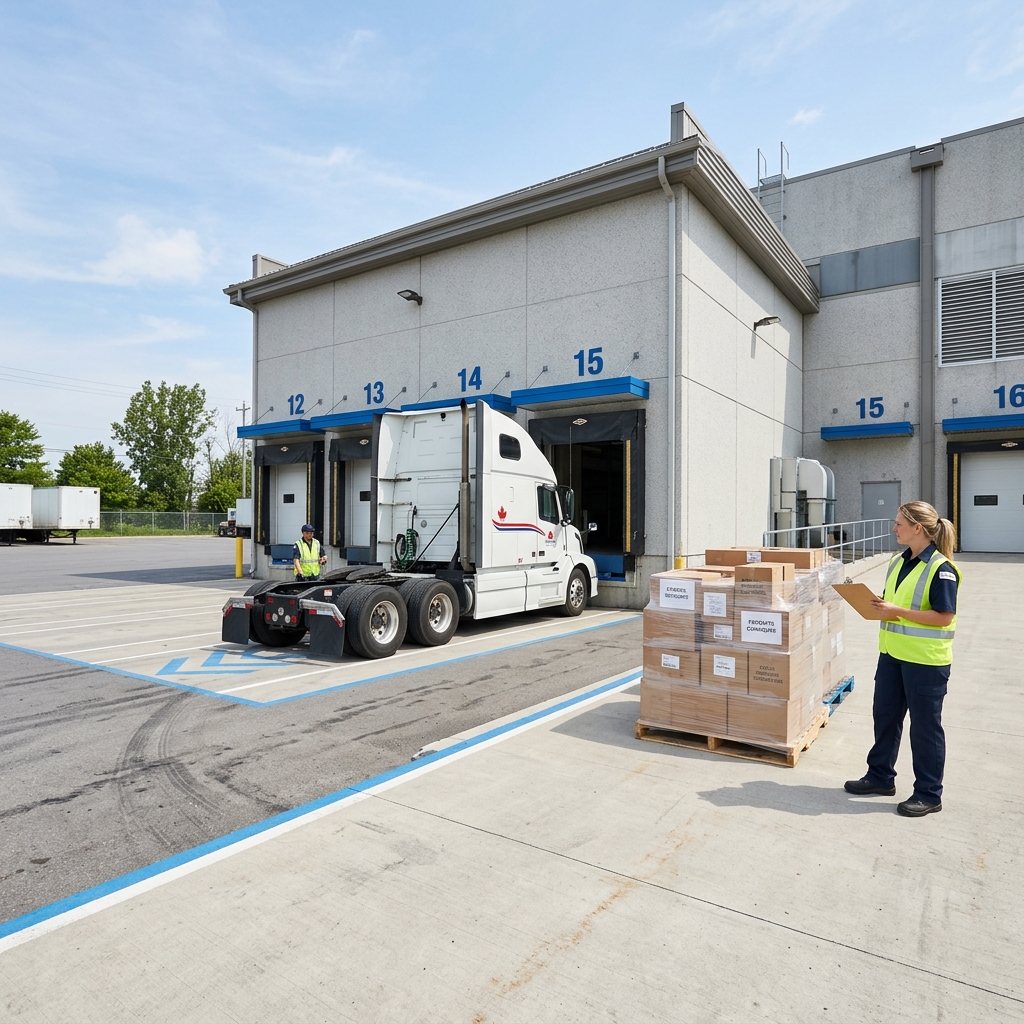
LTL freight moves through multiple touchpoints: pickup, dock consolidation, line-haul, and final delivery. Each handoff is an opportunity for something to go wrong, and without live data, you are left guessing. The shift toward real-time shipment tracking reflects a broader demand for supply chain transparency that modern operations simply cannot afford to ignore.
Why Manual Tracking Methods Fall Short
Calling a carrier for a status update takes time you do not have. Logging into separate carrier portals for each shipment fragments your visibility and creates room for updates to slip through the cracks. Businesses shipping regularly between Ontario and Quebec often deal with multiple carriers simultaneously, making a unified view not just convenient but essential.
- Delayed information: Manual updates lag behind actual shipment events, leaving shippers reactive instead of proactive.
- Fragmented portals: Each carrier has its own system, forcing shippers to juggle logins and interfaces.
- No alerts: Without automated notifications, exceptions go unnoticed until a customer complains.
- High operational overhead: Staff time spent chasing updates is time not spent on higher-value work.
What the Data Says About Visibility Gaps
According to supply chain visibility research, businesses that lack real-time freight data are significantly more likely to experience service failures that damage customer relationships. The cost is not just operational. It erodes trust over time, particularly for SMBs where every shipment counts.
What a Modern Freight Tracking Dashboard Should Include
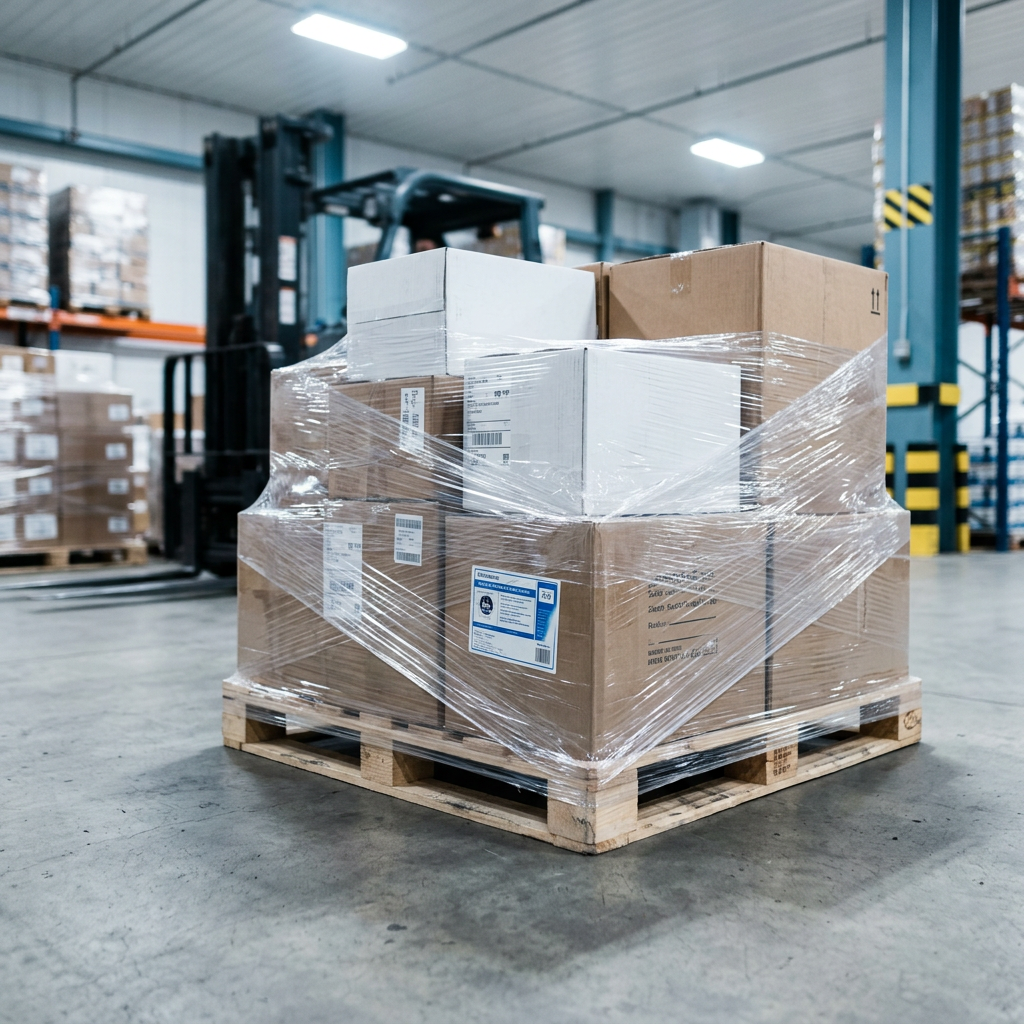
A strong freight tracking dashboard is the command center for your shipping operation. It should consolidate all active shipments into a single interface, updated in real time, with enough detail to take action without leaving the platform.
360-Degree Shipment Visibility
The standard for modern platforms is what is commonly called 360-degree shipping dashboard functionality: a complete, live view of every shipment across all carriers from a single screen. This means current status, location milestones, estimated delivery windows, and any flagged exceptions should be visible at a glance. Platforms like Truxweb have built this kind of visibility directly into their core interface, giving shippers in Canada a consolidated view across all active bookings without needing to toggle between systems.
Freight Tracking Number Integration
Every shipment should be assigned a freight tracking number that connects seamlessly to the platform's live status feed. This sounds basic, but many older systems issue a tracking reference that only works in a carrier's own portal, offering no integration with the platform where you booked. A modern tool should surface all status events tied to that number directly in your dashboard, updated automatically as milestones are reached.
Automated Alerts and Proactive Notifications
Visibility is only valuable if it surfaces the right information at the right time. That is where automated freight tracking alerts make the difference between reacting to problems and getting ahead of them.
What Good Alert Systems Look Like
A well-designed alert system sends notifications at each major shipment event: dispatch confirmation, pickup, in-transit updates, delivery confirmation, and any exception flags like delays or address issues. These alerts should arrive by email automatically, without you needing to log in and check. Freight shipping platforms that offer this level of automation remove the need for manual follow-up and keep your team informed without adding workload.
Exceptions and Delay Notifications
Proactive exception handling is where modern platforms separate themselves from legacy tools. When a shipment is delayed or an issue arises at a carrier dock, the platform should notify you immediately rather than waiting for you to discover the problem. Freight execution specialists note that shifting from reactive visibility to proactive foresight is now the defining standard for high-performing logistics operations. That means your platform should not just show you what happened. It should alert you the moment something needs your attention.
Multi-Shipment Management and Carrier Communication
Businesses shipping regularly across Canada are rarely managing just one shipment at a time. A platform built for real operational use needs to handle multi-carrier shipment tracking across concurrent bookings without degrading usability or accuracy.
Managing Multiple Active Shipments
LTL shipping visibility tools designed for SMBs need to scale with the volume of shipments on screen. Whether you have two pallets in transit or twenty, the dashboard should remain clear, filterable, and easy to navigate. Look for platforms that let you sort by carrier, status, region, or delivery date so you can prioritize action where it is needed most. For businesses doing freight tracking in Ontario and freight tracking in Quebec simultaneously, this kind of multi-lane visibility is non-negotiable.
Direct Carrier Communication Without the Phone Tag
One of the most underrated features of a modern LTL freight tracking Canada platform is the ability to communicate directly with carrier dispatch teams without leaving the system. In-platform messaging keeps a documented record of every conversation tied to a specific shipment. Truxweb includes an in-platform chat function that connects shippers directly with carrier dispatch, eliminating the need for phone calls or emails that break the audit trail. This matters most when something goes wrong and you need a clear record of what was communicated and when.
What to Look for in a Freight Tracking Platform Comparison
When evaluating your options, a freight tracking platform comparison should go beyond price. Consider whether the platform offers digital freight matching capabilities, how quickly carriers respond with updates, and whether the interface is designed for shippers managing multiple lanes. A platform built specifically for freight tracking for small business use cases will have different defaults and design priorities than an enterprise tool stretched to fit an SMB workflow. According to PwC Canada's logistics research, digital transformation in freight is accelerating fastest among mid-market shippers who have the most to gain from replacing manual processes with integrated platforms.
Conclusion
Modern LTL shipping visibility tools are not about adding complexity. They are about removing it. A strong freight tracking platform gives you a live dashboard, automated alerts, multi-shipment management, and direct carrier communication in one place, so your team spends less time chasing updates and more time running the business. If your current setup requires manual check-ins or carrier portal-hopping to get a simple status update, that is a signal worth acting on. The standard has shifted, and the best platforms available today make visibility the default, not an upgrade.
Ready to see what modern freight tracking looks like in practice? Explore Truxweb's platform and experience full shipment visibility from booking to delivery.
Frequently Asked Questions (FAQs)
How can I track my LTL shipment in real time?
You can track your LTL shipment in real time by using a freight platform that integrates carrier status updates directly into a live dashboard, automatically refreshing milestones from dispatch through delivery without requiring manual check-ins.
What is a shipment tracking dashboard?
A shipment tracking dashboard is a centralized interface within a freight platform that displays the live status, location milestones, and delivery estimates for all your active shipments across one or more carriers in a single view.
What is 360-degree shipment visibility?
360-degree shipment visibility refers to a complete, real-time view of every shipment event from booking confirmation through final delivery, including exception alerts and carrier communication, accessible from a single platform interface.
How can I get automated freight tracking alerts?
You can receive automated freight tracking alerts by using a shipping platform that sends triggered email notifications at key shipment events, including dispatch, pickup, in-transit updates, and delivery confirmation, without requiring you to log in and manually check status.
Can I track multiple freight shipments at once?
Yes, a modern freight tracking platform designed for SMBs allows you to monitor multiple active shipments simultaneously in a single filterable dashboard, sortable by carrier, status, region, or expected delivery date.