


Introduction
Freight expenses can quietly erode profit margins for small and medium-sized businesses, especially when shipping 1 to 8 pallets at a time.
For companies in Ontario and Quebec, reducing LTL shipping costs while maintaining reliable service is a constant challenge. Traditional freight booking often involves unclear pricing, long email chains with multiple carriers, and limited visibility into the best option.
Many business owners simply do not have the time to negotiate rates, compare transit speeds, or verify carrier reliability for every shipment. The Canadian trucking industry plays a critical role in the economy, moving billions of dollars worth of goods each year and supporting supply chains across provinces.
This guide provides actionable strategies that help small businesses in these two provinces immediately lower their freight spend without sacrificing delivery quality.
Government-backed data sources like freight trucking statistics in Canada provide valuable insights into shipment volumes, pricing trends, and overall logistics performance.
From choosing the right carriers to leveraging digital marketplaces, the tactics below are designed to give logistics coordinators and business owners the tools they need to make smarter shipping decisions and reclaim control over their freight budgets.
Understanding LTL Shipping and Why It Matters for Small Businesses
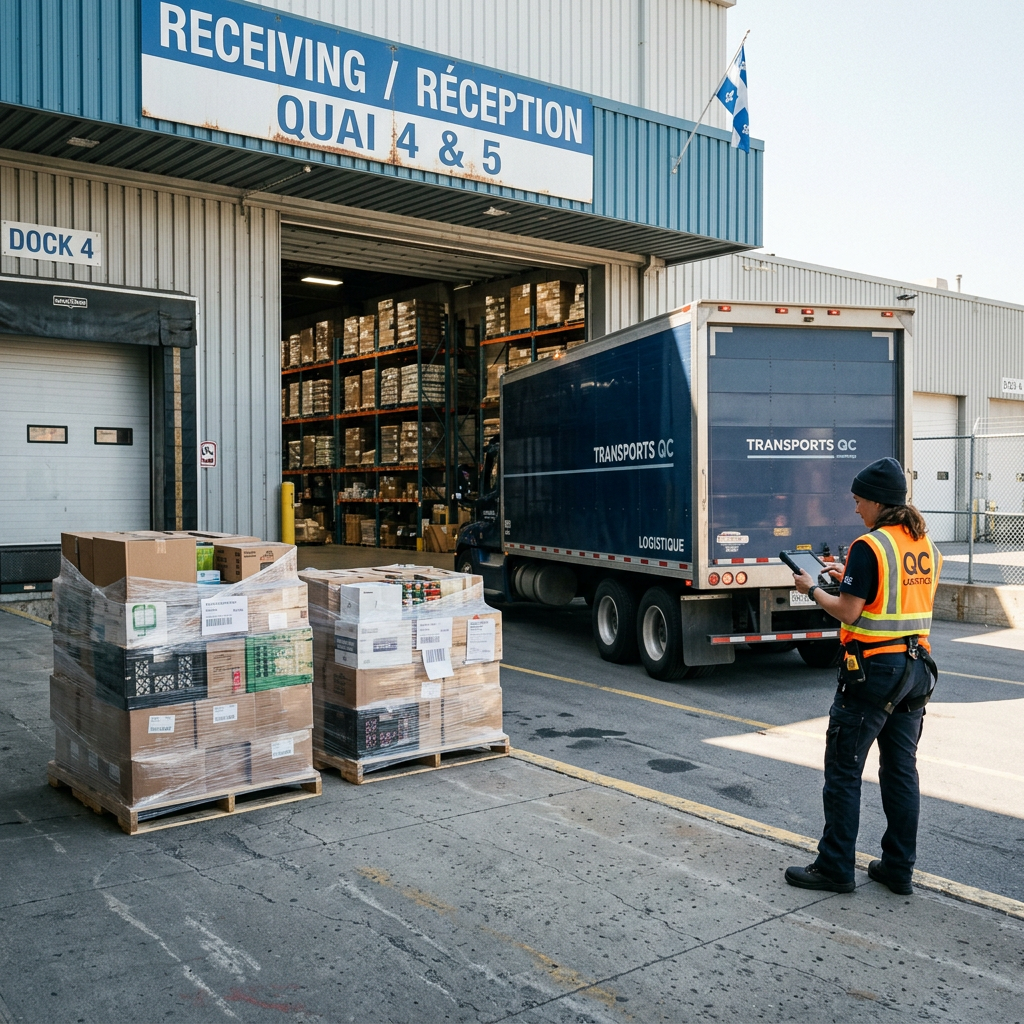
Less-Than-Truckload freight is a shipping method that consolidates cargo from multiple shippers into a single truck, allowing businesses to pay only for the space their freight occupies rather than renting an entire vehicle. For small businesses that ship partial loads, this method offers a practical middle ground between expensive full truckload services and unreliable parcel couriers.
Why Small Businesses Choose LTL Over FTL
Many SMBs operate with inconsistent shipping volumes that do not justify the cost of a full truckload. Choosing LTL vs FTL shipping often comes down to simple economics. If your shipment occupies less than half a trailer, paying for unused space makes little financial sense. LTL carriers optimize routes by combining shipments headed in the same direction, which reduces costs for everyone involved. For businesses in Ontario to Quebec LTL shipping lanes, this method also provides access to frequent departures and competitive pricing due to the high volume of freight moving between these two provinces.
Why Ontario and Quebec Are Prime LTL Markets
Ontario and Quebec account for the majority of Canada's manufacturing and distribution activity, which creates highly competitive freight lanes between major hubs like Toronto, Montreal, Ottawa, and Quebec City. High shipment volumes between these regions drive frequent service, better carrier availability, and more negotiable rates. Businesses shipping within or between these provinces benefit from shorter transit times, lower fuel surcharges, and access to a wider pool of best affordable LTL carriers that specialize in regional routes.

Practical Strategies to Reduce LTL Freight Costs
Cutting freight expenses does not require complex supply chain overhauls or enterprise-level logistics software. Small businesses can implement straightforward tactics that deliver immediate savings and improve operational efficiency. The key is to focus on transparency, comparison, and carrier selection rather than accepting the first quote that arrives.
Compare Rates from Multiple Carriers Before Every Shipment
One of the most effective ways to reduce freight costs is to stop relying on a single carrier. Pricing fluctuates based on lane demand, seasonal capacity, and carrier-specific promotions. What was the cheapest option last month may not be the most competitive today. Businesses that take the time to compare LTL shipping rates across multiple carriers on each shipment often uncover savings of 15% to 40% without changing anything about their freight profile.
Traditional rate comparison often involves emailing multiple carriers and waiting hours or even days for responses. This process is time-consuming and often leads to incomplete information. Digital freight marketplaces streamline this step by allowing shippers to request quotes from multiple carriers simultaneously and receive replies within minutes. Side-by-side comparisons of price, transit time, and carrier ratings make it easier to choose the best option for each shipment.
Leverage Regional Carriers for Shorter Routes
National carriers dominate brand recognition, but regional LTL carriers in Ontario and LTL carriers in Quebec often provide superior value for shipments within or between these provinces. Regional operators focus on specific corridors, which allows them to optimize routes, reduce empty miles, and offer more competitive pricing. They also tend to provide better customer service because their networks are smaller and more manageable.
Businesses shipping within the Greater Toronto Area, from Toronto to Montreal, or between other major cities in these provinces should actively seek out regional carriers. These operators understand local delivery challenges, maintain strong relationships with receiving facilities, and often respond faster to last-minute booking requests. A regional carrier specializing in LTL shipping Toronto routes may deliver the same service quality as a national brand at a fraction of the cost.
Optimize Packaging to Lower Freight Class
Freight class is calculated based on density, which is determined by dividing the weight of the shipment by its cubic volume. Freight class is determined using standardized criteria such as density, handling, stowability, and liability, which directly impact how carriers price each shipment. Denser freight results in a lower class and lower shipping costs. Small businesses can reduce their freight class by minimizing wasted space in packaging and consolidating shipments onto fewer pallets when possible.
For example, a shipment weighing 500 pounds spread across two pallets with excessive void fill will occupy more cubic feet than necessary, resulting in a higher freight class. By using tighter packaging and consolidating onto a single pallet, the same 500 pounds occupies less space, increases density, and qualifies for a lower class. This single adjustment can save hundreds of dollars per shipment on high-volume lanes.
Avoid Unnecessary Accessorial Fees
Accessorial charges are service fees that carriers add to the base rate for special handling or delivery requirements. Many businesses unknowingly incur these fees because they fail to specify delivery details upfront or because their receiving location has specific access restrictions. Common accessorials include liftgate service, inside delivery, residential delivery, limited access, and appointment scheduling.
To avoid these fees, businesses should confirm whether their receiving location has a loading dock, whether a forklift is available, and whether the address qualifies as commercial or residential. Communicating these details clearly when requesting a quote ensures that the final price includes all necessary charges rather than surprising the shipper with additional costs after pickup. For shipments to locations without dock access, scheduling a liftgate service upfront is almost always cheaper than paying the fee retroactively.
Use Digital Freight Platforms to Eliminate Broker Markups
Traditional freight brokers often add margins of 20% to 40% on top of the carrier's base rate. While brokers provide value by managing carrier relationships and handling administrative tasks, many small businesses pay more than necessary because they lack direct access to carriers. Digital freight marketplaces eliminate this markup by connecting shippers directly with carriers, allowing them to book at the same rates that brokers receive.
Platforms like Truxweb allow businesses to send quote requests to multiple carriers at once, compare rates in real time, and confirm bookings without paying brokering fees. This model provides the same convenience as working with a broker but at a significantly lower cost. For businesses that ship regularly, the savings add up quickly and can be redirected into other areas of the operation.
Consolidate Shipments to Reduce Frequency
Shipping smaller quantities more frequently often costs more per pound than consolidating orders into fewer, larger shipments. Businesses that ship 1 to 2 pallets multiple times per week may benefit from batching orders and shipping 4 to 6 pallets once or twice weekly instead. This approach reduces the number of pickups, lowers per-pallet costs, and simplifies logistics tracking.
Of course, consolidation must be balanced against customer expectations and inventory turnover. For businesses with flexible delivery windows or customers willing to accept slightly longer lead times, this strategy delivers meaningful savings without negatively impacting service quality.
Choosing the Right LTL Carrier for Your Business
Not all carriers operate with the same level of reliability, speed, or customer service. Choosing the wrong carrier can result in late deliveries, damaged freight, and costly disruptions to your supply chain. The lowest price does not always represent the best value, especially if it comes with a higher risk of service failure.
Evaluate Carrier Performance Beyond Price
When comparing LTL shipping reviews, business owners should prioritize carriers with strong track records for on-time delivery, responsive communication, and low damage rates. A carrier that consistently delivers shipments intact and on schedule reduces the need for costly reshipments, customer service interventions, and inventory shortages. Reading reviews from other businesses in similar industries or shipping similar freight types provides valuable insight into which carriers perform well under real-world conditions.
Many digital freight platforms display carrier ratings and performance metrics directly on the quote comparison page, making it easier to weigh cost against reliability. A carrier with a 98% on-time delivery rate and a 4.8-star review average may justify a slightly higher rate compared to a cheaper option with inconsistent service.
Prioritize Carriers with Strong Regional Networks
Carriers that specialize in LTL freight Montreal routes or LTL shipping Toronto corridors often outperform national carriers that treat these lanes as secondary priorities. Regional specialists maintain better relationships with local terminals, hire drivers familiar with the area, and can respond more quickly to delivery issues. For businesses shipping between Ontario and Quebec, working with carriers that run these routes daily ensures faster transit times and fewer delays.
How to Choose an LTL Carrier That Fits Your Needs
Selecting a carrier requires understanding your shipping priorities. If speed is critical, prioritize carriers with expedited options and guaranteed delivery windows. If cost is the primary concern, focus on regional carriers with competitive pricing and solid service records. If freight requires special handling, such as climate-controlled transport or fragile goods protocols, verify that the carrier has the necessary equipment and experience before booking.
Businesses that ship regularly should also consider building relationships with two or three reliable LTL freight service providers rather than relying on a single carrier. This approach creates backup options during peak seasons, reduces dependency on one provider, and allows shippers to leverage competitive pricing by rotating between carriers based on current rates.
How Digital Freight Marketplaces Simplify LTL Shipping
The traditional process of booking LTL freight involves phone calls, email exchanges, manual rate comparisons, and waiting for carrier confirmations. This workflow consumes time, introduces errors, and often results in missed opportunities to secure better rates. Digital freight marketplaces eliminate these inefficiencies by automating quote requests, centralizing carrier communication, and providing real-time visibility into shipment status.
What Is an LTL Freight Marketplace and How Does It Work
An LTL freight marketplace connects shippers with a network of pre-vetted carriers through a single platform. Instead of contacting carriers individually, businesses submit shipment details once and receive quotes from multiple providers within minutes. The platform displays side-by-side comparisons of pricing, transit times, and carrier ratings, allowing shippers to select the best option and confirm the booking instantly.
This model benefits both shippers and carriers by improving efficiency and reducing costs. Shippers gain access to competitive rates without the administrative burden of managing multiple carrier relationships. Carriers gain access to consistent freight volume without relying solely on brokers or sales teams. The result is a more efficient, transparent, and cost-effective shipping process for everyone involved.
Key Features That Save Time and Money
Modern freight platforms offer tools that go beyond basic quote comparison. Features like real-time tracking, automated shipment alerts, and centralized billing simplify the entire logistics workflow. Businesses no longer need to check carrier websites individually or chase down delivery confirmations. All shipment information appears in a single dashboard, and updates arrive automatically via email or SMS.
Payment consolidation is another significant advantage. Instead of managing invoices from multiple carriers, shippers receive a single statement through the platform. This streamlines accounting, reduces administrative overhead, and provides clear visibility into total freight spend. Some platforms also offer credit terms, allowing businesses to manage cash flow more effectively.
Why Truxweb Stands Out for Small Businesses
For businesses shipping in Ontario and Quebec, Truxweb offers a freight marketplace specifically designed for the needs of SMBs. The platform connects shippers with top-rated carriers, provides instant quote comparisons, and ensures that 92% of carriers respond within 30 minutes during operating hours. Businesses can compare rates, confirm bookings, and track shipments without ever leaving the platform.
Truxweb enforces strict quality standards by requiring all carriers to maintain a minimum 95% customer satisfaction rating and monitors compliance daily through SaferWatch. A dedicated concierge team is available around the clock to resolve issues and keep deliveries on track. With over 12,000 booking requests processed and a 97.7% satisfaction rate, the platform has proven itself as a reliable alternative to traditional freight brokers and manual carrier sourcing.
Conclusion
Small businesses in Ontario and Quebec face persistent pressure to reduce freight costs while maintaining reliable service. By comparing rates from multiple carriers, leveraging regional specialists, optimizing packaging, and using digital freight marketplaces, businesses can immediately lower their LTL shipping for small business expenses without sacrificing delivery quality. The strategies outlined in this guide provide practical, actionable steps that require no specialized logistics expertise and can be implemented starting with the next shipment.
Stop overpaying for freight. Compare instant quotes from top-rated LTL carriers in Ontario and Quebec and start saving up to 40% on every shipment. Visit Truxweb.
Frequently Asked Questions (FAQs)
How to choose an LTL carrier?
Prioritize carriers with strong on-time delivery records, positive reviews, and competitive pricing for your specific shipping lanes.
How much does LTL shipping cost?
Costs depend on weight, distance, freight class, and extra services. Comparing carriers can reduce costs by 15% to 40%.
Is LTL shipping cheaper than FTL?
Yes, if you ship partial loads, LTL is almost always more cost-effective than paying for an entire truck you do not fully utilize.
How to find reliable LTL carriers in Canada?
Use digital freight marketplaces that vet carriers based on customer ratings, safety compliance, and consistent service performance.
What is the best LTL shipping platform?
Platforms with instant quotes, tracking, and direct carrier access offer the best value for small businesses.
Can I ship pallets with LTL?
Yes, LTL is specifically designed for pallet shipments ranging from 1 to 8 pallets per load.
How does LTL shipping Toronto to Montreal work?
Carriers consolidate shipments heading to Montreal, allowing businesses in Toronto to pay only for the space their freight occupies on a shared truck.
What is LTL freight Montreal pricing based on?
Pricing depends on weight, dimensions, freight class, distance, and any additional services like liftgate or inside delivery.
Is Truxweb better than traditional freight brokers?
Truxweb connects shippers directly with carriers, eliminating broker markups and providing transparent pricing with no hidden fees.
Which are the best LTL carriers in Canada?
The best carriers depend on your specific routes, but regional specialists in Ontario and Quebec often outperform national carriers for cost and service quality.