


Introduction
Understanding freight transit time is essential for any Canadian business that relies on timely deliveries to maintain inventory levels, meet customer expectations, and keep operations running smoothly. Whether you're shipping between Ontario and Quebec or coordinating cross-country LTL shipping Canada routes, knowing how long your freight will take to arrive allows you to plan proactively and avoid costly delays. Transit times are influenced by numerous factors including carrier routing, distance, weather, and regulatory requirements, making it critical to work with reliable carriers and use tools that provide real-time visibility.
This guide breaks down the key factors that affect freight transit in Canada, explains how to estimate delivery windows accurately, and provides actionable strategies to reduce delays and improve shipment reliability. By the end, you'll understand how to select faster carriers, plan smarter shipping schedules, and leverage digital platforms to gain the transparency and control your business needs.
What is Freight Transit Time and Why Does It Matter?
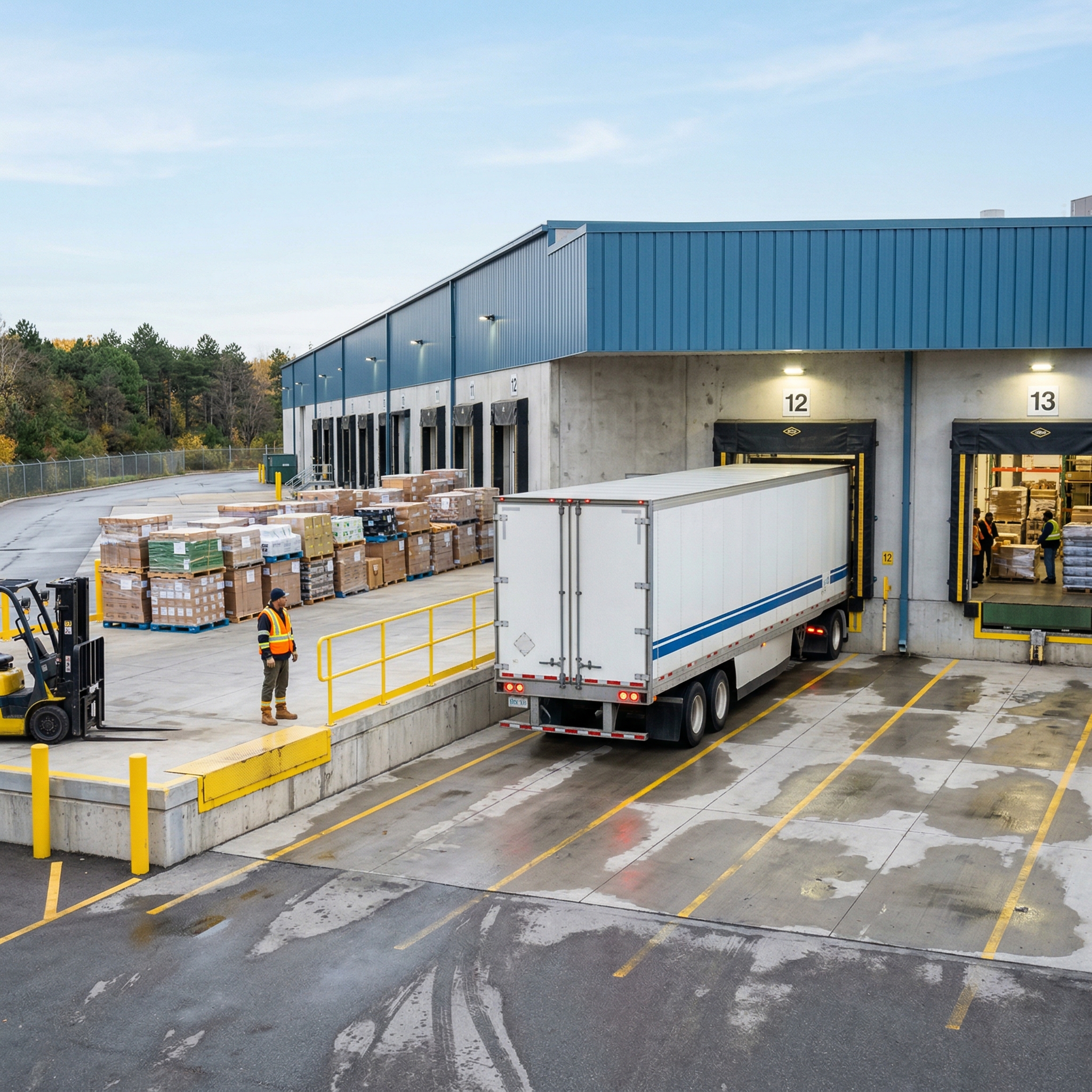
Freight transit time refers to the total duration between when a carrier picks up your shipment and when it arrives at the final destination. This metric is one of the most important factors in evaluating freight transportation services, as it directly impacts your ability to fulfill orders on time, manage inventory turnover, and maintain customer satisfaction. Unlike parcel shipping, which often follows standardized overnight or two-day timelines, LTL freight transit times vary significantly based on origin, destination, carrier route structure, and shipment characteristics.
How Transit Time Affects Your Business Operations
Delays in freight delivery can cascade through your entire supply chain, causing stockouts, production slowdowns, and missed sales opportunities. When you compare freight shipping rates, it's not enough to focus solely on cost. A slower, cheaper carrier may result in higher overall costs if late deliveries lead to expedited reorders, upset customers, or idle production lines. Accurate transit time planning allows you to schedule shipments with the right lead time, set realistic customer expectations, and avoid emergency shipping fees.
The Difference Between Estimated and Actual Transit Times
Carriers typically provide estimated transit times based on historical performance and standard routing schedules. However, actual transit times can differ due to unexpected delays such as weather events, equipment breakdowns, border hold-ups, or congestion at distribution terminals. The gap between estimated and actual delivery times is where operational risk lives. Choosing carriers with strong on-time performance records and using platforms that offer real-time freight tracking helps close this gap and gives you the visibility needed to respond quickly when delays occur.

Key Factors That Influence Freight Transit Times in Canada
Multiple variables affect how quickly your freight moves from origin to destination. Understanding these factors allows you to make smarter decisions when booking shipments and selecting carriers.
Distance and Geographic Coverage
The most obvious factor is the physical distance your freight must travel. Ontario to Quebec freight transit routes, for example, typically take one to two business days for direct shipments between major hubs like Toronto and Montreal. Cross-country shipments from Ontario to British Columbia can take five to seven business days or longer depending on routing and whether the carrier operates direct lanes or relies on multiple transfers through intermediate terminals. Longer distances increase the likelihood of delays, especially when shipments pass through multiple handling points.
Carrier Routing and Network Structure
Not all carriers operate the same routes or maintain the same level of direct service between cities. Some carriers have established daily or multiple weekly runs on high-volume lanes, while others may consolidate shipments and only service certain routes once or twice per week. When evaluating best freight shipping services Canada, ask whether the carrier operates direct service on your lane or if your freight will be transferred between terminals. Direct routes almost always result in faster, more predictable transit times.
Shipment Characteristics and Handling Requirements
The nature of your freight also plays a role. Shipments requiring special handling, such as liftgate service, inside delivery, or temperature-controlled transport, may take longer to process and deliver. Oversized or overweight pallets may need to be routed through specific terminals equipped to handle them. Hazardous materials require additional documentation and compliance checks, which can add time to both pickup and delivery. When planning Canada freight shipping, factor in any special requirements that could extend standard transit times.
Seasonal Demand and Capacity Constraints
Freight networks experience periods of high demand during peak shipping seasons, such as the months leading up to the holidays or during post-pandemic supply chain surges. During these periods, carriers may prioritize certain customers, routes, or freight types, which can push your shipment further down the queue. Capacity constraints can also result in longer wait times for pickup or delivery appointments. Planning shipments outside peak periods or booking with carriers that maintain strong capacity year-round can help you avoid these delays.
Weather and Road Conditions
Canada's climate introduces significant variability into freight transit times, particularly during winter months. Snowstorms, ice storms, and freezing temperatures can close highways, slow travel speeds, and delay border crossings. Carriers operating in provinces like Quebec, Ontario, Manitoba, and Alberta must account for seasonal weather when estimating delivery windows. Shippers should build buffer time into their schedules during winter months and work with carriers that have contingency plans and weather monitoring systems in place.
Cross-Provincial Regulations and Border Crossings
Interprovincial freight in Canada must comply with varying provincial regulations related to weight limits, vehicle dimensions, and hours-of-service rules for drivers. Shipments crossing into Quebec from Ontario, for example, may encounter different enforcement standards or documentation requirements. If your shipment crosses the Canada-U.S. border, expect additional time for customs inspections and paperwork processing. Carriers experienced in interprovincial LTL shipping Canada understand these regulatory nuances and can help you avoid unnecessary delays.
How to Estimate Freight Transit Times Accurately
Accurate transit time estimation begins with understanding the typical performance of carriers on your specific shipping lanes. Rather than relying on generic estimates, use historical data, carrier performance metrics, and digital tools to build realistic delivery expectations.
Use Carrier-Specific Transit Maps and Tools
Most established LTL carriers publish transit maps or digital tools that show estimated delivery times between major city pairs. These tools account for the carrier's specific route structure, terminal locations, and service frequency. When comparing carriers, check whether they offer online transit estimators and verify that the estimates align with your required delivery schedule. Keep in mind that these are baseline estimates and may not account for external factors like weather or capacity issues.
What Is the Average LTL Transit Time in Ontario?
For shipments moving within Ontario, freight services carriers typically deliver within one to three business days depending on the distance between origin and destination. Shipments between Toronto and Ottawa, for example, generally take one to two days, while Toronto to Thunder Bay may take three to four days due to the longer distance and fewer available service options. Intra-provincial shipments benefit from shorter distances and more frequent carrier service, making them some of the most predictable transit lanes in Canada.
Compare Transit Speeds Across Multiple Carriers
Not all carriers perform equally on the same lane. One carrier may operate daily direct service between Toronto and Montreal, while another may only consolidate shipments twice per week, adding an extra day or two to your transit time. Using a freight cost comparison tool that displays both rates and transit speeds side by side allows you to make informed decisions that balance cost and delivery urgency. Platforms that aggregate multiple carrier options in a single interface save time and eliminate the need to contact each carrier individually for quotes and transit estimates.
Strategies to Reduce Transit Delays and Improve Reliability
Even with careful planning, delays can occur. The key is to implement strategies that minimize the likelihood of disruptions and give you the tools to respond quickly when they happen.
Choose Carriers with Strong On-Time Performance Records
Carrier reliability is one of the most important predictors of transit success. Before booking, review the carrier's on-time delivery rate, customer satisfaction scores, and safety record. Carriers with a proven track record of meeting delivery commitments are far more likely to deliver your freight on schedule. Avoid choosing carriers based solely on the lowest rate if their performance metrics suggest inconsistent service. A slightly higher rate from a dependable carrier often results in lower overall costs when you account for the operational impact of delays.
How to Track Freight Shipments in Real Time
Real-time tracking provides visibility into your shipment's location and status at every stage of transit. Modern freight platforms offer GPS-based tracking, automated status updates, and notifications for key milestones like pickup, arrival at terminal, out for delivery, and final delivery. This level of transparency allows you to proactively communicate with customers, adjust internal schedules, and escalate issues before they become critical. How to track freight shipments in real time should be a standard feature of any platform or carrier relationship you establish.
Build Buffer Time into Your Shipping Schedule
Even the best carriers occasionally experience delays. Building one to two extra days of buffer time into your shipping schedule protects you from the impact of weather, traffic, equipment issues, or other unforeseen events. This is especially important for shipments during peak seasons or winter months when delays are more common. Communicate realistic delivery windows to your customers based on worst-case scenarios rather than best-case estimates.
Communicate Special Requirements Clearly
Miscommunication is a leading cause of avoidable delays. When booking a shipment, provide complete and accurate information about pickup and delivery requirements, including dock availability, liftgate needs, inside delivery, appointment times, and contact information. Carriers cannot meet expectations they aren't aware of. Clear communication upfront reduces the likelihood of missed appointments, refused deliveries, or shipments held at terminals waiting for additional instructions.
Work with a Platform That Connects You to Multiple Vetted Carriers
Using a centralized platform that provides access to multiple carriers allows you to compare transit speeds, rates, and service levels without the hassle of contacting each carrier individually. Platforms like Truxweb connect businesses with top-rated carriers that meet strict quality and performance standards, giving you confidence that your freight will move on time. The ability to compare freight carriers in real time and book with a single click streamlines the entire shipping process and reduces administrative burden.
Common Transit Time Questions and How to Address Them
Shippers frequently encounter the same challenges when planning freight shipments. Understanding how to address these common questions improves your ability to manage expectations and plan effectively.
How Long Does Freight Transit Take in Canada?
How long does freight transit take in Canada depends on the origin, destination, and carrier. Intra-provincial shipments in Ontario or Quebec typically take one to three business days. Interprovincial shipments between Ontario and Quebec generally take two to three days. Cross-country shipments from Ontario to Alberta or British Columbia can take five to eight business days. Always confirm transit estimates with the specific carrier and account for potential delays during peak seasons or adverse weather conditions.
What Affects Freight Transit Times in Canada?
Several factors influence what affects freight transit times in Canada, including distance, carrier routing, shipment characteristics, weather conditions, cross-provincial regulations, and seasonal demand. Shipments requiring special handling or passing through multiple terminals generally take longer. Working with carriers that operate direct routes and maintain strong on-time performance reduces the impact of these variables.
How to Reduce Freight Transit Delays
To reduce freight transit delays, choose carriers with proven reliability, use real-time tracking tools, communicate special requirements clearly, build buffer time into your schedule, and book shipments outside peak demand periods when possible. Proactive planning and carrier selection are the most effective ways to minimize disruptions.
Conclusion
Planning faster and more reliable freight shipments in Canada starts with understanding the factors that influence transit times and selecting carriers that consistently deliver on their commitments. By comparing transit speeds alongside rates, leveraging real-time tracking, and building realistic timelines into your operations, you can reduce delays, improve customer satisfaction, and maintain smoother supply chain performance. The key is to treat transit time as a critical decision factor, not just an afterthought, and to work with partners that prioritize both speed and reliability.
Ready to ship with confidence? Compare top-rated carriers on Truxweb and get quotes in minutes with full transit visibility and no hidden fees.
Frequently Asked Questions (FAQs)
How long does freight transit take in Canada?
Transit times vary by distance and carrier, but intra-provincial shipments typically take one to three days, while cross-country routes can take five to eight business days.
What is freight transit time?
Freight transit time is the total duration between pickup and delivery, including time spent in transit, at terminals, and during any transfers or handling stops.
How to track freight shipments in real time?
Use digital freight platforms or carrier portals that offer GPS-based tracking, automated status updates, and notifications for key milestones throughout the shipping process.
How to compare freight carriers?
Compare carriers by evaluating rates, transit speeds, on-time performance records, customer satisfaction scores, and service coverage on your specific shipping lanes.
What affects freight transit times in Canada?
Transit times are influenced by distance, carrier routing, shipment characteristics, weather, cross-provincial regulations, seasonal demand, and handling requirements.
How to reduce freight transit delays?
Select reliable carriers, use real-time tracking, communicate requirements clearly, build buffer time into schedules, and avoid peak shipping periods when possible.
What is the average LTL transit time in Ontario?
Intra-Ontario LTL shipments generally take one to three business days depending on the specific origin and destination cities and carrier service frequency.
How to plan faster freight shipments?
Choose carriers with direct routes on your lane, confirm transit estimates upfront, provide accurate shipment details, and book early to secure priority service.
What are the best carriers for fast freight transit?
The best carriers operate direct routes, maintain high on-time delivery rates, offer real-time tracking, and have strong customer satisfaction scores on your specific lanes.
How does weather impact freight transit in Canada?
Winter storms, ice, and freezing temperatures can close highways, slow travel speeds, and delay deliveries, especially in provinces like Quebec, Ontario, and Manitoba.