

Introduction
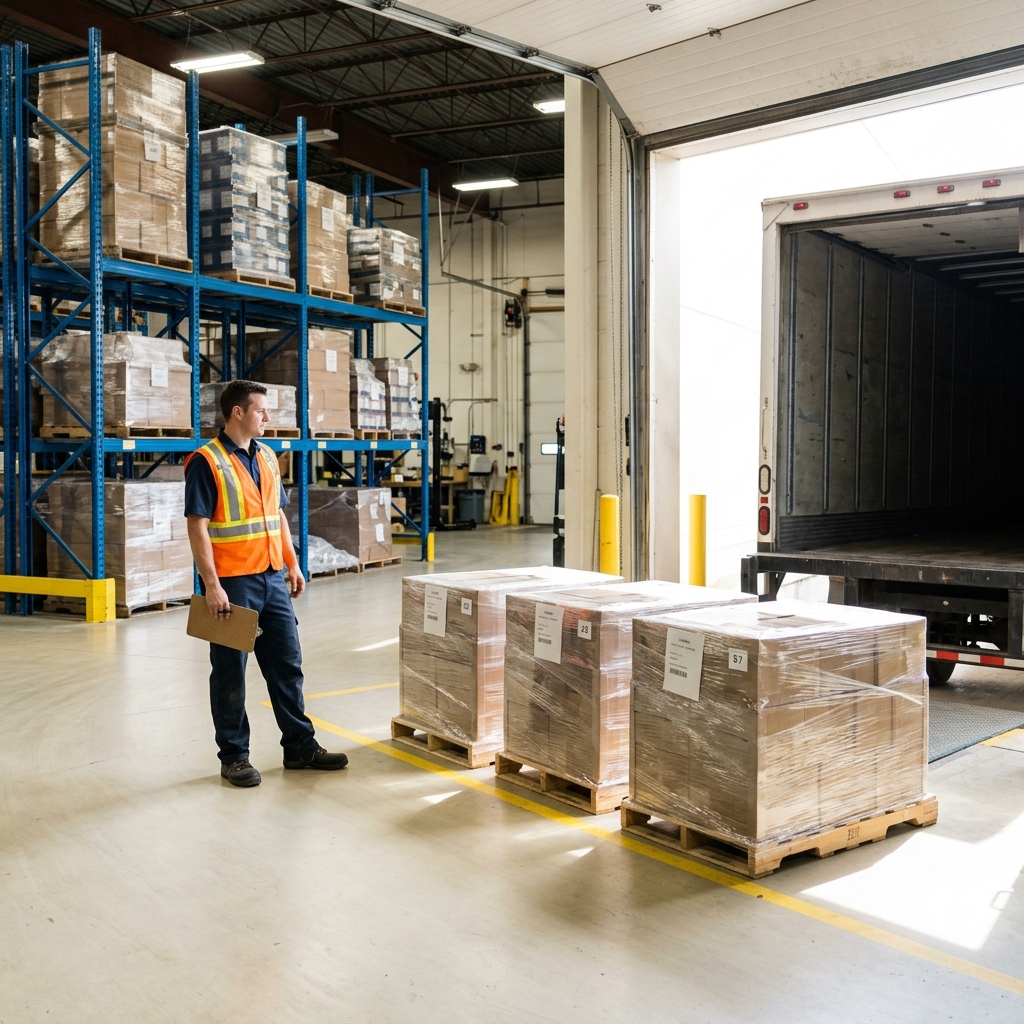
If your business ships pallets regularly across Ontario or Quebec, there is a good chance a freight broker sits between you and the carrier. This often means a markup that is not fully visible, quote responses that depend on the broker’s timing, and limited visibility once the shipment leaves the dock. For many years, this was simply how LTL freight operated. Today, it does not have to work that way. A digital freight platform performs the same core functions as a traditional broker, but it does so faster, often at a lower cost, and with clearer visibility throughout the process.
This post explains how that change works, step by step. It looks at each function that brokers traditionally handled and shows how digital platforms now manage those tasks. The goal is to help logistics decision makers and small business owners understand what they gain by making the switch. If you have been considering whether a digital approach fits your operation, this comparison will help clarify the differences.
What a Freight Broker Actually Does (and What It Costs You)
Before you can appreciate the alternative, it helps to understand what a traditional freight broker actually does on your behalf and where friction begins to build. A broker acts as an intermediary between your business and a network of carriers. They receive your shipment request, share it with their carrier contacts, add a markup to the rate, and then return the booking to you. The process can sound efficient at first, but the details behind it often tell a different story.
The Hidden Costs of the Brokered Model
Most shippers using traditional brokers never see a clean, itemized rate. What arrives in their inbox is a quoted number that already includes the broker's commission, often ranging from 15% to 25% on top of the actual carrier rate. Over the course of a year, that markup adds up substantially for any business shipping with any regularity. The costs are not limited to money either:
- Time Delays :- Traditional brokers typically rely on manual processes to source carriers, confirm availability, and send quotes back to shippers. This can introduce delays, especially when shipments are time-sensitive or when multiple quotes need to be requested and compared. Waiting on emails or calls slows down decision-making and can impact operations on the shipping floor.
- Limited Visibility :- Once a shipment is booked through a broker, visibility into carrier selection, routing, and real-time status updates can be limited. Many shippers only receive updates when they ask for them, which makes it harder to plan inventory, coordinate receiving teams, or respond quickly if issues arise in transit.
- Reduced Control Over Carrier Selection :- In a brokered model, the broker often decides which carrier ultimately handles the shipment. While brokers aim to match loads effectively, the shipper may have little insight into carrier performance history, service levels, or past reliability.
- Communication Bottlenecks :- Because the broker acts as an intermediary between shipper and carrier, every update, clarification, or issue must pass through an extra layer. This can slow problem resolution, particularly when unexpected delays, documentation questions, or scheduling changes occur.
- Scaling Challenges as Shipping Volume Grows :- As businesses begin shipping more frequently, the inefficiencies of relying on a broker become more noticeable. Managing multiple quotes, tracking shipments through email threads, and reconciling invoices can create operational friction that grows alongside shipment volume.
These hidden costs are one of the main reasons many businesses are exploring digital freight marketplaces, where pricing transparency, direct carrier access, and automated booking tools simplify the entire shipping process while reducing both financial and operational overhead.
Why Small and Medium Businesses Feel This the Most
Large shippers with dedicated logistics teams and high freight volumes can often negotiate direct contracts with carriers. This allows them to avoid much of the friction in the brokered model. Small and medium businesses rarely have this level of leverage. They rely on brokers because they do not ship enough volume to negotiate directly. As a result, they often face higher costs with less control. This gap is exactly what a well-designed LTL shipping marketplace aims to address.
The Transparency Problem Is Structural
The lack of transparency in brokered freight is not accidental. It is built into the model itself. A broker's margin depends on the difference between what the carrier charges and what the shipper pays.
Reducing that gap works against the broker's business model. Because of this, even a responsive and well-intentioned broker may find it difficult to provide fully transparent pricing through a human intermediary.
This is one reason why many businesses are shifting toward digital freight platforms such as Truxweb that focus on direct access, pricing clarity, and real-time booking.
How a Digital Freight Platform Replaces Each Broker Function
A digital freight platform does more than provide a faster version of a broker’s service. It replaces the broker’s role by giving shippers direct access to carrier rates, direct communication with carrier dispatch teams, and full control over booking decisions. Many businesses exploring modern freight solutions begin by reviewing platforms such as Truxweb, which provide direct access to carrier networks and digital booking tools. The sections below explain how each function compares.
Quoting: From Hours to Minutes
When a shipment request is submitted through an online freight booking platform, it is sent to multiple carriers at the same time. Quotes return in real time and appear side by side with the rate, transit time, and carrier rating clearly visible. There is no intermediary interpreting shipment details, no repeated phone calls, and no waiting for a broker’s availability. For businesses shipping in LTL lanes across Ontario and Quebec, this faster quoting process can save several hours of operational time each week
Carrier Selection: Your Choice, Not the Broker's
A traditional broker usually routes freight through carriers that fit their internal network and margins. This may not always be the best option for a specific shipment. A multi carrier freight comparison tool changes this approach. It shows available carriers, their ratings, transit speeds, and rates in one place. The decision is then based on what matters most to the business, such as cost, speed, or reliability.
This approach also helps businesses build their own understanding of which carriers perform well on their regular shipping routes. Over time, that knowledge remains within the company instead of being held by a broker.
Booking Confirmation: One Click Instead of a Chain of Emails
After comparing quotes, confirming a booking on a digital platform usually requires only one step. There are no long email chains, no verbal confirmations that need follow up documentation, and no uncertainty about whether the booking was completed. The confirmation appears immediately, is recorded, and is stored in the shipping dashboard for future reference.
For teams managing several shipments each week, this creates a clear operational improvement. It is also one of the most noticeable differences when comparing a digital freight booking platform with traditional methods.
Visibility, Tracking, and Communication After Booking
One of the most common frustrations with traditional freight brokers appears after the booking is confirmed. The shipment moves into the carrier network, and updates may not arrive before a customer asks about the order status. A real time freight visibility platform changes this experience completely.
Real Time Tracking Without Chasing Anyone
A digital platform gathers tracking data from the carrier network and displays it in a centralized dashboard. Automated alerts for dispatch, pickup, and delivery milestones are sent without manual effort.
There is no need to call the carrier, email the broker, or refresh a third party portal. The information reaches you directly and reflects the same data the carrier sees, with no filtering or delay. For businesses where real time shipment tracking affects customer service commitments, this change becomes a competitive necessity rather than just a convenience.
Direct Carrier Communication Through the Platform
When an issue arises, such as a pickup delay, delivery exception, or scheduling change, the fastest solution usually comes from speaking directly with carrier dispatch. A digital platform with a built in messaging feature allows this communication without leaving the interface.
In a brokered setup, the process usually involves calling the broker, waiting for the broker to contact the carrier, and then receiving a response later. By that time the delivery window may already be affected. This communication overhead in brokered freight is rarely discussed, yet it creates a real operational cost for businesses that ship frequently.
What "No Broker Fee" Actually Means in Practice
The phrase no broker fee freight shipping can sound like marketing language until the numbers are reviewed. If a business ships 50 LTL loads each year at an average carrier rate of 800 dollars, and a broker adds a 20 percent margin, that equals about 8,000 dollars annually paid to an intermediary for tasks a digital platform can automate.
Redirecting that amount toward freight capacity or back into the operating budget creates a clear financial benefit that grows over time.
Billing, Compliance, and Carrier Quality on a Digital Platform
Two common concerns when businesses consider moving away from a broker are billing simplicity and carrier vetting. Many assume the broker manages both effectively. In reality, a well designed digital logistics platform can manage them more efficiently.
Consolidated Billing Across All Shipments
Managing invoices from multiple carriers, each with different line items and billing cycles, is often one of the less appealing parts of freight management. A digital platform combines all freight charges into one statement.
This provides the finance team with a clear and predictable record to reconcile. Some platforms also offer flexible payment terms, including short term credit options, which can give smaller businesses better cash flow control than a standard carrier direct billing setup.
Carrier Quality and Regulatory Compliance
Freight brokers often explain their carriers, and many do. However, standards can vary and monitoring may occur periodically instead of continuously. On a digital marketplace, carrier quality standards can be monitored automatically and in real time.
Carriers that fall below satisfaction thresholds may be flagged or removed. Compliance with federal and provincial transportation regulations can also be checked daily rather than only during onboarding.
For businesses shipping goods that fall under transportation of dangerous goods requirements, this level of oversight is important. For example, Truxweb requires carriers on its platform to maintain a minimum 95 percent customer satisfaction rating, with daily compliance monitoring through SaferWatch. This type of structured and continuous monitoring is difficult for a traditional brokerage model to match.
How Freight Platform Pricing Compares to Brokered Rates
The pricing advantage of a digital platform comes from removing intermediary margins and allowing carriers to compete directly for shipments. When several carriers bid on the same lane at the same time, rates tend to move closer to true market value.
Brokers, in comparison, may rely on a smaller group of carriers with preferred rate agreements that support their margin structure more than the shipper’s final cost. For businesses evaluating digital freight marketplaces, understanding this pricing structure is an important step.
Making the Switch: What to Expect and How to Start
The practical question for most businesses is not whether a digital platform is better in theory. The real concern is how difficult the transition will be in practice. In most cases, the process is simpler than many shippers expect, especially for businesses already handling their own shipment documentation.
What You Need to Get Started
Most digital freight platforms require only basic shipment information to generate instant quotes. This includes origin and destination postal codes, pallet count and dimensions, weight, and freight class.
If this information has already been shared with a broker in the past, it can be used immediately on a digital platform. There is no need to establish carrier relationships, negotiate credit accounts, or complete lengthy onboarding calls. The first quote request can usually be submitted within minutes after creating an account.
What the Learning Curve Actually Looks Like
For teams that previously relied on a broker for quoting and booking communication, the adjustment is often psychological rather than technical. The platform interface performs the same tasks that broker phone calls handled, but faster and with clearer data.
Many businesses find that after two or three shipments the process becomes familiar. The fundamentals of LTL freight remain the same. Only the interface used to manage shipments changes.
Truxweb also offers a 24 hour concierge support team to assist shippers with early operational questions, which helps reduce the perceived risk of moving away from a broker relationship.
Conclusion
Freight shipping across Ontario and Quebec has traditionally depended on brokers to connect shippers with carriers. For many businesses, that model worked when there were few alternatives. However, digital freight platforms are changing how LTL shipping is managed by removing unnecessary layers between the shipper and the carrier.
A platform like Truxweb shows how this shift is happening in practice. Instead of waiting for quotes, relying on limited visibility, or paying hidden markups, businesses can compare carrier options, confirm bookings quickly, and monitor shipments in real time from one place.
For small and medium businesses in particular, this approach helps level the playing field. It provides access to the same type of logistics tools and carrier networks that larger companies have traditionally used. Over time, that leads to better control over shipping decisions, improved cost transparency, and smoother day to day freight operations.
As the logistics industry continues to move toward digital systems, companies that adopt these tools early often find that managing freight becomes simpler, faster, and more predictable.
Frequently Asked Questions
1. What is a digital freight platform?
A digital freight platform is an online system that connects shippers directly with carriers. It allows businesses to compare rates, book shipments, and track freight without relying on a traditional broker.
2. How is a digital freight platform different from a freight broker?
A freight broker acts as an intermediary who communicates between the shipper and carrier. A digital platform removes that extra layer and allows shippers to view carrier options, pricing, and transit times directly.
3. Is using a digital freight platform cheaper than working with a broker?
In many cases, yes. Because there is no broker markup added to the carrier rate, businesses often pay closer to the actual market price for shipping.
4. Do digital freight platforms work for small businesses?
Yes. In fact, small and medium businesses often benefit the most because they gain access to multiple carriers and competitive rates without needing large shipping volumes.
5. Can I still choose which carrier moves my shipment?
Yes. Digital platforms typically show several carrier options with rates, transit times, and performance data, allowing you to choose the one that best fits your needs.
6. How quickly can I get a freight quote on a digital platform?
Quotes are usually generated in real time or within minutes, depending on the platform and shipment details.
7. Is shipment tracking better on digital freight platforms?
Most platforms provide real time shipment visibility through a centralized dashboard, which makes it easier to monitor pickups, transit updates, and deliveries.
8. Are carriers on digital freight marketplaces verified?
Yes. Many platforms vet carriers and monitor their safety records, service performance, and regulatory compliance before allowing them to operate on the marketplace.
9. What information do I need to book a shipment online?
You typically need the origin and destination postal codes, pallet count, dimensions, total weight, and freight class of the shipment.
10. Is it difficult to switch from a broker to a digital freight platform?
Most businesses find the transition straightforward. Once an account is created, shipments can usually be quoted and booked within minutes.