


Most businesses hunting for lower freight shipping costs go straight to the carrier rate card. It is the most visible number, and it feels like the most controllable one. But for many shippers in Ontario and Quebec, the real cost inflation happens hours or days before the carrier ever arrives, embedded in decisions around data entry, packaging, and freight classification that rarely get audited. A rate comparison means little if the shipment details feeding that comparison are wrong from the start. Correcting those upstream errors consistently is what separates businesses that manage freight budgets well from those that absorb avoidable charges shipment after shipment.

Where Pre-Shipment Errors Enter the Freight Process
Upstream errors are not obvious because they do not generate immediate feedback. A wrong freight class does not produce an error message, and an underestimated weight does not flag itself at the time of booking. These mistakes move quietly through the system until a carrier audit, a reweigh station, or an invoice correction surfaces the discrepancy, usually at a premium. Understanding where these errors enter the process is the first step toward eliminating them and the hidden factors inflating your LTL freight rates along with them.
Inaccurate Shipment Data and What It Costs You
The freight quote you receive is only as accurate as the shipment data you enter. Weight, dimensions, and commodity type are the inputs that determine your shipping price, and when any of them are estimated rather than measured, the downstream costs compound. Carriers reserve the right to reweigh and re-measure shipments, and when their numbers differ from yours, the resulting adjustments almost always favor the carrier. Bad carton data is one of the most common and underreported causes of billing disputes in the LTL freight industry, and it is entirely preventable with better intake processes. A calibrated scale and a tape measure at the packing station cost almost nothing compared to repeated invoice corrections.
- Weight discrepancies: Carriers reweigh shipments at terminals, and underreported weight triggers an automatic upcharge that bypasses your original freight quote entirely.
- Dimensional errors: Dimensional weight calculations apply to bulky, lightweight freight, and oversize pallets that were never accurately measured, which can push a shipment into a higher billing tier.
- Commodity misidentification: Entering a vague or incorrect commodity description can trigger manual review delays and misclassification, both of which add time and cost to every affected shipment.
- Missing accessorial flags: Failing to note liftgate requirements, residential delivery, or appointment scheduling at the data entry stage results in accessorial charges that appear on the invoice without warning.
Freight Classification Mistakes That Inflate LTL Shipping Rates
Freight classification is one of the most misunderstood inputs in the LTL shipping process, and one of the most expensive to get wrong. The National Motor Freight Classification (NMFC) system assigns classes based on density, stowability, handling difficulty, and liability, and small differences in those factors can place two similar products in entirely different billing tiers. A shipper who assigns class 70 to a product that should be class 92.5 will receive a low quote upfront and a correction invoice after delivery. Freight class errors are among the most consistent sources of unexpected cost in LTL shipping, particularly for businesses that have never conducted a formal NMFC audit of their product catalogue.
Packaging Decisions That Drive Up Pallet Shipping Cost
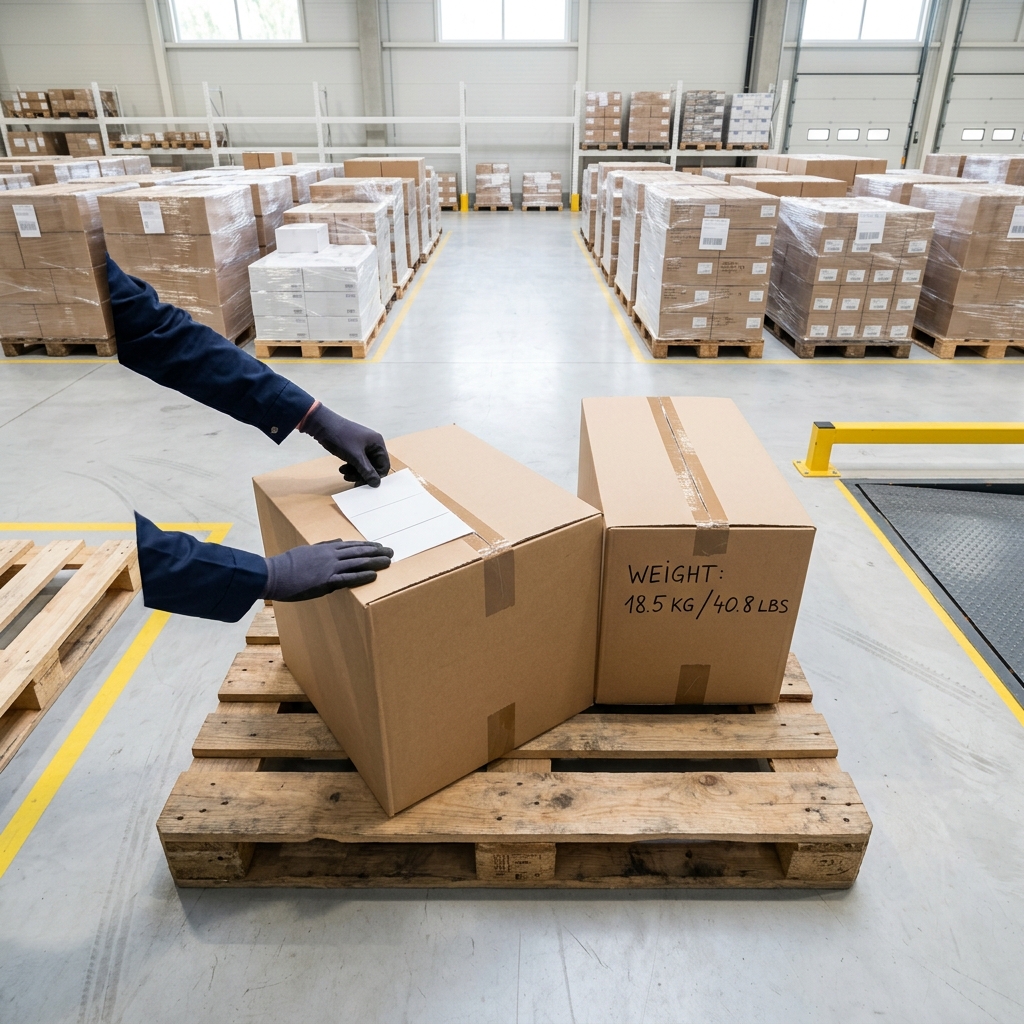
Packaging is rarely treated as a freight cost variable, but it directly affects almost every line item on a shipping invoice. How a shipment is packaged determines its final dimensions, its susceptibility to damage claims, its handling complexity, and in many LTL scenarios, whether it qualifies for standard stacking or requires special accommodation. Getting packaging right is not just a warehousing concern; it is a core freight cost strategy that belongs in any serious review of factors that affect shipping costs in Canada.
How Poor Packaging Triggers Hidden Freight Costs
Oversized boxes that leave significant space increase dimensional weight without adding any real product volume. Pallets that exceed standard height thresholds because of poor stacking get flagged as oversized, which adds surcharges to an otherwise straightforward pallet shipment. Fragile or improperly secured cargo that arrives damaged generates claims, return shipments, and redelivery costs that dwarf the original shipping price. Reducing package weight and volume through right-sized packaging is one of the most direct ways to lower freight costs before a carrier ever quotes the lane. Standardizing box sizes across your most common SKUs also makes weight and dimension entry faster and more accurate, which loops back directly to fixing the data quality problems that drive invoice disputes.
Standardization as a Cost Control Tool
Businesses that ship consistently tend to have lower average shipping costs, not just because of volume discounts, but because their processes produce fewer errors. When packaging materials, pallet configurations, and labeling procedures are standardized, the data entered at booking reflects reality with far less variance. Freight standardization reduces the surface area for invoice disputes, reclassification events, and reweigh corrections. For businesses shipping across Ontario and Quebec lanes regularly, even modest improvements in process consistency translate to measurable savings at scale.
Comparing Carriers and Quotes Without the Right Data
Even when a business invests time in comparing freight quotes across carriers, that comparison loses value if the underlying shipment data is inaccurate. Carrier pricing algorithms are sensitive to inputs, and a 10% difference in declared weight or a single class misassignment can shift a quote by 20 to 30 percent. Decisions made on distorted inputs produce distorted outcomes, regardless of how many carriers were compared or how carefully the results were reviewed.
Why Freight Quote Accuracy Depends on What You Enter
A freight quote is not a fixed price. It is a conditional estimate based on the information provided at the time of booking, and if the shipment that arrives at the terminal differs from the one described in the booking, the carrier adjusts the invoice accordingly. This is not a carrier billing tactic; it is a contractual reality that shippers need to plan around. Businesses that treat their freight quote inputs with the same rigor as their financial records will see significantly fewer post-delivery invoice surprises. Any comparison of LTL shipping rates is only actionable when the inputs behind it are consistent, verified, and matched to what is actually being shipped.
Using a Digital Platform to Reduce Pre-Shipment Errors
Digital freight platforms address several of these upstream problems by building structure into the booking process. When shippers are required to enter specific weight, dimension, and classification fields before a quote is generated, it creates a natural checkpoint that paper-based or email-driven workflows simply do not have. Freight shipping platforms that surface carrier ratings, transit times, and pricing side by side also make it easier to identify when a low quote might reflect a data mismatch rather than a genuinely competitive rate. Truxweb structures its quote comparison engine around verified shipment inputs, so the rates returned reflect actual lane and load conditions rather than placeholder estimates. Connecting with multiple carriers simultaneously through a single, structured interface also removes the inconsistency that creeps in when each carrier receives a slightly different description of the same shipment.
Conclusion
The freight budget problems that frustrate most shippers are not primarily carrier rate problems. They are data problems, classification problems, and packaging problems that only surface as rate problems by the time the invoice arrives. Auditing your pre-shipment workflow, including how dimensions are captured, how freight class is assigned, and how packaging decisions are made, is the most direct path to sustainable cost reduction. Platforms like Truxweb help by bringing structure and transparency to the quote and booking process, narrowing the room for error before a shipment ever leaves your dock. Start with what you can control upstream, and the rate comparisons you run downstream will finally reflect your actual costs rather than your data gaps.
Compare verified LTL freight quotes from top-rated Canadian carriers in minutes at Truxweb, and stop paying for pre-shipment errors you can prevent.
Frequently Asked Questions (FAQs)
Why is shipping so expensive for small businesses in Canada?
Small businesses often pay more because they lack volume leverage with carriers and frequently absorb avoidable charges from classification errors, inaccurate weight declarations, and missing accessorial flags at the time of booking.
What factors affect shipping costs the most?
Shipment weight, dimensions, freight class, origin-destination lane, and accessorial service requirements are the primary factors that determine final freight costs, and errors in any of these inputs will inflate the invoice.
How do LTL shipping rates work in Canada?
LTL shipping rates are calculated based on the weight, freight class, and dimensions of your shipment relative to the space it occupies in a shared carrier trailer, with lane-specific pricing applied on top of those base variables.
How to reduce shipping costs for my business?
The most effective way to reduce freight costs is to verify shipment data before booking, standardize packaging to minimize dimensional weight, assign accurate freight classes, and use a platform that lets you compare multiple carrier rates simultaneously.
What is included in a standard freight shipping quote?
A standard freight quote typically includes the base rate for the lane and weight tier, any applicable fuel surcharge, and known accessorial charges, though post-delivery adjustments can occur if the shipment details differ from what was entered at booking.