


Introduction
For businesses that rely on LTL freight, not knowing where a shipment is can cost more than just time. It costs customer trust, operational focus, and in some cases, the sale itself. End-to-end freight visibility gives shippers a continuous, real-time view of every stage in a shipment's journey, from the moment a pickup is scheduled to the second a delivery is confirmed. It replaces guesswork with data and reactive scrambling with proactive control.
This guide breaks down what freight visibility actually means in practice, why it matters for small and medium-sized businesses shipping LTL freight, and how modern shipment tracking software delivers the transparency and accountability that today's logistics operations demand.
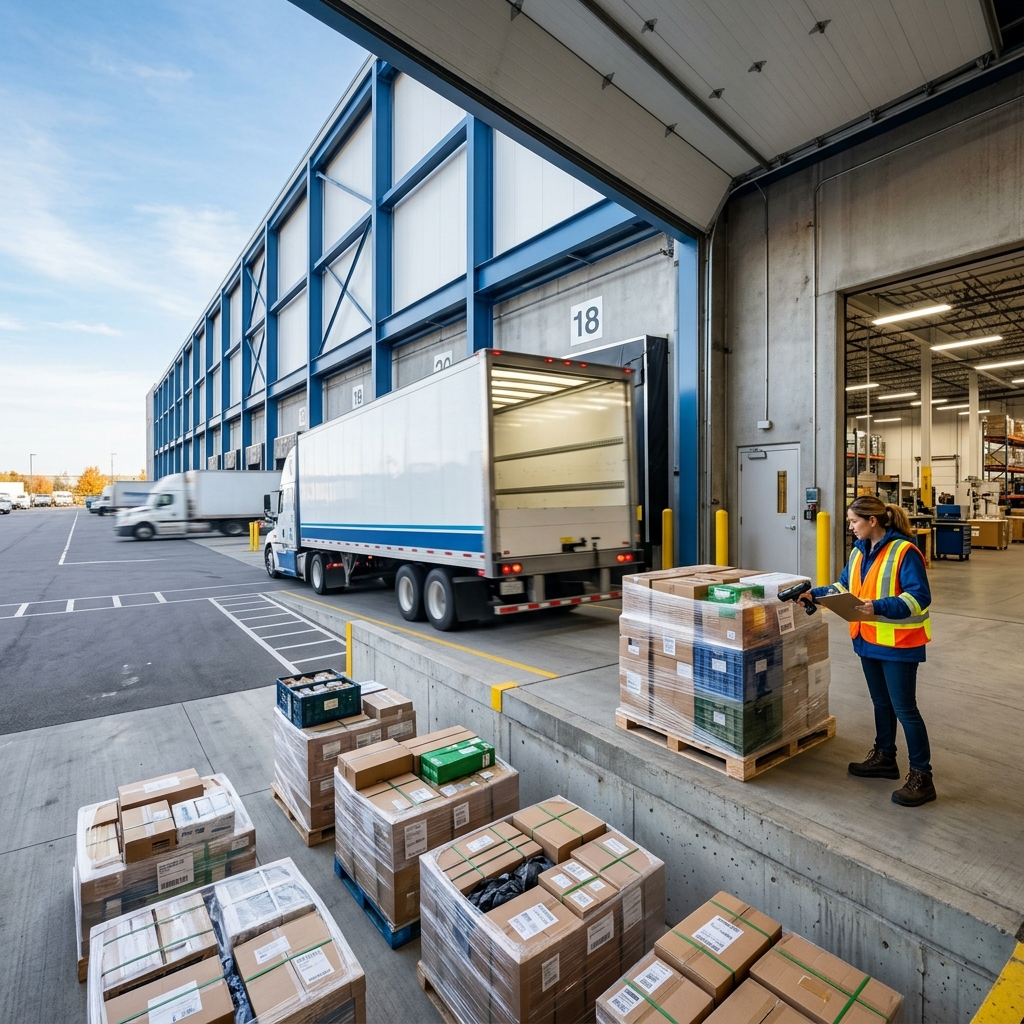
What End-to-End Freight Visiblity Actually Means
The phrase gets used broadly, but not all visibility tools are built the same. True end-to-end freight visibility means you can see every meaningful event across the full shipment lifecycle, not just whether a package left the warehouse. It means knowing when a carrier confirmed pickup, when freight moved through a transfer terminal, when it arrived at its destination region, and when it was signed off at delivery.
Key Stages Covered by Full Freight Visibility
A complete visibility solution should map cleanly to each operational phase of an LTL shipment. These stages are where delays tend to surface, and where real-time data creates the most value for shippers trying to stay ahead of problems:
1. Pickup Confirmation
Visibility begins when the carrier confirms the shipment has been picked up. This ensures the load has officially entered the network and is moving as scheduled.
2. In-Transit Movement
Updates during transit provide insight into where the freight is moving between origin and destination, helping shippers monitor progress without relying on manual check-ins.
3. Terminal Transfers
LTL shipments often pass through multiple hubs. Visibility at each terminal stage, arrival, unloading, reloading, and departure, is critical to identifying bottlenecks.
4. Exception Alerts
Delays, missed connections, or unexpected holds should be flagged immediately so shippers can take corrective action before issues escalate.
5. Arrival at Destination Region
Knowing when freight reaches the final delivery area allows for better coordination with receiving teams and scheduling.
6. Out-for-Delivery Status
Real-time confirmation that the shipment is on the final delivery route helps improve delivery readiness and customer communication.
7. Proof of Delivery (POD)
Final confirmation that the shipment has been delivered and signed for closes the loop and provides documentation for records and billing.
The Difference Between Tracking and True Visibility
Many shippers confuse carrier tracking numbers with genuine freight visibility. A tracking number gives you access to a carrier's own portal, in their format, on their timeline. True visibility aggregates that data into a single, centralized view so you are not logging into five different portals for five different shipments. Shipment milestone tracking should flow automatically, not require manual lookups every time you need an update.
Why LTL Freight Creates Unique Visibility Challenges
Unlike full truckload shipments that move point-to-point with one driver, LTL freight shares trailer space with multiple shippers' cargo and moves through hub-and-spoke carrier networks. According to Transport Canada, Canada’s transportation system is highly interconnected and relies on complex, multi-modal networks to move goods efficiently across regions. That means more touchpoints, more transfer events, and more chances for something to go wrong without anyone noticing until it is too late. Real-time freight tracking is not a convenience feature for LTL shippers. It is a core operational requirement.

How Modern Freight Visibility Platforms Deliver Real-Time Insight
Enterprise shippers have had access to sophisticated logistics technology for years. For small and medium-sized businesses, that kind of infrastructure was historically out of reach, which forced them into manual, phone-heavy workflows that consumed time and left far too much to chance. The stakes, however, are just as high for an SMB as for a large distributor. A delayed shipment still strains a customer relationship regardless of the shipper's size.
Protecting Customer Commitments
When a customer asks where their order is, "I'll have to call the carrier and get back to you" is not a good answer. It signals that you do not have control over your own supply chain. Freight visibility for small business solves this directly by giving owners and logistics coordinators the same access to live shipment data that enterprise teams use, without requiring a dedicated IT team or costly software implementation.
With accurate, up-to-date shipment status updates available on demand, customer service teams can answer delivery questions with confidence, proactively communicate delays before customers have to ask, and maintain the kind of reliability that turns one-time buyers into repeat customers.
Reducing Operational Waste
Every minute spent chasing a carrier by phone is a minute not spent on higher-value work. Businesses that lack freight visibility often build entire informal systems around compensating for it: someone designated to call carriers each morning, spreadsheets tracking expected delivery windows, email threads with carriers that stretch back days without resolution. These workarounds are expensive in time and error-prone by design. A proper freight tracking dashboard eliminates the need for them entirely.
Holding Carriers Accountable
When shippers lack visibility, carriers face little pressure to perform consistently. With real-time freight tracking in place, on-time performance becomes measurable, exceptions are documented, and patterns in carrier behavior become visible over time. That data is valuable not just for resolving individual disputes, but also for making better carrier selection decisions on future shipments.
Centralized Dashboards That Aggregate Carrier Data
The most practical feature in any freight visibility solution is a centralized dashboard that pulls shipment data from multiple carriers into one view. Rather than jumping between carrier portals or waiting for manual status updates, shippers see every active shipment at a glance, with status, estimated delivery, and any outstanding exceptions visible without a single phone call. For businesses managing several concurrent shipments across different carriers, this kind of consolidation is transformative.
Platforms built for freight visibility Canada need to account for the specific carrier networks, regulatory environments, and cross-provincial freight patterns that Canadian shippers navigate. Generic visibility tools built for other markets often fall short here because they do not reflect how Canadian LTL networks actually operate.
Automated Shipment Alerts That Eliminate Manual Follow-Up
Automated shipment alerts are what turn a passive tracking tool into an active workflow partner. Rather than remembering to check on a shipment, the platform notifies you when something meaningful happens. Automated shipment alerts tied to dispatch confirmation, pickup completion, and delivery sign-off remove the mental load of monitoring entirely and ensure that exceptions surface immediately rather than hours later when it may be too late to act.
How Truxweb's 360-degree Dashboard Works in Practice
Truxweb integrates a 360-degree shipping dashboard directly into its LTL marketplace, giving Canadian shippers real-time visibility across all active shipments alongside automated email alerts for every key milestone: dispatch, pickup, and delivery. Shippers can also communicate directly with carrier dispatch through an in-platform chat function, which means issues can be raised and resolved without leaving the platform or losing track of conversations. For businesses managing multiple shipments across Quebec, Ontario, or beyond, this kind of centralized control removes a significant layer of operational friction.
Practical Benefits Freight Visibility Unlocks for Shippers
Understanding what visibility platforms do is one thing. Knowing how they impact day-to-day operations helps shippers decide whether to invest. The benefits are concrete, measurable, and felt quickly once a proper visibility solution is in place.
Fewer Surprises, Faster Problem Resolution
When an exception happens, the window for effective intervention is narrow. A shipment sitting at the wrong terminal, a missed pickup due to access issues, or a delay caused by a transfer problem can all be resolved if caught early enough. With real-time alerts and live tracking in place, shippers know about issues often before the carrier thinks to notify them. That early warning window is where the best freight visibility software proves its value most clearly, not on the shipments that go perfectly, but on the ones that do not.
Better Data for Smarter Carrier Decisions
Visibility platforms create a historical record of carrier performance, not just for individual shipments but across patterns. Which carriers consistently deliver on time on a specific lane? Which ones generate the most exception alerts? Over weeks and months, this data gives shippers the evidence to make carrier selection decisions based on actual performance rather than assumptions. For businesses in high-volume corridors like LTL visibility in Quebec to Ontario lanes, where carrier options are numerous, that data advantage is real.
Improved Customer Service Without Extra Headcount
With a freight tracking dashboard in place, customer-facing teams can answer delivery inquiries in seconds rather than minutes or hours. They do not need to escalate to a logistics coordinator or wait for a callback from a carrier. That self-service capability improves response times, reduces internal bottlenecks, and helps businesses project operational confidence that builds customer trust over time. Truxweb's shipper network, which spans over 1,000 businesses across Canada, consistently cites real-time shipment visibility as one of the platform's highest-impact features for day-to-day operations.
Conclusion
End-to-end freight visibility is not a luxury reserved for large logistics teams with enterprise budgets. For any business shipping LTL freight, it is a foundational capability that directly affects customer service, operational efficiency, and carrier accountability. The right platform gives you a centralized view of every shipment, automated alerts when milestones are hit or exceptions arise, and the data you need to make smarter decisions over time. Start by evaluating the visibility tools you currently have access to, identify the gaps where manual follow-up is still required, and prioritize platforms that consolidate carrier data into a single, real-time view.
Ready to take control of your shipments from pickup to delivery? Explore Truxweb's LTL shipping platform and see how real-time freight visibility works in practice.
Frequently Asked Questions (FAQs)
What is freight visibility?
Freight visibility refers to the ability to monitor a shipment's location, status, and progress in real time across every stage of its journey, from pickup to final delivery. It gives shippers actionable information without requiring manual follow-up with carriers.
How does freight visibility work?
Freight visibility platforms connect to carrier systems to pull shipment data automatically, then display it through a centralized dashboard with status updates, milestone alerts, and exception notifications. The process runs continuously in the background so shippers always have current information.
Why is freight visibility important for LTL shippers?
LTL shipments move through multi-stop carrier networks with many transfer points, which creates more opportunities for delays and miscommunications. Visibility tools surface issues early so shippers can intervene before small problems become costly disruptions.
How to track LTL shipments in real time?
The most effective way is through a freight visibility platform that aggregates data from multiple carriers into one dashboard, rather than logging into individual carrier portals separately. Look for platforms that also send automated alerts for key shipment milestones.
How to improve shipment visibility across multiple carriers?
Choose a platform that integrates with multiple carriers and consolidates all shipment data into a single view. Pairing that centralized dashboard with automated alerts for dispatch, pickup, and delivery removes the need for manual status checks entirely.
What are freight visibility tools?
Freight visibility tools include shipment tracking dashboards, automated alert systems, exception management features, and carrier performance reporting. Together, they give shippers real-time insight and historical data to manage freight operations more effectively.
Can I track multiple carriers in one platform?
Yes, modern freight visibility platforms are designed to aggregate data from multiple carriers into one centralized interface. This eliminates the need to manage separate logins and manual lookups across different carrier portals.
What is 360-degree shipping visibility?
360-degree shipping visibility means having full, real-time insight into every stage of a shipment's lifecycle, including pickup, in-transit movement, transfers, exceptions, and delivery confirmation, all accessible from a single dashboard.
How to get automated freight alerts for my shipments?
Sign up for a freight platform or visibility tool that offers configurable alert settings tied to shipment milestones. The best solutions send automatic notifications for dispatch confirmation, pickup, in-transit updates, and delivery without requiring any manual input.