

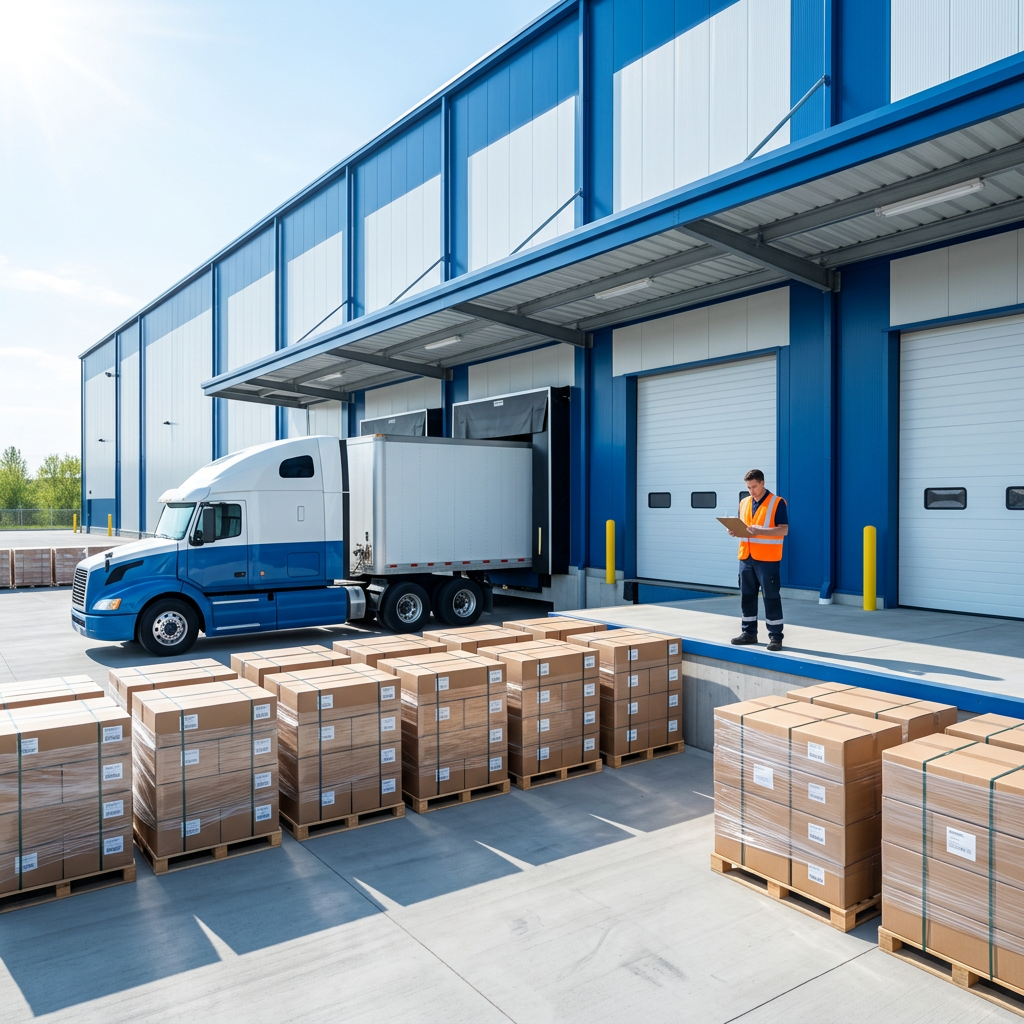
Introduction
Every shipper has experienced it: a freight shipment that was supposed to arrive Tuesday shows up Thursday, with no warning and no explanation. It is easy to blame traffic or weather, but those factors account for far fewer delays than most businesses realize. The real causes of shipping delays run deeper, rooted in carrier dispatch gaps, poor booking infrastructure, and a lack of real-time visibility that leaves shippers completely in the dark. For Canadian businesses shipping LTL freight in regions like Quebec and Ontario, the genuinely useful skill here is diagnostic: being able to look at a shipment that landed two days late and work out which of these causes was actually responsible, rather than guessing. This blog walks through each systemic cause and, at the end, the specific evidence that points to each one. If your goal is repairing the upstream process rather than diagnosing a shipment that already went wrong, our companion piece on shipping delays that begin with poor freight coordination covers that side in detail.
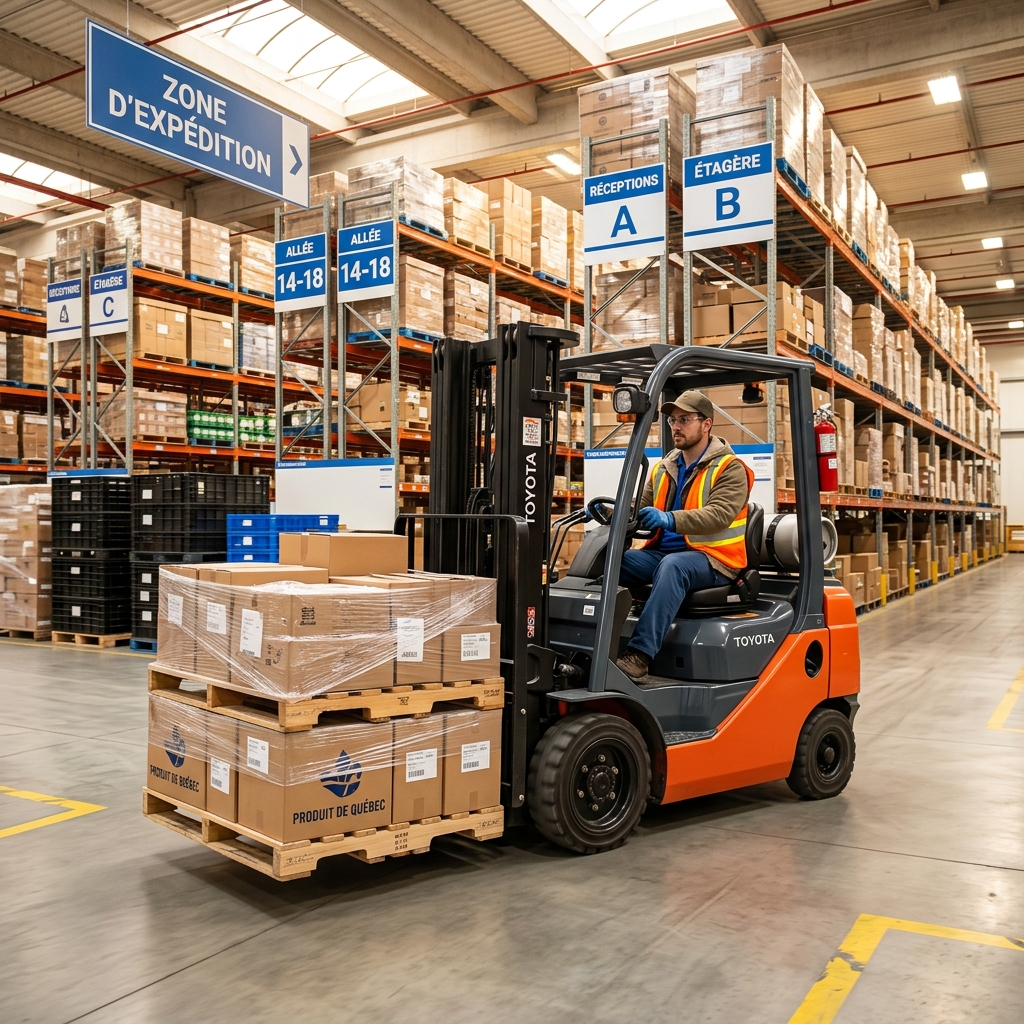
The Operational Gaps That Actually Cause Freight Delays
Carrier Dispatch Communication Breakdowns
One of the most underreported causes of carrier dispatch communication delays is the gap between when a booking is confirmed and when that information actually reaches the driver. Traditional freight processes rely on phone calls and email chains that pass through multiple hands, and each handoff is an opportunity for something to get lost. By the time a carrier dispatch team receives, processes, and confirms a pickup order, hours may have already slipped away.
- Manual handoffs: Booking confirmations passed through brokers, emails, and phone calls are prone to miscommunication and missed messages.
- Delayed pickup scheduling: Without automated dispatch alerts, pickup windows are often communicated too late for drivers to adjust routes effectively.
- No direct shipper access: When shippers cannot communicate directly with carrier teams, resolving issues in real time becomes nearly impossible.
- Documentation errors: Incomplete or incorrect shipping documents can stall a pickup at the warehouse before the truck even departs.
How Booking Process Failures Compound the Problem
A delay rarely starts at the dock. It often starts the moment a shipment is booked through an inefficient process. When businesses rely on manual quote requests sent one carrier at a time, the time lost before a booking is even confirmed can already push a shipment outside its viable pickup window. Freight booking automation directly addresses this, eliminating the back-and-forth that introduces scheduling drift before the freight ever moves.

The Visibility Problem: When You Cannot See, You Cannot Act
LTL freight operates differently from full truckload shipping, and that difference introduces delay risks that many shippers do not fully understand. Because an LTL truck carries freight from multiple shippers bound for different destinations, the routing and scheduling are inherently more complex.
The Consolidation Bottleneck
LTL freight consolidation means your shipment shares space with others, and those other shipments may have their own complications. A single delayed pickup elsewhere on the route can push your freight's delivery window. LTL shipping delays caused by consolidation are especially common in high-volume corridors between cities like Montreal and Toronto, where trucks are frequently loaded to capacity and rerouting is costly. Understanding that your freight is part of a larger logistical puzzle helps explain why supply chain disruptions in one segment can ripple into yours.
Transit Time Estimation Errors
Many freight delivery delays in Ontario and Quebec stem from inaccurate transit time estimates provided at the point of booking. When shippers are given optimistic timelines based on ideal conditions, any deviation from those conditions creates an immediate gap between expectation and reality. Choosing a platform that provides realistic freight transit times in Canada based on actual carrier performance data is far more reliable than working from a carrier's best-case scenario.
One of the most costly aspects of freight delays is not the delay itself but the reaction time. When a shipment is off schedule and nobody knows until a customer calls to ask where their order is, the damage is already done. Poor freight shipping visibility is not just an inconvenience; it is a structural weakness in your supply chain.
The Cost of Real-Time Blind Spots
Without automated alerts and live tracking, shippers are forced into a reactive posture. They find out about delays only after they have already missed a delivery commitment. Real-time freight tracking changes this entirely by surfacing exceptions as they happen, giving businesses the chance to communicate proactively with customers and adjust downstream plans before the impact compounds. The difference between knowing about a delay at noon versus finding out at 5 PM can mean everything for a business relationship.
Why Proactive Freight Delay Management Matters
Proactive freight delay management is not about eliminating every disruption; it is about shrinking the window between when a problem occurs and when it gets resolved. Platforms that offer end-to-end freight visibility give shippers the tools to act on exceptions quickly rather than scramble to catch up. According to research from PwC Canada's transportation and logistics practice, companies that invest in supply chain visibility see measurable improvements in customer satisfaction and operational efficiency.
Carrier Quality: The Variable Most Shippers Overlook
Not all carriers perform equally, and choosing the wrong one is one of the most direct paths to recurring freight delays in Canada. Many businesses select carriers based solely on price, without any visibility into on-time delivery performance, safety compliance, or customer satisfaction history.
What Carrier Vetting Actually Looks Like
Reliable LTL carriers operating in Quebec and Ontario maintain strong safety compliance records and consistent performance metrics. Vetting a carrier should include reviewing their safety rating, on-time delivery history, and customer feedback. Choosing the right LTL carrier is one of the highest-leverage decisions a shipper can make, and it is also one of the most overlooked. The National Safety Code for motor carriers sets minimum standards, but performance above those minimums varies widely between carriers.
How Platform Standards Raise the Floor
Truxweb addresses carrier quality directly by requiring all carriers on its marketplace to maintain a minimum 95% customer satisfaction rating, with daily compliance monitoring through SaferWatch for both federal and provincial safety regulations. This means shippers are not left doing their own vetting from scratch. The digital freight marketplace model enforces baseline performance standards that traditional freight brokers rarely apply consistently. When every carrier in your pool has been screened, the probability of a delay caused by carrier failure drops significantly.
Delay is not always a timing problem. Sometimes it is a payment or documentation problem wearing the disguise of a timing problem. Accessorial charges that are disputed at delivery, unclear billing terms, or freight held pending payment resolution can all stall a shipment at the final stage. Businesses that do not understand how LTL freight rates are structured are more vulnerable to these last-mile slowdowns.
How to Tell Which Cause Hit Your Shipment
Knowing the causes in the abstract does not help much on the Thursday afternoon when a customer is asking why their pallets are still not there. The good news is that each cause above leaves a different trace in the paperwork and tracking record. Five checks, in this order, will usually isolate it.
- Compare the booking confirmation time to the actual pickup time. A gap of more than a day, with no contact from the carrier in between, points to a dispatch handoff failure rather than anything on the road.
- Look for a reweigh or reclassification note on the bill of lading or invoice. If the carrier requested a correction, the shipment stalled on documentation at your dock, not in transit.
- Read the terminal scan history rather than just the current status. Freight that sat at a cross-dock for a day or more was held by consolidation, which is a routing reality, not a carrier failure.
- Check the quoted transit days against the carrier's published standard for that lane. If the quote was shorter than the standard, the estimate was optimistic before the freight ever moved.
- Note who told you first. If your customer knew before your team did, you have a visibility gap on top of whatever the root cause turns out to be, and that is usually the cheapest of the five to fix.
Run those five checks across a quarter's worth of late shipments and a pattern almost always emerges. Most Canadian SMBs find that the same one or two causes account for the bulk of their delays, which makes the fix a targeted project rather than an overhaul.
Conclusion
Shipping delays are rarely caused by a single bad day on the highway. They are the accumulated result of communication gaps, poor carrier selection, consolidation complexity, and the absence of real-time visibility across the freight lifecycle. Businesses that understand these root causes are far better positioned to prevent delays rather than simply absorb them. Real-time shipment tracking, automated alerts, and access to pre-vetted carriers are not optional upgrades; they are operational necessities for any business that depends on reliable freight delivery. Truxweb was built specifically for Canadian SMBs who are tired of reactive freight management and want a smarter, more transparent way to ship.
Ready to stop guessing and start shipping with confidence? Get a free quote on Truxweb today and see how much faster your freight can move.
Frequently Asked Questions (FAQs)
What causes shipping delays in Canada?
The most common causes include carrier dispatch communication failures, LTL consolidation bottlenecks, inaccurate transit time estimates, poor carrier vetting, and a lack of real-time shipment visibility that prevents shippers from responding to exceptions quickly.
Why do LTL shipments get delayed?
LTL shipments are consolidated with freight from multiple shippers on a single truck, so a disruption anywhere along the route, such as a delayed pickup or a documentation issue from another shipper, can push back the entire delivery schedule.
How long do LTL shipping delays typically last in Canada?
Most LTL shipping delays in Canada range from one to three business days depending on the corridor, though delays caused by carrier compliance issues, missed pickups, or customs documentation errors can extend significantly beyond that window.
How do I find out why a specific shipment was late?
Compare the booking confirmation time against the actual pickup time, check the bill of lading for reweigh or reclassification notes, review the terminal scan history for cross-dock holds, and compare the quoted transit time to the carrier's published standard for that lane.
What should I do if my freight shipment is delayed?
Contact your carrier's dispatch team directly as soon as possible, request an updated estimated delivery time, and use any tracking tools available to monitor the shipment's location so you can communicate accurate information to your customers.
How does a digital freight marketplace help prevent shipping delays?
A digital freight marketplace reduces delays by automating the booking process, enforcing carrier performance standards, providing real-time tracking and automated alerts, and enabling direct communication between shippers and carrier dispatch teams within a single platform.