

Introduction
In today's fast-moving freight environment, real-time shipment tracking has become a foundational requirement rather than a nice-to-have feature. For freight transportation services and logistics companies, knowing where a shipment is, how it is progressing, and whether it will arrive on time directly impacts operational efficiency, cost control, and customer trust.
As supply chains become more dynamic and customer expectations continue to rise, manual updates through phone calls or emails no longer provide sufficient visibility. Real-time shipment tracking brings structure and clarity to freight operations by giving shippers and carriers shared, up-to-date information throughout the shipping lifecycle. Digital platforms like Truxweb support this shift by centralizing booking, coordination, and tracking within one environment.
The Challenges Facing Freight Logistics Today
Freight logistics companies operate in an environment shaped by fluctuating demand, fuel cost volatility, long transit distances, and increasingly tight delivery expectations. Without consistent visibility, even well-planned operations can become reactive.
When shipment updates are delayed or fragmented, logistics teams struggle to anticipate disruptions. Missed delivery windows, underutilized capacity, and inefficient routing often follow. These issues compound in high-volume operations, where small inefficiencies quickly scale into larger cost and service problems.
Real-time shipment tracking addresses these challenges by providing continuous insight into active shipments. Instead of reacting after an issue occurs, logistics teams can identify potential delays earlier and adjust plans accordingly.
What Is Real-Time Shipment Tracking?
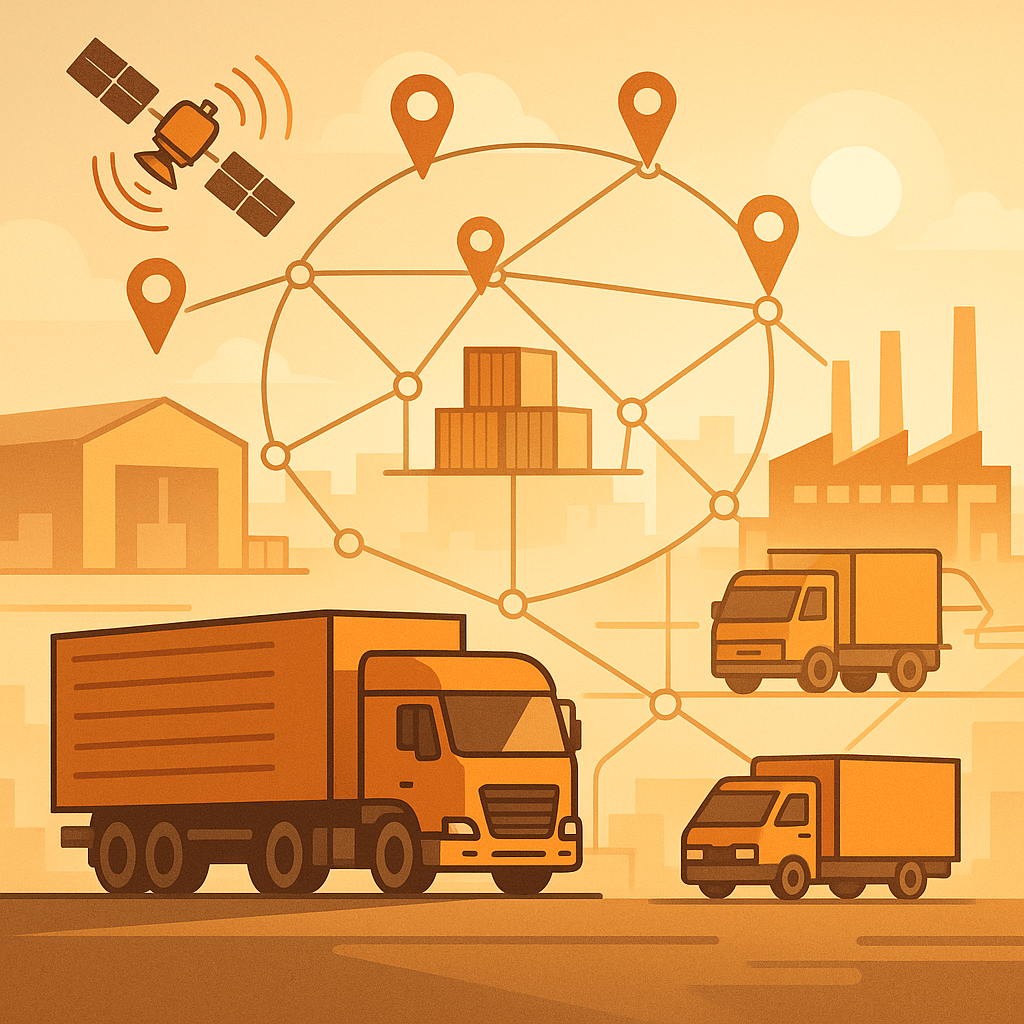
Real-time shipment tracking refers to the ability to monitor freight movement continuously from pickup to delivery through a digital platform. Location and status updates are made available as shipments progress, allowing all stakeholders to access the same information.
Unlike traditional tracking methods that rely on periodic manual updates, real-time tracking provides a more consistent view of shipment progress. This improves coordination between shippers and carriers and reduces uncertainty across freight operations.
For trucking and logistics companies, real-time tracking supports better planning, clearer communication, and improved accountability without adding manual workload.
Better Operational Efficiency
When logistics teams can see shipment progress in one place, they spend less time chasing updates and more time managing exceptions. Centralized tracking helps identify bottlenecks such as delays at pickup or unexpected transit slowdowns.
This visibility allows operations teams to respond faster and maintain more consistent delivery performance across trucking networks.
Greater Transparency Across the Network
Transparency builds trust between shippers, carriers, and customers. Real-time shipment tracking provides a shared view of freight movement, reducing miscommunication and uncertainty.
Shippers can access accurate ETAs, carriers can confirm progress without repeated check-ins, and customers receive clearer delivery expectations. This transparency reduces inbound inquiries and strengthens long-term relationships.
Cost Control and Risk Reduction Through Visibility
Reducing Inefficiencies
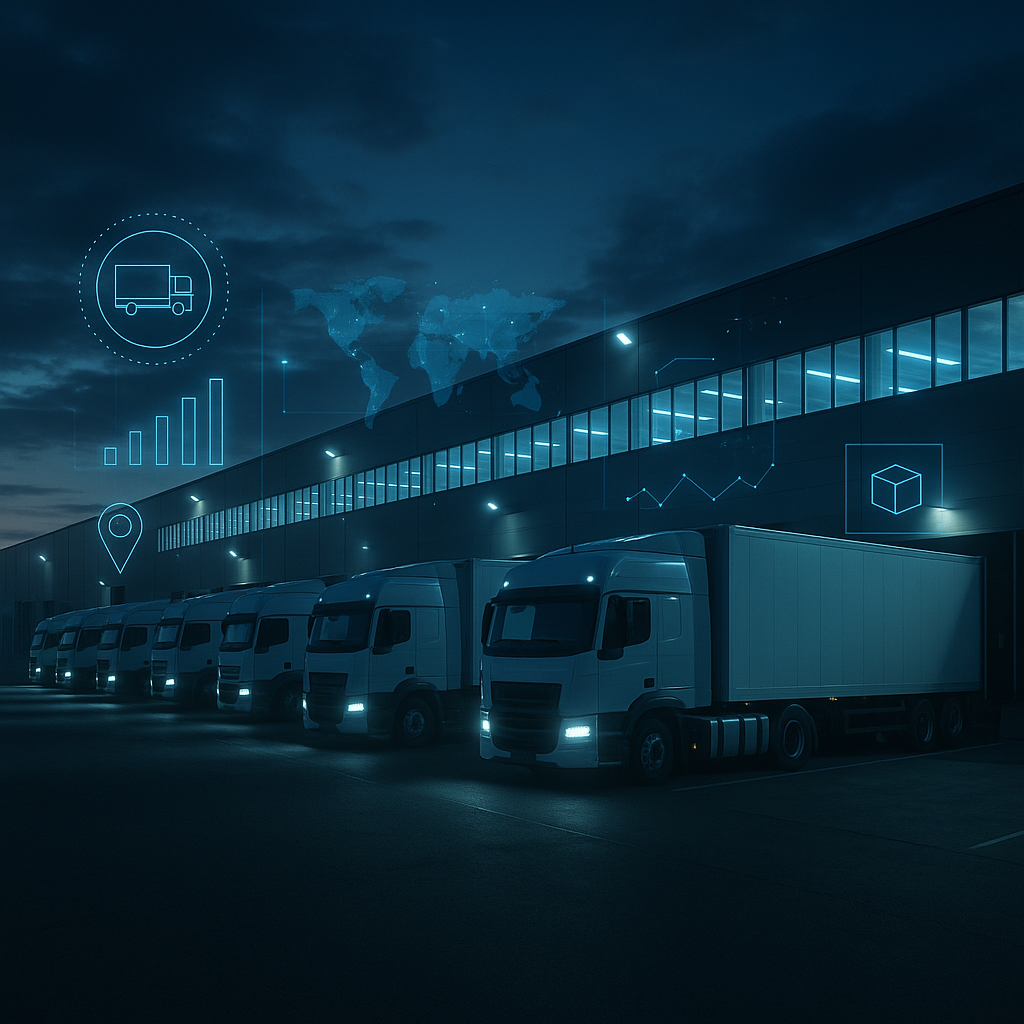
Lack of visibility often leads to inefficient routing, idle time, and underutilized capacity. Real-time shipment tracking helps logistics teams spot inefficiencies sooner and make more informed decisions about how freight moves through the network.
Over time, these improvements support better cost control without requiring major operational changes.
Managing Risk More Proactively
Unexpected events such as traffic congestion or weather disruptions are unavoidable in freight logistics. What matters is how quickly teams become aware of them.
With real-time tracking, potential disruptions are visible earlier, giving logistics teams more time to communicate changes and manage expectations. This proactive approach reduces the impact of delays and improves overall service reliability.
How Real-Time Tracking Fits into Digital Freight Platforms
Real-time shipment tracking is most effective when it is part of a broader digital freight workflow. When booking, coordination, and tracking are managed within one platform, information remains consistent and accessible.
Digital freight marketplaces support this integration by connecting shippers and carriers through centralized systems. Once a shipment is booked, tracking becomes part of the same workflow, reducing handoffs and information gaps.
Platforms like Truxweb focus on enabling this shared visibility so freight operations can scale without increasing complexity.
The Role of Tracking in Customer Experience
Customer expectations around delivery accuracy continue to increase. Real-time shipment tracking plays a key role in meeting those expectations by providing reliable updates throughout transit.
When customers have access to accurate shipment information, trust improves and disputes decrease. This clarity also supports internal teams, who can plan inventory and downstream operations with greater confidence.
For freight logistics companies, improved customer experience becomes a competitive advantage rather than a reactive service effort.
Choosing Logistics Partners with Strong Visibility Capabilities
As real-time tracking becomes standard, shippers increasingly evaluate logistics providers based on their ability to deliver consistent visibility. Platforms that centralize shipment information and support digital coordination are better positioned to support growing freight volumes.
Rather than focusing solely on rates, many shippers now prioritize partners that offer reliable tracking, clear communication, and scalable workflows. These capabilities directly influence long-term performance and operational stability.
Conclusion
Real-time shipment tracking has become an essential component of modern freight logistics. It improves efficiency, strengthens communication, and supports better decision-making across trucking and logistics operations.
By embedding tracking into digital freight platforms, logistics companies can move from reactive coordination to more structured, predictable execution. Platforms like Truxweb support this evolution by bringing booking, coordination, and visibility into one centralized environment. As freight operations continue to grow in complexity, real-time shipment tracking is no longer optional. It is a foundational capability for reliable, scalable logistics.
Improve freight visibility and coordination with Truxweb, a centralized platform that helps shippers and carriers track shipments and manage freight more efficiently.
Frequently Asked Questions (FAQs)
What is real-time shipment tracking?
Real-time shipment tracking allows shippers and carriers to monitor freight movement continuously during transit, providing up-to-date location and status information through a digital platform.
Why is real-time shipment tracking important in freight logistics?
It improves visibility, helps identify delays early, supports better planning, and reduces reliance on manual updates like phone calls and emails.
How does real-time shipment tracking help shippers?
Shippers gain clearer insight into shipment progress, more accurate delivery expectations, and better coordination with internal teams and customers.
How does real-time tracking support carriers?
Carriers benefit from fewer manual check-ins, clearer communication, and more structured coordination throughout the shipment lifecycle.
Is real-time shipment tracking used for truckload freight?
Yes. Real-time tracking is commonly used for full truckload shipments to maintain visibility across long-distance routes and reduce uncertainty during transit.
Can real-time tracking reduce delays?
While it does not prevent all disruptions, real-time tracking helps teams detect issues earlier and respond more effectively to minimize impact.
Does real-time shipment tracking replace logistics teams?
No. It supports logistics teams by improving access to information and reducing repetitive manual coordination.
How does real-time tracking improve customer communication?
Accurate, up-to-date shipment information allows teams to share clearer delivery updates and reduce customer inquiries.
Is real-time shipment tracking part of digital freight platforms?
Yes. Many digital freight marketplaces include real-time tracking as part of a centralized workflow for booking, coordination, and shipment visibility.
Why are logistics companies adopting real-time shipment tracking now?
As freight volumes increase and operations become more complex, real-time tracking helps improve efficiency, transparency, and reliability across logistics operations.