

Introduction
Air freight in 2026 looks very different from even a few years ago. Digital platforms, real-time visibility, and automated booking have transformed how shippers access air cargo capacity and manage time-critical shipments. What was once a fragmented process dominated by manual quotes and phone calls is now a streamlined, data-driven workflow that gives shippers faster decisions, clearer pricing, and greater control.
As global supply chains remain volatile, air freight continues to play a critical role for high-value, perishable, and urgent cargo. Modern air freight platforms allow shippers of all sizes to book capacity, track shipments, and coordinate documentation with a level of transparency and speed that was previously available only to large enterprises.
What Is Air Freight Shipping and Why It Matters
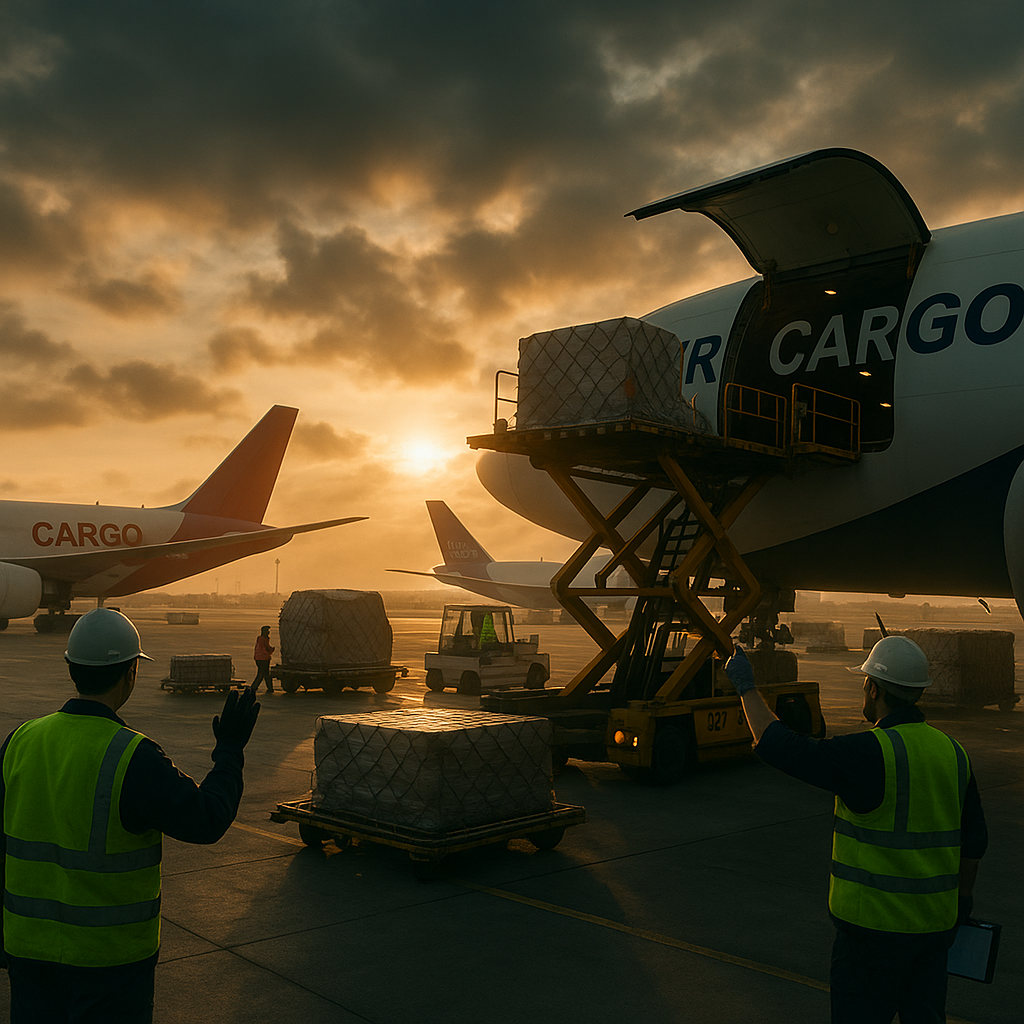
Air freight shipping is the movement of goods using cargo aircraft or the cargo holds of passenger planes. It is the fastest mode of international and domestic freight transport and is commonly used for time-sensitive, high-value, or temperature-controlled goods.
Compared to ocean freight, air shipping dramatically reduces transit times. Routes that take weeks by sea are often completed in days or hours by air. This speed makes air freight essential for industries such as pharmaceuticals, electronics, aerospace, fashion, and emergency logistics.
Beyond speed, air freight provides operational advantages across the supply chain. Faster transit reduces inventory holding costs, lowers safety stock requirements, and enables quicker response to unexpected demand spikes or production disruptions. For many shippers, air freight is no longer a last-resort option but a strategic tool used selectively to protect revenue and service levels.
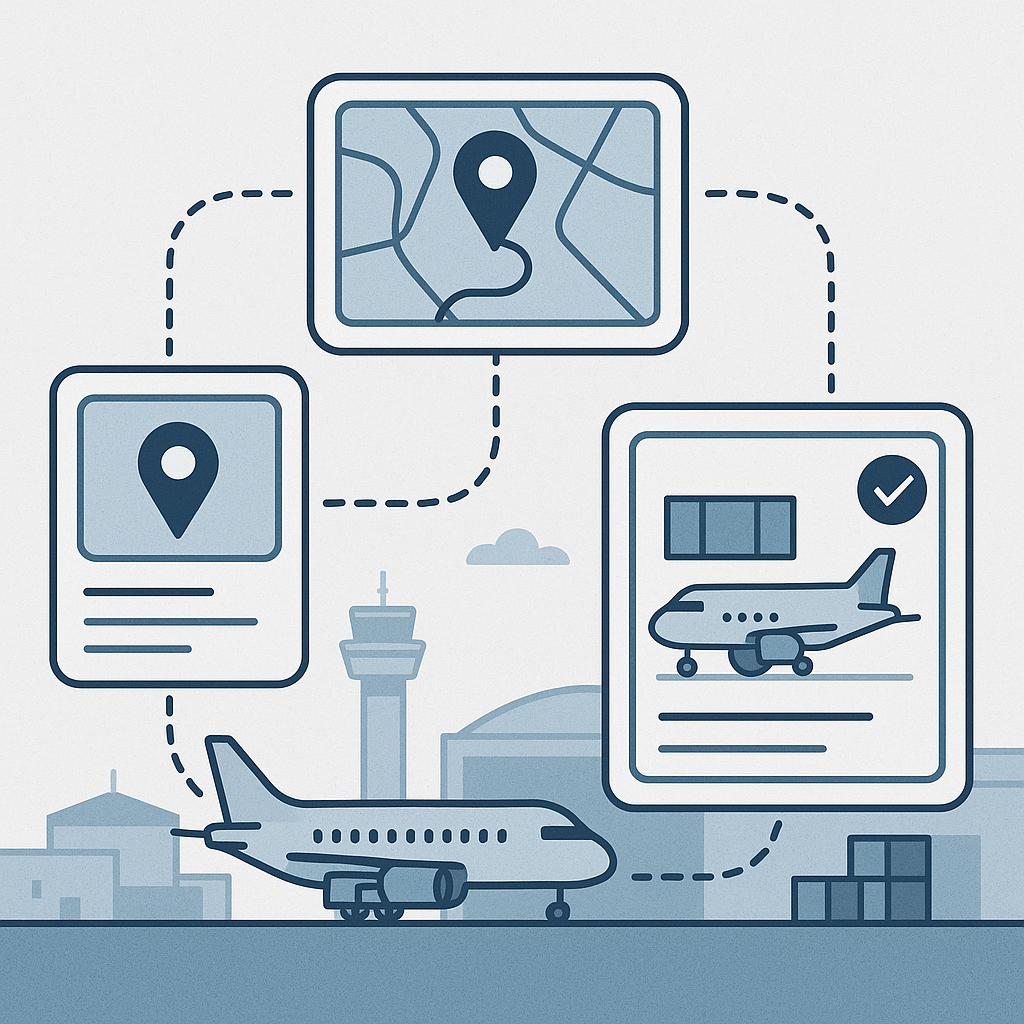
Modern air freight platforms centralize the entire shipping process into a single digital workflow. Instead of managing multiple forwarders and airlines separately, shippers interact with one interface that aggregates rates, capacity, schedules, and documentation.
The process typically begins with entering shipment details such as origin, destination, weight, dimensions, commodity type, and required delivery time. The platform then returns real-time pricing and service options across multiple carriers or forwarders. Once a shipper selects an option, capacity can be reserved instantly, avoiding delays caused by manual confirmations.
Documentation is generated digitally, including air waybills and customs paperwork, reducing errors that can cause clearance delays. After departure, shipments are tracked through automated milestone updates, giving shippers visibility into pickup, departure, arrival, customs clearance, and final delivery.
By standardizing these steps, air freight platforms reduce administrative effort, shorten booking cycles, and give shippers predictable execution even in tight capacity markets.
Why Air Freight Platforms Are Replacing Traditional Forwarding
Traditional air freight forwarding relied heavily on manual communication and opaque pricing. Shippers often waited hours or days for quotes, had limited visibility once shipments were in transit, and faced unexpected accessorial charges after delivery.
Digital air freight platforms address these issues directly. Real-time pricing eliminates information gaps. Automated booking reduces dependency on manual follow-ups. Integrated tracking replaces reactive status checks with proactive alerts.
Another key advantage is scalability. A shipper managing a handful of urgent shipments per month and an enterprise moving hundreds of air consignments weekly can use the same platform infrastructure without adding internal headcount. This scalability has made digital platforms especially attractive to small and mid-sized shippers who previously lacked leverage with traditional forwarders.

Leading Air Freight Platforms and Service Models in 2026
The air freight ecosystem in 2026 includes a mix of global logistics providers, airline-backed services, and digital-first platforms.
Large global forwarders continue to serve enterprise shippers with complex, high-volume networks and long-term contract pricing. These providers excel at managing multi-lane programs, regulated cargo, and integrated warehousing and customs operations.
At the same time, digital-first air freight platforms have grown rapidly by focusing on transparency, speed, and accessibility. These platforms aggregate capacity from multiple airlines and service providers, allowing shippers to compare options and book without lengthy negotiations.
Specialized air cargo operators remain critical for niche requirements such as oversized freight, temperature-controlled pharmaceuticals, and charter services. Many platforms now integrate these specialists alongside standard scheduled services, giving shippers more flexibility without increasing complexity.
Air Freight vs Sea Freight: Strategic Use in 2026
Choosing between air and sea freight is no longer a binary decision. Most mature supply chains use both strategically.
Sea freight remains the most cost-effective option for high-volume, non-urgent cargo. Air freight, however, provides unmatched speed and reliability when time, shelf life, or service commitments matter.
In 2026, many shippers adopt a hybrid strategy. Core volumes move by sea on predictable schedules, while air freight is used selectively for replenishment, launch support, disruption recovery, or premium customer commitments. Digital platforms make this approach easier by allowing shippers to evaluate trade-offs in cost, transit time, and risk in real time.
Key Features That Define Best-in-Class Air Freight Platforms
Not all air freight platforms deliver the same value. The most effective solutions share several core capabilities.
They provide transparent, real-time pricing rather than delayed or conditional quotes. They offer immediate capacity confirmation to reduce uncertainty. They integrate customs documentation and compliance workflows to prevent clearance delays.
Advanced tracking and proactive alerts allow shippers to manage exceptions before they escalate. For sensitive cargo, temperature and condition monitoring adds an additional layer of protection. Finally, strong data integration enables platforms to connect with existing ERP, TMS, or inventory systems, reducing manual work and improving accuracy.
How Digital Air Freight Platforms Reduce Cost and Risk
While air freight is inherently more expensive per kilogram than ocean freight, digital platforms help control total logistics cost. By eliminating intermediary markups, consolidating demand, and enabling dynamic pricing, platforms often deliver lower rates than traditional spot bookings.
Operational efficiency also reduces indirect costs. Faster booking cycles prevent missed cutoffs. Better visibility reduces customer service overhead. Accurate ETAs improve warehouse planning and downstream coordination.
Most importantly, digital platforms reduce risk. Early detection of delays, temperature excursions, or documentation issues allows shippers to intervene before service failures occur.
Conclusion
Air freight in 2026 is no longer defined solely by speed. It is defined by visibility, control, and intelligent decision-making. Digital air freight platforms have transformed how shippers access capacity, manage risk, and integrate air cargo into broader supply chain strategies.
The most successful shippers use air freight selectively and strategically, supported by platforms that provide transparent pricing, real-time tracking, and reliable execution across global networks. As supply chains continue to face disruption and volatility, modern air freight platforms are becoming essential tools for maintaining service levels, protecting revenue, and staying competitive in fast-moving markets.
Plan, book, and track time-critical air shipments with confidence using Truxweb’s digital freight marketplace built for modern shippers.
Frequently Asked Questions (FAQs)
What is air freight shipping?
Air freight shipping is the transportation of goods using cargo aircraft or the cargo holds of passenger planes, designed for fast and time-sensitive deliveries.
When should shippers use air freight instead of ocean freight?
Air freight is best for urgent shipments, high-value goods, perishable items, temperature-sensitive products, or when delays would disrupt operations or revenue.
How do digital air freight platforms work?
They allow shippers to compare real-time rates, book capacity instantly, generate shipping documents, and track shipments from pickup through delivery in one system.
Is air freight always more expensive than sea freight?
Per unit, yes, but air freight can lower total cost by reducing inventory holding, preventing stockouts, and avoiding production or sales delays.
Can small businesses use air freight platforms?
Yes. Modern digital platforms remove volume minimums and give small and mid-sized shippers access to competitive air cargo services.
How are air freight rates calculated?
Rates are based on chargeable weight, dimensions, route, service level, fuel surcharges, and current market demand.
What types of goods are commonly shipped by air?
Pharmaceuticals, electronics, fashion apparel, medical equipment, aerospace parts, perishables, and emergency replacement components.
How does air freight tracking work?
Tracking uses airline scans, GPS, and system integrations to provide shipment updates at key milestones such as departure, arrival, and delivery.
What documents are required for air freight shipping?
Typically an air waybill, commercial invoice, packing list, and any required customs or regulatory documentation.
How should shippers choose an air freight platform?
Evaluate pricing transparency, carrier coverage, tracking accuracy, customs support, system integrations, and customer service responsiveness.