


Introduction
Freight shipping platforms are changing how shippers, carriers, and dispatch teams move loads every day. This article explains, in operational detail, what a shipping platform does, how a freight marketplace operates, and what logistics teams must do to adopt these systems without disrupting live operations. If you manage a fleet, broker loads, or run a high volume freight operation, you will find concrete steps, checklists, and tool comparisons here to make decisions that work on the dock and on the road.
What is freight shipping platform?
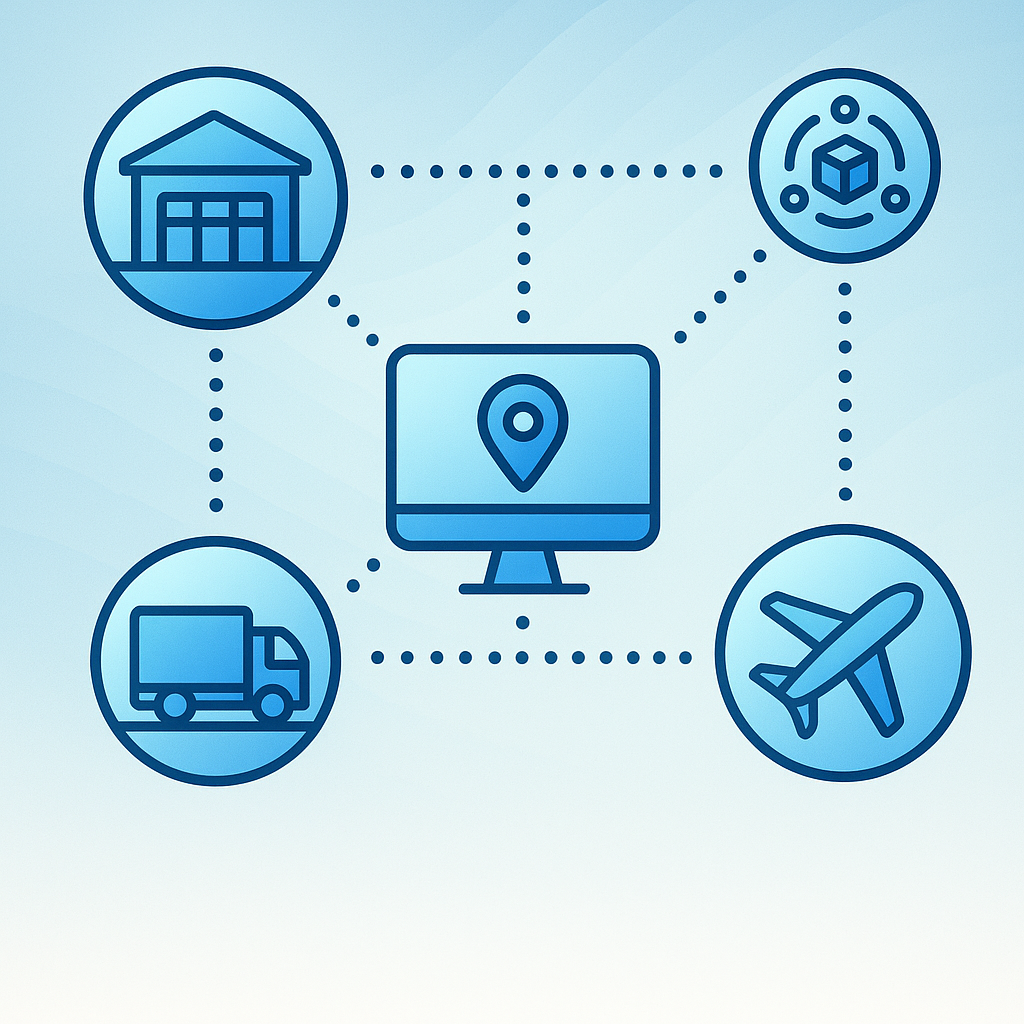
A freight shipping platform, sometimes called a digital freight network or freight marketplace, is a software system that connects cargo owners with carriers for quoting, booking, dispatch, tracking, and settlement. At the operational level the platform standardizes load data, automates matching, and provides end to end visibility so teams can book loads, assign trucks, and measure performance without manual spreadsheets. Modern platforms combine a freight booking platform experience for shippers with a carrier marketplace online for carriers, plus integrated tools for routing and compliance.
How does digital logistics work?
Understanding digital logistics marketplace workflows helps teams translate digitization into daily tasks. A typical flow starts when a shipper posts a load, the platform runs a matching algorithm, carriers submit bids or accept offers, and the system generates a booking, dispatch documents, and tracking milestones. The platform mediates communications, records proof of delivery, and issues settlement instructions. This reduces phone tag and lost email threads, enabling higher load turn rates and lower empty miles.
Core features of modern freight shipping platforms
Operational teams should evaluate platforms by the specific features that reduce manual work and speed execution. The most impactful features are those that plug into existing TMS, accounting, and telematics tools, while preserving control over routing and carrier selection. Below is a practical list of core capabilities your team should require from any shipping platform.
- Automated carrier load matching using capacity, equipment type, and lane preferences
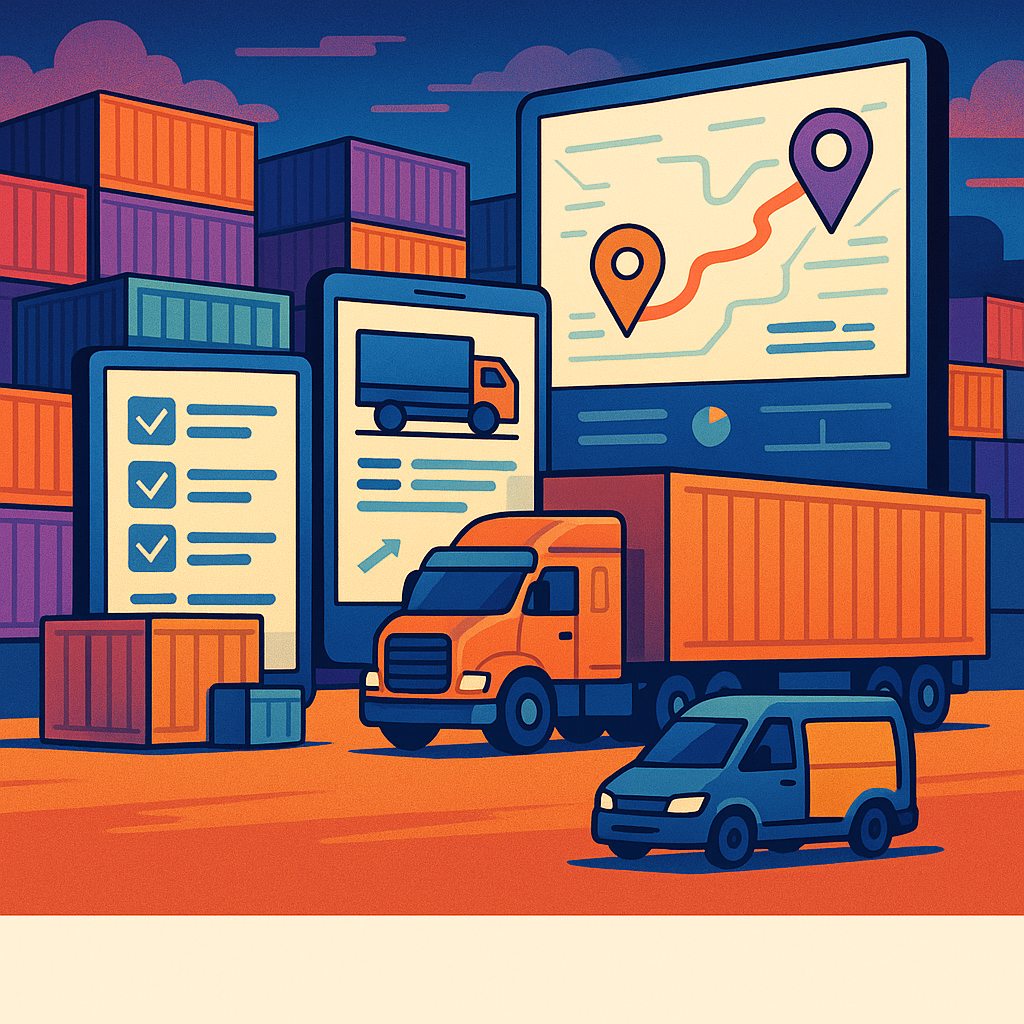
- Integrated real time shipment tracking with geofencing and status updates
- Instant online quoting and booking via a freight booking platform
- Dispatch and document management, including ePOD and digital BOL
- Carrier onboarding and compliance checks, including insurance and safety records
- Reporting and KPIs tied to cost per mile, dwell time, and on time performance
Each feature reduces a specific operational friction, from long payment cycles to inaccurate ETAs. Platforms that also provide an open shipper carrier network and a reliable shipping load board increase fill rates without adding procurement overhead.
How to book freight online
Booking freight online is a step by step process when handled through a mature freight marketplace. First, the shipper or broker posts accurate load attributes. Second, the platform returns carrier matches or instant rates. Third, the shipper confirms a carrier and issues a digital booking. Fourth, the carrier receives an automated dispatch with required documents. Fifth, the shipment moves with live telemetry feeding back into the platform. Operational controls are critical at each step to prevent mis-allocations and to protect margins.
To operationalize online booking in your organization, create standard load templates, define automated acceptance criteria, and set escalation rules for exceptions. Add a short pilot across a lane where you have predictable volume, and measure fill times and claims before scaling to all lanes.
Can carriers find loads online?
Yes, carriers find loads online through carrier marketplace online features and load board shipping services embedded in platforms. Carriers can configure preferences, receive targeted offers, and submit bids using mobile apps. A properly implemented digital channel reduces deadhead, improves utilization, and increases lane predictability for smaller fleets.
Carriers should keep compliance documents up to date, set realistic dwell windows, and use the platform's feedback loop to rate lanes and customers. Doing so increases match quality and raises acceptance rates from brokers and shippers.
Scalability & enterprise features
How scalable logistics platforms help
Scalable platforms matter when your operation grows from a handful of lanes to dozens of regional or cross border corridors. Scalable systems provide automated workflows for onboarding, multi currency and multi region settlement, and configurable business rules so you do not need custom engineering for each new market. Platforms designed for scale also support integration with EDI, APIs, and telematics endpoints to keep data synchronized across TMS and accounting systems.
Below is a checklist of scale-oriented capabilities to prioritize when evaluating a system for expanding operations.
- API driven integrations for freight management system synchronization
- Multi modal and cross border support for international logistics marketplace requirements
- Automated invoicing and settlement, with support for factoring or quick pay
- Role based access and multi tenant controls for large operations
- Scalable search and matching engines to maintain performance at volume
- Localized compliance and tax handling for cross border trucking software needs
When these capabilities are present, operational teams can expand lanes without proportionally increasing administrative headcount.
Choosing the right platform
Choosing the right shipping platform
Selection is about operational fit, not feature count. Begin by defining which parts of your workflow must remain in-house, and which you are willing to let the platform automate. Consider integration work: platforms that provide prebuilt connectors to your truck dispatch software or freight management system will shorten time to value. Also validate the platform's carrier base to ensure they serve your lanes, whether you operate in a global freight shipping market or regional corridors.
Performance and SLA terms should reflect your service model. For example, if you promise customers real time shipment tracking, ensure the platform supports the telematics vendors you use. If you run a marketplace model, gauge onboarding speed for carriers, and check dispute resolution workflows.
Platforms like truxweb shipping platform illustrate the category, but you must compare them to incumbent providers on live metrics, such as average time to match and claims per thousand loads. Run pilots that measure both operational KPIs and human factors like dispatcher time saved.
Operational checklist for deploying a freight marketplace
Deploying a freight platform requires project work on people, processes, and systems. Use the checklist below to reduce deployment risk and align stakeholders across procurement, ops, and compliance.
- Map existing workflows and identify 3 priority lanes for the pilot
- Define data contracts for load posting, booking confirmations, and tracking events
- Onboard a set of vetted carriers with verified insurance and safety records
- Set KPIs, success criteria, and a 30, 60, 90 day measurement plan
- Integrate with one telematics provider to validate real time shipment tracking and ETAs
- Create an escalation and exception handling protocol for missed pickups and claims
After the pilot, review margins, detention costs, and DSO impact. If the pilot meets targets, scale add lanes and progressively automate acceptance rules to increase throughput without adding staff.
Choosing between load boards, brokers, and integrated platforms
Operational teams often ask whether to use a public load board for shipping, a broker relationship, or an integrated digital logistics marketplace. The answer depends on control needs. Load boards give fast access to capacity, but require manual selection and higher oversight. Brokers provide managed service at a premium. Integrated platforms combine automated matching with performance data so you can scale procurement while retaining control and visibility.
For high volume freight shipping, platforms reduce cycle time and provide measurable cost per mile improvements. Many organizations adopt a hybrid approach, using load boards for spot needs and platforms for recurring, predictable flows.
Conclusion
Adopting a freight shipping platform is an operational shift, not simply an IT project. The right platform will shorten booking cycles, improve fleet utilization, and provide scalable controls for expansion across regions and lanes. Run controlled pilots, require integration to key systems like your freight management system, and use real operating metrics to compare providers. Remember to evaluate the carrier network quality, not just technical features. Platforms that align with your operational model, whether brokered or direct carrier contracting, will deliver the most tangible benefits.
Frequently Asked Questions (FAQs)
What is freight shipping platform?
A freight shipping platform is a software solution that connects shippers and carriers to enable quoting, booking, dispatch, tracking, and settlement of loads. It standardizes data and automates matching to reduce manual work.
How does digital logistics work?
Digital logistics marketplace systems ingest load data, match carriers, facilitate bookings, and stream tracking events to stakeholders so teams can manage shipments with fewer emails and calls.
What is the best shipping marketplace for shippers?
The best choice depends on your lanes, volume, and required integrations; evaluate platforms by match rates, carrier quality, and API connectivity to your freight management system.
How to book freight online?
Post a load with standardized attributes, compare instant offers or accept matched carriers, then confirm a booking and dispatch via the platform, which issues digital documents and tracking links.
What is shipper carrier matching?
Shipper carrier matching is the process where platforms use rules and algorithms to pair loads with carriers based on capacity, equipment, and historical performance.
How real time shipment tracking works?
Platforms integrate telematics or mobile apps to capture GPS and status events, converting them into ETA updates and geofenced milestones visible to shippers and carriers.
Can carriers find loads online?
Yes, carriers use mobile interfaces and load boards inside platforms to receive targeted offers, submit bids, and accept dispatches, improving utilization and reducing empty miles.
Is Truxweb good for shipping?
Truxweb and similar providers offer marketplace features, but you should validate any vendor against operational metrics like match time, acceptance rate, and claims per thousand loads.
Why use logistics marketplace?
Using a logistics marketplace reduces manual procurement work, increases transparency, and scales carrier access without proportionally increasing headcount or phone traffic.
How to manage trucking fleet?
Integrate your fleet into the platform, maintain clean compliance records, use telematics for precise ETAs, and apply automated dispatch workflows to shorten load dwell and increase trip cycles.