
Quick Answer
The best LTL freight platforms for 2026 combine a wide vetted carrier network, instant multi-carrier quotes, and transparent no-broker pricing. Direct-to-carrier marketplaces like Truxweb cut the markups that inflate traditional freight costs, while still giving Quebec and Ontario shippers real-time tracking and dedicated support on every shipment.
Introduction
In the fast-paced world of logistics, shippers in 2026 need more than just a transportation company. They need intelligent, integrated solutions that act as a central nervous system for their supply chain. The best LTL (Less Than Truckload) freight platforms have evolved beyond simple booking tools. They now connect shippers with vast carrier networks to manage cargo seamlessly.
These digital freight platforms move past traditional brokerage by offering real-time tracking, instant quotes, and scalable workflows. For high-volume operations, these tools are indispensable. They aggregate leading LTL companies into a single shipper-carrier network, allowing businesses to move domestic or international freight with unprecedented agility.
Truxweb exemplifies this modern approach. By offering a digital marketplace where carrier matching is automated and booking is instantaneous, it turns logistical hurdles into a competitive advantage.
What Exactly is LTL Freight?
LTL freight is a shipping model designed for partial loads that do not require an entire trailer. This method is ideal for shipments weighing between 150 and 15,000 pounds. You can significantly reduce costs by sharing truck space with other businesses
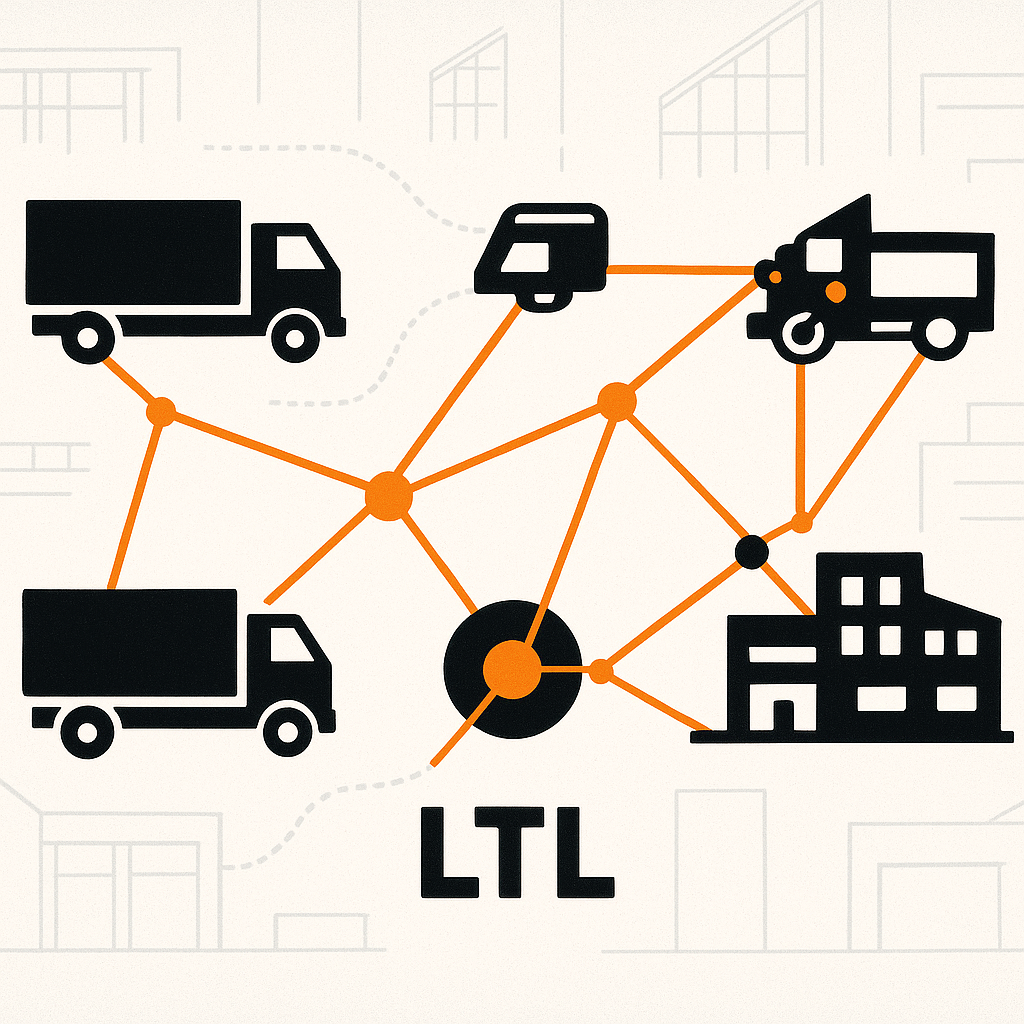
Unlike full truckload shipping, which dedicates a whole trailer to one client, LTL involves consolidating multiple shipments at regional terminals. In 2026, this "hub-and-spoke" system is powered by advanced AI and real-time data. This ensures that even small distributors can access nationwide coverage without overpaying for unused space.
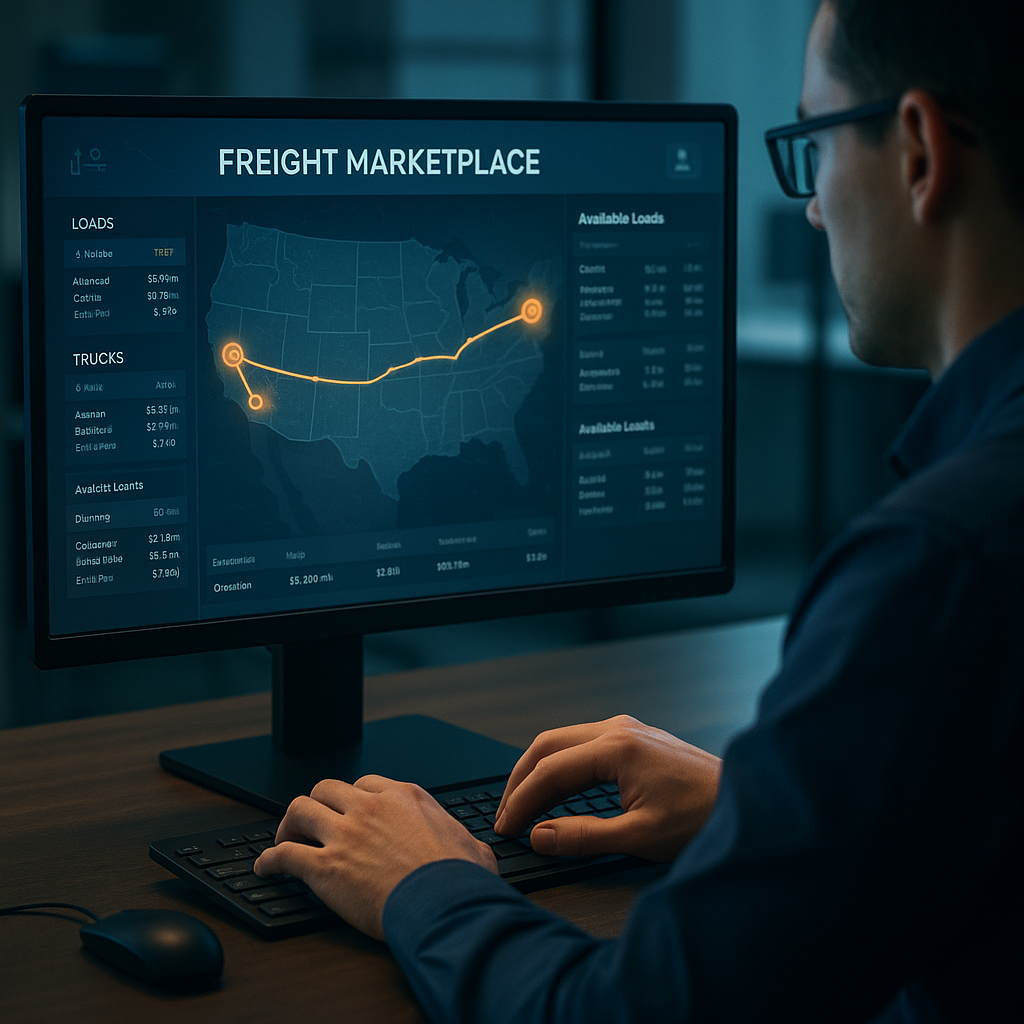
The process begins with load tendering. Shippers enter their weight, dimensions, and freight class into a platform like Truxweb to generate an instant quote. According to Transport Canada’s latest supply chain plans, digitalization is now a federal priority to ensure efficiency. Once booked, the journey follows a structured path:
Pickup: The carrier collects the palletized goods.
Line-haul: The cargo moves between regional hubs.
Final Delivery: The goods reach the destination, often using specialized services like liftgates.
Digital marketplaces simplify this multi-stage journey. They automate the matching process and provide a single dashboard for tracking and proof-of-delivery (POD). This integration transforms a fragmented process into a cohesive, scalable operation.
Top LTL Carriers to Watch in 2026
The best carriers today are those that blend service quality with technological innovation. Here is how the top players stack up:
Old Dominion Freight Line: Consistently ranks at the top for its 99% on-time performance and industry-leading claims ratio.
FedEx Freight: The leader in volume and national reach, offering extensive coverage and intermodal synergies.
XPO Logistics: Known for its technological prowess, using AI-driven routing that integrates perfectly with modern TMS platforms.
Regional Powerhouses: Companies like Estes Express Lines and Saia Inc. offer competitive pricing and specialized long-haul transit times in specific corridors.
Using a platform like Truxweb allows you to access these elite carriers without the need for individual direct contracts.
Why Shippers are Switching to Digital Platforms
Using a digital freight marketplace democratizes access to the shipping industry. It reduces the reliance on manual phone calls or endless email chains, which cuts administrative costs and speeds up the booking cycle.
The core advantages include:
Centralized Management: Gain visibility into carrier performance and automated documentation in one place.
Real-Time Tracking: Use GPS and API integrations to proactively manage delays. A feature essential for modern logistics.
Cost Savings: Users often see a 20% to 40% reduction in costs compared to traditional brokers who take high margins.
Is LTL Cheaper Than Truckload?
For shipments under 15,000 pounds, LTL is almost always the more cost-effective choice. The fundamental economic benefit lies in consolidation. Because you only pay for the portion of the truck you use, your overhead stays low.
While full truckload (FTL) is faster because it travels directly from point A to point B, LTL offers the flexibility that modern, "just-in-time" inventory models require. Platforms like Truxweb allow you to compare both modes in real time to see which fits your current budget and timeline.
The Truxweb Advantage
Truxweb revolutionizes the experience by providing direct access to top-tier carriers through a unified interface. Its strength lies in automation. By connecting loads with the best available capacity and rates, it eliminates operational silos and helps businesses manage 3PL logistics benefits effectively.
Key benefits for 2026 shippers include:
Instant Quotes: Get rates from vetted companies across the U.S., Canada, and Mexico.
Hybrid Strategy: Manage both LTL and full truckload shipments within a single workflow.
Predictive Analytics: AI-driven tools help predict transit times and minimize extra fees.
Compliance Tools: Built-in support for customs documentation and hazmat requirements.
Conclusion
In 2026, the right freight platform is a strategic partner. Whether you are prioritizing the reliability of Old Dominion or the tech-forward marketplace of Truxweb, the goal remains the same: building a resilient, cost-effective logistics operation. By leveraging real-time data and automated booking, you can focus on growing your business while the platform handles the heavy lifting.
Ready to Simplify Your LTL Shipping with Truxweb?
Stop losing time to endless email chains and manual rate hunting. Whether you are moving a single pallet or managing a complex supply chain, Truxweb connects you directly with the industry’s top-rated carriers in seconds. Sign up for free today to access instant quotes, real-time tracking, and a streamlined marketplace that puts you back in control.
Frequently Asked Questions (FAQs)
What is LTL shipping and is it right for my business?
LTL (Less-than-Truckload) shipping is designed for cargo that is too large for parcel delivery but doesn't require an entire 53-foot trailer. If your shipment weighs between 150 and 15,000 pounds, LTL allows you to share truck space with other shippers, significantly lowering your costs.
How does Truxweb help me save money on freight?
Truxweb removes the middleman by connecting you directly to a marketplace of carriers. This direct access typically reduces shipping costs by 20% to 40% because you avoid the high markups often charged by traditional freight brokers.
Which carriers are available on the Truxweb platform?
We offer access to a vetted network of premier national and regional carriers, including industry leaders like Old Dominion, FedEx Freight, and XPO. We maintain strict quality control, and only carriers with a 95% or higher service rating remain on our platform.
Can I get a quote without calling a representative?
Yes. Our platform provides instant quoting. You simply enter your shipment details (origin, destination, weight, and dimensions) to see live rates and transit times from hundreds of carriers side-by-side.
How do I track my shipment once it is on the road?
Every booking includes real-time tracking via our 360-degree dashboard. You will receive automated status updates from dispatch through to final delivery, ensuring you always have a precise ETA.
Does Truxweb handle international or cross-border shipping?
Absolutely. We support LTL shipping within Canada and the United States, as well as cross-border movements. Our platform also includes tools to help manage the necessary customs documentation.
What is a Bill of Lading (BOL), and do I have to create it?
A Bill of Lading is a legal document that serves as a receipt and a contract for your shipment. Truxweb automates this process by generating a digital BOL for you as soon as you confirm your booking.
Are there hidden fees for things like residential delivery?
No. All potential "accessorial" fees (such as liftgate requirements, residential delivery, or appointments) are calculated during the quoting process. You will see a transparent breakdown of all costs before you click book.
What happens if my shipment is damaged?
While our carriers are vetted for safety, accidents can happen. Truxweb facilitates communication with the carrier’s claims department and offers integrated cargo insurance options for added peace of mind.
Is there a monthly subscription fee to use the platform?
No. Truxweb is free to join. There are no monthly contracts or hidden subscription fees. You only pay for the shipments you book, making it a scalable solution for businesses of any size.
About the Author
Sarah Bennett is a Cross-Border Trade & Customs Specialist focused on freight compliance, customs clearance, and Canada-U.S. shipping workflows. Her analysis emphasizes practical documentation controls and cost visibility for businesses moving freight between Quebec, Ontario, and U.S. markets.

 10 min read