

Introduction
For small and medium-sized businesses in Canada, figuring out how to move freight efficiently without overpaying can feel like navigating a maze. If your shipment doesn't fill an entire truck, you're likely looking at less -than-truckload shipping as your most practical option. LTL shipping allows businesses to share trailer space with other shippers, paying only for the portion of the truck their goods occupy. This approach makes freight accessible and affordable for companies that need to move anywhere from one pallet to eight, without the expense of booking a full truckload.
This guide walks through everything you need to know about LTL freight, from how it works and what it costs, to when it makes sense compared to full truckload options. Whether you're shipping locally within Ontario or Quebec, or coordinating deliveries across provinces, understanding the fundamentals of LTL freight carriers and booking methods will help you make smarter decisions and avoid common pitfalls.

What Is LTL Shipping and How Does It Work?
LTL shipping is a freight transportation method designed for shipments that occupy less space than a full truck trailer. Instead of using a full truck, carriers combine shipments from multiple businesses into one load. Each shipper pays based on the space and weight their freight requires, making it a cost-effective solution for smaller shipments.
How LTL Freight Moves Through the Network
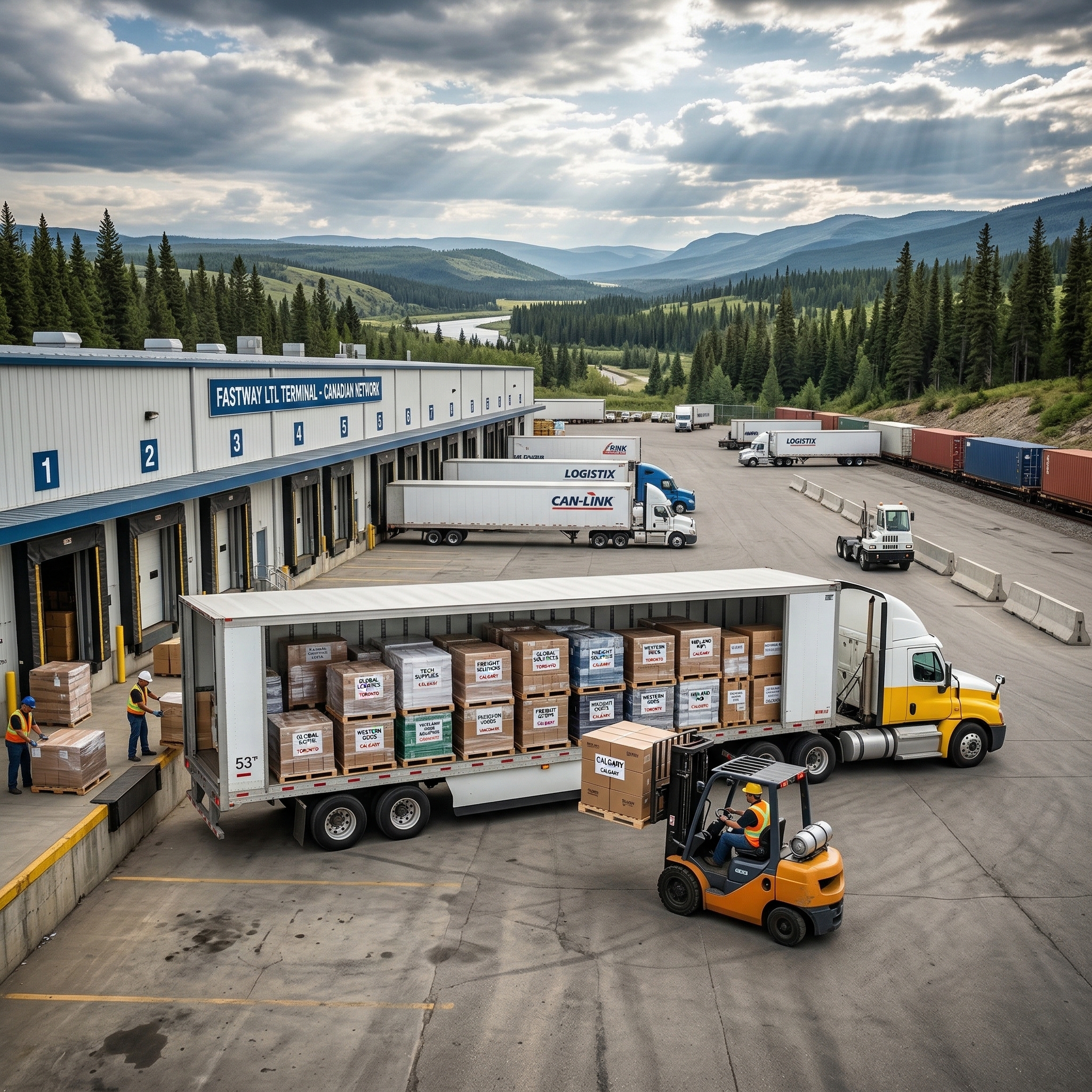
When you book an LTL shipment, your freight typically moves through a hub-and-spoke network. A carrier picks up your pallets from your location and transports them to a regional terminal. At the terminal, your freight is sorted and consolidated with other shipments heading in the same direction. It may move between terminals multiple times before reaching the final destination. This process allows carriers to maximize trailer capacity and keep costs down, but it also means your shipment may take longer to arrive compared to direct truckload service.
When LTL Shipping Makes Sense
LTL is the right choice when your shipment falls between parcel carrier limits and full truckload volumes. If you're moving one to eight pallets, LTL offers the best balance of cost and service. It's also practical for businesses with inconsistent shipping volumes or those that don't have enough freight to justify booking an entire truck. For operations in high-traffic areas like Toronto lanes or Montreal freight corridors, LTL networks are well-established and reliable.
How LTL Shipping Costs Are Calculated
Choosing between less-than-truckload and full truckload shipping comes down to volume, urgency, and budget. Both methods serve distinct needs, and understanding when to use each will save you time and money.
Key Differences Between LTL and FTL
Full truckload shipping dedicates an entire trailer to a single shipper. Your freight moves directly from pickup to delivery with no stops or transfers. This makes FTL faster and reduces the risk of handling damage. However, you pay for the entire truck whether you fill it or not. LTL vs FTL shipping becomes a decision of volume versus speed. If you have enough freight to fill most of a trailer, FTL is often more economical. If your shipment occupies only a few pallet positions, LTL is the smarter option.
Cost and Transit Time Trade-Offs
LTL shipping costs less per shipment when you're not filling a truck, but transit times are longer due to terminal stops and consolidation. FTL offers faster delivery and fewer touchpoints, but at a premium price. For businesses shipping regularly within the same province, such as LTL shipping Ontario routes, transit times are predictable and service is competitive. The right choice depends on whether your priority is cost savings or delivery speed.
Understanding how carriers price LTL shipments helps you anticipate costs and identify opportunities to save. Unlike parcel shipping, which typically relies on dimensional weight, LTL pricing considers multiple factors that reflect the complexity of moving consolidated freight.
Factors That Influence LTL Rates
Carriers calculate LTL rates based on a combination of weight, dimensions, freight class, distance, and accessorial charges. Each of these variables plays a role in determining the final cost:
How to Get LTL Shipping Quotes Fast
Traditional freight booking involves contacting multiple carriers individually and waiting hours or days for responses. Modern digital platforms have streamlined this process. Businesses can now send a single request to multiple LTL freight carriers and receive competitive quotes within minutes. This approach speeds up the quoting process but also ensures you're comparing rates across trusted carriers without the back-and-forth of phone calls and email chains. Platforms like Truxweb allow businesses to compare rates, transit times, and carrier ratings in one place, making it easier to choose the best option for each shipment.
Choosing the Right LTL Carrier for Your Business
Not all shipping companies offer the same level of service, and selecting the right carrier can make the difference between on-time delivery and missed commitments. Evaluating carriers based on performance, coverage, and reliability is essential.
What to Look for in an LTL Carrier
When comparing the best LTL carriers Canada has to offer, focus on these criteria. Start with service area. Confirm the carrier operates in the regions you ship to most frequently. Next, assess transit times. Some carriers prioritize speed, while others focus on cost. Look for carriers that offer transparent tracking and communication. Real-time updates and direct access to dispatch teams reduce uncertainty. Finally, check ratings and reviews. Customer satisfaction scores and on-time delivery rates show how consistently a carrier performs.
Regional vs National Carriers
Regional providers often offer faster service faster service and more personalized support within their coverage zones. They know local delivery constraints and can navigate urban congestion or rural areas more efficiently. National carriers provide broader reach, which is useful if you ship coast to coast. However, their service quality can vary by region. For businesses operating primarily in Quebec and Ontario, regional carriers with strong local networks may deliver better results than national providers routing freight through distant hubs.
How to Reduce Freight Shipping Costs
Cost optimization starts with accurate quoting. Always provide precise weight, dimensions, and freight class information to avoid reclassification fees. Consolidate shipments when possible to increase density and lower per-pallet costs. Avoid unnecessary accessorials by ensuring your shipping and receiving locations can handle standard dock-to-dock service. If you ship frequently on the same lanes, negotiate volume discounts or contract rates with carriers. Finally, use a platform that aggregates multiple carriers to ensure you're always booking at competitive rates without the need for individual negotiations.
The way businesses book freight has evolved significantly in recent years. Understanding the differences between traditional brokerage models and digital marketplaces helps you choose the method that saves time and money.
Traditional Freight Booking Challenges
Historically, booking LTL freight meant calling or emailing multiple carriers, waiting for quotes, manually comparing rates, and coordinating pickup schedules through phone tag. This process is slow, opaque, and prone to miscommunication. Brokers often add margin on top of carrier rates, inflating costs without adding operational value. For small and medium-sized businesses, this approach consumes hours of administrative time and limits visibility into what carriers are actually charging.
How Digital Platforms Streamline the Process
Modern freight marketplaces replace the inefficiencies of traditional booking with instant quote comparisons, transparent pricing, and centralized communication. Businesses can request quotes from multiple carriers simultaneously, compare rates side by side, and confirm bookings in minutes. These platforms reduce costs by connecting shippers directly to carriers. They also provide real-time tracking, automated notifications, and in-platform messaging so you never need to leave the system to manage a shipment. For freight shipping for SMBs, this shift from manual coordination to digital automation represents a meaningful improvement in both cost and operational efficiency.
Even experienced shippers make mistakes that lead to delays, unexpected fees, or damaged freight. Recognizing these pitfalls and knowing how to prevent them protects your operations and your budget.
Incorrect Freight Classification
One of the most common errors is misclassifying freight. If your declared class is lower than what the carrier determines upon inspection, you'll be charged the difference plus a reclassification fee. To avoid this, measure and weigh your freight accurately. Use the National Motor Freight Classification guidelines or consult with your carrier to confirm the correct class before booking. For pallet shipments, always account for the total dimensions, including any overhang or stacking height.
Inadequate Packaging and Palletization
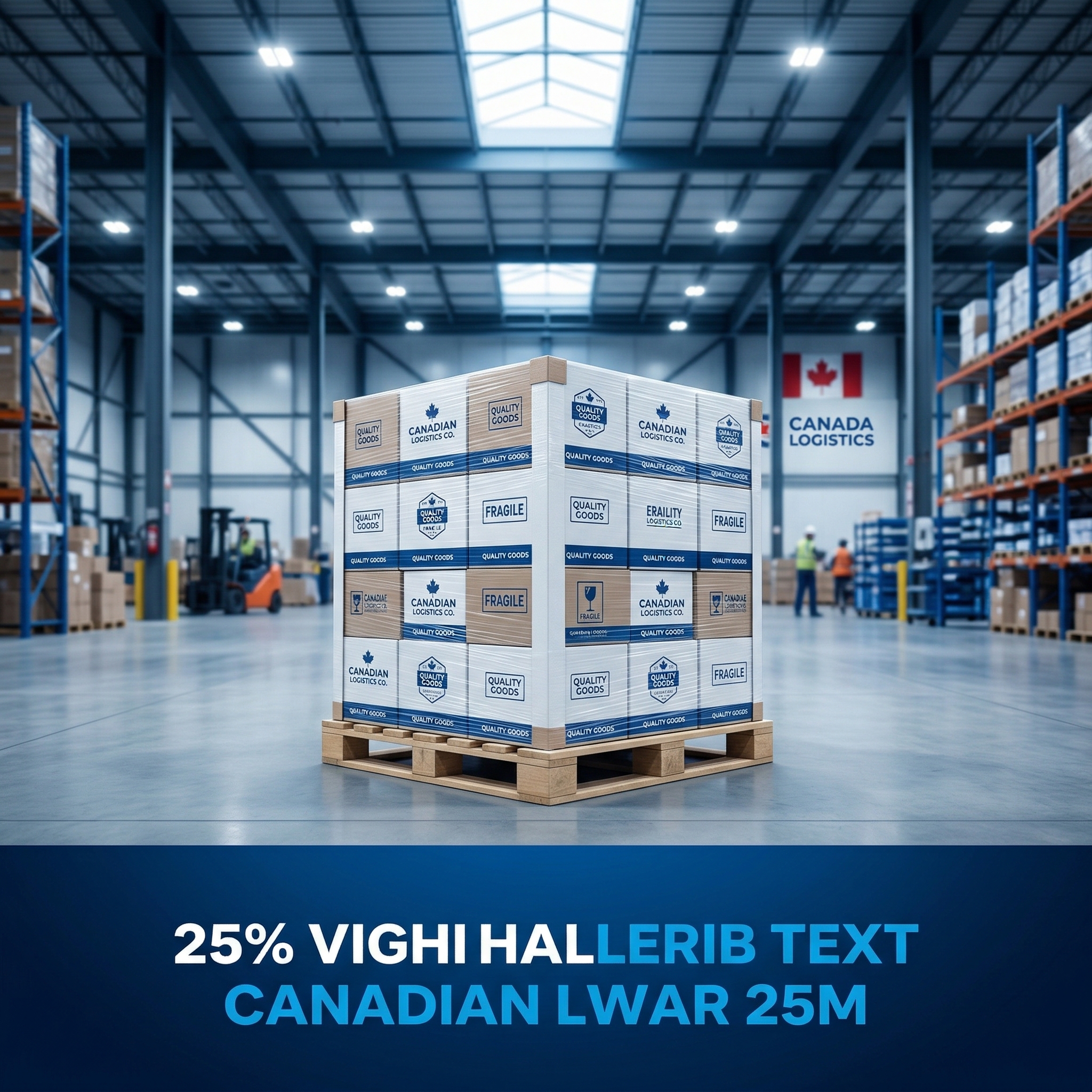
LTL shipments are handled multiple times as they move through terminals. Poorly packaged freight is more likely to shift, tip, or sustain damage. Always use sturdy pallets, shrink wrap or banding to secure items, and corner protectors for fragile goods. Stack cartons evenly and avoid overhanging edges that can catch during loading and unloading. If your freight is particularly fragile or valuable, consider upgrading to a carrier with lower handling ratios or specialized equipment.
Ignoring Accessorial Charges
Accessorial fees can quickly inflate the cost of a shipment if you don't plan for them. Common charges include liftgate service, inside delivery, residential pickup or delivery, and notification fees. Review your pickup and delivery locations before booking. If either site lacks a loading dock, you'll need liftgate service. If the destination is a home or non-commercial address, expect a residential delivery fee. Being upfront about these requirements when requesting quotes ensures you receive accurate pricing from the start.
Conclusion
LTL shipping offers Canadian businesses a practical, cost-effective way to move freight when full truckload volumes aren't necessary. By understanding how LTL works, what drives pricing, and how to evaluate carriers, you can make informed decisions that save time and money. Whether you're shipping locally within Ontario, coordinating deliveries across Quebec, or managing freight nationwide, the fundamentals remain the same: accurate quoting, reliable carriers, and efficient booking processes are the foundation of successful logistics. As digital platforms replace manual workflows, businesses that adopt transparent, streamlined tools will gain a competitive advantage in speed, cost, and operational clarity.
Looking to simplify your LTL shipping and compare rates instantly? Explore Truxweb's freight marketplace to connect with top-rated carriers and book smarter shipments in minutes.
Frequently Asked Questions (FAQs)
What is LTL shipping?
LTL shipping is a freight transportation method where multiple shippers share space on a single truck trailer, paying only for the portion their cargo occupies.
How does LTL freight work?
Carriers pick up shipments from multiple businesses, consolidate them at regional terminals, and deliver them to their final destinations through a hub-and-spoke network.
How much does LTL shipping cost?
Costs vary based on weight, dimensions, freight class, distance, and accessorial services, with typical rates ranging from a few hundred to several thousand dollars per shipment.
Which is the best LTL shipping company in Canada?
The best carrier depends on your specific needs, including service area, transit times, and pricing, so comparing multiple carriers for each shipment is recommended.
How to ship pallets affordably?
Use accurate freight classification, consolidate shipments to increase density, avoid unnecessary accessorials, and compare rates across multiple carriers before booking.
What does LTL stand for in shipping?
LTL stands for less than truckload, referring to shipments that occupy only part of a trailer rather than requiring an entire truck.
Is LTL shipping cheaper than FTL?
LTL is typically cheaper for smaller shipments, while FTL becomes more cost-effective when your freight fills most or all of a trailer.
How to book LTL freight online?
Use a digital freight platform to request quotes from multiple carriers, compare rates and transit times, and confirm bookings with a single click.
How to reduce freight shipping costs?
Provide accurate shipment details, avoid accessorial charges when possible, consolidate shipments, and compare rates across multiple carriers to secure competitive pricing.
How to choose the best LTL carrier?
Evaluate carriers based on service area, transit times, customer satisfaction ratings, tracking capabilities, and pricing transparency to find the best fit for your needs.