LTL for Packaging and Printing Companies: Shipping to Customers
A practical guide to LTL shipping for packaging and printing companies, covering carrier selection, cost factors, and tips to ship pallets with confidence.
By Max Gravel · 7 min read ·

Quick Answer#
LTL shipping is a practical fit for packaging and printing companies moving several pallets of finished cartons, labels, paper stock, displays, or supplies without enough volume for a dedicated trailer. Accurate pallet details, correct freight classification, secure packaging, and direct comparison of carrier options help protect delivery commitments while controlling freight spend.
Introduction#
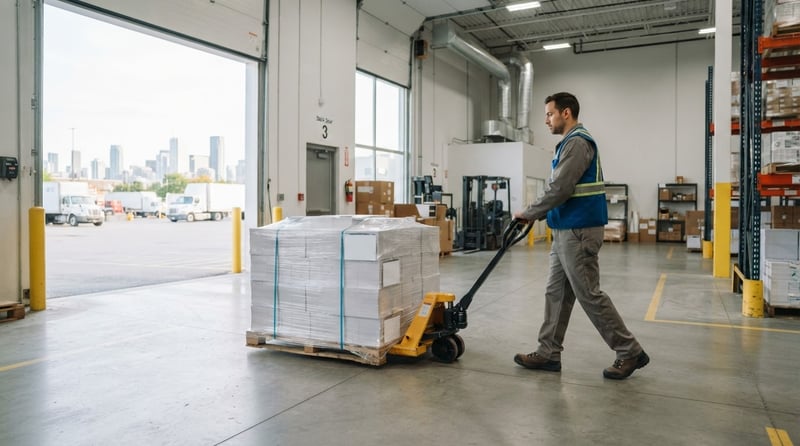
For packaging and printing firms, LTL shipping works when freight is too large or heavy for parcel networks but does not fill an entire truck. A shipment may include dense paper products, fragile printed pieces, bulky corrugated materials, or oddly sized point-of-purchase displays, all of which require clear handling instructions and dependable pickup coordination. Shipping errors can quickly become production delays, missed retail appointments, damaged inventory, or customer disputes. The real operational risk is not simply the freight charge, but losing control of what happens after a pallet leaves the dock.
Key Takeaways:
LTL lets shippers share trailer space without paying for a full truck.
Accurate dimensions and freight class prevent avoidable billing adjustments.
Secure palletization reduces damage during terminal handling and linehaul transfers.

LTL Shipping for Packaging and Printing Freight#
LTL freight combines shipments from multiple businesses on one trailer, making it suitable for packaging and printing companies sending one to eight pallets to customers, converters, distributors, or retail locations. Unlike a dedicated truck, shared-capacity freight shipping requires terminal transfers and repeated handling, so the shipment must be built for movement beyond the originating dock. For manufacturers shipping by LTL, the same discipline applies: shipment data must match the physical freight before pickup is booked.
Which printing and packaging loads need extra care?#
Paper rolls, coated stock, printed cartons, rigid displays, and film-based materials can be dense, crush-sensitive, moisture-sensitive, or difficult to stack. Freight class reflects characteristics such as density, handling, stowability, and liability, and the freight classification standards used in pallet shipping make accurate descriptions essential for reliable quoting.
Paper stock: Prevent moisture exposure and edge damage.
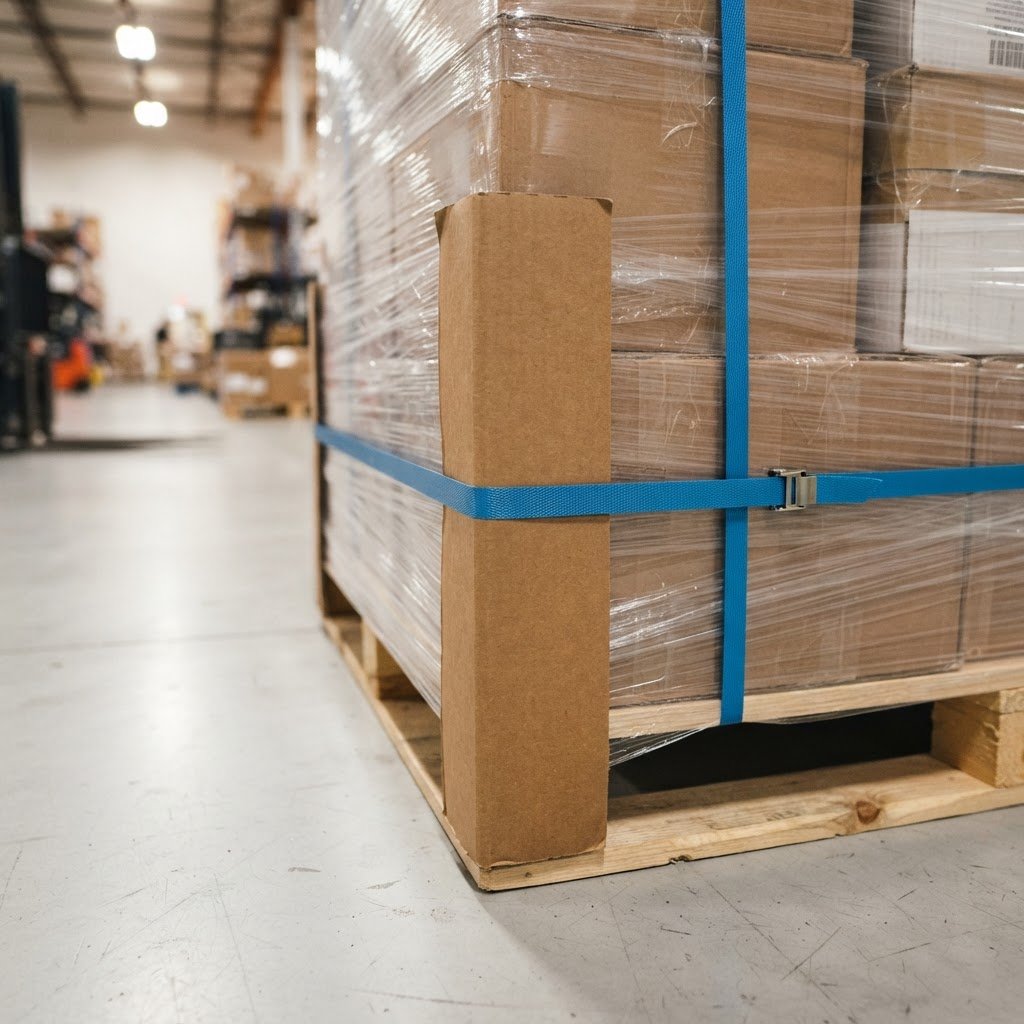
Printed cartons: Use corner protection against compression.
Display units: Mark non-stackable freight when applicable.
Film and labels: Stabilize rolls to prevent shifting.
Mixed pallets: Keep weight low and evenly distributed.
How to prepare pallets before requesting quotes#
Start with a scale weight, outside pallet dimensions, pallet count, pickup and delivery postal codes, and an exact commodity description. Include whether the consignee needs an appointment, liftgate, limited-access service, or other accessorial handling. Review dimensional weight calculations before quoting bulky display kits or low-density protective packaging, because their cubic space can materially affect the carrier's rating basis.
For cross-border business-to-business freight, attach commercial documents early and match product descriptions across the bill of lading, invoice, and customs paperwork. A documented packaging requirements checklist helps prevent last-minute questions when freight moves between Canada and the United States.
Compare LTL Freight Quotes Before You Book#
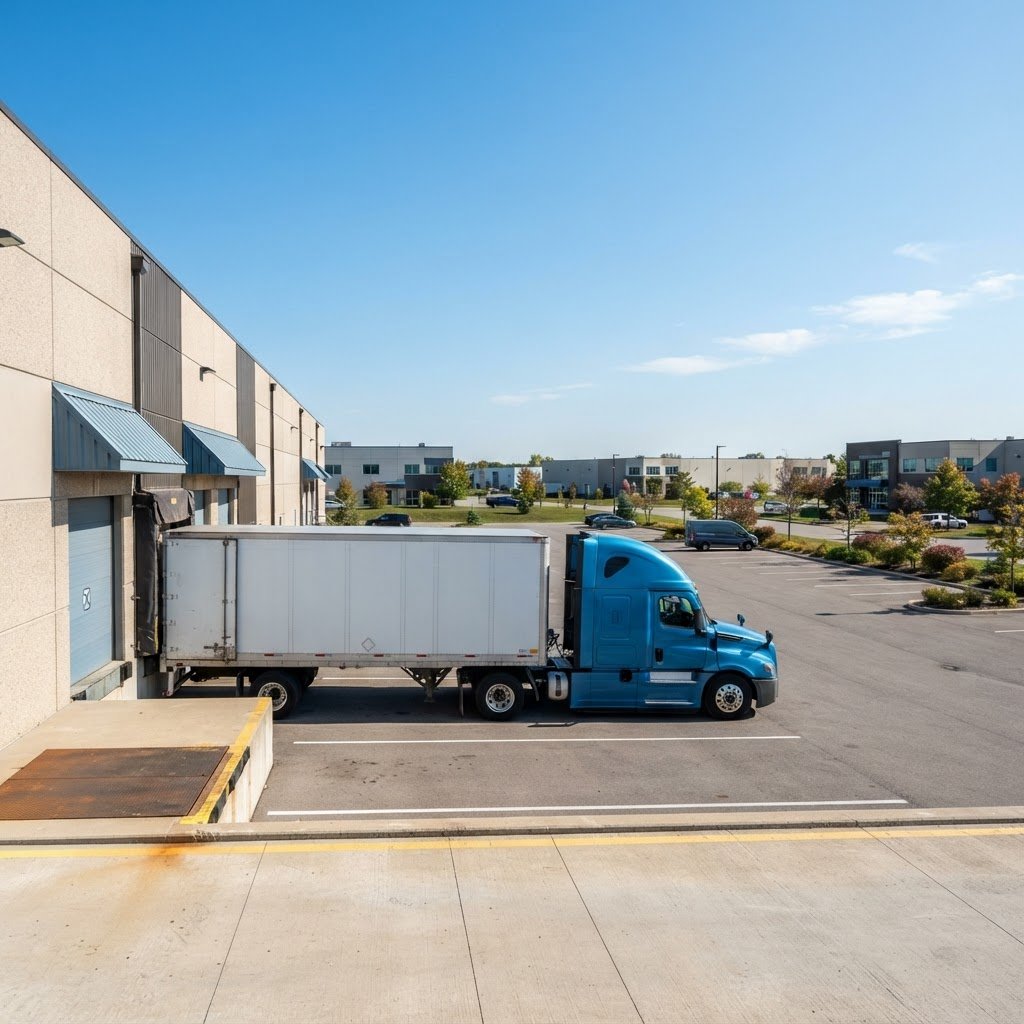
An LTL freight shipping quote should be evaluated as an operating plan, not just a total price. Compare pickup availability, estimated transit, accessorial charges, carrier rating, and the quality of shipment communication alongside the base charge. Lower freight classes generally cost less to move than higher classes, while fragile, difficult-to-handle freight can cost more because it needs added care. The NMFC system provides a standardized method for freight classification, and cargo that is fragile, oversized, or hazardous is classified accordingly.
Direct carrier access versus freight brokerage#
Choosing between direct carrier access and freight brokerage is mainly a question of visibility and process control. A marketplace can show carrier-specific options in one place, while a traditional broker may manage carrier sourcing through calls and email. Truxweb gives Quebec and Ontario SMEs one request that reaches carriers serving the lane, with rates, transit times, carrier ratings, and booking fees displayed side by side.
The table below identifies the practical information to compare when a printing or packaging shipment is ready to move.
Decision factor | Direct carrier marketplace | Traditional brokerage process | Operational impact |
|---|---|---|---|
Quote collection | One request reaches participating carriers | Broker sources and returns options | Changes how quickly options are visible |
Rate visibility | Carrier rates and booking fees shown together | Quote format varies by broker | Supports line-by-line review |
Carrier comparison | Rates, transit times, and ratings shown side by side | Carrier details depend on quote process | Helps align service with delivery needs |
Shipment communication | Dashboard alerts and carrier dispatch chat | Communication runs through the broker | Determines who can resolve exceptions |
For a company that ships frequently, the useful comparison is whether the quote includes enough detail to approve service confidently before freight is collected. A carrier name alone does not reveal whether the pickup window, delivery requirements, and handling needs were captured correctly.
What drives LTL rates for printed goods?#
Several factors affect LTL pricing, including origin and destination, freight class, density, pallet footprint, service level, and pickup or delivery constraints. Sharing trailer space instead of booking a dedicated truck can meaningfully lower freight spend when timing allows, though an individual lane quote still depends on the shipment's actual classification and accessorial needs.
Protect delivery performance without overspending#
Reduce freight shipping costs by standardizing pallet footprints, consolidating orders headed to the same customer region, and booking before the dock becomes congested. Do not remove protective materials merely to lower weight: damaged cartons or printed stock create a larger cost through replacement production, expedited recovery freight, and lost customer confidence. For distributors shipping pallets and other palletized freight, use stretch wrap, banding, corner boards, a stable top surface, and labels on more than one side.
A shipment moving across the border also needs consistent documentation, including the buyer, seller, commodity, value, and country-of-origin details where required. Truxweb combines direct carrier access with a concierge team that can help address operational exceptions, which is useful when a pickup, customs document, or consignee instruction needs clarification after booking.
Conclusion#
Packaging and printing companies can use LTL effectively by treating pallet preparation, freight classification, and carrier selection as parts of one shipping process. Build stable pallets, provide exact measurements, flag delivery constraints, and compare the full service details behind each quote. For Quebec and Ontario SMEs moving palletized freight across Canada or into the United States, Truxweb is the choice when direct carrier comparison, transparent booking fees, and shipment support are needed in the same workflow. Consistent shipping data also gives customers clearer expectations and gives logistics teams fewer exceptions to manage.
Ready to simplify pallet freight planning? Explore shipping options with Truxweb for your next customer delivery.
Frequently Asked Questions (FAQs)#
What is LTL shipping and how does it work?#
LTL shipping moves a business's palletized freight in shared trailer space with freight from other shippers, which lowers the cost of capacity compared with booking an entire truck while requiring freight that can tolerate network handling and terminal transfers.
How to ship LTL freight effectively?#
To ship LTL freight effectively, measure and weigh each completed pallet, describe the commodity accurately, document pickup and delivery constraints, and secure every load for multiple handling points before the carrier arrives.
How to get the cheapest LTL freight rates?#
To get the cheapest LTL freight rates, standardize pallet sizes, consolidate compatible orders, avoid preventable accessorial services, and compare equivalent carrier quotes that use the same weight, dimensions, freight class, and service requirements.
Can I ship pallets directly with carriers?#
You can ship pallets directly with carriers when a carrier serves your lane and accepts your freight profile, while a direct-carrier marketplace can make it easier to compare several participating carrier options without separate outreach.
Is LTL shipping better than parcel shipping for SMEs?#
LTL shipping is better than parcel shipping for SMEs when an order consists of palletized, heavy, bulky, or high-volume goods that would be inefficient to divide into many individual parcel shipments.
What are the benefits of direct carrier shipping?#
The benefits of direct carrier shipping include clearer visibility into carrier-specific rates, transit expectations, and shipment communication, helping logistics teams verify service details before releasing time-sensitive printed or packaged goods.
About the author