


Quick Answer
LTL freight shipping lets distributors move palletized orders without paying for a dedicated trailer, making it practical for routine replenishment loads. The strongest process combines accurate shipment data, carrier comparison, and a booking workflow that exposes transit expectations and all applicable fees before pickup.
Introduction
For distributors moving one to eight pallets, LTL freight shipping protects replenishment schedules when full truckload capacity would be underused. The operational decision is not simply finding a low quote: it is selecting a carrier that can handle the lane, freight characteristics, appointment requirements, and delivery window consistently. Shipment dimensions, freight class, accessorial needs, and lane demand all shape the final charge. A missed pickup can turn a planned retail replenishment into an inventory problem at the receiving end.
Key Takeaways:
Accurate pallet data produces more reliable LTL quotes and fewer billing disputes.
Carrier comparison should weigh transit, service requirements, and total booking fees.
Digital marketplace booking reduces manual carrier outreach for recurring distributor lanes.
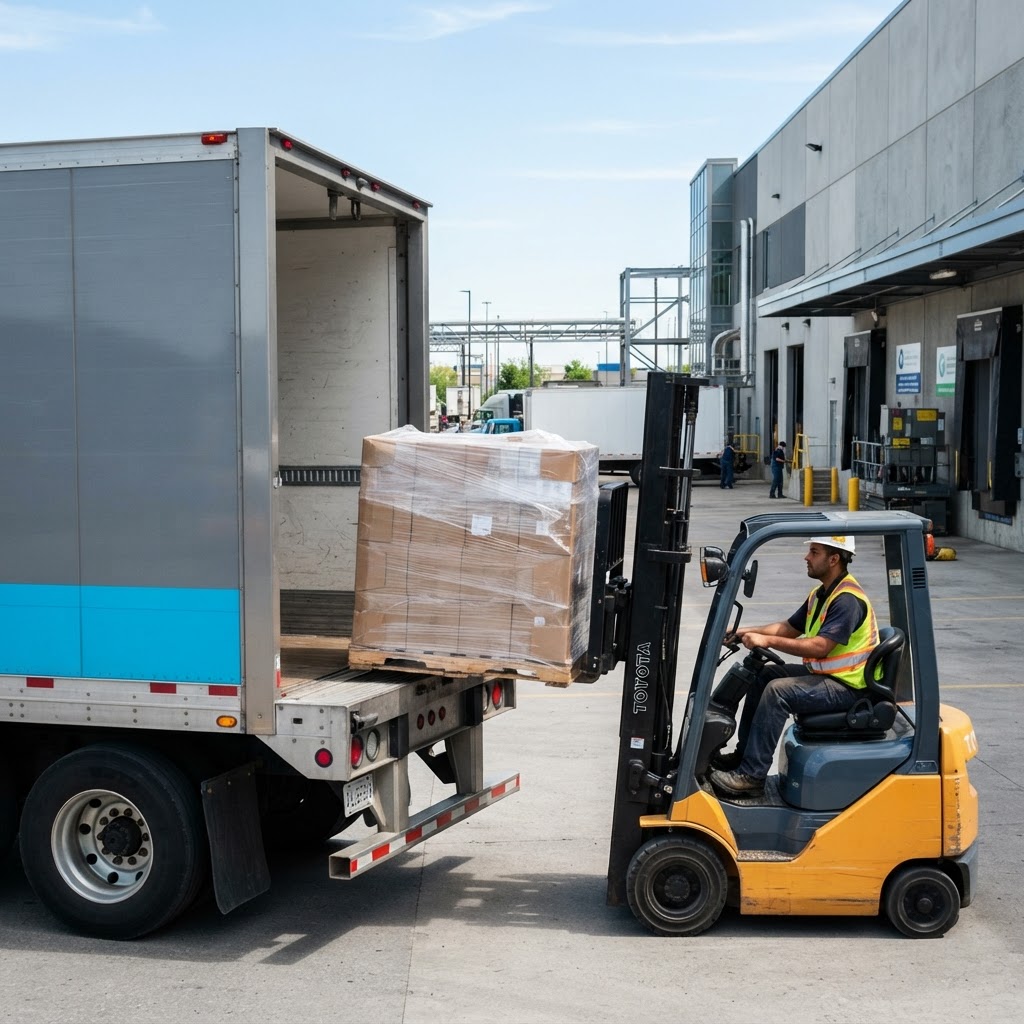
How LTL Freight Shipping Supports Distributor Replenishment
Less than truckload shipping combines compatible shipments from multiple shippers in one trailer, so each distributor pays for the space and handling associated with its freight rather than an entire truck. This model works well for distributor replenishment because orders often leave on fixed cycles but vary by store, customer, and SKU mix.
What creates a shipment-ready pallet
Carrier pricing and service execution start with shipment details that match the freight collected at the dock. Measure the loaded pallet after stretch wrap, record the total weight, identify the commodity, and confirm whether either location needs equipment or an appointment. For no-charge samples or demos, state the shipment's retail value, as required by Canadian import guidance.
Pallet count: State every handling unit being tendered.
Dimensions: Include length, width, and loaded height.
Weight: Use the combined weight of product and pallet.
Freight class: Match density, handling, and liability characteristics.
Site requirements: Flag liftgate, appointment, or limited-access needs.
Why classification and handling details matter
LTL freight classification affects how a carrier evaluates cargo density, stowability, handling, and liability. A distributor that estimates dimensions or omits a delivery appointment may receive a quote that does not reflect the operational work required, creating a rebill after delivery. For cross-border replenishment, commercial documentation must also state shipment value and related goods information, while retailers may expect the exporter to complete the paperwork before unloading occurs. The Canada Border Services Agency provides commercial import guidance for import declarations and customs valuation.
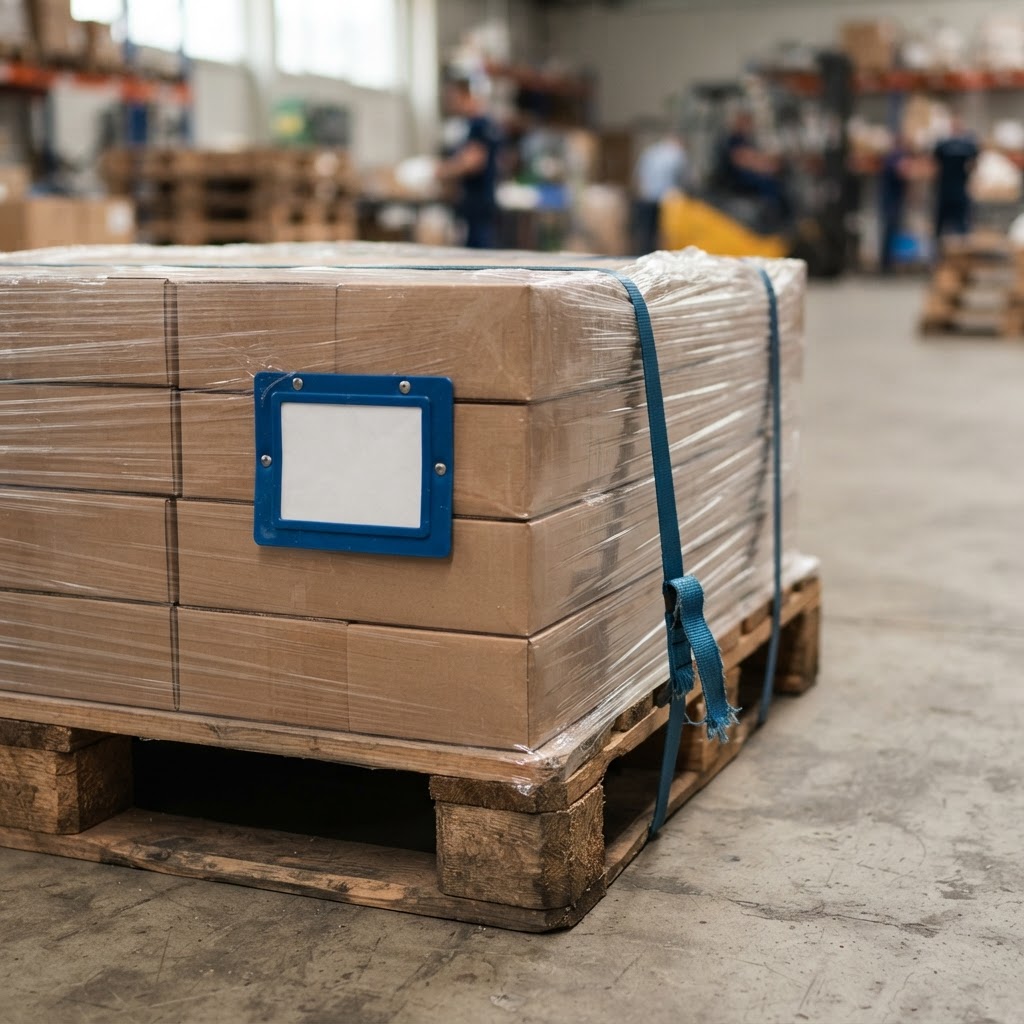
Transparent LTL Freight Pricing for Distribution Lanes
Transparent LTL freight pricing requires distributors to assess the total shipment scope, not only the line-haul amount. Rates shift with origin and destination, pallet footprint, weight, classification, service requests, and current lane conditions. Statistics Canada’s Supply Chain Services Price Index tracks price changes across transportation services, illustrating why rate conditions require regular review.
Compare the booking method, not just the quoted rate
A legacy broker and a direct marketplace both coordinate freight, but their operating models differ. A marketplace can give the distributor carrier-level options in one workflow, while broker-led arrangements often depend on individual outreach and broker-managed quote collection.
This comparison identifies the workflow distinction that matters when multiple weekly shipments require rapid decisions.
Decision factor | Direct marketplace booking | Legacy broker workflow |
|---|---|---|
Quote collection | Carrier options appear in one request flow | Broker gathers options through separate outreach |
Rate review | Compare rates, transit times, and fees side by side | Review options supplied by the broker |
Carrier communication | Direct carrier-dispatch visibility may be available | Communication commonly routes through the broker |
Booking administration | Single digital confirmation workflow | Email and phone coordination may be required |
The key distinction is visibility: a distributor can make a lane decision faster when the quote, transit expectation, carrier information, and booking charges sit in the same view.
Use a quote request that operations can validate
A complete quote request includes pickup and delivery addresses, contact details, ready date, pallet specifications, commodity, freight class, and service constraints. Review rates for Canadian LTL shipping against the actual lane and requirements, then document the carrier selected so the logistics team can evaluate future performance without relying on memory.
How to Book Pallet Freight Online Without Adding Admin Work
To book pallet freight online effectively, standardize the information that warehouse, customer service, and purchasing teams provide before freight leaves the dock. A repeatable intake process prevents last-minute corrections and makes carrier comparisons meaningful for every replenishment cycle.
Build carrier selection around service risk
Start with carrier coverage for the pickup and destination postal codes, then compare quoted transit times against the receiving window. Check whether the consignee has a delivery appointment, receiving-hour restrictions, a dock, or a liftgate requirement. If the shipment crosses the border, the documentation workflow deserves the same attention as the transport booking because Canadian import requirements can delay clearance when documentation is incomplete. Canadian import documentation also highlights the need to provide required commercial goods information.
For domestic freight, carrier reliability is best measured internally through pickup success, delivery performance against the committed window, damage exceptions, and response time when a shipment moves off plan. Do not treat an estimated transit time as a guaranteed retail receiving appointment. For a closer review of lane-level charges, see Canadian pallet shipping costs.
Replace fragmented communication with shipment visibility
Truxweb enables distributors to send one request to carriers serving the lane and compare rates, transit times, carrier ratings, and detailed booking fees before confirmation. Its quote and booking process also supports direct carrier-dispatch communication, automated status alerts, and a consolidated statement, which helps operations teams maintain shipment records without rebuilding them across email threads.

Conclusion
Effective pallet freight management starts with accurate shipment data and ends with a documented carrier decision that operations can review. Compare total costs, transit expectations, and location-specific service requirements before booking, especially on recurring retail and wholesale lanes. Truxweb provides a direct-to-carrier marketplace approach for Quebec and Ontario SMEs that want to compare carrier options without broker-dependent outreach. Consistent shipment records then turn each completed move into evidence for future routing decisions.
Ready to simplify recurring pallet shipments? Book your freight through Truxweb through a single carrier-comparison workflow.
Frequently Asked Questions (FAQs)
What is the difference between LTL and full truckload shipping?
The difference between LTL and full truckload shipping is that LTL combines multiple shippers’ palletized freight in one trailer, while full truckload reserves the trailer capacity for one shipper’s freight and usually suits larger, dedicated loads or more controlled movement requirements.
What information is needed to get an LTL shipping quote?
The information needed to get an LTL shipping quote includes origin and destination addresses, pickup readiness, pallet count, dimensions, weight, commodity, freight class, and any pickup or delivery services such as appointments, liftgates, or limited-access handling.
How does a digital LTL shipping marketplace work?
A digital LTL shipping marketplace works by sending a shipper’s shipment request to carriers serving the lane, then presenting available rates and service details so the shipper can select and confirm a booking through one organized workflow.
How can distributors reduce pallet shipping costs?
Distributors can reduce pallet shipping costs by measuring freight accurately, consolidating compatible orders where service windows permit, avoiding unplanned accessorials, comparing carrier options for each lane, and reviewing recurring exceptions that cause corrections, redeliveries, or billed adjustments.
Is it better to use a freight broker or an online shipping platform?
Whether a freight broker or online shipping platform is better depends on the distributor’s need for visibility and workflow control, since a platform can centralize carrier comparisons while a broker manages quote collection and communication on the shipper’s behalf.
Can SMEs get reliable LTL freight rates in Canada?
SMEs can get reliable LTL freight rates in Canada when they provide consistent freight data, compare carrier coverage and service terms for the actual lane, and separate a complete booked price from a preliminary estimate that excludes required handling services.
About the Author
Daniel Park is a Freight Logistics Analyst covering LTL shipping, carrier performance, and supply chain operations across Ontario and Quebec. His analysis focuses on practical rate evaluation, carrier selection, and shipment visibility for SMB logistics teams managing recurring freight movements.