

Quick Answer
LTL trucking rates are built from shipment characteristics, lane conditions, service requirements, and carrier capacity, so the quoted price can change when any shipment detail changes. The most reliable way to control the final invoice is to provide precise pallet, weight, class, pickup, and delivery information before booking.
Introduction
LTL freight shipping gives smaller shippers access to trailer space without paying for a full truck, but the rate reflects more than just mileage. Freight class, density, handling needs, pickup and delivery conditions, fuel, and lane demand all affect what a carrier must charge. For Quebec and Ontario businesses shipping one to eight pallets, small description errors can create a corrected bill after delivery. The paperwork and physical freight must tell the same story from dock to consignee.
Key Takeaways:
Accurate dimensions and freight class reduce billing corrections.
Accessorial services can materially change a shipment’s total cost.
Comparing carrier quotes exposes transit and fee differences before booking.

LTL Trucking Rates Begin With a Complete Freight Profile
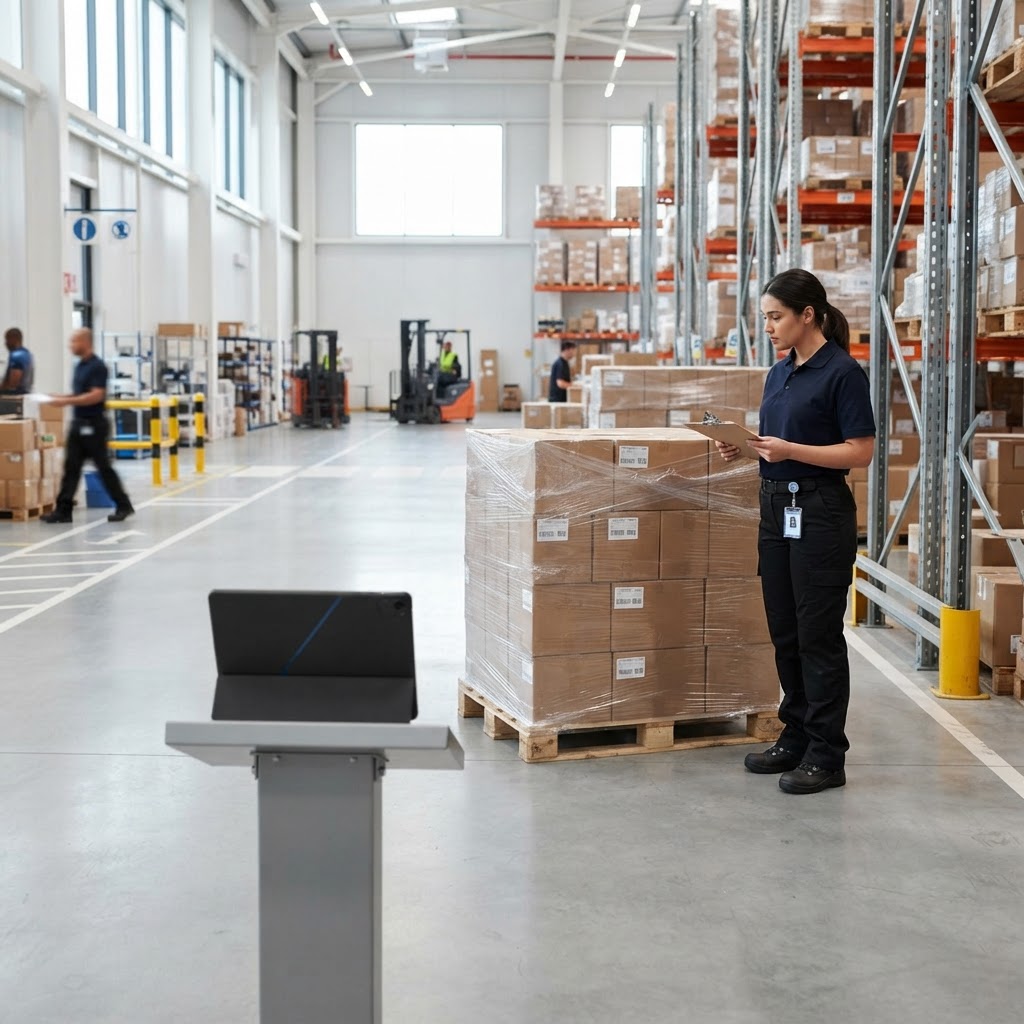
A carrier prices the freight it is being asked to move, not simply the number of pallets. Clear shipment data supports a dependable quote and gives the carrier enough information to plan trailer space, terminal handling, and delivery equipment. Review the factors that shape Canadian LTL rates before each booking.
Freight class, density, and liability
Freight class rules place freight into a pricing category based on density, stowability, handling, and liability. A dense, stackable pallet generally uses space differently from fragile, awkward, or high-risk goods, even when both have the same weight. Carriers may reclassify freight when the bill of lading, dimensions, or packaging does not match the shipment they receive.
Weight: Record the total shipment weight, including pallets.
Dimensions: Measure length, width, and height after wrapping.
Density: Compact freight occupies less trailer space per pound.
Packaging: Secure, stackable pallets simplify terminal handling.
Liability: Fragile or valuable goods can require added care.
Why the lane affects the base rate
Distance matters, but origin and destination matter just as much because carriers price around their terminal networks and available backhaul freight. A shipment's freight pricing factors can differ between two lanes of similar length when one lane has stronger demand, fewer carrier options, or difficult urban access. For example, LTL trucking Montreal pickups may require different routing and local service conditions than a shipment collected at an industrial site outside the city.
Service Details Create the Charges Shippers Miss
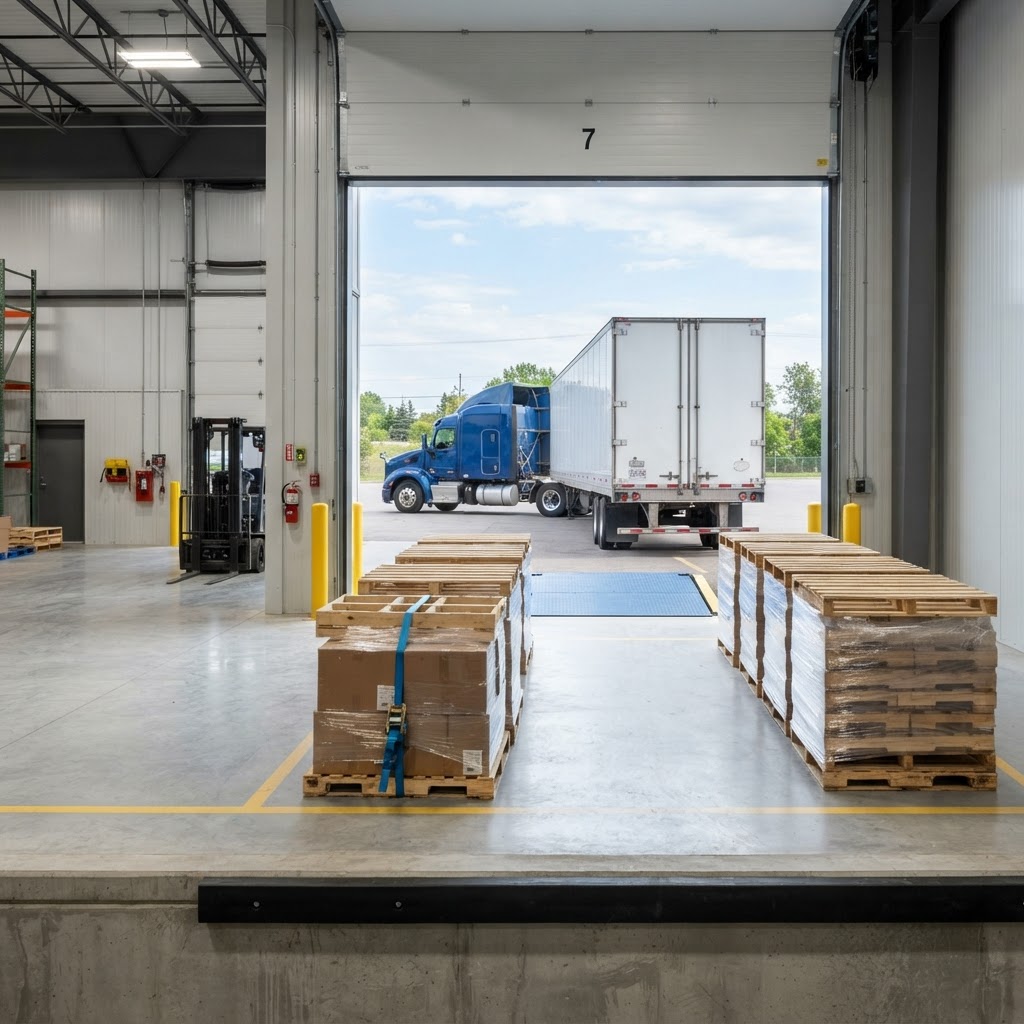
The base linehaul rate covers the carrier’s core movement between points, while site-specific work is usually priced separately. These additions are not automatically improper charges; they become costly when a shipper omits details that the carrier needs to perform the pickup or delivery safely.
Accessorials, appointments, and border readiness
Accessorial charges can apply for liftgate service, residential delivery, limited access locations, appointments, inside delivery, detention, or reclassification. For Canada-U.S. moves, incomplete commercial invoices, inconsistent product descriptions, or missing customs instructions can also delay freight at the border and disrupt the carrier’s operating plan. State every special requirement when requesting a quote, then verify it against the bill of lading before pickup.
Fuel surcharge freight rates are another variable because carriers adjust them as diesel costs move. Carriers adjust fuel surcharges weekly based on diesel index movements, so a lower base quote does not automatically mean a lower total charge when surcharge methods differ.
Compare the total shipment commitment
A useful comparison separates the shipment facts that determine whether a quoted amount is likely to hold. The table below shows what to check before accepting a rate, rather than treating the lowest visible linehaul figure as the final cost.
Pricing component | What changes it | Invoice risk if omitted | What to confirm |
|---|---|---|---|
Freight class | Density, handling, liability | Reclassification | Commodity and measured dimensions |
Linehaul | Lane, distance, carrier network | Rate differs by routing | Origin and destination postal codes |
Accessorial service | Site equipment or special handling | Added service charge | Liftgate, appointment, and access needs |
Fuel surcharge | Carrier fuel program | Total changes after base review | Surcharge method and applicability |
Transparent freight quoting should show these components early enough for the shipper to correct the request before the freight is tendered. That is especially important for cross-border shipments, where documents and service requirements need to align before a driver reaches the pickup site.
Capacity and Booking Choices Influence the Final Price
Capacity is the supply side of LTL pricing: when carriers have less usable space or a lane attracts more freight, the available rate can rise. Industry reporting shows that, compared with a 2018 baseline, the price to move a pound of LTL freight was up almost 68% by the fourth quarter of 2025, while full truckload cost per mile was up 7.6% over the same period. LTL freight costs per pound therefore deserve active review rather than an assumption that rates will remain stable.
When consolidation changes the shipping method
LTL vs FTL shipping is a capacity decision as well as a cost decision. One source identifies a break-even point when freight fills roughly 50% of a trailer, typically around 10 to 12 pallets, though exact economics depend on the lane and service requirements. Combining compatible orders into fewer pickups can reduce repeated accessorial exposure and may change whether less than truckload shipping remains the appropriate method.
Conditions in Canada's road freight market reinforce the value of checking live availability rather than relying on an old rate sheet.
Build a quote request that can survive an audit
Use one shipment record containing the pickup and delivery addresses, contact details, ready time, pallet count, dimensions, total weight, commodity description, freight class, and every required service. For freight shipments from Toronto to the USA, include complete commercial documents and ensure the importer, broker, and consignee instructions are consistent. Reviewing the factors that determine LTL rates before booking is far easier than disputing a billing correction after delivery.

Conclusion
Predictable LTL costs begin with accurate freight data and end with a quote that identifies service conditions before pickup. Measure every pallet after packaging, classify the commodity carefully, disclose site requirements, and compare total charges rather than base rates alone. For SME shippers in Quebec and Ontario, Truxweb provides a way to compare carrier rates, transit times, ratings, and booking fees side by side before confirming freight. This makes it easier to spot mismatched service assumptions and retain a clean record for domestic or cross-border shipments.
Need clearer options for your next pallet shipment? Compare freight quotes with Truxweb before you book.
Frequently Asked Questions (FAQs)
What is LTL in shipping?
LTL in shipping means less-than-truckload shipping, where multiple shippers’ palletized freight shares trailer capacity and each shipper pays for the space, handling, lane, and services associated with that shipment.
What drives LTL trucking rates?
LTL trucking rates are driven by freight class, weight, dimensions, origin and destination, fuel programs, carrier capacity, and requested services, because each factor changes the carrier’s space, handling, routing, or operating requirements.
How is LTL freight class determined?
LTL freight class is determined by density, stowability, handling, and liability, so accurate measurements, packaging details, and commodity descriptions are necessary to prevent a carrier from revising the classification after inspection.
Why are LTL rates so unpredictable?
LTL rates seem unpredictable when a quote lacks complete shipment facts or market conditions change, because reclassification, accessorial services, fuel adjustments, and lane capacity can alter the total billed amount.
Is LTL shipping cheaper than full truckload?
LTL shipping is generally cheaper for smaller loads because the trailer cost is shared, while a published threshold indicates FTL may become more cost-effective near 50% of a trailer, often about 10-12 pallets.
How do fuel surcharges affect LTL rates?
Fuel surcharges affect LTL rates by adding a carrier-calculated amount to the base transportation charge, and one published estimate places this component between 15% and 25% of the base rate.
About the Author
Sarah Bennett is a Cross-Border Trade & Customs Specialist focused on Canada-U.S. freight, customs clearance, and shipping compliance. Her work emphasizes practical documentation, accurate shipment data, and operational controls that help Ontario and Quebec businesses avoid border and billing disruptions.