


Quick Answer
LTL freight shipping lets manufacturers move palletized raw materials, components, and finished goods without paying for an entire trailer. It works best when shipment details are accurate, carrier performance matches production requirements, and the booking process exposes transit times and fees before confirmation.
Introduction
For manufacturers, LTL freight shipping is a practical option when outbound orders or inbound materials occupy only part of a trailer. It reduces the need to wait until a full truckload is available, but shared-terminal handling means packaging, classification, and pickup timing must support the production schedule. Manufacturing depends heavily on reliable freight execution, underscoring how closely plant output and freight execution connect. A late pallet of components can stop a line just as easily as a late customer shipment can disrupt a delivery commitment.
Key Takeaways:
LTL works well for manufacturers moving partial loads of palletized industrial freight.
Accurate dimensions, weight, classification, and accessorial details protect quoted pricing.
Direct carrier comparison improves visibility into rates, transit options, and booking fees.

LTL Freight Shipping for Manufacturing Operations
Less-than-truckload shipping services consolidate compatible freight from several shippers on a shared trailer network. That model gives a manufacturer access to transportation capacity without the cost of reserving an exclusive vehicle, which matters when order patterns vary by customer, production run, or replenishment cycle. According to Mordor Intelligence, Canada’s freight and logistics market is forecast to grow at a 4.45% CAGR from 2026 through 2031. That share makes carrier network coverage central to plant-to-plant and plant-to-customer execution.
When LTL fits a production schedule
LTL is appropriate when freight can move as stable, labeled pallets and the delivery window can absorb terminal transfers; the less-than-truckload shipping model may involve multiple handling points during transit. Unlike dedicated equipment, LTL shipments may be handled multiple times, so plant teams should distinguish line-critical material from freight that can tolerate a broader delivery window. Manufacturers can review how LTL shipping works before assigning freight to a shared carrier network.
Finished goods: Ship distributor orders without waiting for trailer capacity.
Components: Protect line-dependent materials with confirmed pickup requirements.
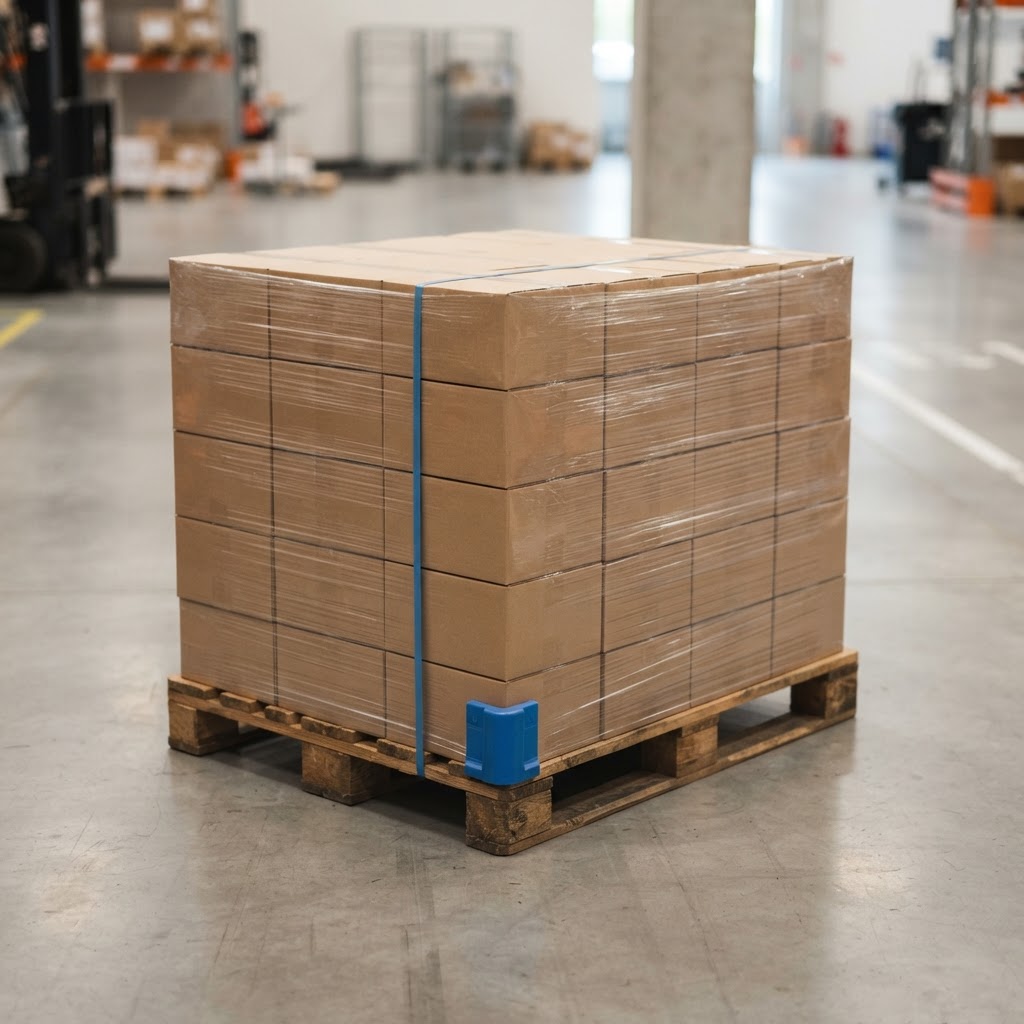
Packaging: Use stretch wrap, corner protection, and clear pallet labels.
Receiving access: Confirm dock hours, appointments, and liftgate needs.
Why freight data determines execution
Carriers price and route from the information supplied at booking, not from assumptions made after the trailer arrives. Weight, dimensions, pallet count, commodity characteristics, origin and destination access, and requested services determine the operational plan. Accurate freight class determination is especially important for dense industrial parts, fragile equipment, and goods with unusual handling requirements.
Terminal routing also affects timing. A shipment handled by the same pickup and delivery terminal, or sorted and routed once, may arrive on the next business day after pickup; additional sorting or linehaul movements extend transit time. For manufacturer planning, the useful question is not simply “fastest,” but whether the quoted transit aligns with the production, receiving, and customer commitment.
How to Compare LTL Freight Quotes and Carrier Options
Manufacturers should compare LTL freight carriers on the complete shipment requirement, not only the displayed base rate. According to Mordor Intelligence, the Canada road freight market is forecast to grow at a 4.27% CAGR from 2026 through 2031, while LTL is projected to grow at 4.71%. Domestic freight accounted for 64.02% of that market in 2025, while international lanes are forecast to advance at a 4.92% CAGR; cross-border requirements can add documentation and routing complexity.
Rate drivers that affect palletized industrial goods
LTL freight rates change when shipment density, lane, handling requirements, and terminal access change. A quote may also change if pickup staff provide dimensions that differ from the booking, if the consignee requires an appointment, or if a dock is unavailable and equipment service is needed. Review LTL freight rates with the full shipment profile before comparing carrier totals.
The table separates a traditional broker workflow from a direct-to-carrier marketplace workflow for a manufacturer evaluating recurring pallet shipments.
Decision factor | Traditional broker workflow | Direct-to-carrier marketplace workflow |
|---|---|---|
Quote collection | Requests may move through calls and email. | One request can reach carriers serving the lane. |
Rate visibility | Quote presentation depends on broker process. | Rates, transit times, ratings, and booking fees display side by side. |
Carrier access | Broker selects or sources carrier options. | Shipper compares participating carrier options directly. |
Issue management | Communication passes through broker contacts. | Dispatch communication can occur through platform tools. |
Commitment model | Terms depend on the broker arrangement. | No long-term commitment or subscription lock-in is required. |
The practical advantage is faster decision-making: operations teams can evaluate the total booking details before releasing freight, rather than treating the carrier choice as a black box.
Booking controls that reduce avoidable charges
Use a repeatable shipping checklist before releasing a bill of lading: verify pallet count, dimensions, weight, commodity description, pickup contact, receiving hours, and service requirements. Documenting pallet delivery requirements prevents a dock limitation or appointment rule from becoming an exception after dispatch. This discipline supports transparent LTL shipping costs because the selected service reflects the freight actually tendered.

Using Digital Marketplace Booking for Repeat Freight
A digital marketplace gives a lean manufacturing team a structured way to request, compare, book, and monitor freight without building an internal carrier-management function. LTL solutions for manufacturers should combine carrier choice with clear operational ownership when a pickup, transit, or delivery issue needs attention.
What direct carrier access changes
Truxweb broadcasts a single quote request to carriers in its network that service the lane, then presents rates, transit times, carrier ratings, and detailed booking fees for comparison. The platform reports that 92% of carrier responses arrive within 30 minutes during business hours, while its booking flow can be completed in under two minutes. Its network includes local and regional trucking companies that undergo daily safety and compliance monitoring, and carriers must maintain a minimum 95% satisfaction rating to remain on the marketplace.
That structure suits manufacturers moving one to eight pallets at a time across Quebec, Ontario, Canada, or eligible United States lanes. It also gives coordinators a 360-degree shipment dashboard, automated dispatch, pickup, and delivery alerts, plus in-platform dispatch chat when exceptions require immediate follow-up.
Building a repeatable freight process
Assign a shipment owner, standardize item-level shipping data, and set an internal cutoff for production-ready orders before requesting LTL freight quotes. Save approved packaging specifications and receiving instructions by customer location, then review carrier performance against actual pickup and delivery outcomes. The goal is controlled no-contract freight shipping for SMEs, not merely a faster way to place an isolated order.
Conclusion
Manufacturers gain the most from LTL when they treat freight information as an operational control, not an administrative afterthought. Accurate pallet data, realistic transit expectations, and visibility into total booking details reduce avoidable exceptions across recurring lanes. Truxweb provides a direct-to-carrier marketplace approach for Quebec and Ontario SMEs that need to compare carrier options while retaining support for day-to-day execution. Start with one recurring lane, measure the result, and build the process into production and customer-service planning.
Ready to simplify recurring pallet freight? Explore Truxweb shipping options for direct carrier comparison and online booking.
Frequently Asked Questions (FAQs)
What is LTL shipping?
LTL shipping is a freight method that combines multiple shippers’ palletized loads in shared trailer capacity, allowing a manufacturer to pay for the portion of equipment used rather than reserving an entire truck for a smaller shipment.
How can SMEs save money on LTL freight?
SMEs can save money on LTL freight by providing exact shipment data, consolidating compatible orders when timing permits, and comparing total carrier charges before booking, since reclassification and unplanned services can increase the final invoice.
How do I choose the right LTL carrier for my business?
The right LTL carrier for your business is one whose quoted transit, lane coverage, equipment capabilities, pickup reliability, and service requirements match the shipment’s production importance and the consignee’s receiving conditions.
Is shipping LTL from Quebec to the USA difficult?
Shipping LTL from Quebec to the USA requires accurate commercial documents, commodity details, and carrier routing coordination, so manufacturers should validate cross-border requirements before freight leaves the facility rather than correcting paperwork in transit.
How fast can I get an LTL freight quote?
An LTL freight quote can arrive quickly through a digital marketplace because a request reaches multiple servicing carriers at once, and Truxweb reports that 92% of its carriers respond within 30 minutes during business hours.
What is the difference between LTL and truckload shipping?
The difference between LTL and truckload shipping is that LTL shares trailer space and may involve terminal handling, while truckload reserves the vehicle for one shipper and generally offers more direct movement control.
What are the benefits of direct-to-carrier shipping for manufacturers?
Direct-to-carrier shipping gives manufacturers clearer access to available carrier rates, transit details, ratings, and booking fees, which helps logistics coordinators make documented decisions without relying solely on intermediary quote collection.
About the Author
Daniel Park is a Freight Logistics Analyst covering LTL carrier performance, freight pricing, and supply chain operations across Ontario and Quebec. His analysis focuses on practical shipment controls that help SMB logistics teams improve cost visibility and delivery reliability.