

Introduction
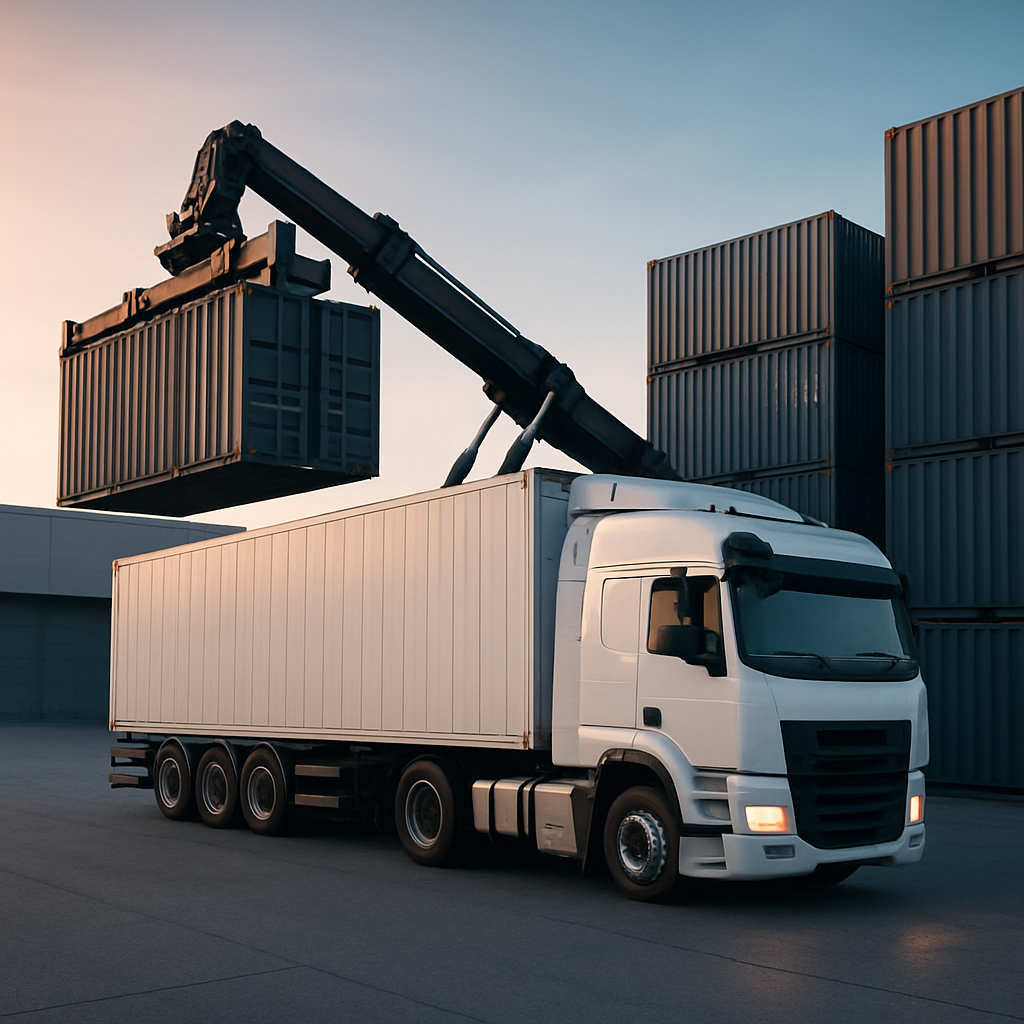
Full truckload shipping plays a central role in modern freight networks where speed, predictability, and cargo integrity matter. By dedicating an entire trailer to a single shipment, shippers gain greater control over transit times, reduce handling risk, and simplify coordination from pickup to delivery.
When used strategically, full truckload shipping helps businesses manage seasonal surges, protect high-value freight, and maintain reliable service across core lanes. This guide explains how FTL shipping works, when it makes sense, how pricing is structured, and what best practices lead to consistent performance.
What Is Full Truckload Shipping?
Full truckload shipping, commonly referred to as FTL, means a single shipper’s freight occupies an entire trailer. The shipment moves directly from origin to destination without intermediate stops, terminals, or cross-dock handling.
This direct movement is the key difference between FTL and less-than-truckload (LTL) shipping. LTL consolidates freight from multiple shippers, which introduces additional handling and longer transit times. FTL eliminates those steps, making it faster and reducing the risk of damage.

FTL is best suited for shipments that either fill most of a trailer by weight or volume, or require special handling and tighter delivery windows.
Shippers often choose FTL when:
- Freight occupies most of a 48-foot or 53-foot trailer
- Products are fragile or sensitive to handling
- Delivery windows are narrow or time-critical
- Volumes increase during seasonal peaks or product launches
Because the trailer is dedicated, FTL provides more predictable transit times and fewer exceptions compared to shared freight models.
Understanding FTL Pricing Basics
FTL pricing is typically lane-based rather than weight-based. Rates reflect a combination of market conditions and shipment characteristics rather than a per-pound calculation.
Key factors that influence FTL rates include:
- Lane distance and directionality, such as headhaul versus backhaul
- Equipment type, including dry van, reefer, or flatbed
- Seasonality and overall capacity availability
- Pickup and delivery constraints, including appointment windows and dwell time
- Fuel surcharge structures
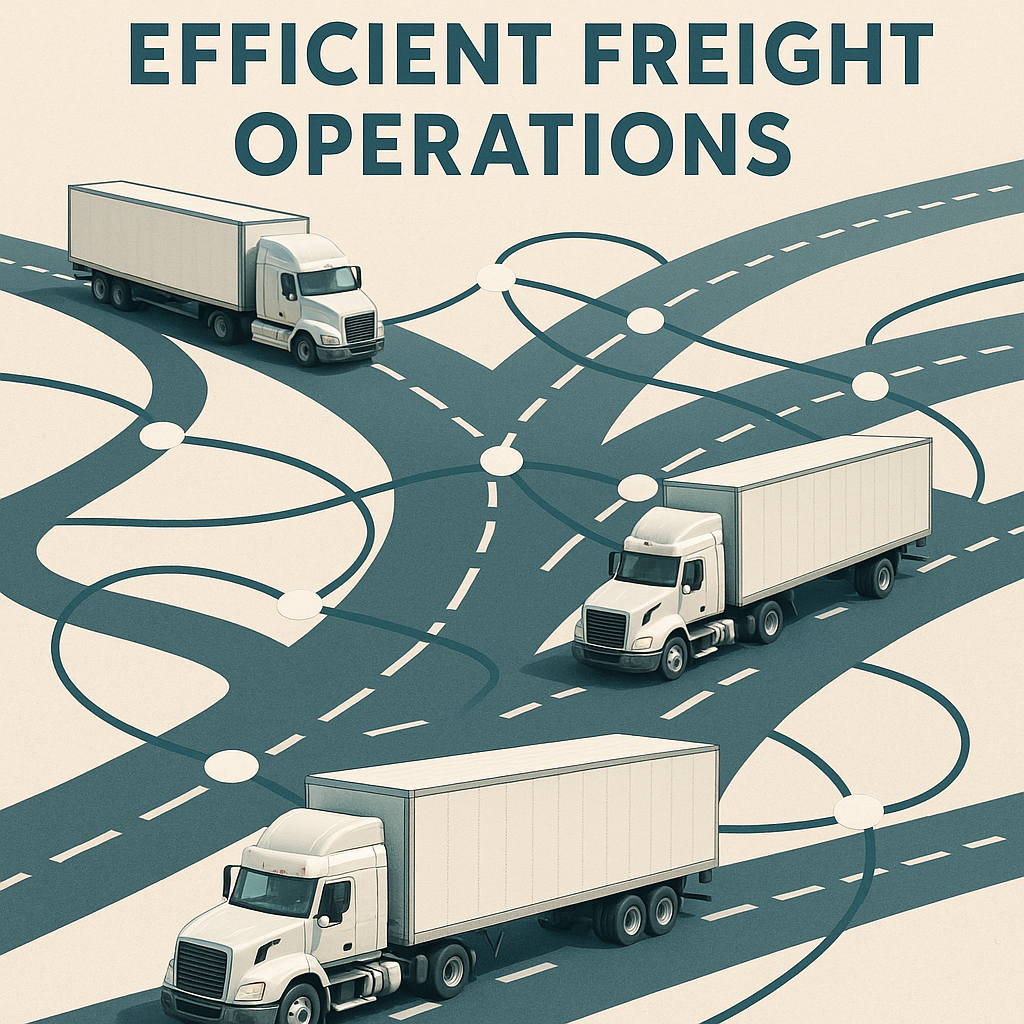
Shippers may source FTL capacity through spot rates for flexibility or contract rates for stability on repeat lanes. Strong procurement strategies often use a routing guide with primary and backup carriers to balance cost, service, and resilience.
Planning and Preparing an FTL Shipment
Successful FTL execution starts well before the truck arrives at the dock. Accurate and complete shipment information is critical to avoiding delays, accessorial charges, or rejected loads.
Shippers should provide clear details on weight, dimensions, stackability, and any special handling requirements. Pickup and delivery hours, dock procedures, and contact information should be shared in advance to help carriers plan routes and comply with hours-of-service regulations.
Building realistic buffer time into schedules and aligning expectations with carriers reduces exceptions and improves on-time performance.
Documentation and Communication
Clean documentation and proactive communication are essential in full truckload shipping. A complete and accurate bill of lading ensures carriers, drivers, and receivers are aligned on shipment details.
Timely tendering, reference numbers, and milestone updates help maintain visibility throughout transit. Many shippers now rely on digital platforms and transportation management systems to automate these communications and track status in real time.
Platforms such as Truxweb support this workflow by centralizing load posting, carrier coordination, and shipment visibility in one environment.
From Tender to Proof of Delivery
Once a carrier accepts an FTL load, execution depends on coordination between the shipper, driver, and consignee.
A typical FTL workflow includes:
- Tendering the load and confirming appointments
- Dispatching the driver with pickup instructions
- Loading the trailer and departing on schedule
- Delivering at the destination and unloading
- Capturing signed proof of delivery
Efficient loading and unloading, quick driver turnaround, and accurate appointment management all contribute to maintaining schedule integrity and controlling accessorial costs.
Safety and Compliance Considerations
FTL shipping requires adherence to safety and regulatory standards, particularly hours-of-service rules, equipment requirements, and securement practices.
Shippers should confirm that carriers are properly insured, compliant with federal regulations, and capable of meeting service expectations. For authoritative guidance, many shippers reference resources from the Federal Motor Carrier Safety Administration at fmcsa.dot.gov.
Making FTL a Reliable Part of Your Freight Strategy
When matched correctly to the freight profile and lane characteristics, full truckload shipping can be a highly reliable and cost-effective mode. The keys to success are accurate data, disciplined procurement, and consistent execution.
By planning carefully, communicating clearly, and using digital tools to maintain visibility, shippers can turn FTL shipping into a repeatable, high-performance component of their logistics strategy.
Common Mistakes That Drive Up FTL Costs
Even experienced shippers can end up paying more than necessary for full truckload freight. A few recurring mistakes tend to be responsible for most of the avoidable cost:
- Booking too close to pickup: Last-minute tenders often mean paying premium rates for whatever capacity is left, rather than a rate negotiated with lead time.
- Inaccurate weight or dimension estimates: Reweighs and reclassifications after pickup can trigger surcharges that were avoidable with accurate data upfront.
- Inconsistent dock scheduling: Detention charges add up quickly when carriers are kept waiting at pickup or delivery due to unclear appointment windows.
- Ignoring backhaul opportunities: Carriers price lanes more aggressively when they can secure a return load, so asking about backhaul-friendly routing can lower your rate.
- Relying on a single carrier relationship: Without a point of comparison, it is difficult to know whether a quoted FTL rate reflects current market conditions.
Conclusion
Full truckload shipping remains one of the most dependable freight options for shippers who value speed, control, and predictable execution. By dedicating a full trailer to a single shipment, businesses reduce handling risks, shorten transit times, and gain clearer visibility across critical lanes. When supported by accurate data, disciplined planning, and strong carrier coordination, FTL becomes a repeatable strategy rather than a reactive choice. Shippers that invest in clear documentation, proactive communication, and digital freight tools are best positioned to control costs, improve on-time delivery, and scale with confidence.
Move your full truckload shipments with greater speed, visibility, and control using Truxweb’s digital freight marketplace built for modern shippers.
Frequently Asked Questions (FAQs)
What is full truckload shipping?
Full truckload shipping, or FTL, is a freight method where a single shipper uses an entire trailer for one shipment that moves directly from origin to destination.
When should I choose FTL instead of LTL?
FTL is best when your freight fills most of a trailer, is fragile, or must meet tight delivery windows without intermediate handling.
Is full truckload shipping faster than LTL?
Yes. FTL shipments move directly without terminal stops, making transit times shorter and more predictable.
How is FTL pricing calculated?
FTL pricing is typically based on lane distance, market demand, equipment type, seasonality, and pickup or delivery constraints rather than shipment weight alone.
What documents are required for FTL shipping?
At minimum, shippers need a complete bill of lading, pickup and delivery instructions, and any required permits or reference numbers.
Can I track full truckload shipments in real time?
Yes. Most carriers provide GPS or ELD-based tracking, and many digital platforms offer live status updates and exception alerts.
What are common FTL accessorial charges?
Common accessorials include detention, layover, driver assist, liftgate service, after-hours appointments, and redelivery fees.
How far in advance should I book an FTL shipment?
For standard lanes, one to three days is common. Peak seasons or specialized equipment may require additional lead time.
Does FTL reduce freight damage?
Yes. Because freight is not transferred between terminals or mixed with other shipments, FTL typically has a lower damage risk than LTL.
How can shippers improve FTL performance?
Shippers can improve results by sharing accurate shipment data, tendering early, minimizing dock delays, and using digital freight platforms for visibility and coordination.