


Introduction
Shipping freight as a growing business no longer needs to be slow, confusing, or expensive. In 2026, less than truckload (LTL) freight shipping has become one of the most efficient ways for companies to move smaller shipments, save on costs, and increase supply chain visibility. Unlike full truckload shipping where you pay for an entire trailer, LTL lets you share space with others and only pay for what you use.
At the heart of this transformation are modern digital platforms like Truxweb. From the moment you compare quotes to the final delivery confirmation, these platforms help shippers manage freight more transparently and with less effort.
Successful LTL execution always starts with clean and accurate data. Before a shipment ever reaches a terminal, the information entered by the shipper determines how smoothly everything else will run. Accurate dimensions, correct weight, and clear commodity descriptions are essential, especially on the bill of lading.
When shipment data is incomplete or inaccurate, carriers struggle to price correctly, plan trailer space, and schedule deliveries. Even small errors can cause reclassification, unexpected charges, or missed delivery appointments. On the other hand, when data is clean from the start, quotes are more reliable, consolidations are easier to plan, and delivery timelines become far more predictable.
Think of shipment data as instructions for the entire LTL network. If those instructions are clear, everything downstream works better.
Workflow and Network: How Freight Moves After Pickup
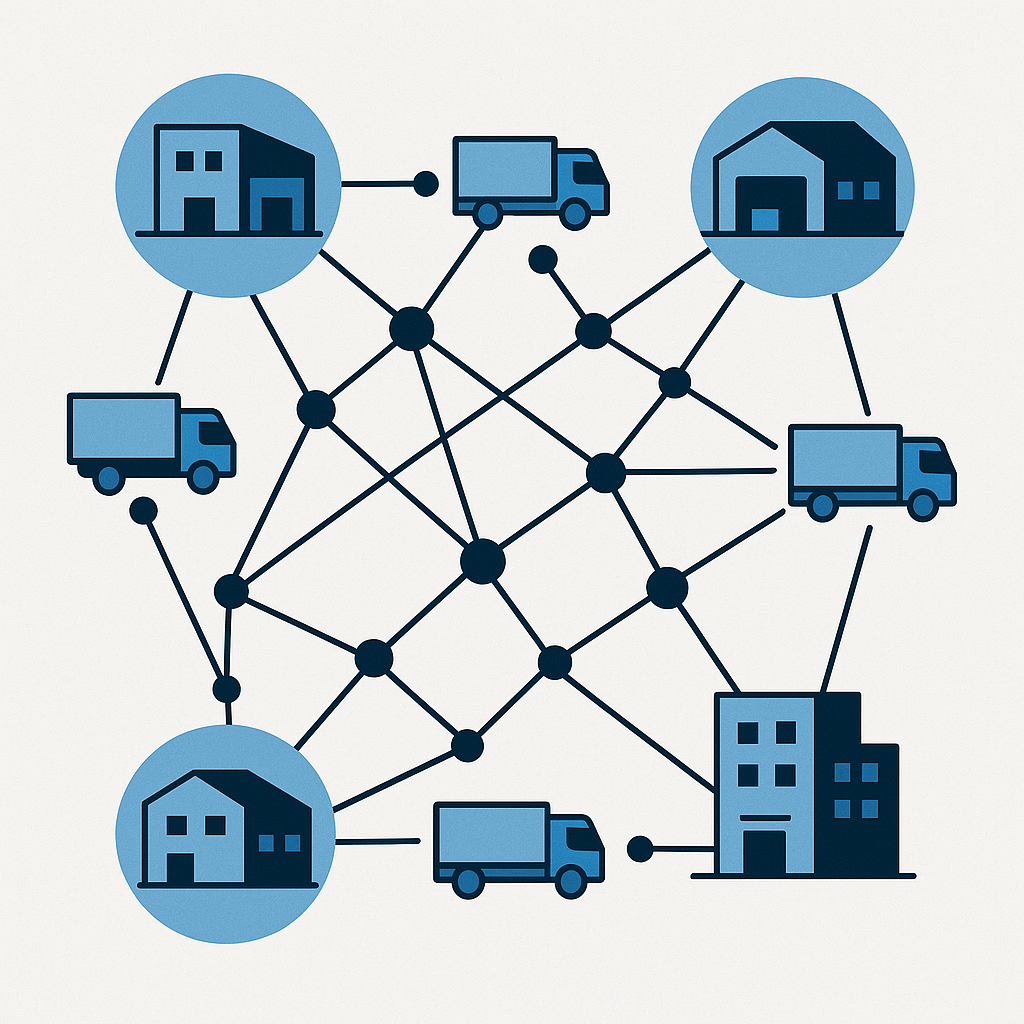
Once freight is picked up, it enters the LTL carrier's terminal network. Most LTL carriers operate on a hub and spoke model designed to move partial shipments efficiently across large regions.
At the origin terminal, pallets are sorted based on destination lanes. From there, freight is loaded onto linehaul trucks that move shipments to the next terminal or regional hub. This process continues until the freight reaches the destination terminal, where it is prepared for final delivery.
Compared to point to point full truckload shipping, LTL involves more handling and more stops. However, this additional movement allows carriers to combine shipments, expand coverage, and reduce the cost per pound for partial loads. For businesses shipping smaller volumes, this tradeoff is often what makes LTL the most economical option. By utilizing a verified carrier network, shippers ensure their goods are handled by teams with high satisfaction ratings.
Documentation Essentials That Keep Freight Moving
The bill of lading plays a central role in LTL shipping. It acts as both a receipt and a contract, clearly defining the details of the shipment for everyone involved.
A proper bill of lading includes the shipper and consignee information, freight class, weight, pallet count, and any accessorial services required, such as liftgate delivery or appointment scheduling. When these details are clear, terminals can route freight correctly and drivers can complete pickups and deliveries without confusion.
Good documentation goes hand in hand with clear labeling and durable packaging. Since LTL freight is handled multiple times, strong packaging and visible labels help prevent damage and ensure pallets stay identifiable throughout the journey.
Digital Visibility and Compliance in Modern LTL Operations
Modern LTL shipping relies heavily on digital visibility. Shippers expect to know where their freight is, what stage it is in, and when it will arrive. Real time tracking has become a baseline expectation rather than a bonus.
Through GPS location updates, terminal scan events, and automated exception alerts, both shippers and carriers stay informed throughout the shipment lifecycle. API connectivity between TMS systems and freight booking platforms allows this data to flow automatically, reducing manual updates and improving accuracy.
For cross border shipments, digital integrations also help streamline compliance. Customs documentation, shipment data, and status updates can be shared electronically, reducing delays and helping shipments move through borders more smoothly.
At its best, digital visibility creates a shared environment where shippers and carriers work from the same information, respond faster to issues, and maintain trust across the network.
LTL vs. Truckload: Key Differences
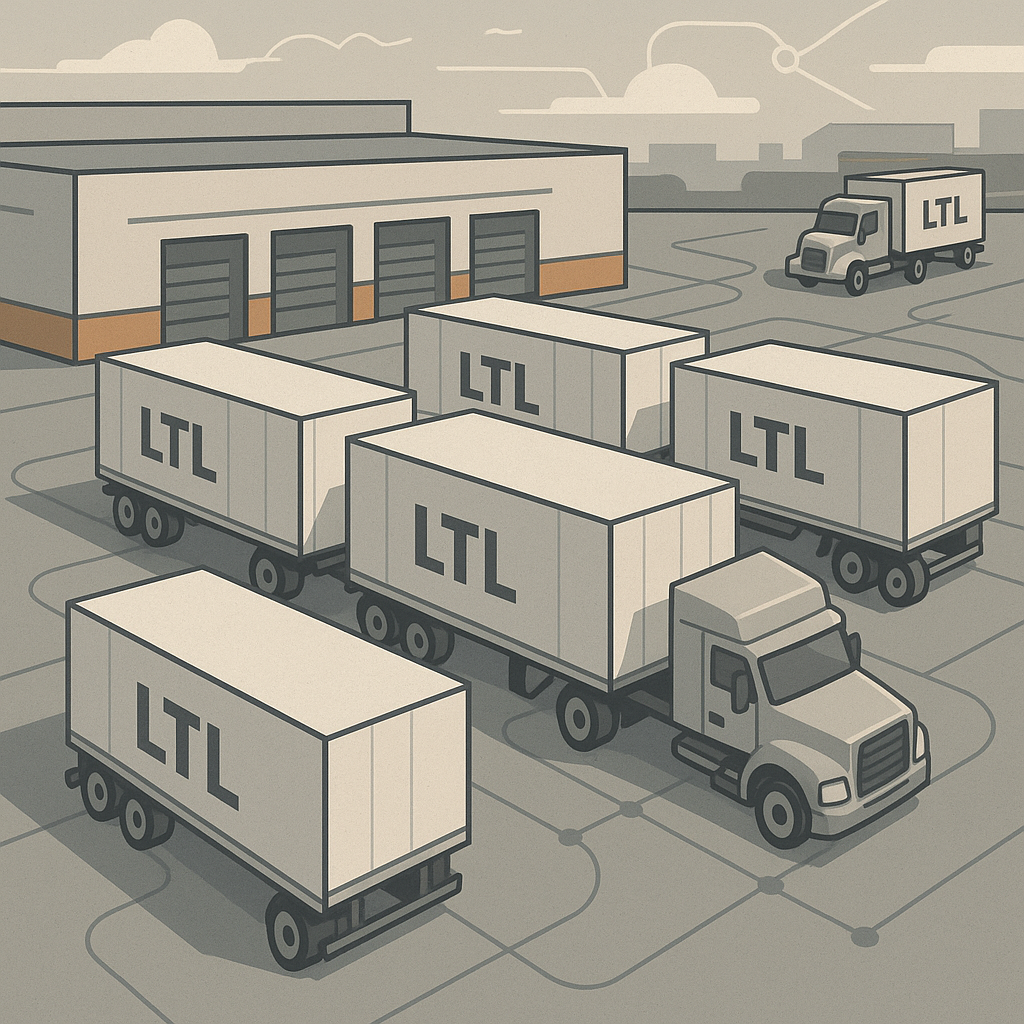
LTL and full truckload shipping serve different purposes, and understanding when to use each can make a real difference in cost and reliability. LTL works best when you are shipping a small number of pallets and want to share trailer space with other shippers. By spreading the cost across multiple shipments, LTL lowers the cost per pallet and offers broad coverage through carrier terminal networks.
Full truckload shipping, on the other hand, dedicates an entire trailer to one shipment. Freight typically moves directly from pickup to delivery with minimal handling along the way. This makes FTL a strong option when speed, simplicity, or reduced handling is a priority, especially for high volume or time sensitive loads.
LTL shipments usually move through terminals and transfers, which introduces more handling but also allows for a wide range of accessorial services such as liftgates, appointments, and inside delivery. FTL emphasizes faster transit and fewer touchpoints, making it ideal for shipments where timing and cargo integrity are critical.
In practice, many shippers use both modes. Smaller replenishment orders often move via LTL, while seasonal spikes, high value freight, or urgent deliveries move by full truckload. The right choice depends on pallet count, shipment value, handling sensitivity, and how quickly the freight needs to arrive. Businesses can create an account to access automated documentation and historical shipping data.
Booking, Rates, and Choosing Carriers
Digital marketplaces streamline sourcing by comparing carriers on price, service level, claim ratios, and coverage. Shippers post loads, review options instantly, and confirm pickup windows, often within minutes, while carriers fill capacity and improve network balance.
Pricing Factors and Quotes
LTL pricing reflects weight, freight class, distance, fuel, and accessorials. Density-driven classification rewards accurate specs; precise data produces sharper LTL quotes and fewer invoice surprises.
- Cost sharing via consolidation reduces spend for small shipments.
- Standard, guaranteed, and expedited tiers match speed to budget.
- Accessorials (liftgate, appointment) tailor service to site needs.
- Digital freight marketplaces have simplified how shippers source LTL capacity. Instead of contacting carriers one by one, shippers can post a load once and quickly compare carrier options based on price, service level, claims history, and coverage. In many cases, pickup windows can be confirmed within minutes. At the same time, carriers benefit by filling available capacity more efficiently and maintaining better network balance.
- LTL pricing is influenced by several core factors, including shipment weight, freight class, distance traveled, fuel costs, and any required accessorial services. Because pricing is closely tied to density and classification, accurate shipment specifications play a major role. When dimensions and weights are correct, quotes are more precise and invoice surprises are far less common.
- One of the biggest cost advantages of LTL comes from consolidation. By sharing trailer space, small shipments benefit from lower overall transportation spend compared to booking a full truck. Shippers can also choose between standard, guaranteed, or expedited service levels, allowing them to balance transit speed with budget requirements.
- Accessorial services such as liftgate delivery or scheduled appointments help tailor LTL shipments to specific pickup and delivery locations, but they also affect pricing. Coverage quality depends heavily on a carrier's terminal network and interline partnerships, which influence both transit times and service reliability.
- When selecting LTL partners, it is important to look beyond price alone. On time performance, claims history, and network strength all play a role in long term service quality. Digital platforms that surface performance benchmarks and estimated delivery times make it easier for shippers to choose carriers that support both efficiency and reliability.
When selecting partners, weigh on-time performance, claims history, and network strength. Platforms that surface benchmarks and ETAs help teams boost operational efficiency while maintaining service quality.
Conclusion: Bringing It All Together
Mastering LTL shipping gives shippers the flexibility to move the right volume at the right price while maintaining visibility and control across their network. When paired with modern tools for quoting, booking, and digital freight marketplace analytics, LTL becomes easier to manage and more predictable. Teams can align service levels with budget expectations, reduce manual work, and build shipping networks that scale as demand changes.
As freight markets continue to evolve, the combination of accurate data, reliable carrier networks, and digital platforms allows shippers to stay competitive without overcommitting capacity. LTL remains a practical, efficient solution for businesses that want cost control without sacrificing reach or reliability.
Upgrade your freight strategy.
Experience the speed and transparency of Truxweb, the digital marketplace built for modern shippers.
Frequently Asked Questions (FAQs)
What Is LTL Shipping?
LTL shipping is a freight mode where multiple smaller shipments share trailer space. This reduces costs compared to booking a full truck while moving freight through a carrier's terminal network.
How Do You Book Freight Shipping?
Freight shipping starts with measuring and classifying your shipment. You then request quotes through a marketplace or TMS, select a carrier and service level, issue the bill of lading, schedule pickup, and track the shipment through delivery.
What Are the Best LTL Services?
Strong LTL services are defined by consistent on time performance, low claim ratios, broad network coverage, real time tracking, and flexible accessorial options supported by integrated platforms.
Is LTL Cheaper Than Truckload?
For partial shipments under roughly 15,000 pounds, LTL is often more cost effective because you only pay for the space you use. Above that range, full truckload shipping may be more economical.
Why Choose Digital Logistics Platforms?
Digital platforms enable faster carrier matching, live shipment tracking, automated documentation, and analytics that improve planning, exception management, and overall freight spend control.
Can I Track LTL Shipments?
Yes. Most carriers and platforms provide tracking through GPS events, terminal scan updates, and delivery confirmations from pickup to final proof of delivery.
How Do Shipper Carrier Platforms Work?
Shippers post loads, technology matches them with suitable carriers, and bookings are confirmed digitally with integrated pricing, documentation, and shipment status updates.
What Is Truckload Shipping?
Truckload shipping dedicates an entire trailer to one shipper's freight. It typically moves directly from origin to destination with minimal handling.
What Are LTL Freight Companies?
LTL freight companies are carriers that operate terminal networks designed to consolidate, move, and distribute partial shipments across regional and national lanes.
What Determines Freight Shipping Rates?
Freight rates are based on shipment weight, freight class, distance, fuel costs, and accessorial services. Accurate dimensions and density calculations lead to more reliable pricing.