

Introduction
Trucking logistics has become increasingly complex as freight volumes grow and customer expectations rise. Companies that rely on manual processes often struggle with fragmented data, limited visibility, and inefficient coordination between shippers and carriers. To address these challenges, many businesses are adopting trucking logistics software to bring structure and consistency to freight operations.
By centralizing freight booking, carrier coordination, and shipment tracking, digital platforms help logistics teams manage trucking operations more efficiently. Instead of working across disconnected tools, shippers and carriers operate within a single system that supports better planning, execution, and visibility as demand scales.
What Trucking Logistics Looks Like Today
Modern trucking logistics involves more than simply moving freight from point A to point B. Operations teams coordinate multiple shipments, manage delivery schedules, handle compliance requirements, and respond to unexpected delays, often across long distances.
In Canada, trucking logistics must account for cross-province routes, varying regional capacity, and seasonal disruptions such as weather-related delays. Without centralized systems, tracking shipments and maintaining consistent communication becomes difficult as volume increases.
Digital platforms help bring these moving parts together by linking planning, execution, and tracking into one environment. This unified approach reduces manual effort, improves accuracy, and supports smoother coordination between shippers and carriers.
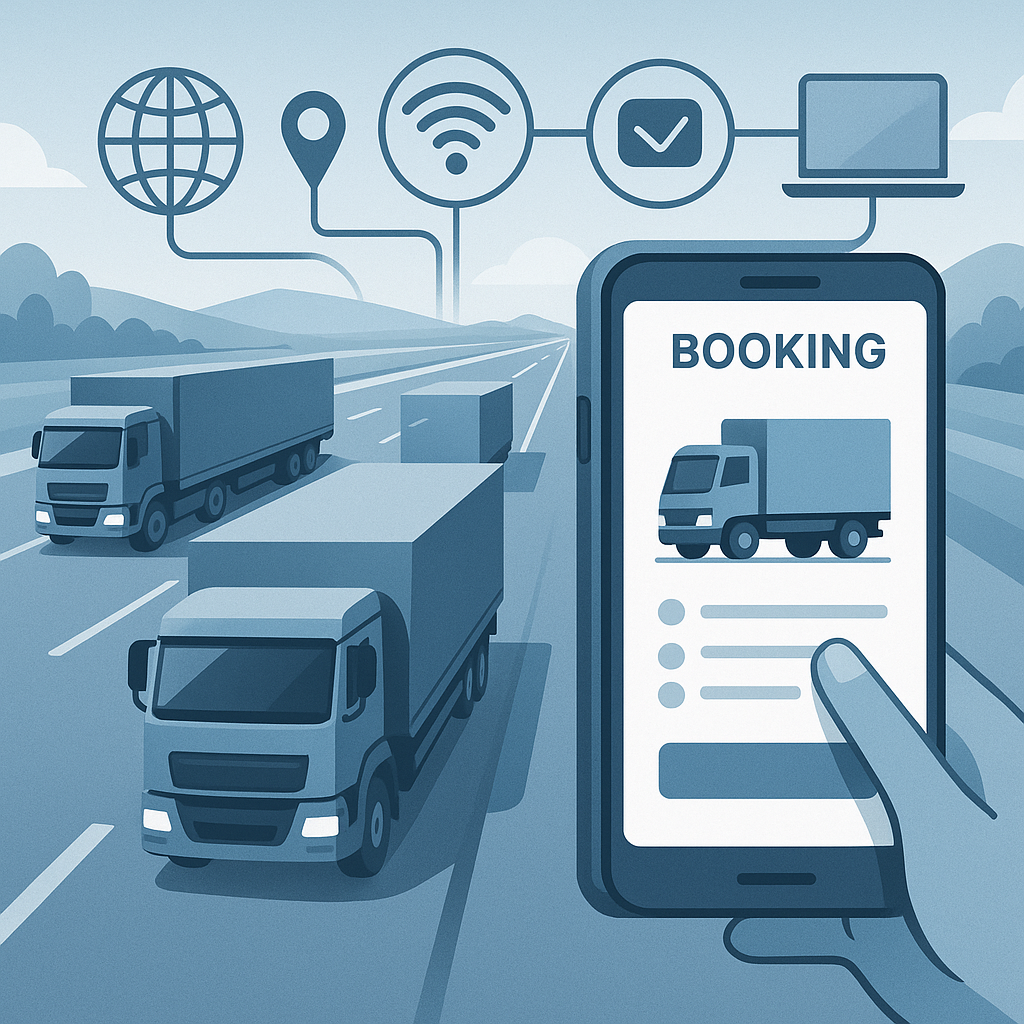
Digital freight booking replaces manual rate requests and phone-based coordination with a structured online workflow. Shippers enter shipment details into a platform, where available carrier options can be reviewed and selected within the same system.
Centralized Load Posting and Carrier Access
Instead of reaching out to carriers individually, shippers can manage freight requests through a centralized platform. This simplifies coordination and helps teams respond faster to changing capacity needs, especially during peak shipping periods.
Tracking Shipments from Pickup to Delivery
Once a shipment is booked, tracking information is available in one place. Operations teams can monitor progress, identify delays, and share updates without switching between tools. This visibility helps improve communication and planning across the organization.
Platforms such as Truxweb focus on connecting shippers and carriers through centralized workflows that support trucking logistics without adding unnecessary complexity..
Platforms vs Traditional Brokers in Trucking Logistics
Traditional freight brokers have long played a role in trucking logistics by coordinating shipments on behalf of shippers. While this model can work for lower volumes, it often relies on manual communication and limited visibility.
Digital platforms introduce a more standardized approach. Instead of managing each shipment through separate conversations, platforms centralize booking, tracking, and documentation. This makes freight activity easier to monitor and scale over time.
Operational Benefits of Platform-Based Freight Management
With a platform-led approach, shipment information is consistent and accessible. This reduces delays caused by miscommunication and helps teams maintain better oversight of ongoing operations. As volumes increase, standardized workflows become especially valuable for maintaining service levels without expanding administrative workload.
The Role of Visibility in Efficient Trucking Logistics
Visibility is one of the most important factors in effective trucking logistics. When teams know where shipments are and how they are progressing, they can plan more accurately and respond faster to issues.
Improving Planning and Coordination
Centralized tracking allows dispatch and operations teams to identify potential disruptions early. This supports better decision-making and helps maintain reliable delivery timelines, especially across long Canadian routes.
Supporting Better Customer Communication
Accurate shipment visibility also improves communication with customers. When updates are readily available, teams can provide clearer delivery expectations and reduce uncertainty.
Scaling Trucking Logistics with Digital Platforms
As businesses grow, trucking logistics must scale without becoming harder to manage. Adding more manual processes often leads to inefficiencies and higher error rates.
Digital freight platforms are designed to support growth by maintaining consistent workflows as shipment volumes increase. This allows teams to manage more freight using the same systems and processes, rather than adding layers of coordination.
For Canadian shippers expanding into new regions or increasing shipment frequency, this scalability helps maintain operational stability while supporting long-term growth.
Conclusion
Trucking logistics is evolving as digital platforms reshape how freight is planned, booked, and tracked. Manual processes that once supported smaller operations are increasingly difficult to scale in today’s high-volume environment.
By centralizing freight booking, carrier coordination, and shipment visibility, trucking logistics software helps shippers and carriers operate more efficiently. Platforms like Truxweb support modern trucking operations by providing structured workflows and clearer oversight, allowing teams to focus on execution and planning rather than manual coordination. As freight demands continue to grow, digital platforms are becoming essential tools for efficient trucking logistics.
Simplify trucking logistics with Truxweb, a centralized platform that helps shippers and carriers manage booking, coordination, and shipment visibility more efficiently.
Frequently Asked Questions (FAQs)
What is trucking logistics software?
Trucking logistics software is a digital system that helps manage freight booking, carrier coordination, shipment tracking, and operational workflows in one place.
How does trucking logistics software help shippers?
It reduces manual work, improves shipment visibility, and makes it easier to manage freight operations as shipment volumes grow.
How does digital freight booking work?
Shippers enter shipment details into a platform, review available carrier options, confirm the shipment digitally, and track progress through delivery.
What is the difference between a freight platform and a broker?
A broker coordinates shipments on behalf of the shipper, often through manual communication. A freight platform provides a centralized system where booking and tracking are managed digitally.
Can trucking logistics software be used for Canadian freight?
Yes. Digital freight platforms are commonly used for regional and cross-province trucking operations across Canada.
How does shipment visibility improve logistics operations?
Centralized visibility helps teams monitor shipments, identify delays early, and communicate accurate updates to internal teams and customers.
Does trucking logistics software replace logistics teams?
No. It supports logistics teams by streamlining routine tasks and improving access to information, allowing teams to focus on planning and oversight.
Can trucking logistics software scale with growing freight volume?
Yes. Digital platforms are designed to handle higher shipment volumes without adding administrative complexity.
What types of businesses use trucking logistics platforms?
Manufacturers, distributors, retailers, and other businesses that ship freight regularly use these platforms to improve efficiency and control.
Why are more companies adopting digital trucking logistics platforms?
As freight operations become more complex, digital platforms help businesses improve efficiency, visibility, and consistency across their trucking logistics.