

Introduction
Air freight shipping is changing fast. What was once managed through phone calls, spreadsheets, and long email chains is now moving into unified, cloud-based workspaces. Digital air freight platforms bring quoting, carrier selection, documentation, and tracking into one place, giving shippers more control over international air freight with far fewer handoffs.
Instead of juggling multiple systems and contacts, teams can manage air shipments end to end with clear visibility at every stage. This shift reduces delays, improves coordination, and makes it easier to move urgent freight with confidence.
From Legacy Processes to Unified Platforms
Traditional air freight often meant negotiating with one carrier at a time and tracking updates across disconnected tools. Modern platforms replace that approach with a single interface where shippers can compare transit times, service options, and air freight rates side by side.
Because data flows through one system, decisions are faster and errors are reduced. Automated workflows limit manual re-entry, while shared visibility improves reliability for both small shipments and complex international moves.
Compliance and End-to-End Coordination
Air freight involves strict documentation and regulatory requirements, especially for cross-border shipments. Digital connections with customs systems, financial partners, and airport handlers can streamline tasks such as creating electronic air waybills, managing duties, and confirming proof of delivery. For shipments entering or leaving Quebec, bilingual platform support ensures compliance with provincial documentation standards.
By centralizing compliance steps, platforms reduce administrative effort and lower the risk of delays at borders or airports. This structure is especially valuable for shippers managing frequent or time-sensitive international air freight.
What Air Cargo Shipping Is and When It Is Used
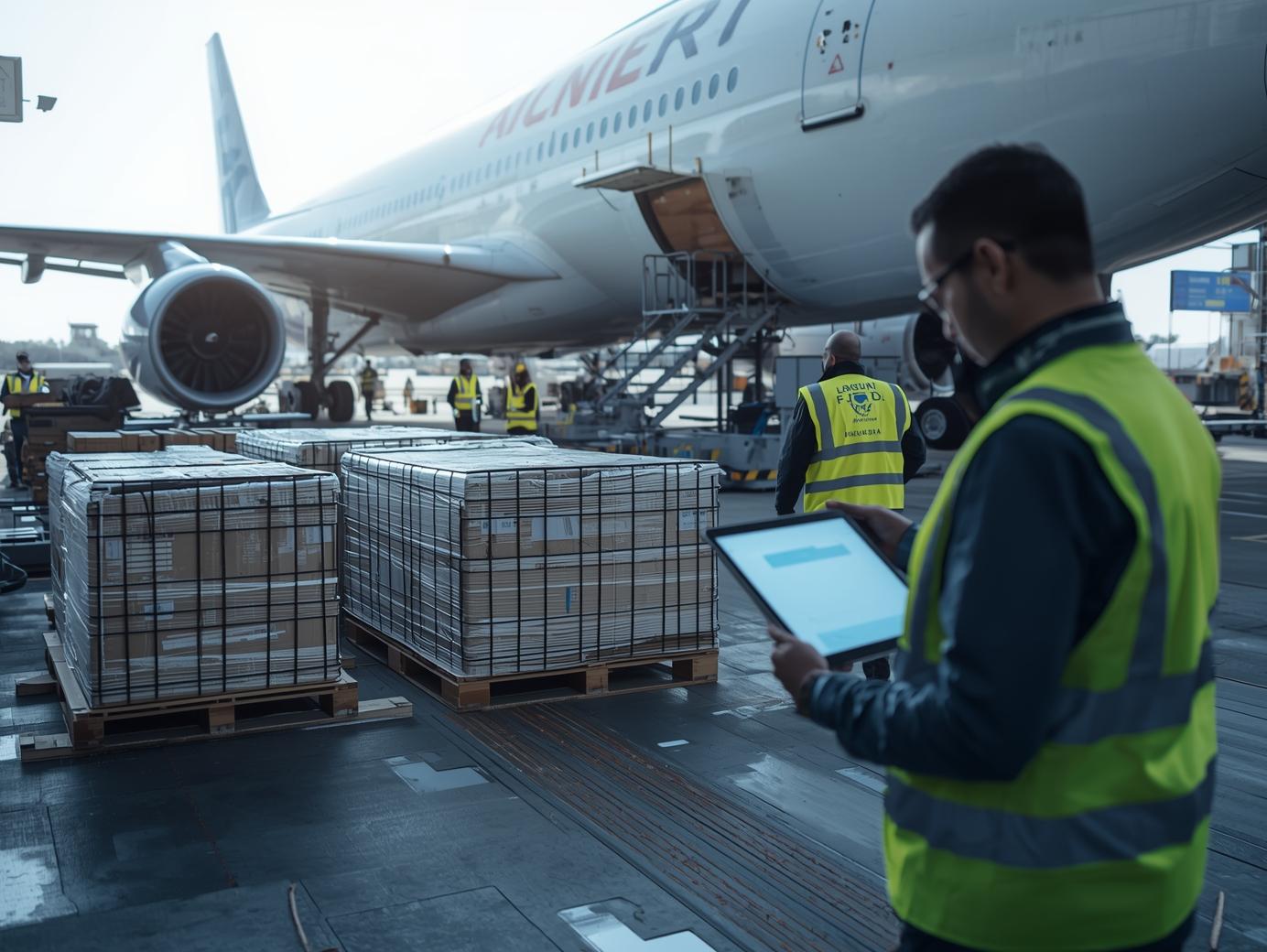
At its core, air cargo shipping moves goods using dedicated freighter aircraft or passenger aircraft belly space. It is designed for speed and tight operational control. Air freight is most often used for high-value goods, perishables, medical supplies, and products with strict delivery deadlines.
When timing matters more than cost per unit, air becomes a critical tool within a broader logistics strategy.
How the Air Freight Workflow Runs
Successful air freight operations follow a clear and disciplined sequence. Each step is designed to reduce rework and keep shipments moving quickly.
Preparation and consolidation involve proper packing, labeling, and capturing accurate dimensions and weight to calculate chargeable weight.
Security screening and documentation include safety checks, air waybill creation, and customs pre-clearance.
Booking and capacity assignment focus on selecting the right flight and route based on service level and available space.
Airport handoff, flight, and recovery cover cargo tendering, the flight itself, customs clearance, and scheduling final delivery.
Digital air freight booking software automates many of these steps. Documents are generated electronically, compliance checks are embedded into the workflow, and status updates are synchronized from multiple data sources. Teams work from a single source of truth from pickup through final delivery.
Door-to-Door Visibility
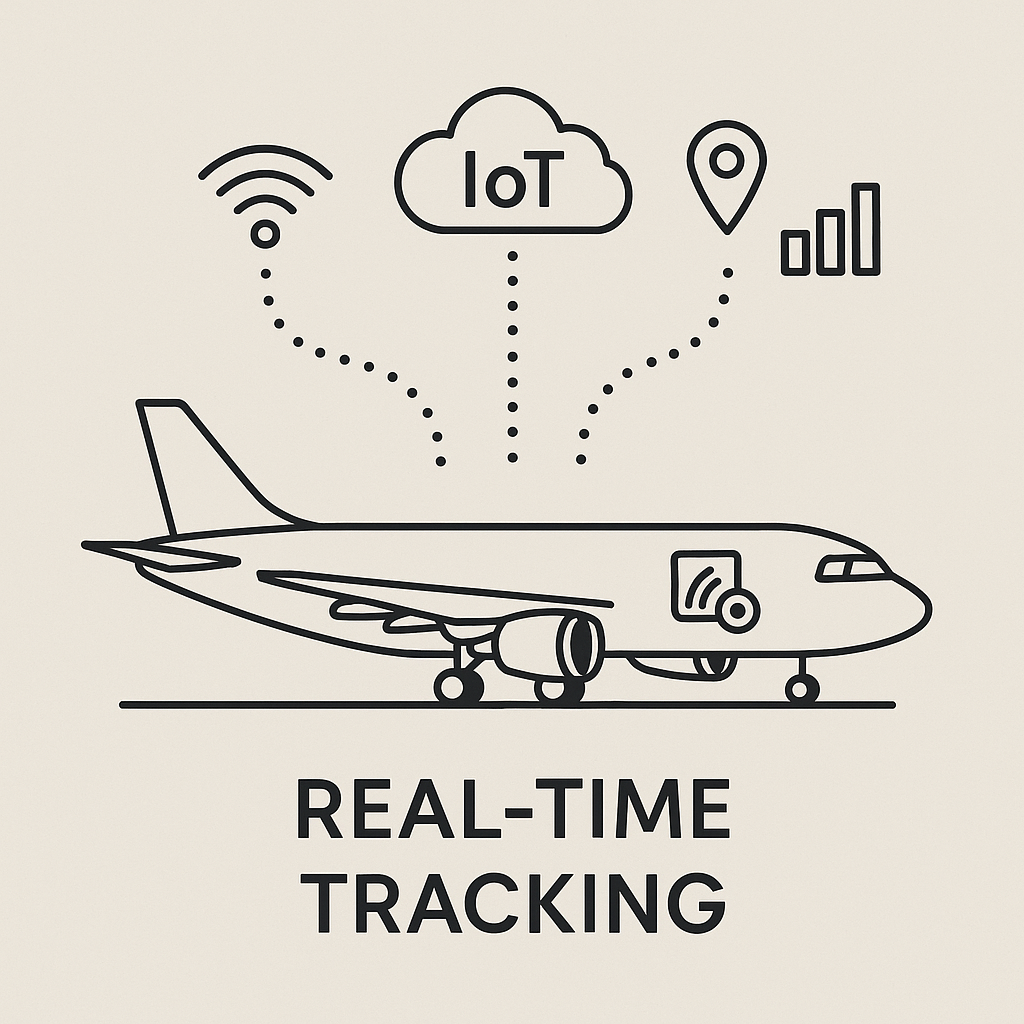
Unified dashboards allow teams to monitor key milestones such as departure, arrival, customs clearance, and last-mile delivery in one place. This visibility makes it easier to manage exceptions early and communicate accurate updates to customers without waiting for manual confirmations.
Strategic Advantages of Air Freight Services
Shippers choose air cargo to shorten lead times, protect sensitive products, and maintain service during urgent demand. Used thoughtfully, air freight helps companies keep inventories lean, meet tight delivery promises, and respond quickly to supply disruptions.
Balancing Speed and Total Landed Cost
While air freight is more expensive per kilogram than other modes, many shippers offset that cost in other ways. Faster delivery reduces inventory carrying costs, lowers the risk of theft or damage, and prevents lost sales caused by stockouts.
Digital platforms help by providing clear, all-in pricing and historical lane data. This allows teams to plan predictable volumes under contract rates while using spot capacity strategically during peak periods.
Operational Comparison: Air Freight vs. Sea Freight
Air Freight vs Ocean Freight
When comparing modes, air excels in speed while ocean excels in scale and cost efficiency. Modern air cargo platforms make these trade-offs easier to evaluate by showing side-by-side quotes and transit scenarios.
Air is best suited for urgent, high-value, or temperature-sensitive goods.
Ocean works better for bulky, low-value, or non-urgent replenishment.
Many shippers use a hybrid approach, flying critical SKUs while moving base inventory by sea.
Seasonality, capacity constraints, and disruption risk often drive when to rebalance between modes.
This blended strategy protects service where it matters most while keeping overall logistics spend under control.
Booking and Tracking Air Freight Online
Booking air freight online is now similar to booking a passenger flight. Shippers enter origin, destination, weight, dimensions, and commodity details, then choose the best option based on price and transit time. Documents are uploaded digitally, payment is handled securely, and status updates follow automatically.
After booking, a centralized dashboard tracks each milestone, including tendering, departure, arrival, customs clearance, and final delivery. Early alerts allow teams to intervene before small issues become major delays.
Understanding Air Freight Rate Dynamics
Air freight pricing is driven by chargeable weight, which compares actual weight to dimensional weight. Other factors include lane imbalances, fuel costs, security fees, and seasonal demand.
Transparent quoting and access to historical data help teams forecast spend more accurately and avoid unexpected charges.
Integration and Scalability
Modern platforms connect directly with ERP and warehouse systems, eliminating manual rekeying and improving data accuracy. Audit trails ensure all parties stay aligned.
For door-to-door shipments, air freight platforms often coordinate first-mile pickup and last-mile delivery through trucking partners. This keeps tracking continuous from origin to destination instead of breaking visibility at handoff points.
Common Air Freight Booking Mistakes That Delay Shipments
Most air freight delays that shippers blame on the carrier actually start with the booking itself. Declaring an approximate chargeable weight instead of the carrier-calculated volumetric weight is the most frequent one, since air cargo is billed on whichever is greater, and a mismatch discovered at the warehouse can bump a shipment to a later flight. Booking a commodity description that is too generic to satisfy customs pre-clearance is another, particularly on cross-border lanes where a vague description triggers a manual review instead of an automatic release. Missing dangerous goods declarations for items that do not look hazardous, lithium batteries in packaged electronics being the most common surprise, will hold a shipment at the tarmac regardless of how far in advance it was booked. Building a short pre-booking checklist that confirms volumetric weight, a specific commodity description, and any battery or hazardous content is usually enough to avoid the reschedules that erode air freight speed advantage.
Conclusion
Digital platforms are reshaping air freight from a manual, opaque process into one that is visible and controlled. With real-time tracking, transparent pricing, and coordinated workflows, shippers can use air freight precisely where it delivers the most value.
Rather than defaulting to air or avoiding it entirely, teams can now make informed decisions that balance speed, cost, and reliability within a broader logistics strategy.
Need to move urgent freight without the manual headache?
Use Truxweb to simplify your logistics strategy and gain end-to-end visibility from the first mile to final delivery.
Frequently Asked Questions (FAQs)
What is air freight?
Air freight is the transport of goods by aircraft, used when speed and reliability are more important than cost.
How does air cargo shipping work?
A digital platform manages carrier selection, documentation, customs processing, and live tracking from pickup to delivery.
Can I book air cargo online?
Yes. Most modern platforms allow you to compare rates, reserve capacity, upload documents, and pay online.
Is air freight faster than ocean freight?
Yes. Air freight typically delivers in days, while ocean shipping usually takes weeks.
What determines air freight rates?
Rates depend on chargeable weight, lane demand, fuel costs, and security surcharges.
How do I track air freight shipments?
Use the platform dashboard and air waybill number to receive live milestone updates.
Is air freight suitable for perishable goods?
Yes. Temperature-controlled handling and specialized processes protect sensitive products.
What documents are required for air cargo?
Common documents include the air waybill, commercial invoice, packing list, and required export declarations.
How much does international air freight cost?
Costs vary by route and season, typically ranging from a few dollars per kilogram upward depending on urgency.
Why choose air cargo logistics?
Air freight provides speed, visibility, and global reach, making it essential for time-critical supply chains.