


Introduction
In today's logistics environment, 3PL logistics has moved well beyond being a cost-cutting option. For many shippers, it has become a strategic way to improve service levels, simplify operations, and stay flexible as demand changes. Partnering with a third-party logistics provider allows companies to tap into established infrastructure, proven processes, and experienced carrier networks without carrying the full cost and complexity in-house.
Through 3PL services such as warehousing, transportation, and order fulfillment, shippers can scale up or down while maintaining consistency and control. When these relationships are supported by a unified digital layer, such as a freight platform like Truxweb, coordination between shippers, carriers, and service providers becomes easier. Real-time visibility and shared workflows help reduce friction across the supply chain.
What Is 3PL and Why It Matters for Shippers
Third-party logistics, commonly referred to as 3PL, involves outsourcing logistics functions to a specialized provider. These functions typically include warehousing, transportation management, order fulfillment, and returns handling. Instead of building and managing these capabilities internally, shippers rely on providers that already operate at scale.
3PL logistics companies bring centralized expertise, established systems, and flexible networks that can adapt to shifting volumes and market conditions. For shippers, this translates into faster throughput, better inventory control, and more reliable carrier coordination, especially in high-volume or multi-location operations.
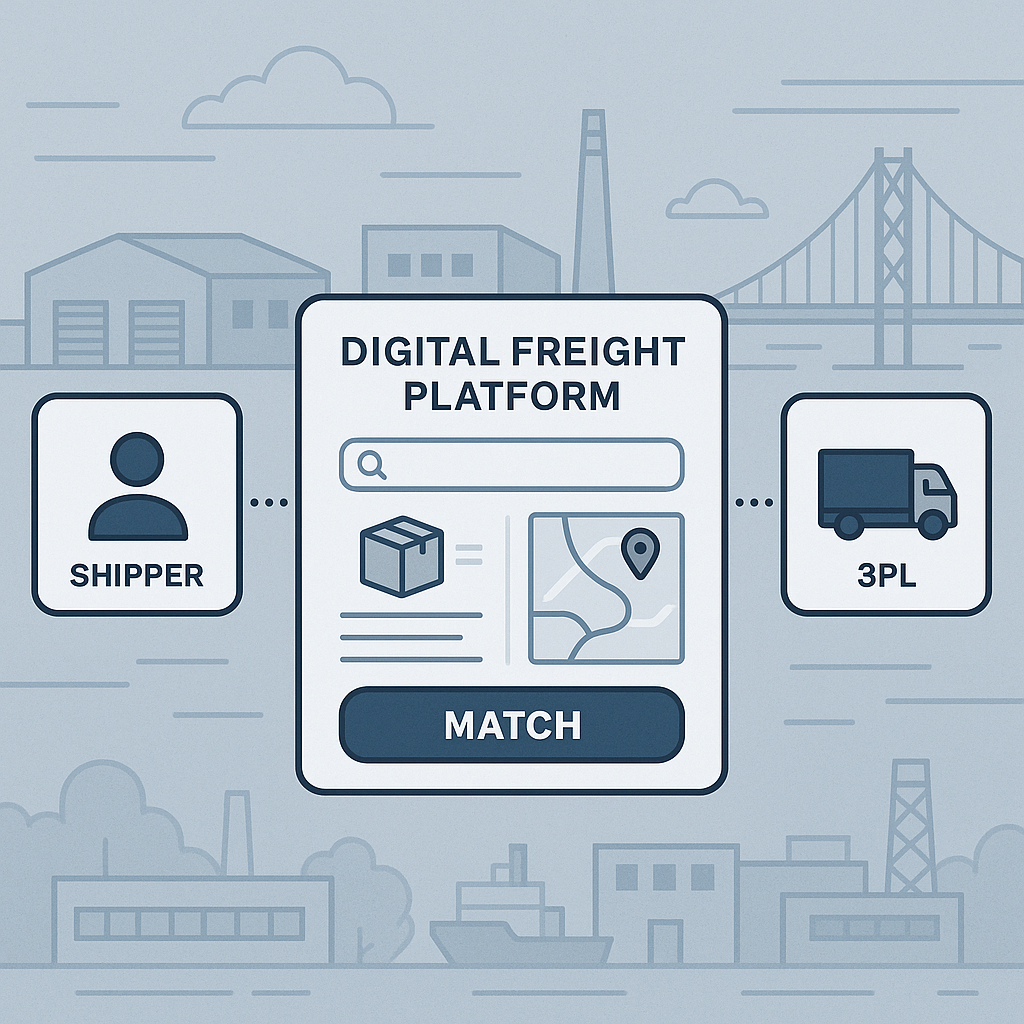
Many shippers now rely on digital 3PL platforms and freight marketplaces to manage these relationships. Platforms that support real-time tracking, automated dispatch, and standardized communication reduce manual work and limit errors. Whether supporting an ecommerce operation or a manufacturing distributor, outsourcing logistics helps simplify execution while improving responsiveness.
Outsourcing logistics to a capable provider is backed by clear operational outcomes. Shippers consistently report improvements in service reliability, cost control, and overall efficiency when working with experienced 3PL partners. Several advantages continue to shape modern supply chains.
1. Cost Reduction Through Scale and Optimization
One of the most immediate benefits is lower transportation and warehousing costs. Providers use consolidated freight volumes to negotiate better rates, design efficient routes, and reduce empty miles. In less-than-truckload environments, consolidation and cross-docking help lower the cost per shipment.
Shippers also avoid capital investments tied to fleets, long-term warehouse leases, and custom software. Shared infrastructure turns fixed costs into variable spend that scales with demand. Many organizations see measurable reductions in logistics costs, often in the range of ten to twenty percent, depending on volume and service mix.
2. Access to Technology and Real-Time Visibility
Building and maintaining advanced logistics technology internally is expensive and time-consuming. 3PL providers typically offer warehouse management systems, transportation tools, route optimization, and performance analytics as part of their service.
This gives shippers end-to-end visibility into shipment status, estimated delivery times, and exceptions. Better data supports more accurate planning and faster response to issues, while analytics help reduce inventory shortages and improve on-time delivery performance.
3. Scalability for Demand Fluctuations
Demand rarely stays constant. Seasonal peaks, promotions, and market shifts can strain in-house operations. 3PL providers offer flexible labor, storage, and transportation capacity that adjusts as volumes change.
This flexibility is especially valuable for cross-border or multi-region shipping, where experienced partners manage customs processes, compliance requirements, and handoffs between networks without adding complexity for the shipper.
4. Expertise, Compliance, and Risk Management
Regulatory requirements, carrier compliance, and safety standards continue to grow more complex. Established providers maintain processes to manage documentation, customs filings, and regulatory obligations across regions.
For international movements, this includes handling duties, taxes, and import or export requirements. Strong carrier relationships and contingency planning also reduce risk when disruptions occur.
5. Faster Delivery and Better Customer Experience
Optimized routing, accurate inventory placement, and distributed fulfillment networks shorten transit times and improve delivery reliability. Many providers position inventory closer to customers, enabling same-day or next-day delivery in key markets.
Transparent tracking reduces customer inquiries and builds trust, contributing directly to higher satisfaction and repeat business.

How to Choose the Right 3PL Provider
Running logistics internally requires significant investment in people, facilities, systems, and expertise. These fixed costs can become difficult to manage during downturns or periods of uncertainty.
3PL models offer variable cost structures and shared infrastructure, allowing shippers to pay for what they use. Performance-based agreements, clear service levels, and measurable KPIs make outcomes more transparent.
While 3PL providers focus on execution, such as warehousing and transportation, 4PL models take on broader orchestration of the entire supply chain. Many shippers start with targeted 3PL engagements and move toward 4PL only when network complexity and scale require a single coordinating layer.
Selecting the right partner requires more than comparing rates. Shippers should evaluate technology, network coverage, operational discipline, and cultural fit.
Look for providers with strong warehouse management capabilities, reliable API integrations, and experience handling similar shipment profiles. References, case studies, and performance data are essential for validation.
Cost structure matters, but so does execution. Providers should demonstrate consistent visibility, dependable service, and compliance as volumes fluctuate. Real-time tracking, automated picking, and flexible capacity planning are critical, particularly during peak periods.
Equally important is system compatibility. Seamless data flow between ERP systems, order management tools, and the provider's platform reduces friction. An intuitive interface, such as the one used by Truxweb, can speed onboarding and improve day-to-day coordination.
Global Capabilities and International Logistics
For shippers expanding beyond domestic markets, experienced logistics partners play a critical role. Managing cross-border movements requires knowledge of customs processes, regional regulations, and multi-leg transportation planning. For companies moving goods through Quebec, bilingual logistics support helps prevent communication delays at the border.
Providers with established international partnerships help reduce delays, manage documentation accurately, and maintain service consistency. Digital platforms that support international workflows and shipment visibility simplify coordination without requiring major internal investment.
Conclusion
The benefits of working with a strong 3PL partner are clear. Cost efficiency, access to modern technology, scalable capacity, compliance expertise, and reliable execution make outsourcing a core component of modern supply chain strategy.
When paired with digital freight platforms that improve visibility and coordination, these advantages multiply. Platforms like Truxweb help connect shippers and carriers through shared data and streamlined workflows, supporting efficient operations at scale.
Choosing a 3PL is no longer just about outsourcing tasks. It is about strengthening logistics capabilities to meet current demands while building resilience for future growth.
Ready to scale your logistics without the overhead?
Join the businesses using Truxweb to simplify 3PL coordination and gain end-to-end visibility on every shipment.
Frequently Asked Questions (FAQs)
What is 3PL?
3PL refers to outsourcing logistics functions such as warehousing, transportation, and fulfillment to specialized providers.
What services do 3PL providers offer?
Common services include warehousing, order fulfillment, transportation management, inventory control, and returns processing.
How does 3PL work?
Shippers integrate their systems with the provider's platform to manage orders, storage, shipping, and tracking through shared workflows.
Why do companies use 3PL logistics?
Shippers reduce costs, gain access to advanced technology, scale faster, and improve service while focusing on their core business.
How do I choose the right 3PL partner?
Evaluate technology, network reach, cost structure, performance metrics, and references from similar operations.
Can 3PL providers handle international shipping?
Yes. Many providers manage customs compliance, documentation, and cross-border transportation through established networks.
How much does 3PL cost?
Pricing depends on volume, services, and lanes. Many shippers see meaningful savings compared to running logistics in-house.
Is 3PL better than in-house logistics?
In many cases, yes, especially when flexibility, scalability, and access to technology are priorities.
What makes a good 3PL partner?
Strong execution, transparent reporting, scalable capacity, compliance expertise, and consistent on-time performance.