

Introduction
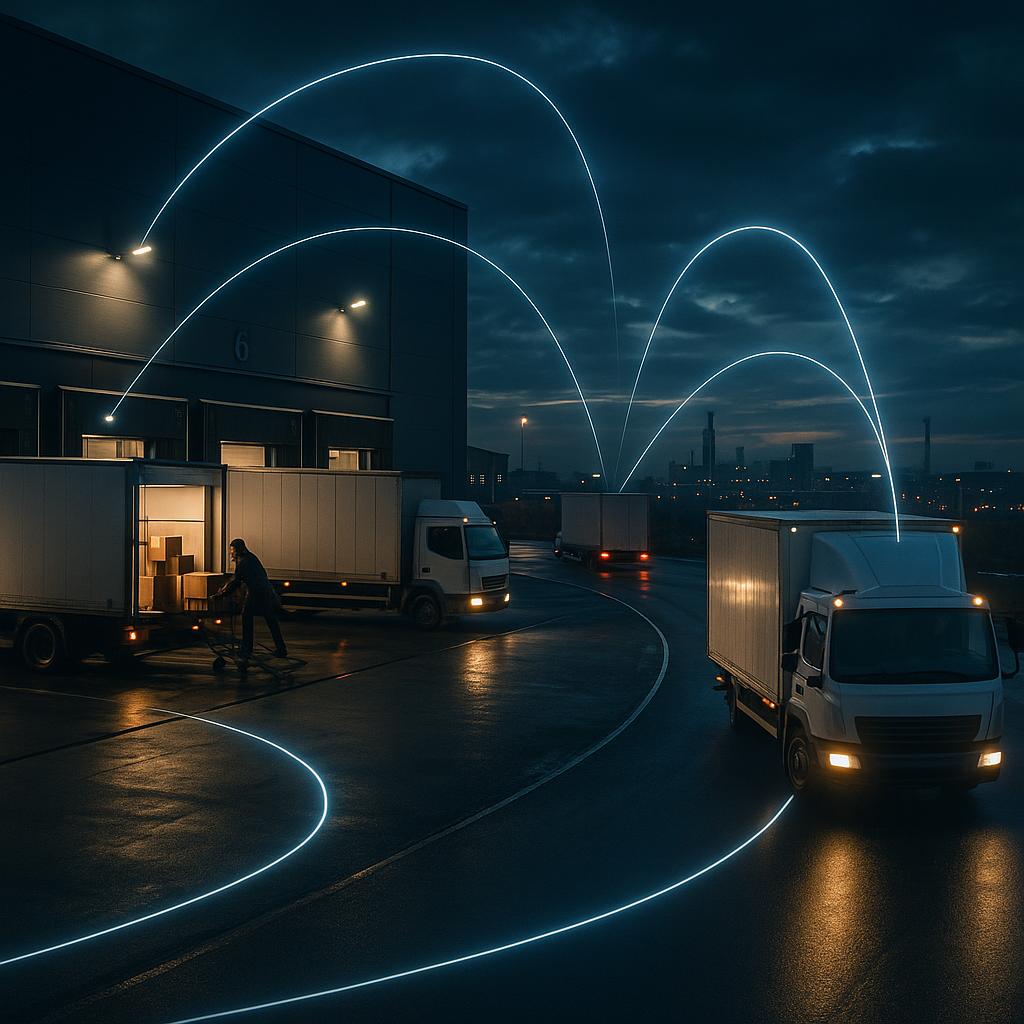
Last mile delivery has become the most complex and cost-intensive stage of modern logistics. As e-commerce volumes rise and customer expectations tighten, businesses are under pressure to deliver faster, cheaper, and with complete visibility. This final leg of the supply chain directly impacts customer satisfaction, repeat purchases, and brand perception.
To manage this complexity, shippers and logistics teams increasingly rely on digital last mile delivery platforms. These tools help coordinate dispatch, optimize routes, provide real-time tracking, and reduce the operational friction that drives up last mile costs. Choosing the right platform is now a strategic decision for companies aiming to scale delivery operations without sacrificing reliability.
What Is Last Mile Delivery?
Last mile delivery refers to the final transportation step where goods move from a local distribution hub or fulfillment center to the end customer. It is the most customer-facing part of logistics and often the most operationally challenging.
This stage includes route planning, driver dispatch, delivery confirmation, and customer communication. Because deliveries are fragmented across many destinations, last mile execution requires precise coordination to avoid delays, failed delivery attempts, and excessive costs.
What Is Last Mile Logistics?
Last mile logistics goes beyond the act of delivery itself. It includes planning, execution, and continuous optimization of the final leg of the supply chain. This involves inventory staging, carrier coordination, routing decisions, and performance tracking across urban, suburban, and rural delivery zones.
Modern last mile logistics relies on data and automation rather than manual processes. Digital platforms unify these activities into a single workflow, allowing teams to manage higher delivery volumes with greater consistency and control.
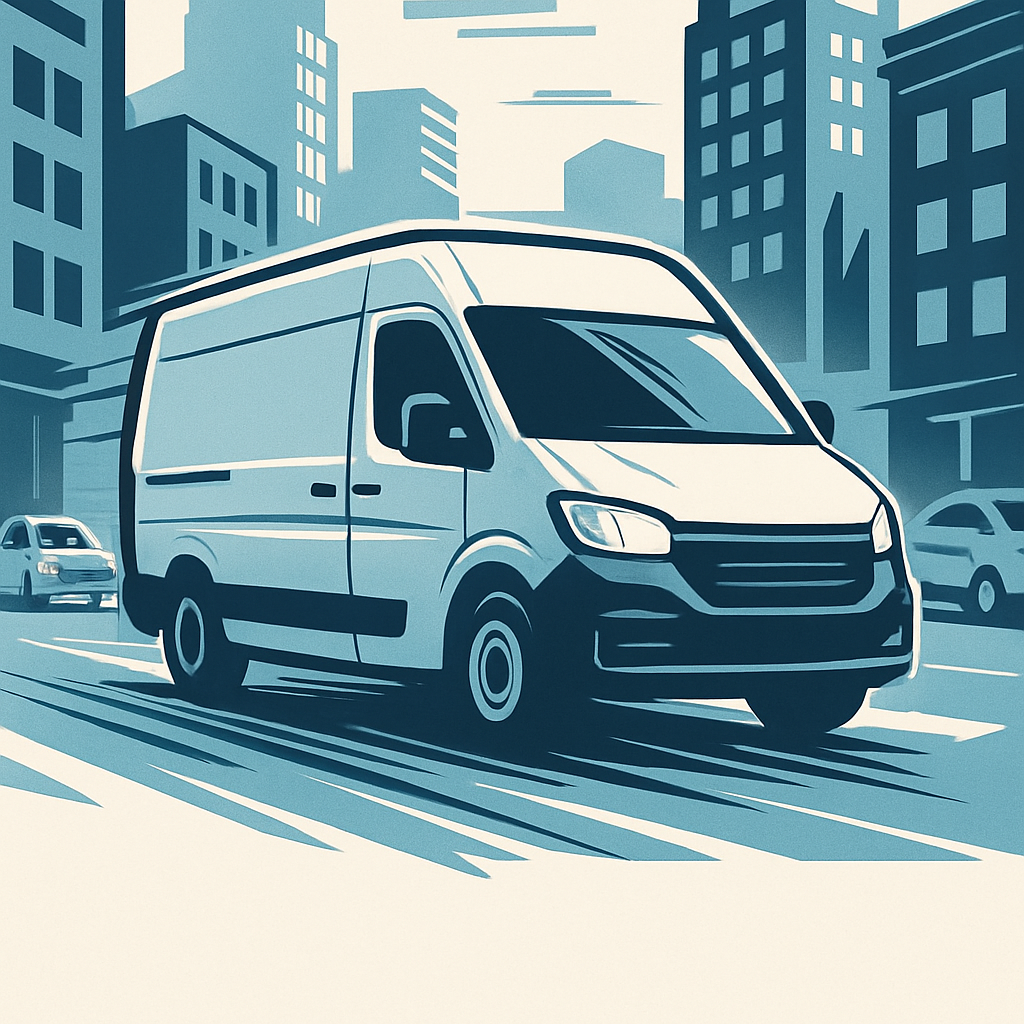
The last mile process typically begins at a regional hub where orders are sorted and grouped by delivery zones. Dispatch software assigns deliveries based on route efficiency, vehicle capacity, and delivery time windows.
Drivers receive routes and instructions through mobile applications, while customers receive delivery notifications and ETAs. Throughout the journey, platforms provide real-time visibility into delivery status, culminating in electronic proof of delivery.
Digital last mile systems reduce manual handoffs, improve accuracy, and make it easier to manage exceptions such as delays or failed attempts.
Why Is Last Mile Delivery Expensive?
Last mile delivery costs are driven by several structural challenges. Deliveries often involve short distances with low drop density, high labor input, and frequent stops. Failed delivery attempts, traffic congestion, and fuel price volatility further increase costs.
Without optimization, these inefficiencies compound as volume grows. Digital platforms address this by improving routing accuracy, increasing delivery density, and enabling proactive exception handling that prevents costly reattempts.
Why Last Mile Delivery Matters
The last mile shapes the customer experience more than any other logistics stage. Late or missed deliveries quickly erode trust, while reliable service strengthens brand loyalty.
For B2B operations, consistent last mile execution ensures continuity across supply chains and supports predictable inventory flows. Platforms that deliver accurate ETAs, transparency, and performance feedback help transform last mile delivery from a cost center into a competitive advantage.

Key Challenges in Last Mile Delivery
As delivery networks scale, operational complexity increases. Common challenges include failed first-attempt deliveries, inefficient routing, limited visibility across multiple carriers, rising labor costs, and growing sustainability requirements.
Digital platforms are designed to address these issues by centralizing data, automating workflows, and enabling coordination across all stakeholders involved in last mile execution.
How to Optimize Last Mile Delivery
Effective optimization combines strategic planning with operational discipline. Businesses improve performance by consolidating delivery zones, forecasting demand more accurately, enabling customer scheduling, and automating proof-of-delivery and exception handling.
Digital platforms unify dispatch, routing, and tracking in one environment, making it easier to implement these improvements consistently at scale.
What Is a Last Mile Delivery Provider?
A last mile delivery provider is a company or platform that manages delivery execution from the local hub to the end customer. Rather than owning all assets, many providers operate through carrier and driver networks, allowing flexible capacity while maintaining operational oversight.
These providers focus on service quality, visibility, and reliability, particularly in high-density or time-sensitive delivery environments.
Why Use Last Mile Delivery Software?
Last mile delivery software automates route planning, dispatch, customer notifications, and delivery confirmation. By replacing manual coordination, it reduces errors, shortens delivery cycles, and provides performance analytics for continuous improvement.
Teams gain better visibility into operations while drivers benefit from clearer instructions and fewer disruptions.
Comparing Digital Last Mile Delivery Platforms
Last mile platforms vary in focus and complexity. Some emphasize ease of use and customer notifications, while others specialize in orchestrating mixed fleets and third-party carriers at scale.
Platforms such as Onfleet, Bringg, FarEye, DispatchTrack, and LogiNext support different delivery models, from scheduled routes to on-demand and cash-on-delivery workflows. The best choice depends on delivery volume, geography, and integration requirements.
Digital freight marketplaces like Truxweb complement last mile execution by supporting carrier coordination and shipment visibility earlier in the logistics flow, helping teams align middle-mile and last mile operations more effectively.
Can Carriers Handle Last Mile Delivery?
Yes. Many carriers specialize in last mile delivery and integrate directly with digital platforms. Performance is typically measured using metrics such as on-time delivery rates, first-attempt success, cost per stop, and driver utilization.
When supported by the right technology, carrier networks can scale last mile delivery efficiently while maintaining service consistency.
Conclusion
Last mile delivery remains the most demanding segment of the supply chain, but it is also where digital transformation delivers the greatest impact. By adopting modern last mile delivery platforms, businesses can improve visibility, reduce costs, and deliver a more reliable customer experience.
As delivery volumes continue to grow, success depends on choosing platforms that unify dispatch, tracking, and analytics while remaining flexible enough to scale. Digital last mile solutions are no longer optional; they are essential for competitive, customer-centric logistics operations.
Improve last mile delivery visibility and coordination with Truxweb, a digital platform that connects shippers and carriers through streamlined logistics workflows.
Frequently Asked Questions (FAQs)
What is last mile delivery?
Last mile delivery is the final stage of logistics where goods move from a local hub or distribution center to the end customer.
Why is last mile delivery important?
It directly impacts customer satisfaction, delivery speed, and overall logistics costs, making it a critical part of the supply chain.
What is last mile logistics?
Last mile logistics includes planning, dispatch, routing, tracking, and proof of delivery for the final delivery leg.
Why is last mile delivery expensive?
Costs are driven by labor, fuel, congestion, failed delivery attempts, and low drop density across delivery routes.
How does last mile delivery work?
Orders are assigned at a hub, routed using dispatch software, delivered by drivers, and confirmed through digital proof of delivery.
What is a last mile delivery platform?
It is a digital system that manages routing, dispatch, carrier coordination, tracking, and delivery confirmation in one place.
Can last mile deliveries be tracked in real time?
Yes. Most modern platforms provide real-time tracking with live ETAs and delivery status updates.
What challenges do last mile platforms help solve?
They reduce failed deliveries, improve route efficiency, increase visibility across carriers, and lower operational costs.
Are last mile delivery platforms suitable for high-volume operations?
Yes. Digital platforms are designed to scale efficiently for e-commerce and dense delivery networks.
How should businesses choose a last mile delivery platform?
They should assess routing accuracy, visibility features, scalability, carrier flexibility, and ease of integration with existing systems.