

Introduction
Managing high-volume freight operations becomes increasingly difficult when teams rely on spreadsheets, emails, and fragmented carrier relationships. As shipment volumes grow, manual processes lead to delayed updates, missed pickups, rising freight costs, and unnecessary operational stress.
For businesses shipping hundreds or thousands of freight loads every month, a unified supply chain solution has become essential. Centralized carrier coordination, real-time shipment visibility, and automated dispatch workflows allow teams to scale efficiently without increasing administrative workload or losing control over transportation spend.
High-volume shippers face challenges that traditional logistics methods cannot solve at scale. Coordinating multiple carriers, comparing rates across lanes, optimizing load efficiency, and maintaining visibility across active shipments require technology built for freight execution. Modern supply chain platforms help shippers reduce costs, improve on-time performance, and grow without adding complexity.
Understanding Supply Chain Solutions for High-Volume Freight Operations
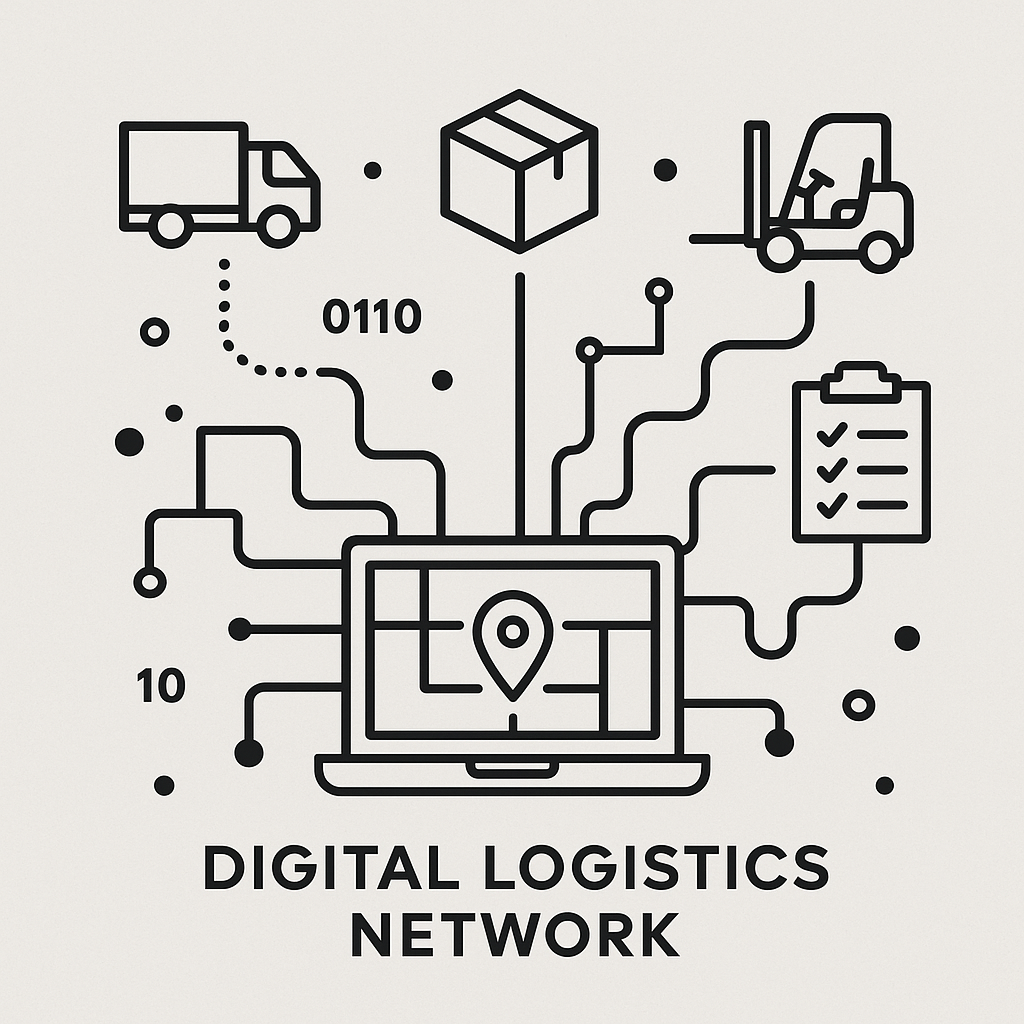
A modern supply chain solution brings freight planning, carrier selection, shipment tracking, and billing into one centralized system. Instead of juggling multiple tools or relying on constant phone calls and emails, shippers manage all freight activity from a single platform.
End-to-end platforms like Truxweb focus on simplifying freight execution by coordinating shippers and reliable carriers, offering instant rate comparisons, centralized booking, and real-time shipment tracking. This unified approach replaces fragmented workflows with a clear, consistent operating process.
Industry experience consistently shows that integrated platforms outperform disconnected systems by improving visibility, reducing manual errors, and enabling faster decision-making across freight operations.
Manual vs Digital Decision-Making in Freight Operations
The difference between manual coordination and a digital supply chain platform is speed, accuracy, and control.
Manual processes rely on emails, spreadsheets, and phone calls to collect rates, confirm availability, and track shipments. This slows response times, creates information gaps, and increases the risk of missed updates or billing errors.
Digital supply chain platforms automate key freight tasks such as carrier sourcing, load booking, shipment tracking, and status updates. Dispatch teams gain real-time visibility into active shipments and can respond quickly to delays, route changes, or capacity issues.
For high-volume operations, even small delays can create large downstream disruptions. A single day of delays across hundreds of loads can impact customer delivery schedules and drive up costs. Real-time visibility allows teams to identify risks early and take corrective action before problems escalate.
One of the fastest ways to protect margins in high-volume freight environments is improving load efficiency through smarter planning and consolidation.
Modern supply chain platforms optimize freight movement by:
- Consolidating compatible shipments to reduce total trips
- Comparing LTL, full truckload, and intermodal options
- Reducing empty miles through optimized routing
- Showing instant cost impact before loads are booked
With real-time visibility, optimization continues after a shipment is in transit. If a carrier encounters delays, the platform alerts the team and provides alternative options using available capacity. This proactive approach prevents last-minute expedited shipping, protects customer satisfaction, and maintains strong carrier relationships.
For shippers tied to production schedules, better coordination between freight planning and release timing helps prevent warehouse congestion, reduce inventory holding costs, and improve cash flow.
Unlocking Volume Discounts Through Carrier Relationship Management
Shipping volume only creates negotiating leverage when it is supported by clean data and consistent execution.
A data-driven supply chain platform tracks historical shipment patterns, lane performance, and carrier reliability. This data allows shippers to negotiate stronger agreements, reward reliable carriers with consistent freight, and maintain flexibility during demand fluctuations.
Well-structured volume agreements can significantly reduce freight costs. Carriers benefit from predictable freight flows, consolidated pickup windows, and optimized routing, while shippers gain better rates and service reliability.
In addition, digital platforms provide access to shared carrier networks and consolidation opportunities that allow shippers to benefit from volume-based pricing even if they are not yet shipping at enterprise scale.

Real-Time Visibility and Dispatch Optimization
As freight volumes increase, operational complexity quickly exceeds what teams can manage manually. Real-time visibility becomes essential for coordinating dozens of carriers and managing hundreds of daily shipments.
An integrated dispatch optimization layer manages load assignment, carrier communication, pickup scheduling, and route confirmation in one system. When delivery windows change or congestion occurs, the platform recalculates the impact across all affected shipments and recommends the best adjustments.
This leads to measurable improvements across operations, including:
- Higher on-time delivery performance
- More accurate customer ETAs
- Better carrier utilization
- Fewer last-minute disruptions
For shippers operating across multiple regions, a unified platform ensures consistent standards, centralized visibility, and scalable execution without adding operational overhead.
Strategic Implementation for Scalability
Deploying a platform is as much an operational transformation as a technology change, requiring planning, change management, and a commitment to continuous improvement.
Visibility First
Start by consolidating shipment data, carrier activity, and cost information into a single view. This reveals hidden inefficiencies, overuse of expedited freight, and underperforming lanes.
Automation Next
Gradually automate carrier selection, load booking, pickup scheduling, delivery confirmation, and invoice validation. Automation reduces manual errors, shortens cycle times, and frees teams to focus on exceptions and relationships.
Optimization Always
Apply routing, consolidation, and carrier performance insights continuously. Use performance data to refine decisions over time, improving cost efficiency, service reliability, and operational scalability.
Benchmarking Your Freight Spend as Volume Grows
High-volume shippers often track cost per shipment without a clear reference point for whether that number is actually competitive. A useful benchmark is cost per hundredweight by lane, tracked monthly and compared against your own trailing average rather than an industry-wide figure that rarely matches your specific freight profile. Watching that number drift upward over two or three consecutive months is usually the first real signal that a carrier relationship needs renegotiating or that a lane has quietly lost capacity. Pairing this benchmark with a simple on-time delivery percentage by carrier gives operations teams an early warning system that catches cost creep before it shows up as a bigger line item in the quarterly freight budget.
Conclusion
For high-volume shippers, a modern supply chain platform is a competitive necessity. Real-time visibility, automated freight execution, and continuous optimization across shipper–carrier operations create long-term advantages in cost control, service quality, and scalability.
Optimized loads reduce per-unit freight costs, improved visibility strengthens customer confidence, and centralized workflows support growth without increasing administrative complexity. For teams ready to move beyond manual coordination, adopting a unified freight platform is among the highest-return investments in logistics operations.
See how Truxweb simplifies high-volume freight execution.
Frequently Asked Questions (FAQs)
What is a supply chain?
A supply chain is the network of processes, organizations, and transportation activities that move goods from production through warehousing and freight delivery to the end customer.
How does a supply chain work?
A supply chain works by coordinating planning, transportation, carrier selection, and tracking to move goods efficiently while minimizing delays and costs.
What is a supply chain solution?
A supply chain solution is a digital platform that connects shippers and carriers through centralized tools for load planning, booking, tracking, and performance analysis.
Why use supply chain software for freight?
Supply chain software automates manual freight tasks, provides real-time shipment visibility, reduces errors, and enables cost optimization at scale.
How can high-volume shippers reduce freight costs?
Costs can be reduced through shipment consolidation, optimized routing, volume-based carrier agreements, and real-time decision-making supported by data.
What is load optimization?
Load optimization is the process of maximizing trailer space and selecting the most cost-effective shipping options to move the same volume with fewer trips.
How does real-time visibility help logistics teams?
Real-time visibility allows teams to track shipments, identify delays early, adjust routes, and communicate accurate ETAs to customers.
Can supply chain operations be fully digital?
Yes, modern freight platforms enable digital booking, tracking, billing, and performance analysis, eliminating the need for manual coordination.
How does carrier management improve shipping performance?
Tracking carrier performance and reliability helps shippers assign freight more effectively, improve service levels, and negotiate better rates.
How does freight impact the overall supply chain?
Freight directly affects delivery speed, customer satisfaction, and profitability. Optimized freight execution ensures goods move efficiently while controlling costs.