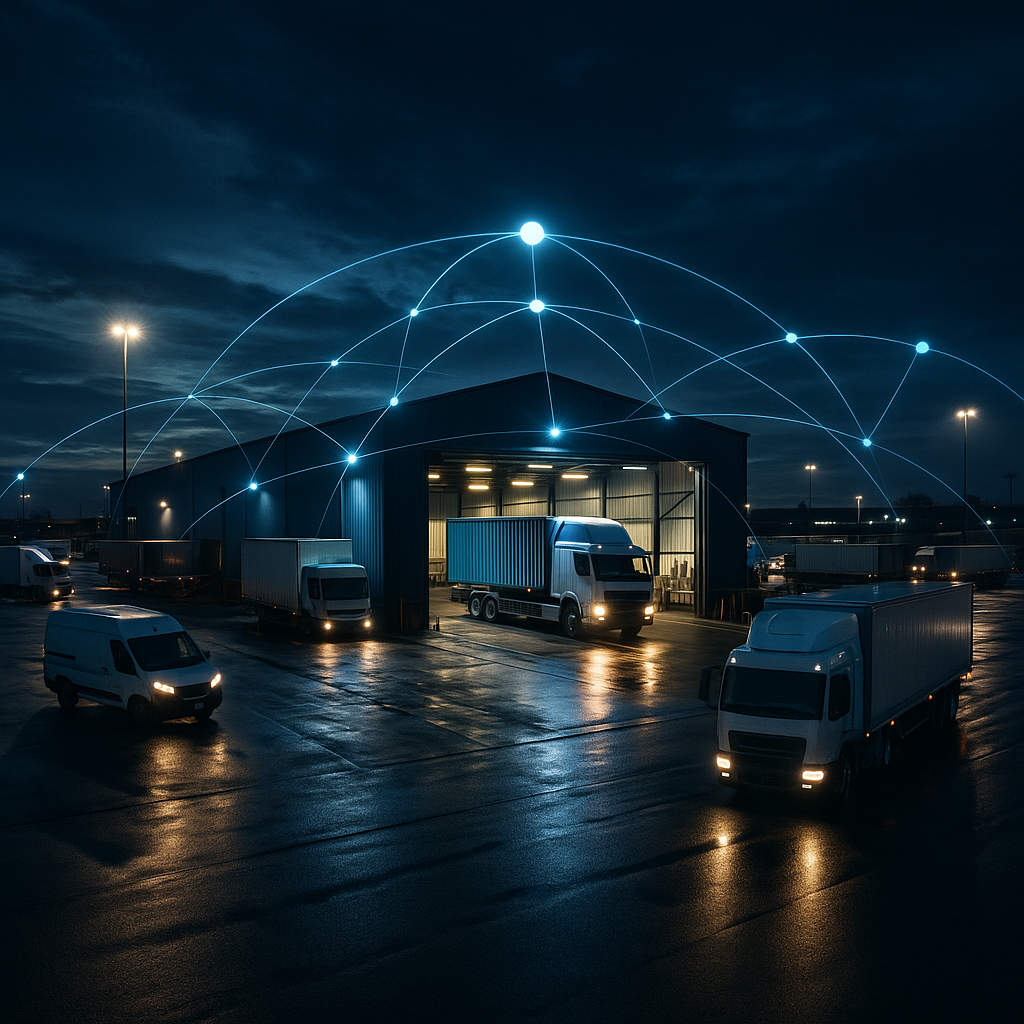
In today’s fast-moving supply chain environment, 3PL logistics plays a critical role in helping shippers manage complexity, control costs, and scale operations. Partnering with a reliable third-party logistics provider allows businesses to outsource transportation, warehousing, and fulfillment while maintaining visibility and control over their supply chain.
Rather than operating fleets, warehouses, and logistics technology in-house, shippers increasingly rely on experienced 3PL companies that bring established networks, operational expertise, and digital tools. When aligned correctly, 3PL logistics transforms supply chains from operational bottlenecks into flexible, growth-ready systems.
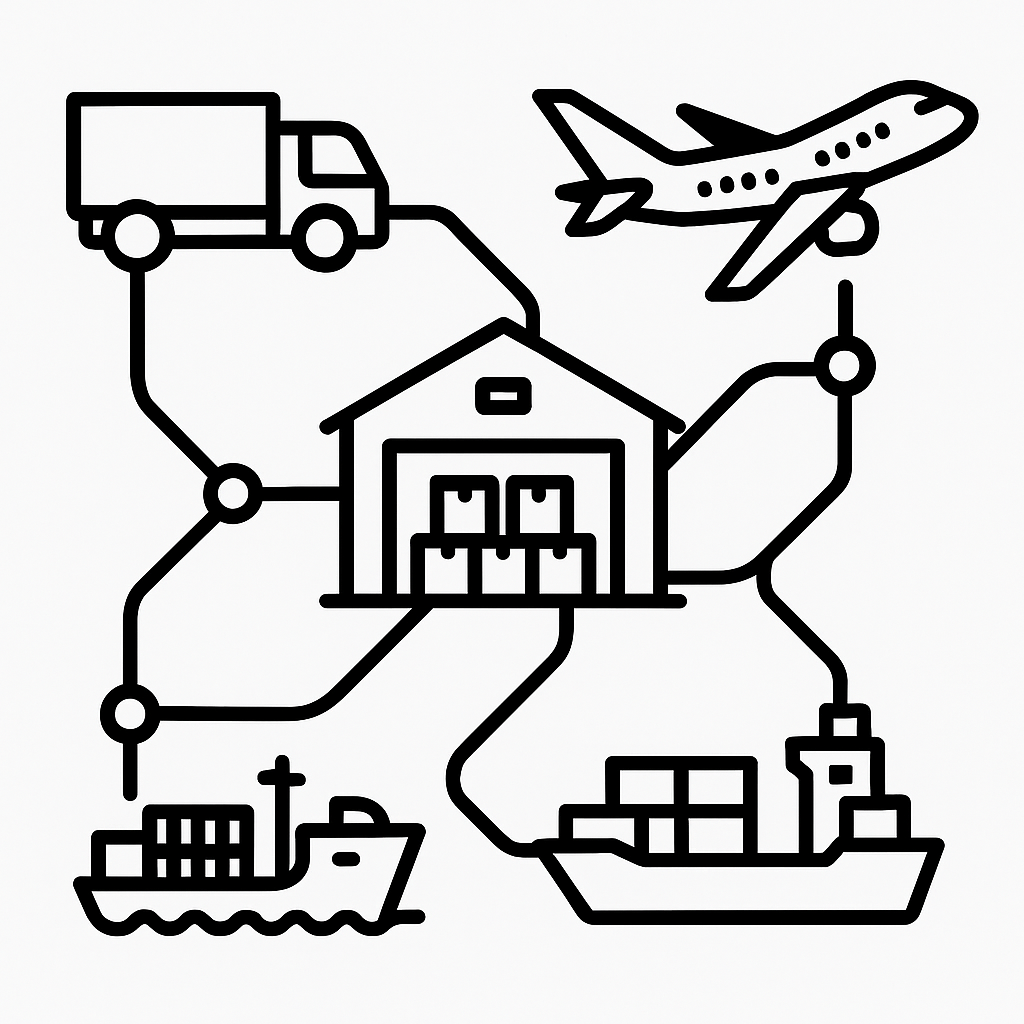
Third-party logistics, commonly referred to as 3PL, is the practice of outsourcing logistics functions to an external provider. These functions typically include transportation management, warehousing, inventory handling, and order fulfillment.
3PL providers act as an extension of a shipper’s operations. Instead of managing carriers, storage, and delivery internally, businesses rely on the provider’s infrastructure and expertise. This model is especially valuable for shippers handling fluctuating demand, multi-location distribution, or growing freight volumes.
For many shippers, 3PL logistics provides access to capabilities that would be costly and time-consuming to build independently. Established carrier networks, standardized processes, and technology platforms allow operations to remain efficient even as complexity increases.
A 3PL relationship typically begins with an assessment of the shipper’s logistics needs. The provider then integrates its systems and workflows to manage transportation, storage, and distribution on the shipper’s behalf.
On the transportation side, a 3PL coordinates freight movement by matching shipments with suitable carriers, managing schedules, and overseeing delivery execution. Warehousing and fulfillment services include receiving inventory, storing goods, picking and packing orders, and coordinating outbound shipments.
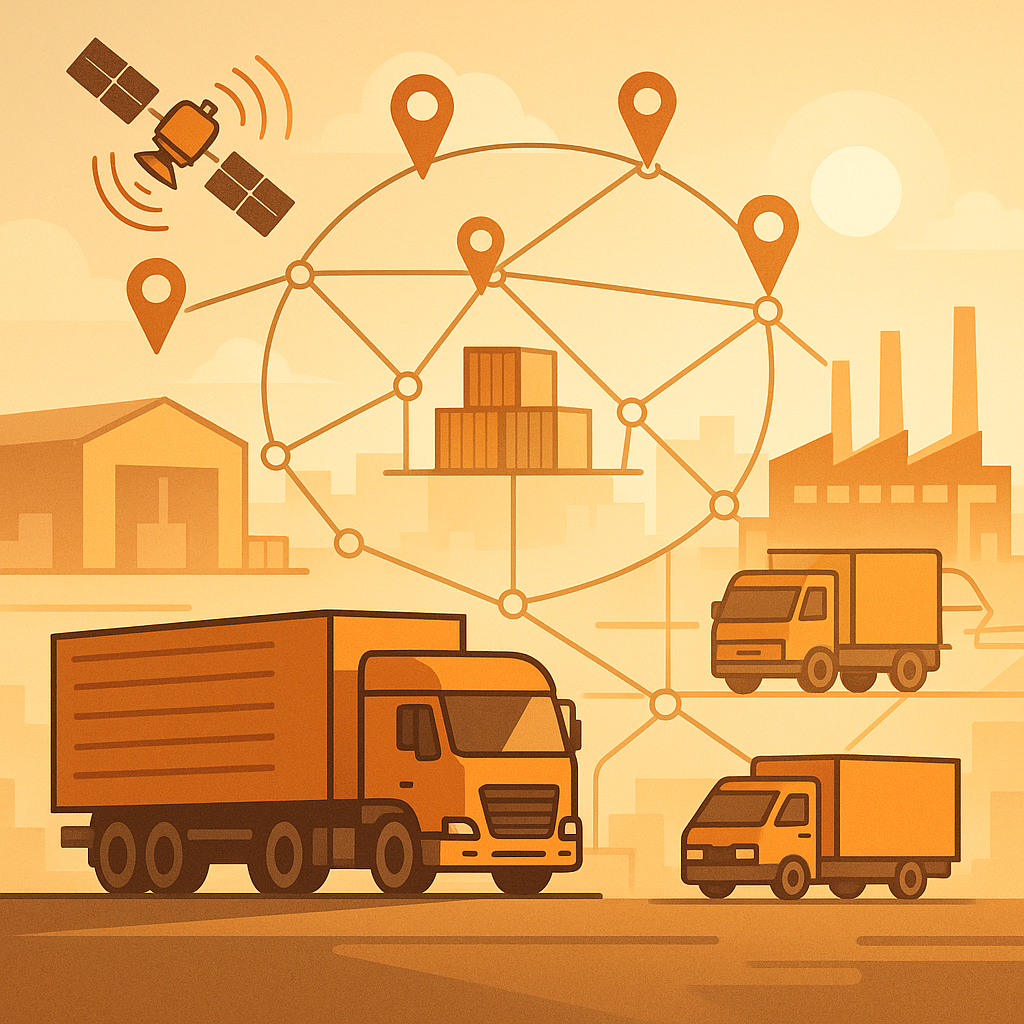
Digital platforms play an increasing role in how 3PL logistics operates. Centralized systems help providers manage multiple shipments efficiently while giving shippers visibility into inventory levels and shipment status. Platforms such as Truxweb support this model by helping streamline shipper–carrier coordination and improving shipment visibility within 3PL operations.
One of the primary reasons shippers adopt 3PL logistics is cost efficiency. Instead of investing capital in warehouses, fleets, and logistics staff, businesses pay for services as needed. This converts fixed costs into variable ones and helps control spending as volumes change.
3PL providers also benefit from economies of scale. By managing freight and storage for multiple clients, they can operate more efficiently than most individual shippers.
3PL logistics allows shippers to scale operations without disruption. During peak seasons or periods of growth, providers can expand capacity through their networks. When demand slows, shippers are not burdened with underused assets or excess staff.
This flexibility is particularly valuable for e-commerce businesses and companies entering new markets, where demand patterns can change quickly.
3PL providers specialize in logistics execution. Their teams manage routing, carrier coordination, warehousing workflows, and compliance requirements daily. This experience reduces errors and improves consistency.
For shippers, this translates into more reliable deliveries, fewer disruptions, and stronger customer satisfaction without increasing internal workload.
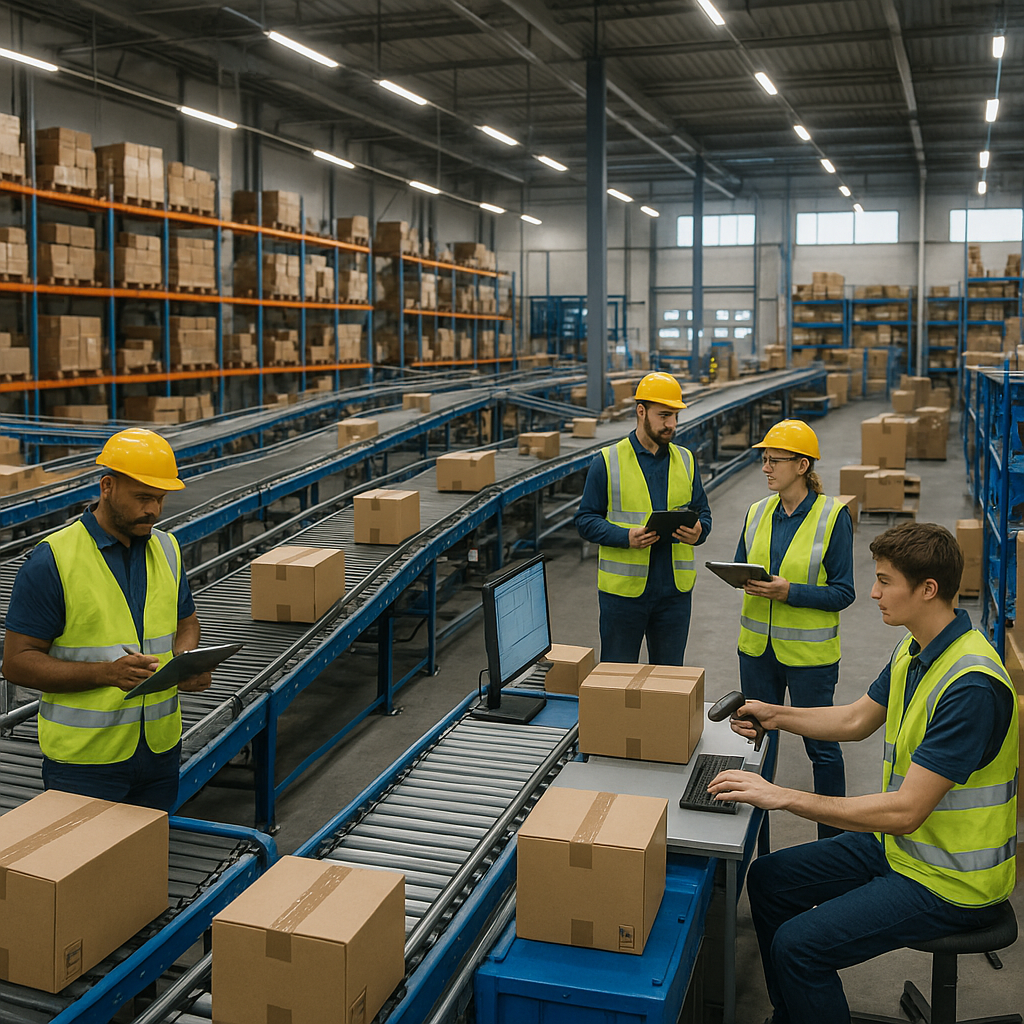
Modern 3PL logistics relies heavily on digital visibility. Centralized systems allow shippers to monitor shipments, inventory, and order status without constant manual updates.
Integrated tracking and reporting help identify delays early and support better decision-making. Instead of reacting to issues after they occur, shippers and providers can coordinate more proactively.
Digital freight platforms complement 3PL services by improving how transportation is sourced and managed. By centralizing booking and tracking, these tools reduce communication gaps and support more predictable execution.
In-house logistics offers direct control but requires significant investment in infrastructure, technology, and staffing. For many businesses, this model becomes difficult to sustain as operations grow.
3PL logistics shifts operational responsibility to a specialist while allowing shippers to retain strategic oversight. This balance enables businesses to focus on product development, sales, and customer experience rather than daily logistics execution.
For most growing shippers, 3PL provides the flexibility and efficiency needed to compete without the burden of managing logistics internally.
Selecting a 3PL provider requires careful evaluation. Shippers should assess the provider’s network strength, technology capabilities, service reliability, and ability to scale with future needs.
Clear communication, transparency, and system integration are key indicators of a strong partnership. Digital platforms that support visibility and coordination can further enhance the effectiveness of a 3PL relationship.
3PL logistics has become an essential strategy for shippers navigating increasingly complex supply chains. By outsourcing transportation, warehousing, and fulfillment to experienced providers, businesses gain efficiency, flexibility, and access to specialized expertise.
When combined with digital platforms that improve visibility and coordination, 3PL logistics enables shippers to scale operations confidently and sustainably. For companies focused on long-term growth, third-party logistics is no longer just a cost-saving measure, but a strategic advantage.
Simplify your 3PL logistics with Truxweb, a centralized platform that helps shippers and logistics partners coordinate transportation with better visibility and control.
3PL logistics refers to outsourcing transportation, warehousing, and fulfillment activities to a third-party logistics provider.
Most 3PL providers offer transportation management, warehousing, inventory handling, order fulfillment, and distribution services.
A 3PL provider integrates with a shipper’s operations to manage logistics execution while providing visibility into shipments and inventory.
Companies choose 3PL logistics to reduce costs, access logistics expertise, and scale operations without investing in fleets, warehouses, or technology.
Yes. 3PL logistics supports growth by offering flexible capacity and established networks that adapt to changing demand.
3PL providers streamline transportation and warehousing processes, helping reduce delays, manual work, and operational complexity.
Yes. Transportation management is a core component of most 3PL logistics services.
Digital platforms centralize booking, carrier coordination, and shipment tracking, improving visibility and consistency across 3PL operations.
Yes. Many 3PL providers manage warehousing and fulfillment together as part of an integrated logistics service.
Businesses should evaluate service reliability, network strength, technology capabilities, scalability, and transparency before choosing a 3PL provider.