

Introduction
Full truckload shipping is a foundational part of freight transportation in Canada. Businesses that move large volumes of goods rely on full truckload shipments to maintain speed, reliability, and predictability across long distances. As freight volumes increase, managing truckload shipments through manual processes becomes increasingly difficult.
Digital freight marketplaces are changing how full truckload shipping is planned and executed. By centralizing carrier coordination, booking, and shipment visibility, these platforms help Canadian shippers operate more efficiently and scale with confidence. Understanding how full truckload shipping works and how digital marketplaces support it is essential for modern freight operations.

Full truckload shipping refers to using an entire trailer for one shipper's freight. It is widely used across Canada due to long transit distances, cross-province movements, and the need for consistent delivery timelines.
What Is Full Truckload Shipping
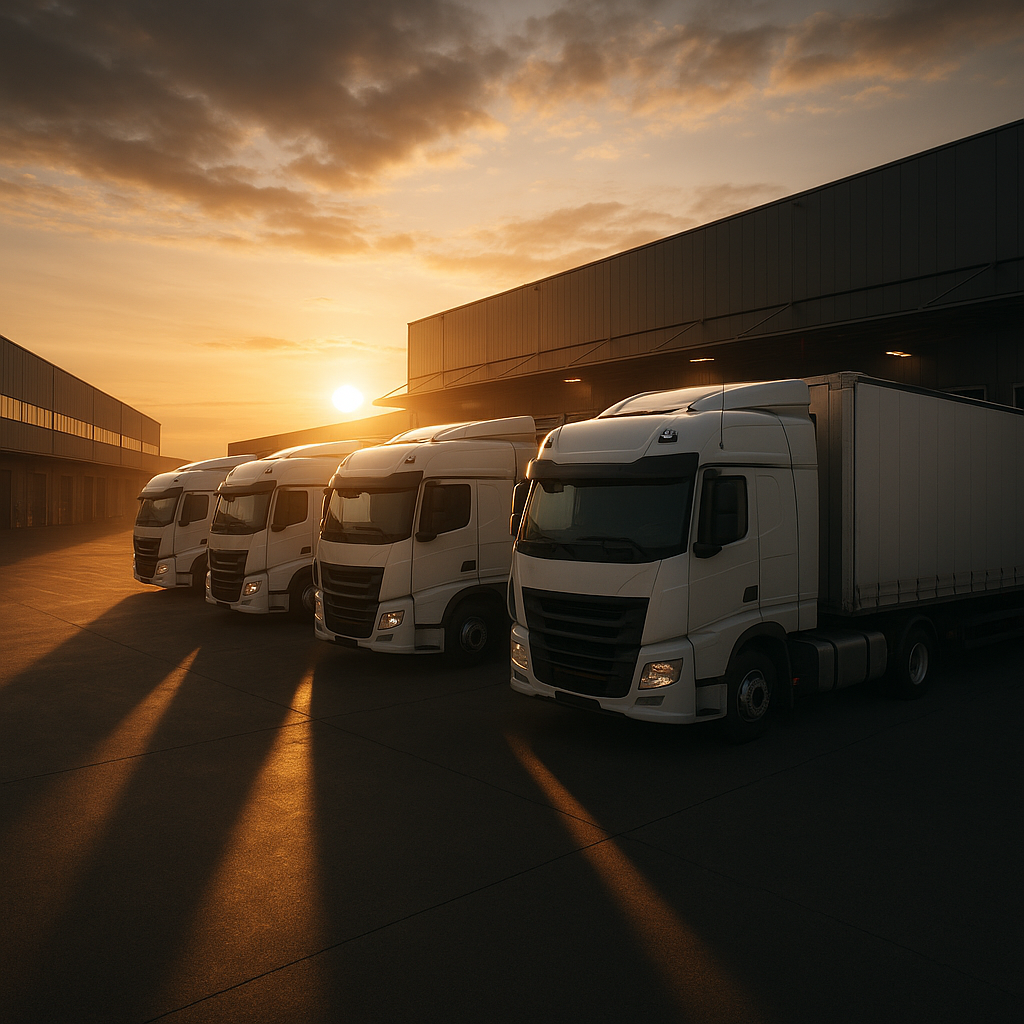
Full truckload shipping, often called FTL, dedicates one trailer to a single shipment. Freight moves directly from pickup to delivery without intermediate stops. This reduces handling, shortens transit times, and lowers the risk of damage.
Canadian manufacturers, distributors, and retailers rely on FTL for regional and long-haul freight, especially when shipments are large, time-sensitive, or high in value.
How FTL Shipping Is Priced
FTL pricing is generally based on lane distance, equipment type, carrier availability, and market demand rather than shipment weight alone. Since the trailer is reserved for one shipper, pricing reflects the full use of the truck.
In Canada, factors such as seasonal demand, fuel costs, weather conditions, and regional carrier density influence pricing. Understanding these elements helps shippers plan truckload movements more effectively.
Full Truckload vs LTL Shipping
Choosing between FTL and LTL depends on shipment size, urgency, and handling requirements. LTL shipments share trailer space with other freight and move through consolidation hubs, which can increase transit time and handling.
FTL shipping offers direct transit and greater predictability. As Canadian shipment volumes grow, many businesses shift from LTL to FTL to gain better control and reliability across long distances.
Operational Challenges of Truckload Shipping at Scale
While full truckload shipping offers efficiency and speed, managing it at higher volumes introduces operational complexity, particularly in the Canadian freight environment.
Managing Long Distances and Regional Complexity
Canada's geography presents unique challenges for truckload shipping. Freight often travels across provinces with different infrastructure, carrier availability, and weather patterns. Coordinating shipments across these regions requires consistent planning and communication.
Without centralized systems, tracking shipments accurately and responding to delays becomes difficult, especially when freight is moving over long distances.
Why Manual Processes Do Not Scale
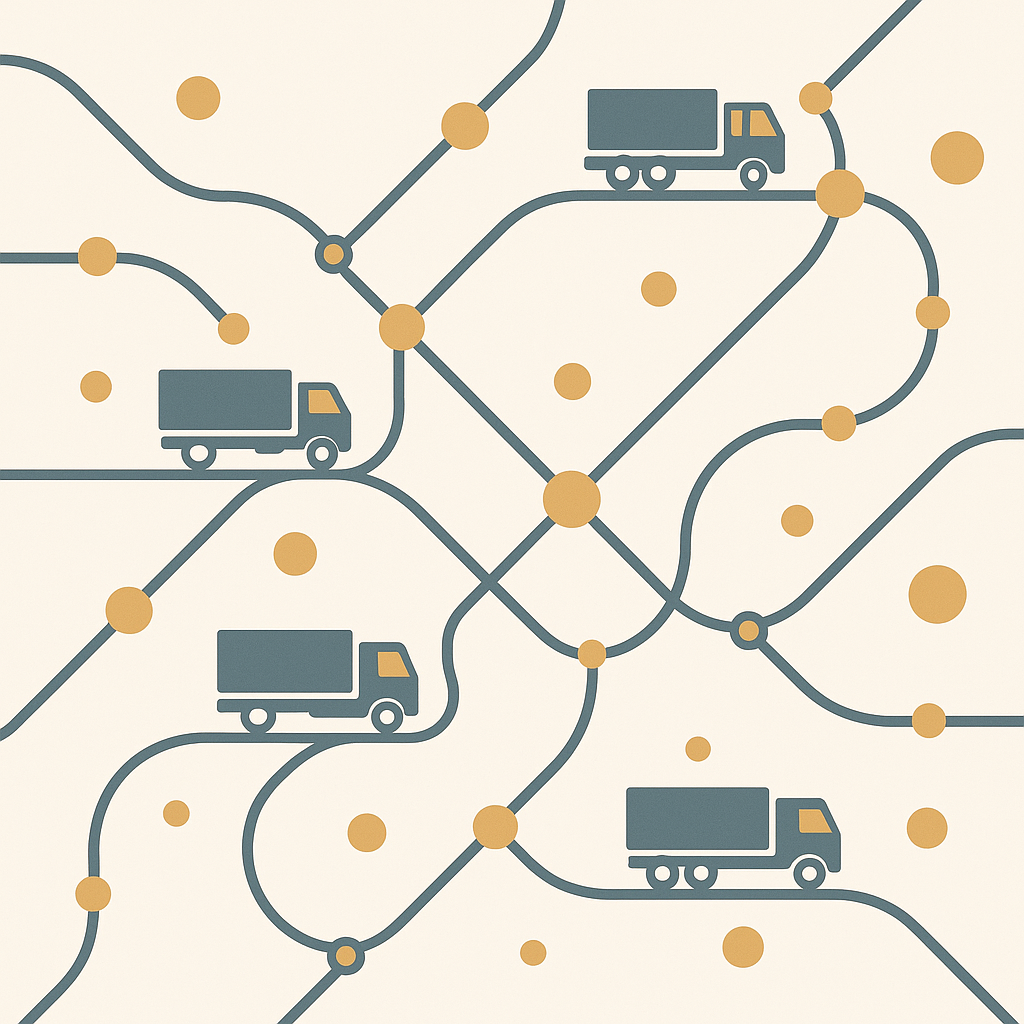
Manual coordination through emails, phone calls, and spreadsheets may work at low volumes but becomes a bottleneck as shipments increase. Each additional truckload creates more rate requests, confirmations, and follow-ups.
This reactive approach limits visibility and increases the risk of errors, delays, and miscommunication. As volume grows, shippers need more structured workflows to maintain efficiency.
The Impact on Cost and Service Reliability
Lack of visibility and inconsistent processes can lead to missed delivery windows, increased administrative workload, and higher operating costs. Over time, these inefficiencies affect customer satisfaction and internal planning.
These challenges often push Canadian shippers to look for digital solutions that bring consistency and clarity to truckload operations.
How Digital Freight Marketplaces Simplify Full Truckload Shipping
Digital freight marketplaces address many of the challenges associated with managing full truckload shipping by centralizing workflows and improving visibility.
Centralized Booking and Carrier Coordination
Digital freight marketplaces provide a single platform where shippers can manage truckload shipments instead of relying on fragmented communication. Booking, coordination, and oversight happen through standardized processes.
Platforms such as Truxweb focus on connecting shippers and carriers in a centralized environment, helping Canadian businesses manage truckload freight more consistently and efficiently.
Improving Visibility Across Truckload Shipments
Centralized shipment visibility allows shippers to monitor active truckload shipments without repeated manual updates. This supports better planning, faster responses to changes, and clearer communication with internal teams.
For long-distance Canadian freight, improved visibility reduces uncertainty and helps maintain predictable operations.
Supporting Scalability and Long-Term Growth
Digital freight marketplaces are built to scale with shipment volume. As Canadian businesses expand into new regions or increase shipping frequency, the same workflows can support higher volumes without added complexity.
By reducing repetitive manual tasks, these platforms allow logistics teams to focus on oversight and decision-making rather than execution.
Conclusion
Full truckload shipping is essential for Canadian businesses moving large volumes of freight across long distances. While traditional methods may work at smaller scales, they often struggle to support growing operational demands.
Digital freight marketplaces simplify full truckload shipping by centralizing booking, carrier coordination, and shipment visibility. For Canadian shippers, this approach supports efficiency, scalability, and long-term operational success in an increasingly complex freight environment.
Simplify full truckload shipping across Canada with Truxweb, a centralized platform that connects shippers and carriers with better visibility and coordination.
Frequently Asked Questions (FAQs)
What is full truckload shipping?
Full truckload shipping is a freight method where an entire trailer is dedicated to one shipper's cargo and moves directly from pickup to delivery.
What is the difference between FTL and LTL shipping?
FTL uses a dedicated trailer for one shipment, while LTL combines multiple shipments in one trailer, resulting in more handling and longer transit times.
When should a business choose full truckload shipping?
FTL is best for large, heavy, time-sensitive, or high-value shipments that benefit from direct transit and fewer handling points.
Is full truckload shipping common in Canada?
Yes. Due to long distances and cross-province freight movement, full truckload shipping is widely used across Canada.
How is full truckload shipping priced?
Pricing is typically based on distance, lane demand, equipment type, and carrier availability rather than shipment weight alone.
What challenges do shippers face with truckload shipping in Canada?
Common challenges include long transit distances, weather-related delays, regional carrier availability, and limited visibility when processes are manual.
How do digital freight marketplaces support truckload shipping?
They centralize booking, carrier coordination, and shipment visibility, making truckload operations easier to manage at scale.
Do freight marketplaces replace carriers or logistics teams?
No. They support existing carriers and logistics teams by providing structured workflows and better visibility.
Can freight marketplaces help scale truckload operations?
Yes. By standardizing processes, they allow shippers to manage higher shipment volumes without increasing administrative workload.
Why are Canadian shippers moving toward digital freight marketplaces?
As freight volumes grow, digital marketplaces help improve efficiency, visibility, and control across truckload shipping operations.