

Introduction
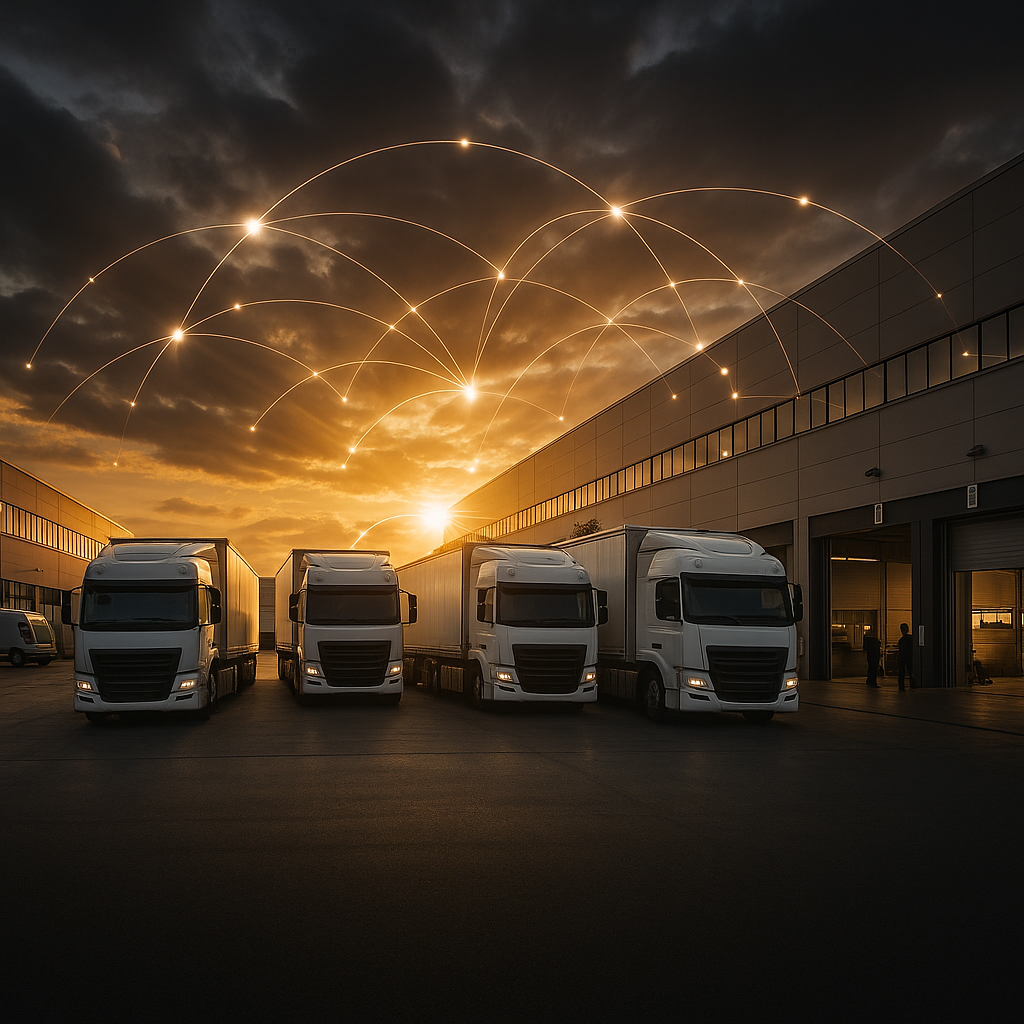
Modern trucking fleets operate in an environment defined by tight margins, fluctuating fuel costs, driver shortages, and increasingly complex compliance requirements. To remain competitive, fleets need more than basic dispatch tools. They need integrated logistics solutions that unify booking, routing, tracking, and carrier coordination into a single source of truth.
Digital logistics platforms are now central to fleet success. By replacing manual processes with automated workflows, these systems help fleets reduce inefficiencies, improve visibility, and scale operations without adding administrative burden. In 2026, logistics technology is no longer optional for trucking fleets. It is foundational to sustainable growth.
What Are Logistics Solutions for Trucking Fleets?
Logistics solutions for trucking fleets are integrated software platforms that manage the full freight lifecycle, from load sourcing and dispatch to tracking, delivery confirmation, and settlement. These systems bring together fleet management, dispatch software, carrier networks, and analytics into one coordinated environment.
Unlike traditional tools that operate in silos, modern logistics solutions centralize data across vehicles, drivers, loads, and partners. This enables fleets to make faster decisions, respond to disruptions proactively, and maintain consistent service levels as volume increases.
How Integrated Logistics Platforms Work
Digital logistics platforms orchestrate every stage of freight execution through structured workflows.
The process typically begins with digital load posting, where shippers or brokers publish freight requirements. Qualified carriers are surfaced based on availability, equipment, and historical performance. Once a load is confirmed, route optimization tools assign efficient paths that account for traffic conditions, delivery windows, and hours-of-service constraints.
During transit, real-time shipment tracking provides continuous visibility through GPS and telematics integrations. Dispatchers receive alerts for delays or deviations, while customers can monitor progress without manual updates. After delivery, electronic proof of delivery is captured and invoicing is automated, closing the loop efficiently.
Platforms such as Truxweb support this end-to-end flow by combining freight booking, carrier coordination, and visibility into a single operational interface designed for fleet use.
Why Digital Logistics Platforms Outperform Legacy Systems
Traditional logistics operations rely heavily on phone calls, spreadsheets, and fragmented tools. While workable at small scale, these methods break down as fleets grow.
Digital platforms offer clear advantages. Automation reduces manual errors and shortens booking cycles. Centralized tracking improves predictability and accountability. Integrated compliance tools simplify regulatory requirements, reducing audit risk.
Perhaps most importantly, these platforms scale efficiently. Fleets can manage significantly higher freight volumes without proportionally increasing headcount, allowing operations teams to focus on exceptions and optimization rather than routine coordination.
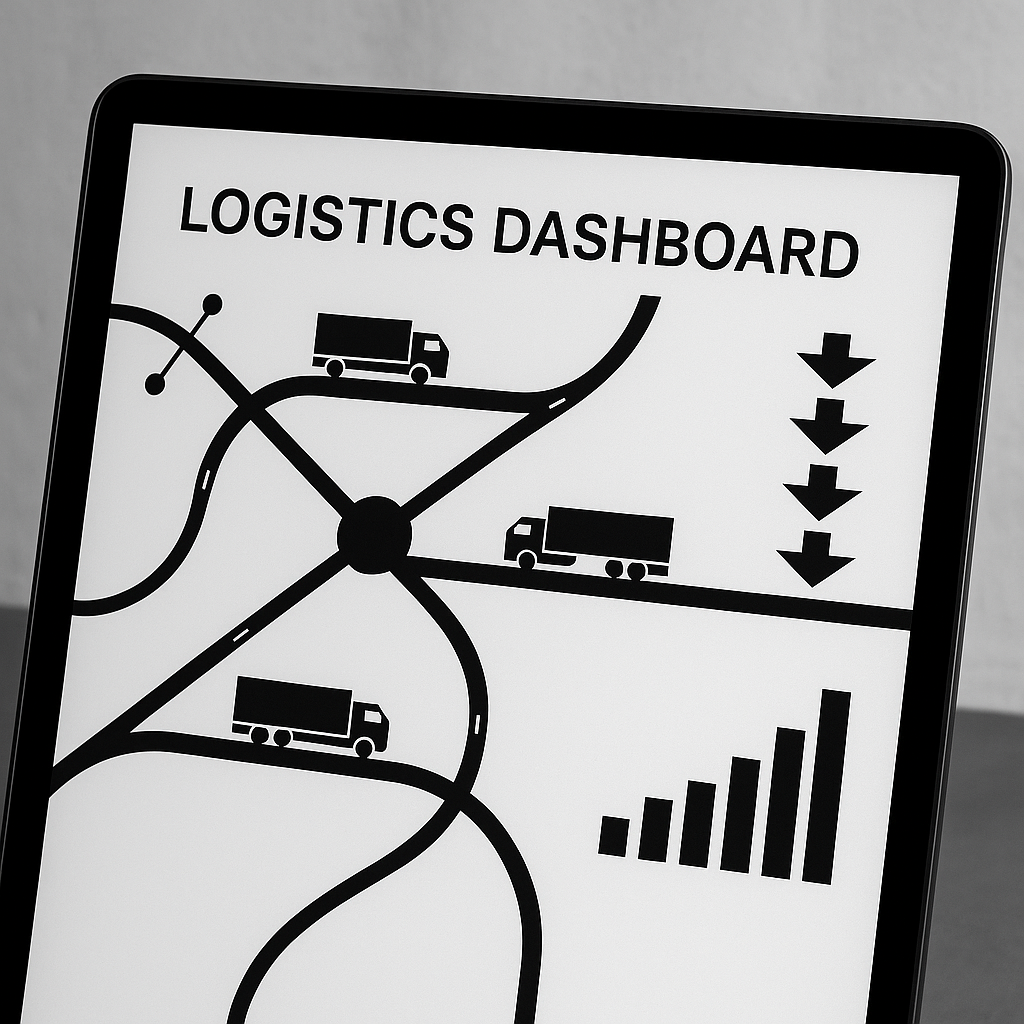
Effective fleet management today requires visibility and control across multiple dimensions.
Modern logistics solutions typically include centralized dashboards for monitoring fleet activity, telematics integrations for location and compliance tracking, and analytics that highlight trends in performance and utilization. Maintenance scheduling, driver performance monitoring, and carrier scorecards help fleets operate proactively rather than reactively.
By consolidating these functions, digital platforms eliminate communication gaps between dispatch, operations, and finance teams, creating a more cohesive and efficient organization.
The Strategic Role of Real-Time Shipment Tracking
Real-time shipment tracking has become a core requirement for modern dispatch operations. Using GPS, telematics, and mobile applications, fleets can monitor load progress continuously and respond quickly to disruptions.
Tracking tools support accurate ETAs, automated status updates, and faster issue resolution. Over time, aggregated tracking data reveals patterns such as recurring lane delays or cross-border bottlenecks, enabling more informed planning and routing decisions.
For fleets operating across regions or borders, tracking also supports milestone visibility related to customs and handoffs, improving coordination in complex logistics environments.
Scaling Fleet Operations Without Losing Control
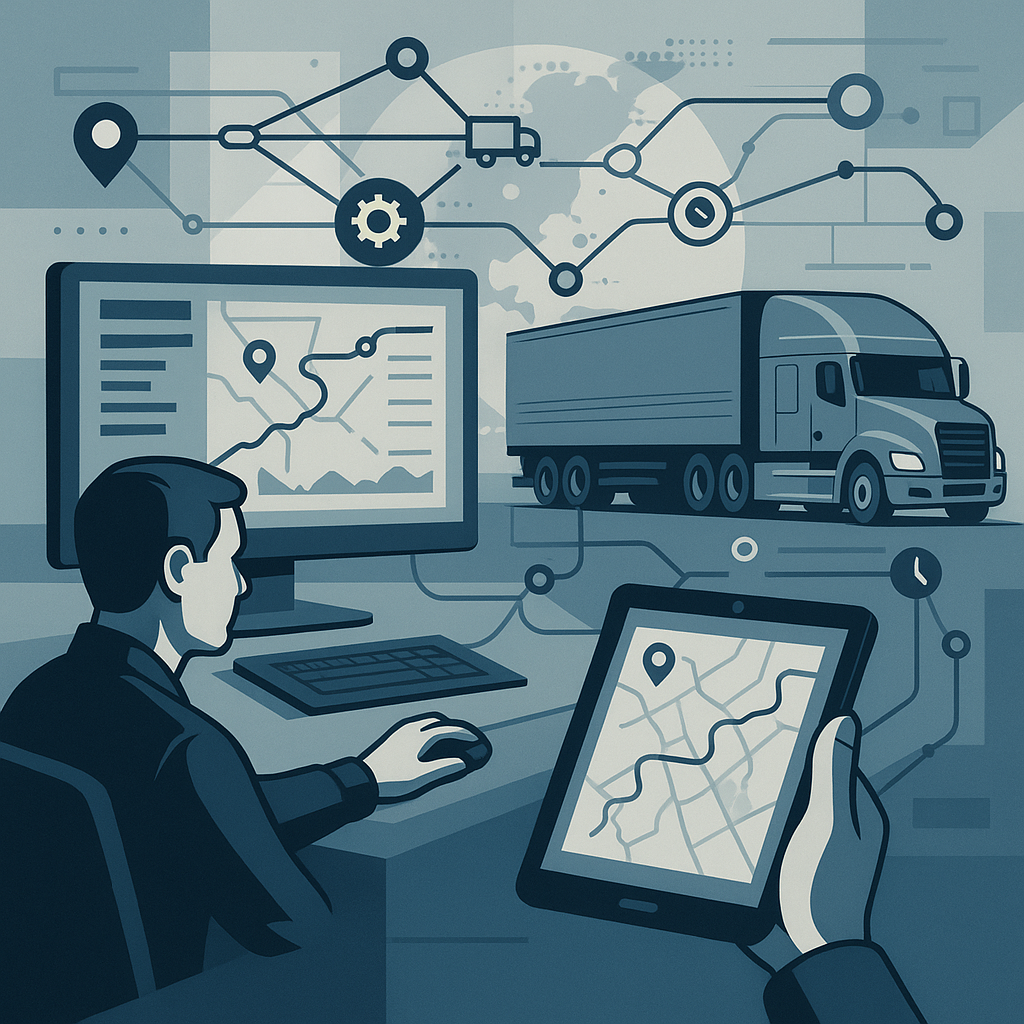
As fleets grow, operational complexity increases. Adding trucks, drivers, and lanes often introduces new coordination challenges.
Scalable logistics platforms are designed to absorb this complexity. Cloud-based architectures allow fleets to expand volume, onboard new carriers, and integrate additional systems without disruptive infrastructure changes. Hybrid models that combine owned assets with third-party capacity become easier to manage through unified workflows.
This flexibility allows fleets to pursue growth opportunities while maintaining service quality and operational discipline.
Logistics Platforms vs 3PL Partnerships
Many fleets evaluate whether to rely on third-party logistics providers or retain operational control through digital platforms.
3PLs can be valuable for specialized needs such as temperature-controlled transport or warehousing, but they often introduce additional layers of cost and limit visibility. Software-driven logistics platforms allow fleets to retain control over assets and data while accessing broad carrier networks and automation.
For fleets focused on flexibility, transparency, and customization, digital logistics solutions often provide a better long-term fit than fully outsourced models.
Freight Booking Platforms and Market Positioning
Freight booking platforms vary in focus and depth. Some emphasize spot market access, while others specialize in enterprise integrations or analytics.
Fleet-oriented platforms differentiate themselves by combining booking with dispatch tools, tracking, and performance management. This integrated approach reduces handoffs and supports consistent execution across both full truckload and less-than-truckload operations.
When evaluating platforms, fleets should prioritize usability, integration capabilities, and alignment with their operating model rather than feature quantity alone.
Enhancing Visibility and Route Optimization
Improved visibility and smarter routing are among the most immediate benefits of logistics technology.
By combining live traffic data, historical performance, and delivery constraints, route optimization tools help fleets reduce unnecessary miles and improve on-time performance. Visibility dashboards consolidate this intelligence into actionable insights, enabling dispatchers to intervene early when conditions change.
These capabilities support both cost control and service reliability, particularly in high-volume or time-sensitive operations.
Supporting Specialized and Last-Mile Operations
Some fleets operate in specialized segments such as food distribution or last-mile delivery, where precision and compliance are critical.
Digital logistics platforms support these use cases through features like temperature monitoring, geofencing, pooled routing, and delivery confirmation workflows. By standardizing these processes, fleets can deliver consistent service even in complex or high-density environments.
Conclusion
The most successful trucking fleets in 2026 will be those that embrace digital logistics solutions as a core operating system. By unifying freight booking, dispatch, tracking, and analytics, these platforms turn operational complexity into structured, repeatable performance.
Digital logistics marketplaces provide fleets with the tools to scale efficiently, improve visibility, and maintain control in an increasingly dynamic market. With the right platform in place, fleets can focus on growth, service quality, and long-term resilience rather than manual coordination.
Unify dispatch, visibility, and carrier coordination with Truxweb, a digital platform built for scalable trucking fleet operations.
Frequently Asked Questions (FAQs)
What are logistics solutions for trucking fleets?
Logistics solutions for trucking fleets are digital platforms that manage freight booking, dispatch, tracking, carrier coordination, and operational analytics in one system.
Why do trucking fleets need digital logistics solutions?
Digital solutions reduce manual work, improve visibility, support compliance, and help fleets scale without increasing administrative overhead.
How do logistics platforms support fleet dispatch?
They automate load assignment, route planning, driver communication, and exception management through centralized dispatch software.
What is a freight booking platform?
A freight booking platform allows shippers and carriers to post, accept, and confirm loads digitally while integrating tracking and documentation.
How does real-time shipment tracking help fleets?
It provides live location updates, accurate ETAs, and alerts for delays, helping fleets respond proactively and improve service reliability.
Can logistics platforms scale with fleet growth?
Yes. Cloud-based logistics platforms are designed to handle higher volumes, more carriers, and additional lanes without system limitations.
How do logistics solutions improve cost efficiency?
They optimize routes, reduce empty miles, automate processes, and provide data insights that support better planning and utilization.
What role do integrations play in fleet logistics?
Integrations connect dispatch, ELDs, accounting, and TMS systems, ensuring data flows seamlessly across operations.
Are logistics platforms better than traditional brokers for fleets?
Platforms offer greater transparency, automation, and control, while brokers rely more on manual coordination and intermediaries.
How should fleets choose the right logistics solution?
Fleets should evaluate ease of use, scalability, visibility features, integration capabilities, and alignment with their operating model.