


Introduction
For small and medium-sized businesses shipping across Ontario and Quebec, supply chain efficiency rarely collapses because of a single dramatic event. It erodes gradually through slow quote turnarounds, opaque pricing, and the inability to track freight once it leaves the dock. These day-to-day friction points in freight booking quietly drain time, inflate costs, and leave logistics teams reacting instead of planning. The gap between a functional supply chain and an optimized one almost always traces back to how shipments are booked, compared, and monitored.
Key Takeaway: Modernizing freight booking with a digital platform that offers instant carrier quotes, transparent pricing, and real-time tracking is the single highest-impact step most Canadian SMBs can take to strengthen supply chain performance.
Where Supply Chain Efficiency Actually Breaks Down
Most conversations about supply chain optimization focus on warehousing, inventory management, or demand forecasting. Those areas matter, but for businesses that ship between 1 and 8 pallets regularly, the biggest inefficiencies live in the freight booking process itself. When booking a single shipment requires multiple phone calls, email threads, and days of waiting for quotes, every shipment becomes a bottleneck that ripples across the entire operation.
The Hidden Cost of Manual Freight Processes
Traditional freight booking methods force logistics teams into repetitive, low-value work. A manager who needs to ship LTL freight from Montreal to Toronto might contact three or four brokers, wait hours (or days) for responses, and then compare rates that arrive in different formats with different inclusions. Multiply that across dozens of monthly shipments, and the time cost alone becomes significant, even before accounting for the pricing markups that freight booking inefficiencies introduce.
- Quote delays: Waiting 24 to 48 hours for a single rate response stalls shipment planning and creates scheduling gaps
- Price opacity: Broker margins are often invisible, making it impossible to know whether a rate is competitive or inflated
- Fragmented communication: Coordinating across phone, email, and spreadsheets increases the risk of missed pickups and booking errors
- No performance data: Without a carrier rating system, businesses rebook with underperforming carriers simply because switching feels too difficult
- Limited visibility: Once freight leaves the warehouse, many shippers have no reliable way to track its status until delivery confirmation arrives
Why SMBs in Ontario and Quebec Feel It Most
Businesses in these provinces handle a disproportionate share of Canada's domestic freight volume, yet many still rely on legacy booking methods built for a different era. The density of LTL shipping routes between cities like Toronto, Montreal, Ottawa, and Quebec City means even small inefficiencies compound quickly. A shipper moving 30 pallets per month across these corridors who loses even one hour per booking to manual processes is losing more than a full workweek each month to administrative friction that produces zero value.
The challenge is compounded by the fact that supply chain issues affect the vast majority of Canadian small businesses, with sectors like manufacturing, wholesale, and retail feeling the pressure most acutely. For these companies, every booking delay or pricing gap directly impacts margins and customer satisfaction.
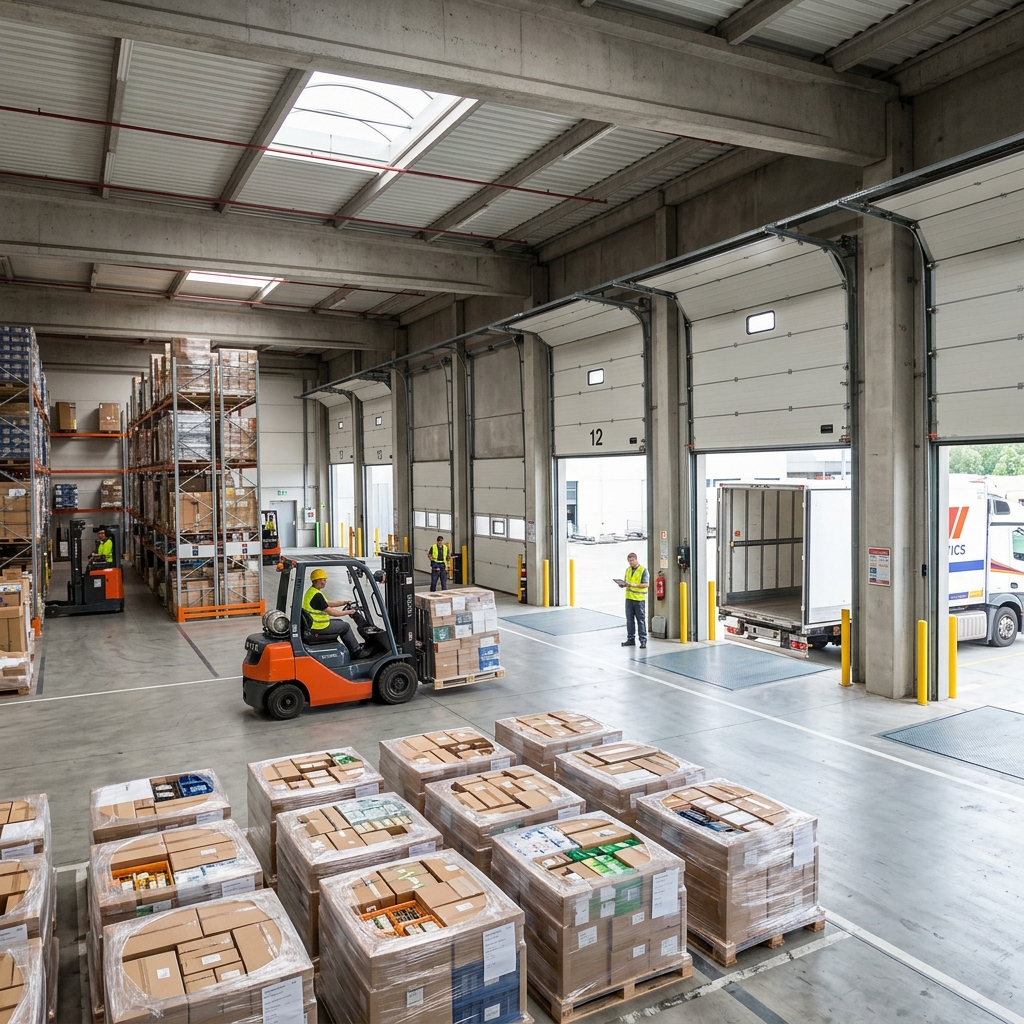
How Digital Freight Booking Transforms Supply Chain Logistics
The shift from traditional brokerage to digital freight booking is not just a technology upgrade. It is a structural change in how businesses manage supply chain logistics across Canada. Digital platforms compress the quoting, comparing, and booking cycle from days into minutes, giving shippers the speed and transparency they need to make better decisions on every shipment.
Instant Comparison and Transparent Pricing
A digital freight marketplace replaces the slow back-and-forth of traditional quoting with a side-by-side comparison of carrier rates, transit times, and service ratings. Instead of calling brokers and waiting, a logistics manager submits shipment details once and receives competitive quotes from multiple vetted carriers within minutes. This model eliminates the pricing fog that surrounds traditional brokerage, where markups are layered in without disclosure.
The transparency extends beyond price. With a digital freight platform, shippers can evaluate carriers on delivery performance, customer satisfaction scores, and safety compliance before confirming a booking. That kind of data-driven selection was previously available only to enterprise shippers with dedicated logistics teams. For SMBs, it represents a meaningful step toward supply chain optimization, because every booking decision is now informed by performance evidence rather than guesswork or habit.
Platforms like Truxweb take this further by requiring all carriers to maintain a minimum 95% customer satisfaction rating and monitoring compliance daily through SaferWatch, which means the pool of available carriers is already filtered for quality before a shipper ever sees a quote. The result is freight cost savings driven not by cutting corners, but by removing the middleman markup and surfacing genuinely competitive rates from reliable carriers.
Real-Time Tracking and Shipment Visibility
Supply chain visibility is one of the most frequently cited gaps in SMB logistics operations, and for good reason. When a shipment disappears into a communication black hole between pickup and delivery, the downstream effects are significant: customer service teams cannot provide accurate ETAs, warehouse receiving cannot plan labor, and any delay triggers a chain of reactive phone calls. End-to-end freight visibility solves this by providing automated status updates at each stage of the shipment lifecycle.
Modern digital freight platforms provide real-time shipment tracking through centralized dashboards that consolidate every active shipment into a single view. Automated email alerts for dispatch, pickup, and delivery events mean logistics teams no longer need to chase updates manually. For businesses shipping across multiple routes between Ontario and Quebec, this consolidated visibility turns reactive firefighting into proactive management. The ability to spot delays early, communicate proactively with customers, and adjust downstream schedules is what separates a resilient supply chain from a fragile one.
As effective supply chain strategies for Canadian businesses consistently emphasize, visibility and data access are foundational to building the kind of agile operations that can absorb disruptions without cascading failures.
Practical Steps to Improve Supply Chain Efficiency Through Freight Booking
Understanding the problem is only useful if it leads to concrete action. For logistics managers and business owners who recognize these inefficiencies in their own operations, the path forward involves specific, measurable changes to how freight is quoted, selected, and monitored.
Audit Your Current Booking Workflow
Start by mapping the actual time and steps involved in booking a single LTL shipment through your current process. Count the emails sent, calls made, hours waited, and manual entries into spreadsheets or TMS systems. Most businesses that complete this exercise discover they spend 2 to 4 hours per shipment on administrative tasks that a digital platform can reduce to under 15 minutes. That time gap is not just an inconvenience; it is a direct cost measured in labor hours, delayed shipments, and missed opportunities to negotiate better rates.
Beyond time, audit the pricing transparency of your current arrangements. If you cannot see the carrier's base rate separately from the broker's margin on every invoice, you are likely overpaying without knowing by how much. A clear breakdown of freight costs is the first step toward identifying where savings are possible, and a digital freight brokerage model that eliminates hidden fees makes that transparency standard rather than exceptional.
Transition to a Data-Driven Carrier Selection Process
One of the most impactful changes a business can make is shifting from relationship-based carrier selection to performance-based selection. Traditional freight booking often defaults to familiar carriers or brokers, even when their on-time delivery rates, damage claims, or pricing have deteriorated. A freight marketplace that publishes carrier ratings, transit time data, and customer reviews gives shippers the evidence they need to make each booking the best available option for that specific lane and load.
This shift does not require abandoning existing carrier relationships. It simply means validating them against market alternatives on every shipment. Businesses that adopt this approach typically find that their best carriers remain competitive, while their underperforming ones are quietly replaced by better options they would never have discovered through phone-based quoting. Combined with freight efficiency strategies like load consolidation and lane optimization, data-driven selection becomes a compounding advantage that improves with every booking.
For businesses operating across multiple provinces, the value of a platform-based approach is even greater. Cross-Canada LTL shipping involves navigating different carrier strengths across different corridors, and a marketplace that surfaces the best carrier for each specific route eliminates the guesswork that often leads to overpaying on lanes where better options exist. Truxweb's approach of connecting shippers directly with top-rated LTL carriers across Canada makes this kind of supply chain efficiency improvement accessible to businesses of every size, not just those with enterprise logistics budgets.
Conclusion
Supply chain efficiency is not an abstract goal reserved for large enterprises with dedicated logistics departments. For Canadian SMBs shipping regularly across Ontario and Quebec, it starts with fixing the freight booking process that touches every single shipment. Replacing manual quoting with instant carrier comparison, gaining real-time visibility into every shipment's status, and using performance data to drive carrier selection are concrete steps that deliver measurable improvements in cost, speed, and reliability. The businesses that treat freight booking as a strategic function rather than an administrative chore will consistently outperform those that do not.
Ready to see how much time and cost your business could save? Start comparing carrier rates on Truxweb today.
Frequently Asked Questions (FAQs)
How to improve supply chain efficiency in Canada?
Start by digitizing your freight booking process to eliminate manual quoting delays, gain pricing transparency, and use carrier performance data to make smarter shipping decisions on every load.
What is supply chain visibility?
Supply chain visibility is the ability to track the status, location, and condition of shipments in real time across every stage from pickup to final delivery.
How does digital freight booking improve supply chain?
Digital freight booking compresses quoting from days to minutes, removes hidden broker markups, and provides centralized tracking so shippers can manage all shipments from a single dashboard.
What are the best supply chain solutions for small businesses?
The most effective solutions for small businesses combine instant multi-carrier quoting, transparent pricing without brokerage fees, and automated shipment tracking in a single platform.
How to reduce supply chain costs in Ontario and Quebec?
Compare carrier rates across multiple providers for every shipment, eliminate broker margins by booking directly with carriers, and use performance data to avoid costly rebookings with underperforming providers.
How does a freight marketplace compare to a traditional broker for supply chain?
A freight marketplace gives shippers direct access to carrier rates and performance data, while traditional brokers add a margin layer and control information flow, reducing both transparency and shipper leverage.
What supply chain tools work best for SMBs in Quebec?
Digital freight platforms that offer bilingual support, instant LTL quotes on Quebec corridors, and consolidated payment and tracking tools deliver the highest impact for Quebec-based SMBs.