

Introduction
Many small and medium-sized businesses believe that cutting freight costs comes at a price, specifically slower deliveries, less reliable carriers, or constant service trade-offs. That belief is one of the most persistent and costly misconceptions in logistics. Freight efficiency is not about choosing between speed and savings. It is about building a smarter system where both coexist.
For Canadian businesses shipping LTL loads across Quebec, Ontario, and beyond, the margin between a profitable shipment and a costly one often comes down to a few key decisions: how you book, which carrier you select, and how much visibility you have once the load is in motion. This guide breaks down the strategies that actually move the needle, without creating new bottlenecks or delivery failures.

Understanding What Freight Efficiency Actually Means
Before applying any strategy, it helps to define the term precisely. Freight efficiency is not simply about finding the cheapest rate on a single shipment. It describes how well your entire shipping operation performs across cost, speed, reliability, and time investment, consistently and at scale.
When any one of those dimensions underperforms, it creates drag on the others. A cheap carrier that frequently misses delivery windows costs you in customer service time, chargebacks, and reorders. A fast carrier that requires an hour of back-and-forth phone calls to book costs you in operational overhead. True logistics efficiency means all of those dimensions are optimized together, not traded against each other.
The Real Cost of Freight Inefficiency
Most businesses underestimate how much invisible cost lives inside their freight process. Direct rate charges are easy to see. What is harder to quantify is the time your team spends on manual booking, the cost of delayed shipments that require expedited reruns, or the revenue impact of unreliable carriers damaging customer relationships. These indirect costs are where inefficiency compounds. Eliminating freight booking inefficiencies often delivers as much value as negotiating a better rate, sometimes more.
Why SMBs Face a Unique Freight Challenge
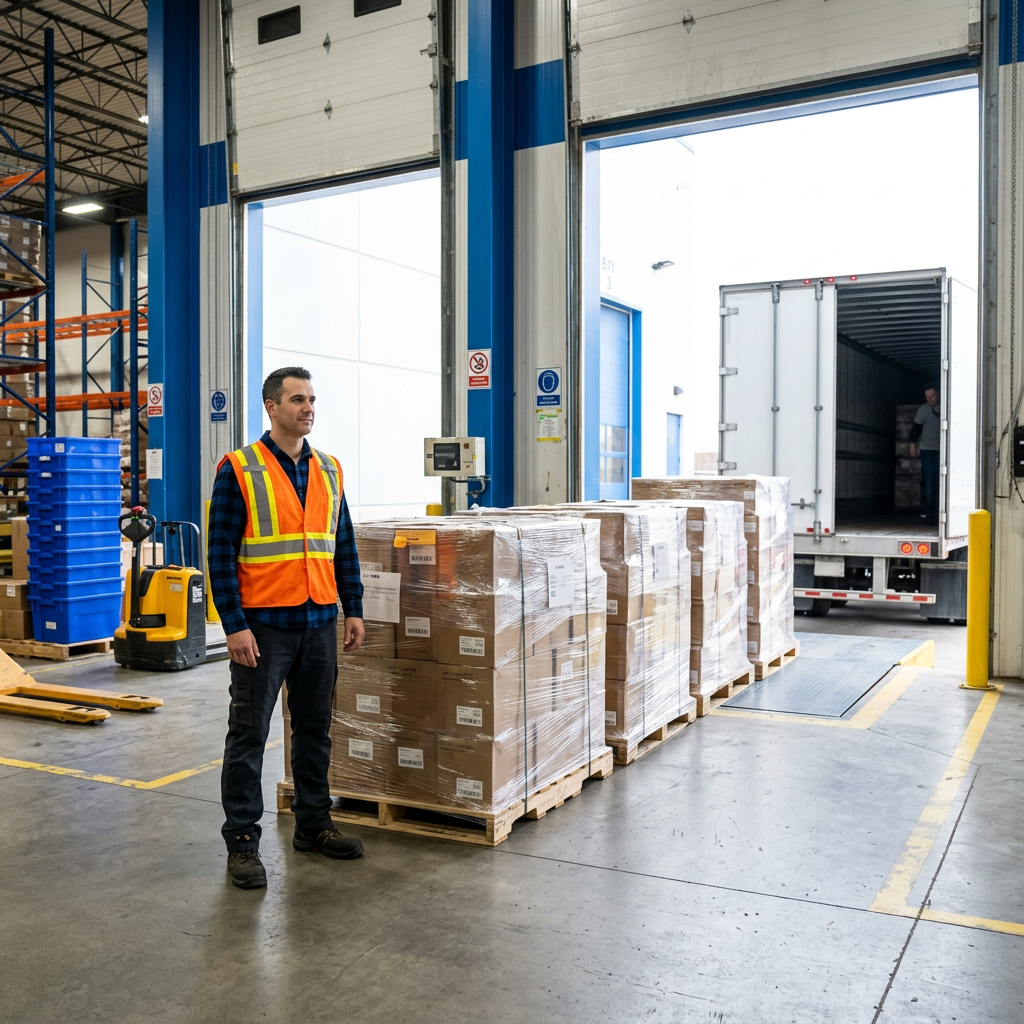
Large enterprises typically have dedicated logistics teams, preferred carrier contracts, and volume leverage to negotiate rates. Small and medium-sized businesses rarely have any of those advantages. They are often shipping 1 to 8 pallets at a time, which means they are almost always working with LTL freight rather than full truckload. LTL is inherently more complex to price and manage, and without the right tools, SMBs are left navigating it manually through brokers or direct carrier calls.
Efficiency as a Competitive Advantage
Businesses that crack freight efficiency do not just save money. They gain a real operational edge. Faster, more reliable deliveries improve customer retention. Lower freight costs improve margins. Less time spent on logistics admin means more time focused on growth. For SMBs competing against larger players, shipping efficiency in Canada is not a back-office concern. It is a front-line competitive factor.
The Core Levers of Freight Cost Efficiency
There are four primary levers that drive freight cost efficiency: how you get quotes, how you select carriers, how you consolidate loads, and how much visibility you maintain during transit. Each lever works independently, but they are most powerful when used together as part of a coordinated approach.
Lever 1: Digital Quote Comparison
The traditional approach to freight quotes involves calling two or three carriers, waiting hours or even a full business day for responses, then manually comparing rates in a spreadsheet. That process is slow, error-prone, and almost never surfaces the best available rate because it depends on who picks up the phone. Digital freight booking changes this entirely. Platforms that send quote requests to multiple carriers simultaneously and return competitive responses within minutes give shippers a far more accurate picture of the market, without the manual overhead.
For businesses in Quebec and Ontario, where carrier availability and regional pricing vary significantly, the ability to compare rates side by side across multiple carriers is one of the fastest ways to reduce freight costs in Canada. More importantly, digital comparison captures rates from carriers who would never have been on a shipper's radar through traditional outreach, expanding the competitive pool instantly.
Lever 2: Carrier Vetting and Selection
Price alone is a poor proxy for value in freight. A carrier that quotes 15% less but delivers late 30% of the time is not a deal. It is a liability. LTL carrier comparison should always factor in on-time performance, damage rates, customer satisfaction scores, and regulatory compliance, and not just the rate on the invoice.
Checking safety compliance is an often-overlooked but critical step. Canada's trucking industry is governed by both federal and provincial safety regulations, and working with non-compliant carriers creates legal and operational risk. Platforms that enforce minimum satisfaction ratings and run daily compliance monitoring remove this burden from the shipper entirely, making high-quality carrier selection a default outcome rather than a research task.
Lever 3: Freight Consolidation
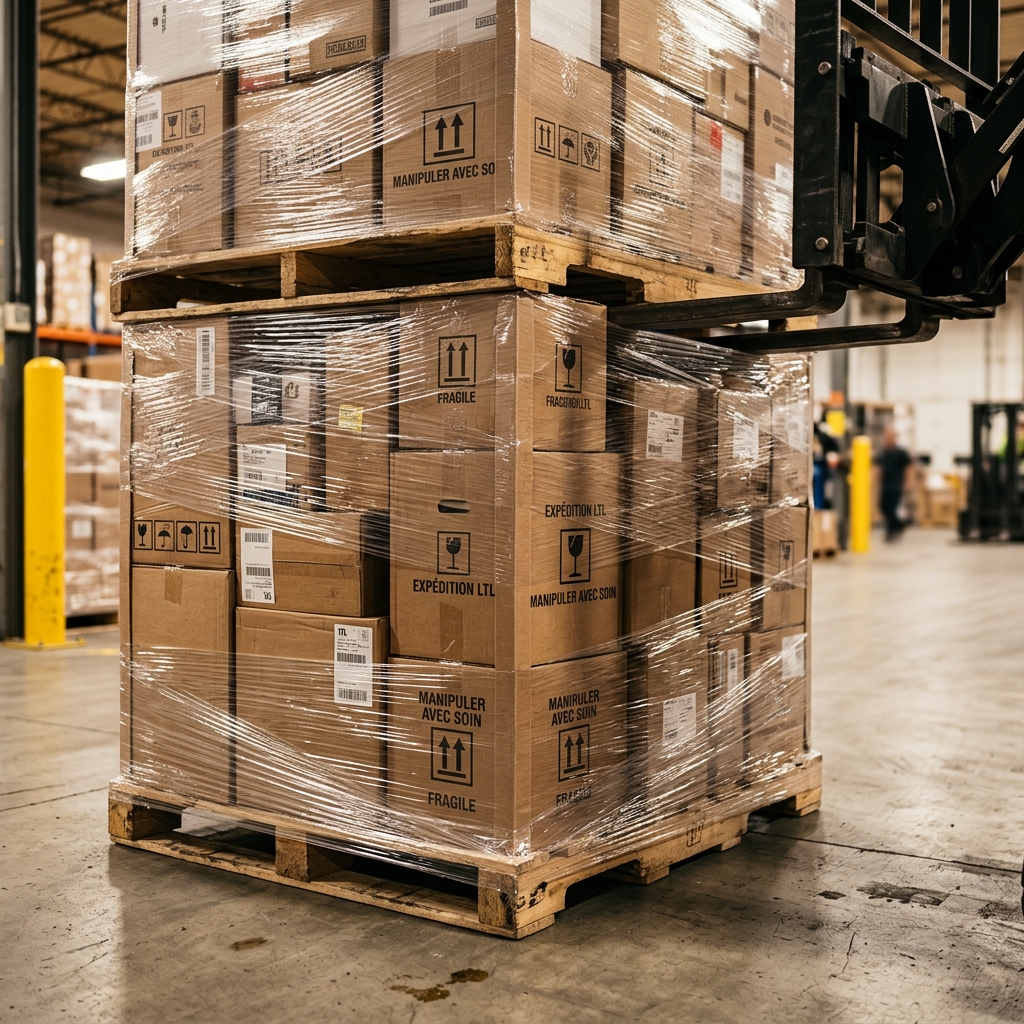
One of the most underused strategies for LTL freight efficiency in Canada is consolidation. Rather than shipping small loads separately every time one is ready, consolidating multiple smaller shipments into a single pickup reduces per-unit freight costs and often improves transit predictability. This works particularly well for businesses with recurring outbound shipments to the same regions. Freight consolidation is not just a carrier strategy. It is a scheduling discipline that shippers can apply at their own operations level.
Lever 4: Real-Time Visibility
Visibility does not directly reduce freight costs, but it prevents the hidden costs that come from not knowing where a shipment is. When a load goes silent in transit and a customer starts calling, the cost of that uncertainty shows up in customer service hours, expedite fees, and relationship damage. A real-time shipment tracking dashboard gives operations teams the information they need to manage exceptions proactively rather than reactively, which is one of the clearest markers of mature freight management.
How to Streamline the Freight Booking Process
Even businesses with good carrier relationships and reasonable rates often lose time and money in the booking process itself. Manual steps, communication gaps, and fragmented tools create friction that adds up quickly. Streamlining the booking process is one of the highest-leverage improvements available to any shipping operation.
Moving Away from Manual and Broker-Dependent Workflows
Traditional freight booking through a broker adds a layer of cost and communication delay to every single shipment. The broker's margin is real, and the time spent coordinating through an intermediary slows down the confirmation process. Efficient freight management for SMBs increasingly means removing unnecessary intermediaries and booking directly with carriers through digital platforms. According to data from Statistics Canada, transportation costs represent a significant share of operating expenses for Canadian goods-producing businesses, which makes any process that reduces booking overhead worth prioritizing.
What a Streamlined Booking Workflow Looks Like
A well-structured digital booking process collapses what used to take hours into minutes. The shipper inputs shipment details once, receives multiple carrier quotes, compares rates and transit times side by side, and confirms a booking in a single click. No email chains. No phone tag. No manual paperwork. Streamlining the freight booking process through this model also creates a natural audit trail, since every quote, booking confirmation, and communication lives in one place rather than scattered across inboxes.
Direct in-platform communication between shippers and carrier dispatch teams takes this further. When questions or issues arise, the ability to resolve them without leaving the platform keeps response times short and prevents miscommunications that lead to missed pickups or incorrect deliveries.
Centralizing Payments and Documentation
Fragmented invoicing is a hidden source of administrative cost for many SMBs. Receiving separate invoices from five different carriers, each with different billing cycles and formats, creates reconciliation work that takes real time. Platforms that consolidate all shipments into a single statement simplify this significantly. Truxweb, for example, consolidates all carrier payments into one statement with options for credit card or short-term credit terms, which reduces the accounting overhead for businesses managing multiple weekly shipments.
Practical Steps to Improve Freight Efficiency Without Slowing Deliveries
Strategy is useful, but implementation is where efficiency gains actually materialize. The following steps are actionable, operationally realistic, and designed to produce measurable results without requiring a logistics team or major process overhaul.
Steps to Take Starting This Week
Most of these improvements do not require a long implementation timeline. They require a decision to replace a manual habit with a better tool or process. Here is where to start:
- Audit your current booking time: Track how many minutes per shipment your team spends on quotes, emails, and confirmations. This baseline makes efficiency gains visible and measurable.
- Switch to digital quote comparison: Stop calling carriers one at a time. Use a platform that sends requests to multiple carriers simultaneously and returns competitive quotes within minutes.
- Vet carriers on more than price: Before confirming any booking, check on-time performance and customer satisfaction ratings alongside the rate. A freight cost comparison that ignores service quality is incomplete.
- Schedule consolidation windows: If you ship to the same region multiple times per week, batch those loads into a single pickup window to reduce per-pallet costs and simplify scheduling.
- Set up automated shipment alerts: Replace manual status checks with automated dispatch, pickup, and delivery notifications so your team is informed without spending time chasing updates.
- Centralize your freight records: Move all quotes, bookings, and communications onto a single platform so your team can access shipment history without digging through email threads.
Measuring Whether Your Changes Are Working
Implementing efficiency strategies without measuring outcomes is guesswork. Track a short set of KPIs before and after any process change: average cost per shipment, average booking time, on-time delivery rate, and customer complaint volume related to shipping. These four metrics capture the full picture of freight cost efficiency across cost, speed, operations, and quality. Even modest improvements across all four simultaneously will compound into meaningful savings over a quarter.
Conclusion
Improving freight efficiency does not require accepting slower deliveries or lower service quality. It requires replacing manual habits with smarter tools and building a booking process that optimizes cost, speed, and reliability at the same time. For Canadian SMBs shipping LTL loads, the biggest gains come from digital quote comparison, disciplined carrier vetting, strategic consolidation, and real-time shipment visibility. Apply even two or three of these levers consistently and the results will show up in your costs, your delivery performance, and the time your team gets back every week.
Ready to reduce freight costs without slowing down your deliveries? Start booking smarter with Truxweb today.
Frequently Asked Questions (FAQs)
How can I improve freight efficiency for my business?
Start by auditing where time and money are lost in your current process, then replace manual steps with digital tools for quoting, booking, and tracking. Consolidating shipments and vetting carriers on service quality, not just price, will deliver further gains.
How to reduce freight costs in Canada?
Use a digital platform that compares multiple carrier quotes simultaneously, consolidate LTL loads where possible, and eliminate broker fees by booking directly with carriers. These three steps alone can meaningfully reduce your per-shipment cost.
Why is digital freight booking more efficient?
Digital booking removes the manual steps of calling carriers, waiting for responses, and managing paperwork across multiple channels. It centralizes quoting, confirmation, tracking, and communication in one place, cutting booking time from hours to minutes.
How to eliminate shipping inefficiencies for SMBs?
The most common shipping inefficiencies for SMBs are manual booking processes, over-reliance on brokers, fragmented invoicing, and reactive shipment tracking. Switching to a digital freight platform addresses all of these at once.
What is the best LTL shipping platform in Canada?
The best platform for your operation is one that offers instant multi-carrier quote comparison, vetted carriers, real-time tracking, and no hidden fees. Truxweb is built specifically for Canadian SMBs shipping LTL and meets all of these criteria.
How to book LTL freight without a broker?
Use a direct digital marketplace that connects you with carriers without a broker intermediary. These platforms let you compare rates, confirm bookings, and communicate with carrier dispatch all in one place, with no markup on the rate.
Is LTL shipping cost-effective for small businesses?
Yes, particularly when using a platform that aggregates carrier quotes and allows you to pay only for the trailer space your shipment actually occupies. LTL is often the most cost-effective option for businesses shipping 1 to 8 pallets at a time.
What are the benefits of using a digital shipping platform?
Digital platforms offer faster quote turnaround, price transparency, direct carrier access, real-time shipment tracking, and centralized documentation. Together, these features reduce both the cost and the administrative time associated with each shipment.
How to track shipments in real time Canada?
Most modern LTL freight platforms include a shipment tracking dashboard with automated status alerts for dispatch, pickup, and delivery. This gives your team live visibility without manually contacting the carrier for updates.
Why should I use an online freight platform instead of a broker?
An online freight platform gives you direct access to carrier rates without a broker's margin added to every invoice. You also get greater transparency on carrier performance, faster booking confirmation, and a single platform for all shipment records and communications.