

Introduction
Road freight transport continues to be the backbone of regional and cross-border supply chains, supporting everything from retail distribution to industrial manufacturing. In 2026, shippers and carriers face growing pressure from fluctuating capacity, tighter delivery expectations, and the need for faster, more transparent coordination across road freight networks.
As traditional phone-based dispatch and manual load matching fall short, digital road freight platforms are becoming central to how freight is sourced, booked, and tracked. This guide explains how road freight marketplaces work, what differentiates leading platforms, and how businesses can choose the right solution for North American, cross-border, or European road freight operations.
What Is Road Freight Transport?
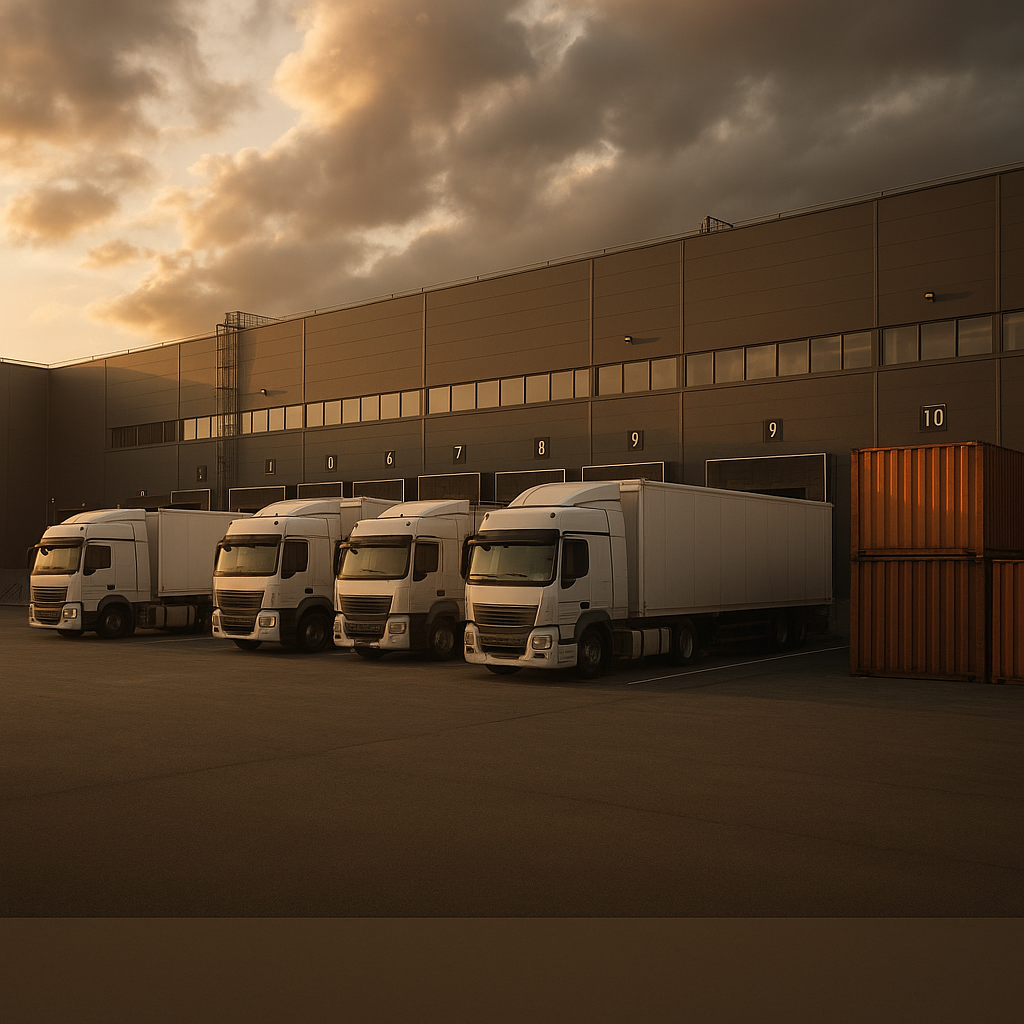
Road freight transport refers to the movement of goods using trucks and commercial vehicles across highways and local road networks. It is valued for its flexibility, door-to-door reach, and ability to support time-sensitive deliveries.
Compared to rail or sea freight, road transport allows shippers to respond quickly to demand changes and manage irregular routes. It is particularly effective for short- to mid-haul shipments, regional distribution, and first- and last-mile delivery.
However, road freight also presents challenges. Capacity availability can shift quickly, rates fluctuate with fuel and demand, and manual coordination increases the risk of delays. These factors have driven the adoption of digital platforms that bring structure and visibility to road freight operations.
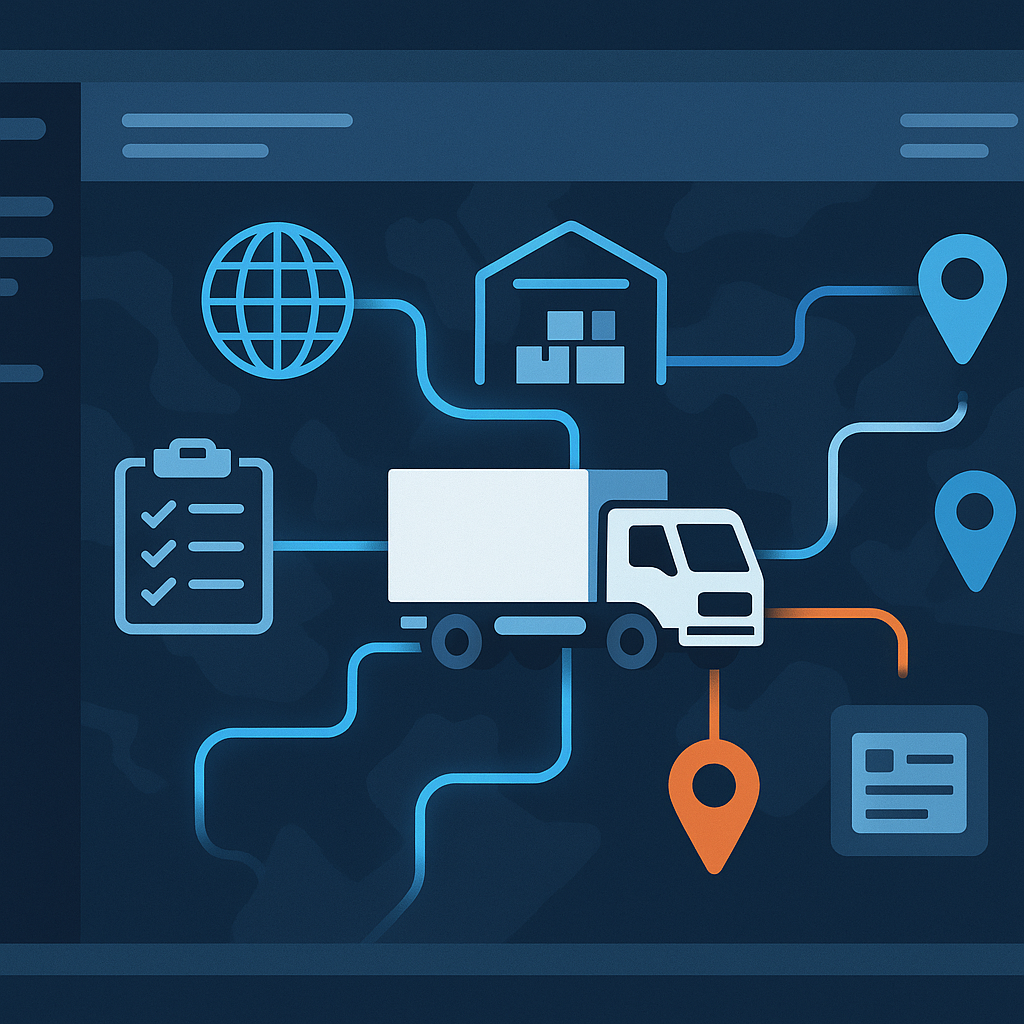
Digital road freight platforms connect shippers and carriers through centralized systems that replace fragmented communication with standardized workflows. Instead of relying on emails or phone calls, loads are posted digitally, carrier options are surfaced in one place, and shipment status is tracked continuously.
For shippers, this means faster booking cycles, clearer visibility, and better planning. For carriers, it provides easier access to freight opportunities and more predictable coordination. As volumes grow, these platforms support scalable road logistics without increasing administrative workload.
Digital platforms also help organizations adapt to volatility in road freight markets by improving transparency and reducing manual friction across procurement and execution.
How Road Freight Marketplaces Work
A road freight marketplace functions as a digital exchange between shippers and carriers. Shippers post shipment details such as origin, destination, equipment type, and delivery requirements. Carriers review available loads and accept those that match their capacity and routes.
Once a load is confirmed, the same platform is used to coordinate execution and monitor shipment progress. This unified flow simplifies road freight booking and reduces delays caused by information gaps.
Marketplaces support both spot shipments and repeat lanes, making them suitable for businesses of different sizes and shipping patterns.
Comparing Road Freight Platforms by Region
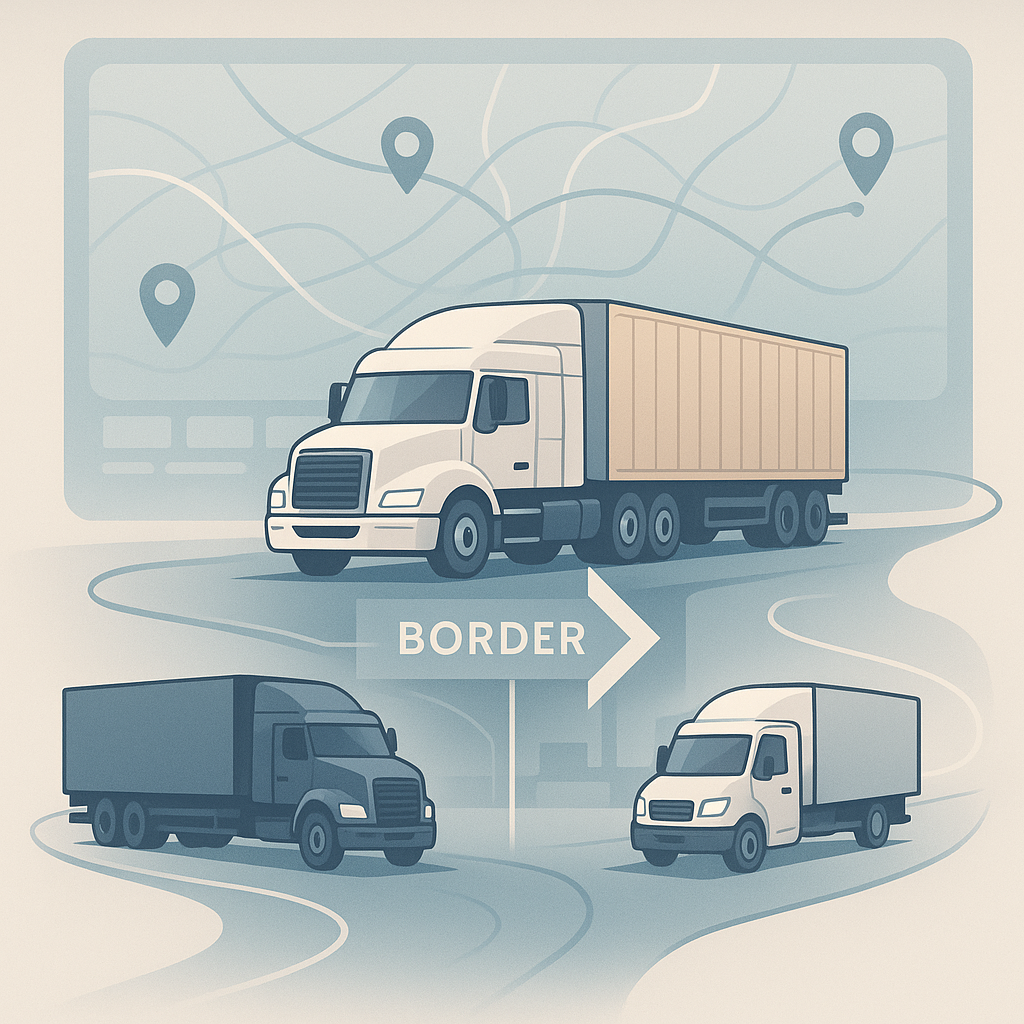
Road freight platforms tend to develop regional strengths based on network density, regulations, and shipper needs.
In Europe, platforms such as TIMOCOM and Trans.eu are known for dense regional coverage and structured verification processes. These solutions are often used by established shippers and forwarders operating across multiple European countries.
In North America, platforms like DAT and Uber Freight are widely used for domestic truckload freight. They provide large carrier networks and load visibility across the United States and Canada.
Alongside these established names, digital freight marketplaces such as Truxweb focus on simplifying road freight execution by centralizing booking, carrier coordination, and shipment visibility in one platform. This approach is particularly useful for businesses managing high-volume or repeat road freight operations.
Key Features to Evaluate in Road Freight Platforms
Road Freight Booking and Dispatch
Efficient platforms make it easy to post loads, review carrier options, and confirm shipments digitally. This reduces tendering time and eliminates repetitive back-and-forth communication.
Shipment Visibility and Tracking
Centralized tracking allows shippers and carriers to monitor shipment progress without manual check-ins. Visibility supports better planning, earlier issue detection, and clearer communication with customers.
Carrier Network and Verification
A reliable carrier network is essential. Platforms differ in how they verify carriers and manage access. Businesses should evaluate whether the platform’s network aligns with their lanes and volume needs.
Integrations and Scalability
Modern road freight platforms increasingly integrate with transportation management systems and internal workflows. Scalability matters, especially for shippers expecting growth or seasonal volume swings.
Digital Platforms vs Traditional Road Freight Coordination
Traditional road freight coordination often relies on brokers, phone calls, and spreadsheets. While this can work for small volumes, it becomes difficult to scale and limits visibility as operations grow.
Digital platforms standardize processes and create shared visibility across stakeholders. This leads to faster booking, fewer errors, and more consistent execution. As road freight markets become more dynamic, these advantages are increasingly important for maintaining service levels.
Road Freight for E-Commerce and High-Volume Shipping
Road freight plays a critical role in e-commerce and high-volume distribution, where speed and flexibility are essential. Digital platforms help manage frequent shipments, variable demand, and regional distribution without overwhelming operations teams.
By centralizing freight coordination, businesses can maintain control as volumes increase and routes diversify.
Choosing the Right Road Freight Platform
Selecting a road freight platform should be based on operational fit rather than brand recognition alone. Shippers should consider:
- Regional coverage and carrier availability
- Ease of booking and shipment visibility
- Ability to scale with volume
- Transparency and workflow clarity
The right platform supports current needs while remaining flexible enough to adapt as freight operations evolve.
Conclusion
Road freight transport in 2026 is increasingly shaped by digital execution and visibility. As markets become more competitive and capacity fluctuates, shippers and carriers benefit from platforms that centralize booking, coordination, and tracking.
Digital road freight marketplaces provide the structure needed to manage complexity, improve efficiency, and scale operations without adding friction. By choosing a platform that aligns with their lanes, volumes, and growth plans, businesses can build more resilient and predictable road freight operations.
Explore smarter road freight coordination with Truxweb, a centralized platform for booking, carrier coordination, and shipment visibility.
Frequently Asked Questions (FAQs)
What is road freight transport?
Road freight transport is the movement of goods by trucks over highways and local roads, commonly used for regional, cross-border, and last-mile delivery.
How do road freight platforms work?
Road freight platforms connect shippers and carriers digitally, allowing loads to be posted, matched, booked, and tracked within one system.
Why are digital road freight platforms important in 2026?
They improve visibility, reduce manual coordination, and help businesses scale road freight operations more efficiently in volatile markets.
What is a road freight marketplace?
A road freight marketplace is an online exchange where shippers post shipments and carriers accept loads based on availability and route fit.
Can road freight shipments be tracked in real time?
Yes. Most modern platforms provide real-time shipment visibility using GPS and carrier data integrations.
Are road freight platforms suitable for high-volume shipping?
Yes. Digital platforms are designed to handle repeat lanes and high shipment volumes without increasing administrative complexity.
How do shippers choose the right road freight platform?
Shippers should evaluate regional coverage, carrier access, visibility features, scalability, and ease of use.
What is the difference between a road freight platform and a broker?
Platforms provide direct digital coordination and visibility, while brokers rely more on manual communication and intermediary management.
Can road freight platforms support cross-border shipments?
Many platforms support cross-border road freight by coordinating carriers, documentation, and tracking across regions.
Who benefits most from using road freight platforms?
Both shippers and carriers benefit from faster booking, clearer communication, and centralized shipment management.