


Introduction
For small businesses in Canada shipping anywhere from one to eight pallets at a time, LTL shipping for small businesses raises a very practical question: is it actually worth the switch? Many operators default to parcel carriers out of habit, without realizing that LTL freight Canada can offer significant cost advantages once shipment volumes outgrow standard parcel pricing. This guide breaks down the real trade-offs, from pricing and flexibility to carrier quality and transit times, so you can decide with confidence whether LTL freight belongs in your shipping strategy.

How LTL Freight Pricing Works
LTL rates are calculated based on a combination of factors that can feel complex at first. Understanding them upfront helps you avoid surprises on your invoice. According to the National Motor Freight Traffic Association, freight classification plays a major role in how carriers price shipments.
- Freight class: Determined by density, stowability, handling, and liability, and directly affects your base rate.
- Origin and destination: Lane-specific pricing means rates vary depending on which regions are being served.
- Weight and dimensions: Heavier and denser shipments typically cost less per pound than light, bulky freight.
- Accessorial charges: Fees for services like liftgate delivery, residential pickup, or inside delivery are added on top of the base rate.
- Fuel surcharge: A variable charge tied to current fuel index rates, applied as a percentage of the base freight cost.
LTL vs FTL: Which One Fits Your Volume?
The LTL vs FTL shipping decision comes down to one primary factor: how much space you actually need. Full truckload makes sense when you can fill 24 or more linear feet of trailer. If your shipment consistently falls below that threshold, LTL almost always delivers a lower cost per pallet, since you are not paying for empty space.
The Real Benefits of LTL for Small Business Owners
Cost Savings That Add Up Quickly
The cost of LTL shipping is split across multiple shippers sharing the same trailer, which means you pay a fraction of what a full truckload would cost for the same route. Small and medium-sized businesses represent a significant portion of Canada's economy, and reducing freight overhead is one of the most direct ways to protect margins. Businesses that use a freight cost calculator to compare carrier rates before booking consistently find savings of 20 to 40 percent compared to locking into a single-carrier contract.
Flexibility Without Long-Term Commitment
Unlike contract freight arrangements, LTL lets you ship on your own schedule without volume minimums or penalty clauses. This matters especially for seasonal businesses or those whose shipping volumes fluctuate month to month. You pay for what you ship, when you ship it, which keeps logistics costs proportional to actual revenue.
The Limitations You Should Know Before Committing
Transit Times Are Less Predictable
Because LTL shipments make multiple stops along a route, transit times are longer and less consistent than parcel or FTL delivery. A shipment from Toronto to Montreal might take two to three business days through an LTL network, while a dedicated truck could do it overnight. Transit variability is the most common complaint among new LTL shippers, and it can be managed with realistic delivery windows communicated to customers upfront. Using a platform with real-time shipment tracking helps reduce the stress considerably.
Handling Damage Risk Is Higher Than Parcel
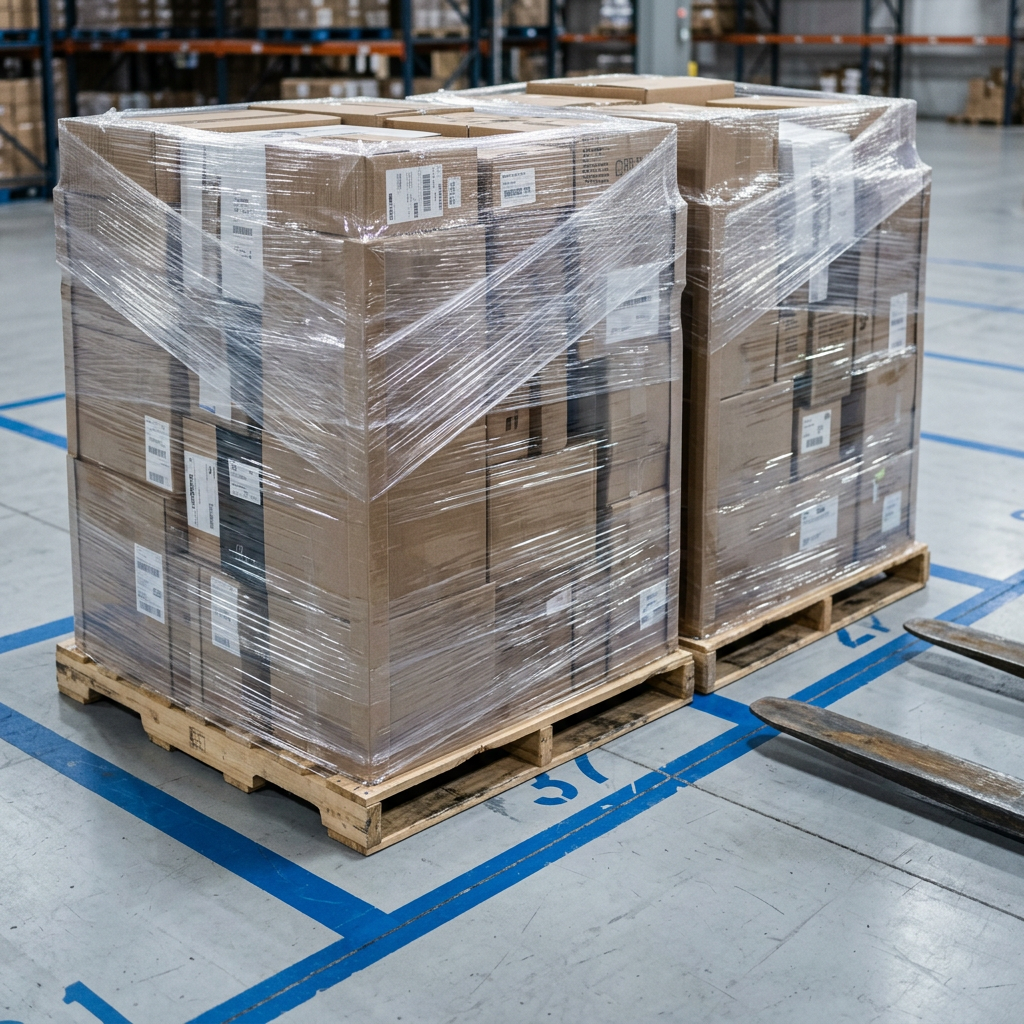
LTL freight changes hands more frequently than a direct parcel delivery, which introduces more opportunities for handling damage. Proper pallet preparation, including wrapping, blocking, and bracing, is your first line of defense. Selecting carriers with strong handling records and verified ratings also reduces your exposure significantly. Carrier selection based on quality metrics, rather than price alone, is worth the extra attention.
The majority of Canadian LTL volume flows through central Canada, making LTL shipping Ontario and LTL shipping Quebec two of the most competitive and well-serviced lanes in the country. Businesses operating in these provinces typically have access to the widest selection of carriers, the most frequent service days, and the most competitive rates on the market.
Using a Digital Platform to Compare Rates
The traditional process of calling freight brokers or emailing carriers for quotes is time-consuming and rarely delivers the best rate. Digital freight platforms have changed this by making LTL freight rates comparison Canada-wide available in minutes rather than hours. Truxweb, for example, connects businesses directly with vetted carriers and delivers competitive quotes within 30 minutes, with no brokering fees added to the final price.
What to Look for in an LTL Shipping Marketplace
Not all LTL shipping marketplace platforms are built the same. The most valuable ones offer transparent rate comparison, carrier performance ratings, integrated tracking, and consolidated billing. According to key small business statistics from Innovation, Science and Economic Development Canada, administrative efficiency is one of the biggest operational challenges facing small businesses, and a well-designed shipping platform directly reduces that burden. The best LTL freight platforms also enforce carrier quality standards so you are not left managing claims on your own when something goes wrong.
Signs LTL Is the Right Fit
Businesses that benefit most from LTL share a few common traits. They ship on a recurring basis, not just once or twice a year. Their freight is palletized or can be prepared that way. They are looking to improve cost predictability and reduce the overhead of managing multiple carrier relationships. If that describes your operation, exploring a digital freight brokerage alternative or a direct LTL marketplace is a practical and low-risk way to test the model.
Conclusion
LTL freight is not the right fit for every shipment, but for small businesses in Canada shipping consistent pallet volumes, it offers a genuinely compelling combination of cost efficiency, carrier access, and shipping flexibility. The key is understanding the trade-offs, preparing your freight properly, and using the right tools to compare rates and manage shipments without adding administrative work. Truxweb was built specifically for this use case, giving Canadian businesses a way to access competitive LTL rates and reliable carriers without the friction of traditional freight booking. If you have been relying on parcel carriers for loads that have outgrown that model, now is a good time to run a side-by-side comparison and see what LTL can actually deliver for your bottom line.
Ready to compare LTL rates from top Canadian carriers? Get your instant quote on Truxweb and find out how much you could be saving on every shipment.
Frequently Asked Questions (FAQs)
Why use LTL shipping for small businesses instead of parcel carriers?
LTL shipping becomes more cost-effective than parcel carriers once your shipments consistently exceed 150 pounds or span multiple boxes that would be cheaper to consolidate onto a single pallet.
How much does LTL shipping cost for a typical pallet in Canada?
LTL shipping costs vary widely based on freight class, lane, and weight, but a standard single-pallet shipment within Ontario or Quebec typically ranges from $80 to $250 before accessorial charges.
What is the difference between LTL and FTL shipping?
LTL means your shipment shares trailer space with other shippers and you pay only for what you use, while FTL means you book the entire trailer exclusively for your freight regardless of how much space you fill.
Can small businesses use LTL freight services without a long-term contract?
Yes, most LTL carriers and digital shipping platforms allow small businesses to book individual shipments on demand with no volume commitments or contract requirements.
How to save money on LTL shipping as a small business in Canada?
The most effective way to save on LTL freight is to compare quotes from multiple carriers simultaneously through a digital platform, optimize your freight class by maximizing pallet density, and avoid accessorial charges by scheduling pickups and deliveries at dock-accessible locations.