


Introduction
If you have ever spent two days chasing freight rates through email chains and broker phone calls, you already know the problem. Getting an instant LTL freight quote used to be nearly impossible for small and medium-sized businesses in Canada. You either paid a broker to handle it, or you negotiated directly with carriers one at a time, with no easy way to compare pricing, transit times, or service quality. In 2026, that process has changed significantly.
This guide walks you through exactly how to request, compare, and confirm a competitive LTL freight quote that Canada businesses can trust, using digital tools that give you real rates in minutes rather than days. Whether you are shipping one pallet or eight, from Toronto to Montreal or anywhere in between, this is the process that will save you time and money starting today.
Understanding LTL Freight Before You Quote
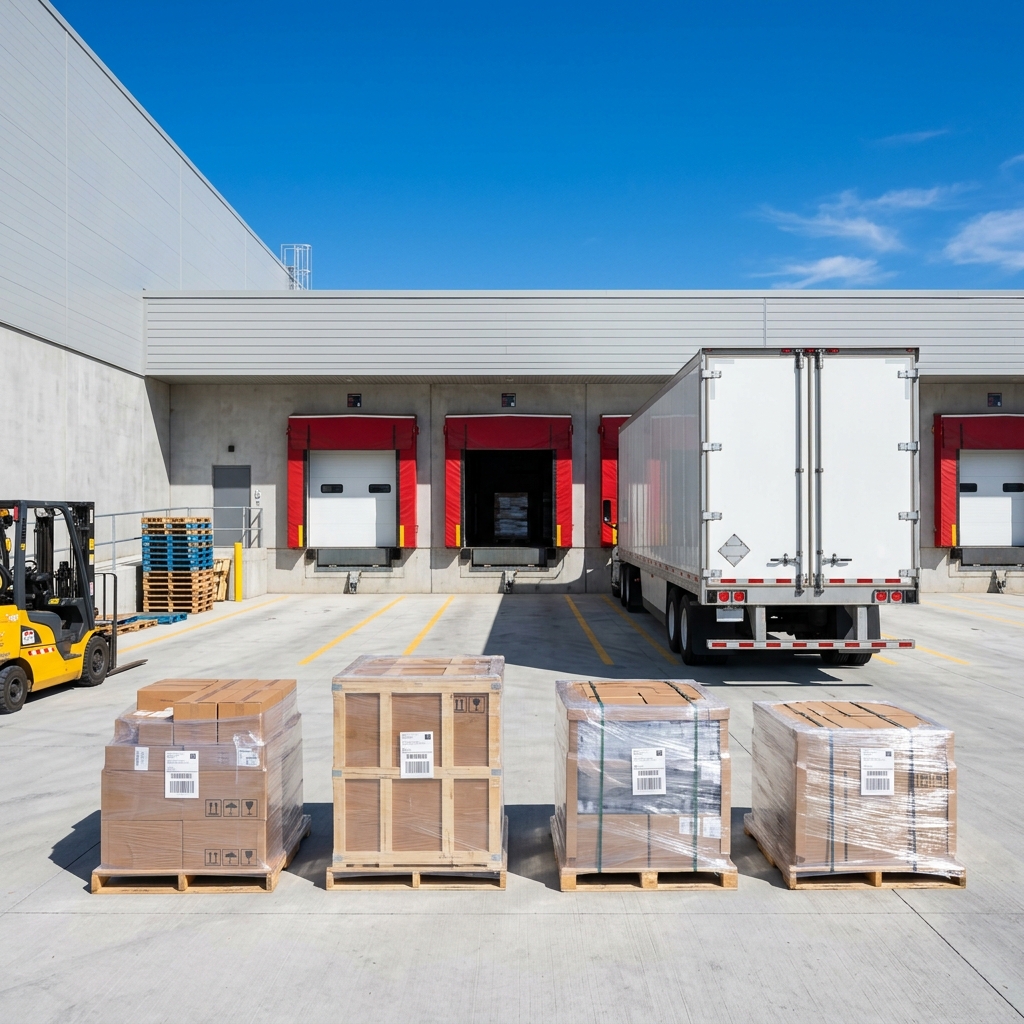
Before diving into the quoting process, it helps to know what you are actually buying. LTL, or Less-Than-Truckload, means your shipment shares trailer space with other businesses' freight. You only pay for the space your pallets occupy, making it a cost-efficient option for businesses that do not have enough volume to fill an entire truck.
The pricing logic behind LTL is more nuanced than full truckload because carriers are combining multiple shipments on a single route. Understanding a few key variables before you request a quote will make the process faster and your results more accurate.
LTL vs. Full Truckload: When LTL Makes Sense
LTL shipping is almost always the smarter choice when your shipment falls between one and eight pallets. Booking a full truckload for a small shipment means paying for space you are not using. LTL versus full truckload decisions come down to volume, urgency, and budget. For most Canadian SMBs shipping regionally, LTL delivers a strong balance of cost control and transit reliability.
Why Freight Class Still Confuses Shippers
Freight class is one of the most misunderstood parts of LTL quoting. Freight classification runs from Class 50 to Class 500, with higher classes indicating items that are harder to handle, more fragile, or lower in density. Misclassifying your freight leads to invoice adjustments after delivery, which can significantly inflate your final cost. Most digital quoting platforms include freight class lookup tools to help you get it right the first time.

How to Get an Instant LTL Freight Quote Online in 2026
The process of getting a real-time freight quote that Canadian shippers can act on has been compressed from days to minutes. Here is exactly how it works when you use a digital freight marketplace. This step-by-step approach applies to any shipment from one to eight pallets, whether you are quoting an quoting a pickup in Toronto or a cross-provincial lane into Quebec.
Step 1: Enter Your Shipment Details Accurately
Every quote starts with your shipment data. Log in to the platform and input your origin postal code, destination postal code, and the number of pallets you are shipping. Then add the weight, dimensions, and freight class for each pallet. Accuracy at this stage is critical. Carriers' price is based on what you declare, and if the actual shipment differs from what you quoted, you will receive a post-delivery invoice adjustment that erases any savings you thought you locked in.
Most platforms also ask about accessorial services at this step. If you need a liftgate at pickup or delivery, a residential delivery, or a scheduled appointment window, indicate that now. These add-ons affect the rate and must be declared upfront to get an accurate quote.
Step 2: Send Your Quote Request to Multiple Carriers Simultaneously
Once your shipment details are entered, the platform broadcasts your quote request to every carrier on the network that services your lane. This is where digital tools create a genuine advantage over traditional methods. Instead of calling three carriers individually and waiting for callbacks, you submit once and receive multiple responses within minutes. This is the core function of an LTL freight marketplace, and it is what makes no-broker-fee freight shipping in Canada a realistic option for businesses of any size.
Step 3: Compare Quotes Side by Side
When carrier responses arrive, you can view them in a single comparison interface. Rates, estimated transit days, and carrier ratings appear together so you can make an informed decision without toggling between emails or spreadsheets. SMB research in Canada consistently identifies time savings as one of the top priorities for business owners, and a side-by-side comparison view delivers exactly that. You can sort by price, transit speed, or carrier rating depending on what matters most for a given shipment.
Do not default to the cheapest rate automatically. A carrier with a slightly higher price but a one-day faster transit and a higher satisfaction rating may be the better call, especially for time-sensitive orders or fragile goods.
Step 4: Confirm Your Booking in One Click
Once you have selected a carrier, confirm the booking directly in the platform. No phone calls, no email confirmations, no separate paperwork. A well-built digital freight platform generates the bill of lading automatically and sends dispatch notifications to both the carrier and your team. From quote to confirmed booking can happen in under five minutes when your shipment data is ready.
Getting the Best LTL Shipping Rates for Your Business
Accessing an instant quote is only part of the equation. Getting the best LTL shipping rates for businesses consistently requires a few operational habits that most SMBs overlook. These are not complicated, but they make a measurable difference over time.
Ship on Mid-Week Days When Possible
Carrier capacity and pricing fluctuate throughout the week. Mondays and Fridays tend to see higher demand, which can push rates up and reduce the number of carriers willing to service your lane. Scheduling pickups on Tuesday, Wednesday, or Thursday often yields better rates and more carrier options, particularly on high-volume LTL shipping lanes in Ontario and Quebec. This is a small scheduling adjustment that can produce consistent savings over a full year of shipments.
Consolidate Shipments Where You Can
If you regularly ship to the same region, consolidating smaller orders into a single, larger LTL shipment reduces your cost per unit significantly. Carriers price by the pallet and by the lane, so shipping four pallets at once is almost always lower per pallet than shipping two separate two-pallet loads over two days. This approach also simplifies your tracking and documentation, since you are managing one shipment instead of two.
Use Carrier Ratings to Avoid Costly Service Failures
A low rate means nothing if your freight arrives late or damaged. Canadian supply chain professionals consistently emphasise that carrier reliability data should weigh as heavily as price in the selection process. Platforms that surface real carrier ratings, not just price, give you the information you need to protect your customer relationships and your margins at the same time.
Why the Old Quoting Process No Longer Works for SMBs
The traditional freight quoting process was built around relationships and phone calls, which worked well when volume was high and time was abundant. For a small business shipping a few pallets a week, it was never efficient. Canadian transport data consistently shows that SMBs bear a disproportionate cost burden in freight because they lack the volume leverage to negotiate strong carrier rates independently.
The broker model filled that gap, but it came with its own costs. Broker fees, opaque markups, and slow turnaround times frustrated shippers who simply needed to know what it would cost to move a few pallets from Hamilton to Laval. In 2026, digital freight marketplaces have made that friction largely unnecessary.
The Real Cost of Using a Freight Broker
Freight brokers typically charge a margin between the rate they negotiate with a carrier and the rate they quote to you. That margin is not always disclosed, and it compounds across every shipment you book. For a business shipping weekly, broker fees can add thousands of dollars to annual freight costs without adding measurable value to the shipping experience. Brokers also slow things down. A quote that could be generated in minutes often takes hours or a full business day when routed through a middleman.
Shipping LTL in Ontario and Quebec: What to Know
Ontario and Quebec represent the two largest freight markets in Canada, and digital logistics marketplaces in Canada have built their deepest carrier networks around these provinces. That is good news for businesses quoting in these markets, because more carrier coverage means more competition and better rates.
LTL Freight in Ontario: High Volume, Strong Coverage
Ontario's industrial corridor, stretching from Windsor through Toronto to the Ottawa Valley, is one of the most carrier-dense freight lanes in the country. An LTL freight quote that Ontario businesses request through digital platforms typically returns four to eight competitive carrier responses, giving shippers real pricing power. The high volume of freight moving through this region also means transit times tend to be reliable and well-documented. Canadian road transportation infrastructure in Ontario supports a wide range of carrier service levels, from economy to expedited.
LTL Freight in Quebec: Bilingual Service and Regional Carriers
Quebec presents a slightly different freight environment. Regional carriers with strong French-language customer service capabilities and deep knowledge of local regulations tend to perform better on Quebec lanes than national carriers operating out of their primary territory. When requesting an requesting a quote for Montreal or any Quebec destination, look for carriers with dedicated Quebec operations rather than those treating the province as a secondary lane. An LTL freight quote Quebec businesses get through a marketplace platform will often surface these regional carriers alongside national options, giving you the best of both.
How Truxweb Makes Instant LTL Quoting Work in Practice
Most of what has been described in this guide reflects the experience of using a well-built LTL freight marketplace. Truxweb is one such platform, built specifically for Canadian SMBs that ship between one and eight pallets and want direct access to carrier rates without a broker in the middle. With 92% of carriers responding to quote requests within 30 minutes during operating hours, the platform delivers on the promise of speed that most shippers need.
Beyond pricing, Truxweb enforces a minimum 95% customer satisfaction rating for every carrier on its network, with daily compliance monitoring through SaferWatch. That means the rates you see are not just competitive, they come from carriers that have been vetted for reliability and safety. A digital platform cutting LTL shipping costs is only useful if the carriers behind those prices can actually deliver, and that is where quality standards matter.
Conclusion
Getting a fast, accurate, and competitive LTL freight quote in Canada no longer requires a broker, a phone call, or a day of waiting. By entering your shipment details accurately, sending your request to multiple carriers simultaneously, comparing rates and service quality side by side, and confirming your booking directly in the platform, you can move from quote to confirmed shipment in minutes rather than days. The tools exist, the carrier networks are deep, and the cost savings are real. All that is left is to start using the process.
Ready to compare real LTL rates from top Canadian carriers? Get your instant quote on Truxweb today and see what competitive freight pricing looks like without the broker markup.
Frequently Asked Questions (FAQs)
How do I get an instant LTL freight quote in Canada?
Enter your shipment details, including weight, dimensions, freight class, and pickup and delivery locations, into a digital freight marketplace and submit your request. The platform will broadcast it to multiple carriers and return competitive rates within minutes.
How fast can I get an LTL freight quote online?
On most digital platforms, carriers respond to quote requests within 30 minutes during operating hours. Once you have a response, comparing and confirming a booking takes only a few minutes more.
Can I get a freight quote without calling a broker?
Yes. Digital freight marketplaces allow you to request, compare, and confirm freight quotes entirely online without involving a broker or making a single phone call. You deal directly with carriers through the platform.
What is the cheapest LTL shipping option in Canada?
The cheapest rate depends on your lane, shipment size, and timing. Comparing multiple carrier quotes simultaneously through a freight marketplace gives you the best chance of finding the lowest available rate for your specific shipment.
How do I compare LTL carriers in Canada?
Use a freight marketplace that displays carrier rates, transit times, and customer ratings side by side. This allows you to evaluate options on price and service quality together rather than choosing on price alone.
What carriers offer LTL shipping in Quebec and Ontario?
Both provinces are served by a mix of national carriers and strong regional operators. Digital freight platforms typically surface the most relevant options for your specific lane, including Quebec-based carriers with dedicated local operations.
Is LTL shipping cheaper than full truckload?
LTL is almost always cheaper than full truckload when your shipment is between one and eight pallets. You only pay for the space you use, rather than reserving an entire trailer that you cannot fill.
How does digital freight booking save time and money?
Digital freight booking eliminates broker fees, removes manual communication delays, and gives you instant access to competitive rates from multiple carriers. The result is faster decisions and lower costs on every shipment you book.
How do I book LTL freight online in Canada?
Register on a Canadian freight marketplace, enter your shipment details, receive carrier quotes, select the best option, and confirm the booking directly in the platform. Most platforms also generate your bill of lading automatically after confirmation.
What is the difference between LTL and FTL shipping?
LTL, or Less-Than-Truckload, means your freight shares trailer space with other shippers and you pay only for what you use. FTL, or Full Truckload, means you book the entire trailer for your shipment, which only makes sense when you have enough volume to fill it.