

Introduction
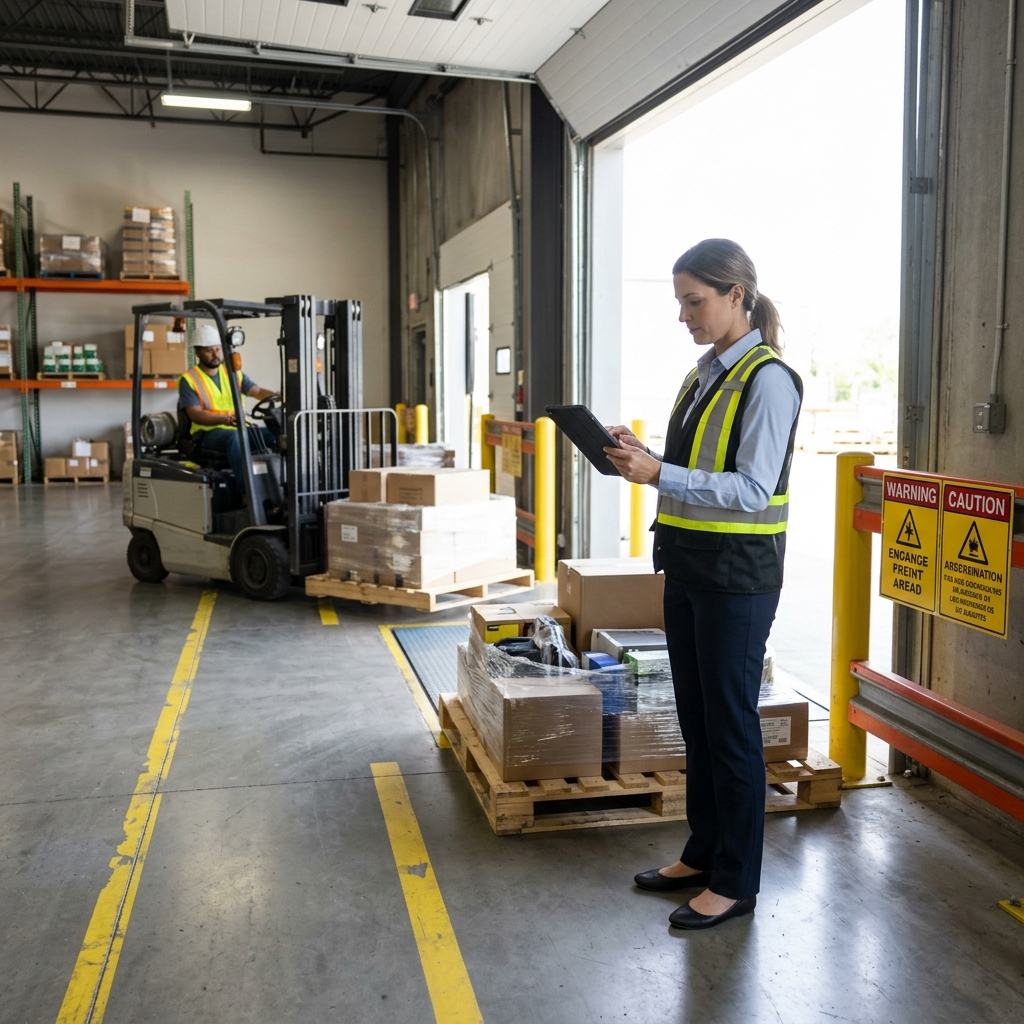
When an LTL freight shipping delay hits, the first instinct is to blame the carrier or the highway. Yet data from carrier claims departments across Ontario and Quebec consistently points to a different culprit: the shipper's own dock. From misclassified freight to incomplete bills of lading, the errors that stall less than truckload shipping typically happen hours or even days before a driver backs into the loading bay. For small and medium-sized businesses where a single late delivery can cascade into lost revenue and strained customer relationships, the distinction matters more than most realize.
The Pre-Shipment Mistakes That Trigger Most LTL Delays
Carrier performance gets scrutinized heavily, and it should. But the real reasons behind shipping delays often live upstream, in warehouses and shipping offices where freight is prepared, classified, and documented before a truck is even dispatched. Fixing these shipper-side errors eliminates the most common and most preventable sources of LTL shipping delays across Canada.
Documentation Errors and Incomplete Bills of Lading
A bill of lading with a wrong address, missing piece count, or outdated consignee contact information can hold a shipment at the origin terminal for hours. Carriers handling less than truckload freight consolidate dozens of shipments per trailer, so a single documentation error does not just slow one delivery; it can ripple across an entire route. According to root cause analysis in shipping operations, paperwork discrepancies rank among the top recurring triggers for terminal holds.
- Incorrect addresses: Even a wrong postal code forces manual correction at the terminal, adding 4 to 12 hours to transit
- Missing reference numbers: Many receivers require PO or reference numbers for dock acceptance, and missing them triggers refused deliveries
- Inconsistent piece counts: A mismatch between the BOL and actual freight triggers a recount and potential claims investigation
- Outdated contact details: Carriers cannot confirm delivery appointments when phone numbers or email addresses are stale
Freight Class Misclassification and Its Downstream Impact
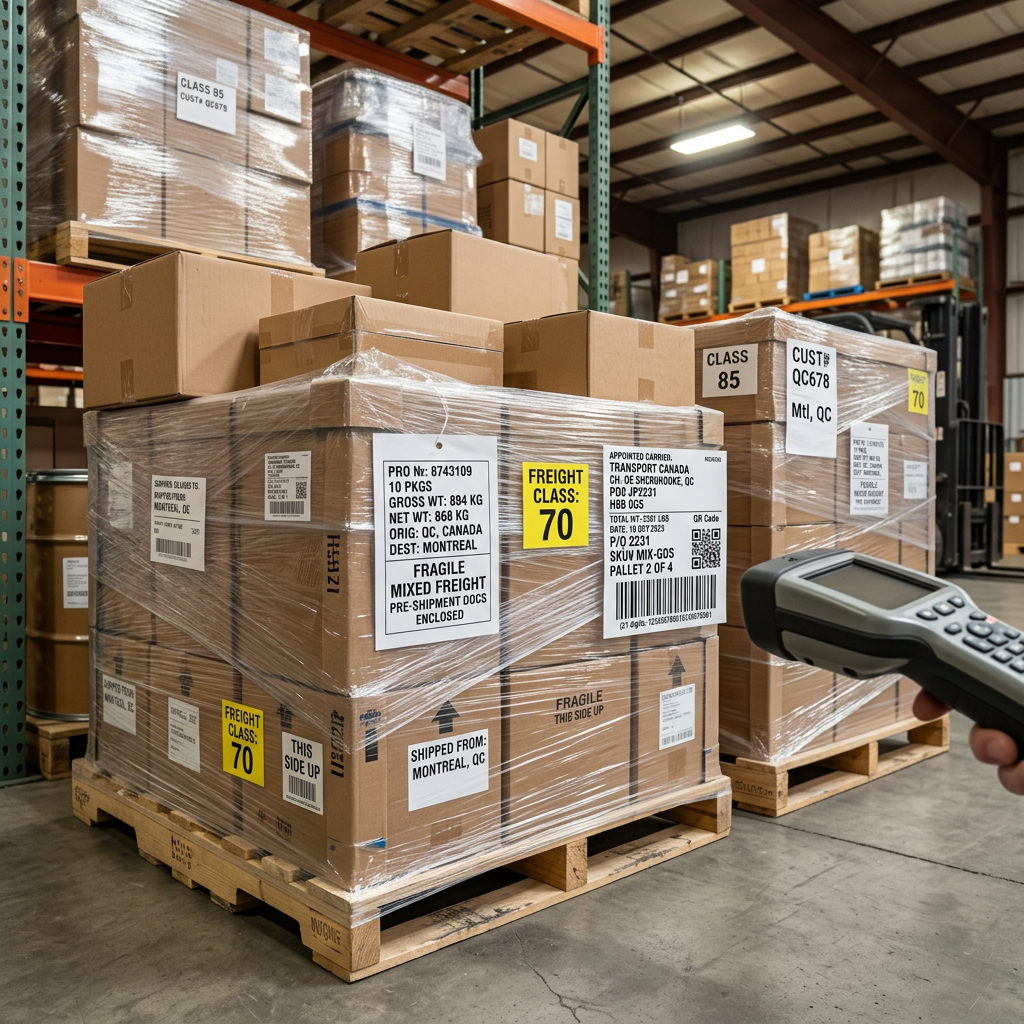
Declaring the wrong freight class is one of the most expensive LTL shipping preparation mistakes a business can make. Carriers inspect shipments at terminals, and when the declared class does not match the actual density, dimensions, or commodity type, the shipment gets reclassified. That reclassification triggers a revised rate, a billing dispute, and often a physical hold while the correction is processed. A freight class reclassification guide estimates that misclassified shipments can cost 20% to 50% more than the original quoted rate. For businesses shipping regularly between Ontario and Quebec, those overcharges compound fast. Understanding how freight class affects your shipping bill is not optional; it is foundational to accurate budgeting and on-time performance.
Pallet Preparation and Scheduling Failures
Even when freight is perfectly prepared, delays still happen if shippers lack visibility into the status of their bookings and cannot communicate efficiently with their carriers. The gap between booking confirmation and actual pickup is where many preventable delays hide, especially for businesses managing multiple LTL shipments per week across different carriers.
The Role of Real-Time Tracking and Automated Alerts
Shippers who rely on phone calls and email chains to track pickup status are always reacting instead of anticipating. By the time a missed pickup is confirmed through a back-and-forth email thread, the shipment has already lost a full business day. Platforms with real-time freight tracking capabilities push automated alerts for dispatch, pickup, and delivery milestones. That means shippers know within minutes if a carrier has not dispatched on schedule, giving them time to escalate or rebook before the delay compounds.
Automated alerts also reduce the administrative burden on shipping teams. Instead of manually checking on five or six shipments per day, a logistics manager in Quebec or Ontario receives proactive notifications and only intervenes when something deviates from the plan. This shift from reactive to proactive management is where reliable LTL carriers differentiate themselves from unreliable ones.
Direct Carrier Communication and Escalation Paths
When a potential delay surfaces, the speed of resolution depends entirely on how quickly a shipper can reach the carrier's dispatch team. Traditional freight booking often means calling a broker, who then calls the carrier, who then relays information back through the same chain. Each handoff adds time and introduces the risk of miscommunication. Truxweb addresses this directly with an in-platform chat function that connects shippers to carrier dispatch teams without intermediaries. That direct line means issues like rescheduled pickups, address corrections, or accessorial confirmations get resolved in minutes rather than hours.
For businesses shipping LTL freight across Ontario and Quebec, where transit windows between major corridors like Toronto to Montreal are already tight, even a 2-hour communication delay can push delivery into the next business day. Eliminating that lag is not a convenience; it is a competitive requirement.
Building a Pre-Shipment Routine That Eliminates Delay Risk
The pattern across all of these delay triggers is clear: they are preventable with consistent processes and the right tools. Building a pre-shipment routine does not require a massive logistics team or expensive software. It requires discipline, accurate data, and a platform that surfaces problems before they become delays.
Standardizing Your Shipping Workflow
Businesses that ship LTL freight consistently with low delay rates almost always have one thing in common: a standardized workflow. That means every shipment follows the same preparation checklist, every BOL is verified against the same criteria, and every pallet is built to the same specifications. Freight standardization reduces human error by turning shipping preparation into a repeatable process rather than a judgment call. When a new warehouse employee can follow the same steps as a 10-year veteran and produce the same result, delay risk drops significantly.
Digital freight platforms accelerate this standardization. Truxweb's booking system, for example, captures shipment details in structured fields that enforce completeness. Missing a dimension, a piece count, or a commodity description is flagged before the booking is submitted, not after the carrier arrives at the dock. That front-end validation is a simple mechanism, but it eliminates an outsized share of the errors that cause LTL freight delays in Canada.
Choosing Carriers Based on Performance, Not Just Price
The cheapest quote is not always the most economical choice when factoring in delay-related costs like expedited reshipping, customer credits, and lost productivity. Comparing LTL carriers on rate alone ignores the performance metrics that actually determine whether freight arrives on time. Carrier satisfaction ratings, on-time pickup percentages, and claims ratios all matter when evaluating the best LTL carriers in Canada for your specific lanes.
Platforms that surface these data points alongside pricing give shippers the ability to make informed decisions. A carrier quoting $15 more per shipment but delivering 98% on-time is almost always a better value than one quoting less with a 90% rate, especially when the cost of a single missed delivery window exceeds that price difference by a factor of ten. Evaluating best practices for LTL cargo preparation alongside carrier selection creates a comprehensive delay-prevention strategy that addresses both sides of the equation.
Conclusion
LTL freight shipping delays are rarely random events. They follow predictable patterns rooted in documentation errors, freight class mistakes, poor pallet preparation, and missed scheduling windows, all of which happen before a carrier ever arrives at the dock. Canadian businesses that invest time in pre-shipment accuracy, standardized workflows, and carrier transparency gain a measurable advantage in on-time delivery performance. The most effective way to stop delays is to stop creating the conditions that cause them.
Start comparing rated carriers with real performance data on Truxweb and take control of your LTL shipping timeline today.
Frequently Asked Questions (FAQs)
Why do LTL shipments get delayed?
LTL shipments get delayed due to documentation errors, freight class misclassification, poor pallet preparation, and missed pickup scheduling windows that occur before the carrier arrives.
What causes LTL freight delays before pickup?
Pre-pickup delays are most commonly caused by incomplete bills of lading, incorrect addresses, unstable pallets, and failure to confirm pickup appointments within carrier scheduling cutoffs.
How does poor pallet preparation cause LTL delays?
Improperly stacked, wrapped, or labeled pallets can be refused at pickup or flagged at the terminal for repackaging, adding hours or full days to the transit timeline.
What documentation errors delay LTL freight?
Wrong addresses, missing piece counts, outdated contact information, and absent reference or PO numbers are the most frequent documentation errors that hold shipments at origin terminals.
What is the best way to avoid LTL freight delays in Canada?
The best prevention strategy combines standardized pre-shipment checklists, accurate freight classification, proper pallet building, and using a digital platform with real-time tracking and direct carrier communication.