


Introduction
Every freight shipment starts with data. A weight, a dimension, a pickup window, a freight class. When that data is accurate, everything downstream runs smoothly. When it isn't, the consequences stack up fast: surprise surcharges, billing disputes, missed delivery windows, and strained carrier relationships. For small and medium-sized businesses managing their own logistics, precision freight shipping isn't a luxury. It's the difference between a predictable shipping budget and one that quietly bleeds margin every month.
This is especially true in the Canadian LTL market, where shippers moving 1 to 8 pallets at a time are operating in an environment that rewards accuracy and penalizes guesswork. Operations managers and business owners who don't have deep logistics expertise are often the ones responsible for these decisions, and the gap between what they know and what carriers expect can be costly. This piece walks through why data precision matters, where errors typically occur, and how modern digital tools are closing that gap.

The Real Cost of Imprecise Freight Data
Most shippers understand that errors lead to extra charges. What they underestimate is how often those errors occur and how much they accumulate over time. A single misclassified shipment or an incorrect weight estimate can trigger a carrier adjustment that wipes out any savings gained from a competitive rate. Multiply that across dozens of monthly shipments and the impact becomes significant.
Where Data Errors Typically Originate
Freight data errors don't usually happen because shippers are careless. They happen because the process is fragmented. Measurements are taken manually, freight classes are guessed rather than looked up, and pickup windows are estimated rather than confirmed. Here are the most common entry points for inaccurate data in an LTL shipment:
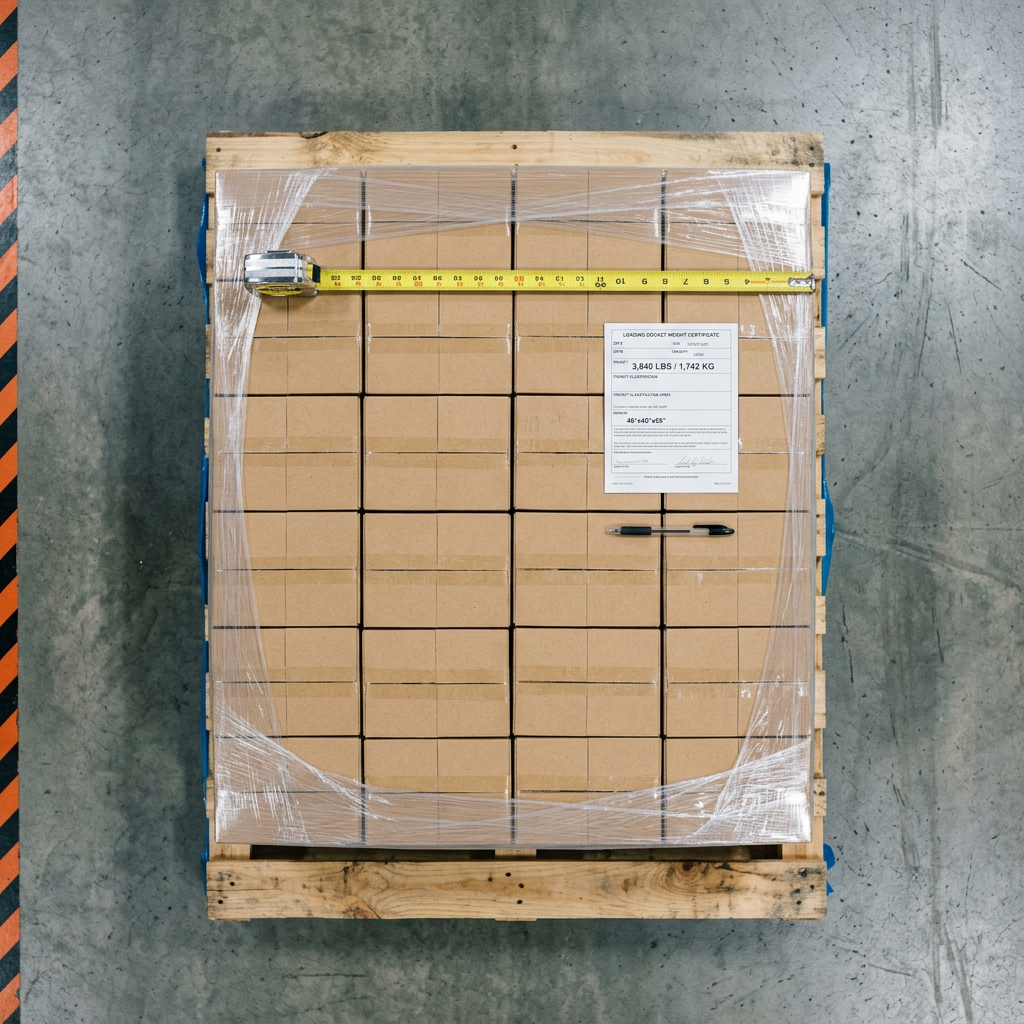
- Incorrect weight declarations: Carriers re-weigh shipments at their docks, and any discrepancy between declared and actual weight results in an adjustment charge, often without warning.
- Misclassified freight: LTL freight is priced by class, and choosing the wrong National Motor Freight Classification (NMFC) code means your quoted rate and your final invoice will rarely match.
- Vague pickup windows: When shippers provide imprecise availability windows, carriers may miss pickups entirely or reschedule, introducing delays that ripple through delivery timelines.
- Incomplete address details: Missing suite numbers, incorrect postal codes, or unlisted delivery requirements like liftgate or inside delivery trigger accessorial fees that could have been avoided upfront.
- Inaccurate dimensions: Pallet dimensions affect stackability, trailer space allocation, and sometimes freight class, making even small measurement errors consequential.
The Downstream Effect on Carrier Relationships
Carriers keep track of shipper reliability. A business that consistently provides inaccurate data becomes a higher-risk customer, and that reputation can affect the rates and service priority they receive over time. In a market where carrier selection directly influences delivery performance and cost, being flagged as an unreliable shipper is a disadvantage that compounds over time.
Beyond rates, imprecise data creates friction in every transaction. Drivers arrive without the right equipment. Dispatchers field calls about re-deliveries. Billing teams spend hours reconciling disputed invoices. These are all operational costs that don't show up on a freight invoice but are very real in terms of time and internal resources.
Why SMBs Are Especially Vulnerable
Larger shippers often have dedicated logistics teams with standardized data entry processes, carrier compliance checklists, and enterprise software that validates inputs before a booking is confirmed. Small and medium-sized businesses typically don't. They're relying on spreadsheets, email chains, and institutional knowledge that may walk out the door when an employee leaves. According to ISED Canada's SME research, small businesses represent the majority of Canada's business landscape, yet they remain the segment least equipped with formalized logistics infrastructure, making them disproportionately exposed to the costs of data errors.
What Precision Freight Management Actually Looks Like
Precision isn't about perfection. It's about building a process where accurate data is captured at the source, validated before a booking is confirmed, and tracked through to delivery. Precision freight management replaces reactive problem-solving with proactive data hygiene, and the tools that enable it have become far more accessible over the last few years.
Accurate Quoting as the Foundation
The quoting stage is where most data errors either get caught or get compounded. A well-structured digital quoting process forces shippers to enter specific weight, dimensions, freight class, and accessorial requirements before a rate is returned. This structure acts as a natural validation layer. When a shipper is required to confirm each data point, they're more likely to double-check measurements rather than estimate them.
Compare that to a phone-based quoting process, where a sales rep might accept a rough weight range or skip clarifying questions to close the call faster. The result is a rate that looks competitive but carries hidden exposure. Freight cost calculators that generate instant quotes based on structured inputs are a meaningful step toward closing this gap, because they make accuracy the default rather than the exception.
Multi-Carrier Comparison and Rate Transparency
One of the practical advantages of a precision freight rate comparison tool is that it surfaces pricing differences across carriers for the exact same shipment data. When a shipper enters accurate dimensions and weight and sees five different rates side by side, they're making a decision based on real cost information rather than a single broker quote that may or may not reflect market rates.
This transparency has a compounding effect. Shippers who regularly compare rates develop a clearer sense of what their freight should cost, making it easier to spot anomalies, question adjustments, and negotiate from an informed position. The LTL vs FTL freight cost comparison is a good example of the kind of analytical thinking that becomes second nature when shippers have access to clean, comparative data.
Real-Time Visibility as a Control Mechanism
Accurate booking data only takes you so far. What happens after the shipment leaves the dock is where precision real-time shipment tracking becomes critical. Without visibility into where a shipment is and whether it's on schedule, shippers have no way to proactively manage exceptions, communicate with customers, or escalate issues before they become full-blown delivery failures.
A real-time shipment tracking system doesn't just provide peace of mind. It gives shippers the data they need to act when something goes wrong, whether that means contacting a carrier directly, adjusting a customer's expected delivery window, or flagging a recurring delay pattern with a specific carrier. Visibility is precision applied to the post-booking phase of freight.
Digital Freight Tools and the Shift Away from Guesswork
The broader shift toward precision digital freight management Canada is being driven by platforms that replace manual, error-prone processes with structured, data-validated workflows. For Canadian SMBs, this shift is particularly significant because it democratizes access to the kind of logistics infrastructure that was previously available only to larger shippers with dedicated procurement teams.
How Structured Digital Booking Reduces Error Rates
Traditional freight booking relies heavily on human interpretation. A shipper calls a broker, describes their shipment, and trusts that the information is being captured correctly on the other end. Every handoff in that chain is an opportunity for error. Digital booking platforms eliminate many of those handoffs by requiring shippers to input structured data directly into a validated form. The system flags incomplete entries, applies freight class logic, and confirms accessorial requirements before the booking is submitted.
This isn't just about convenience. Streamlining freight booking with digital platforms directly reduces the frequency of post-booking adjustments, because the data that enters the carrier's system is complete and accurate from the start. Fewer adjustments mean fewer billing disputes, fewer delivery exceptions, and a cleaner audit trail for internal reporting.
Automated Alerts and Proactive Communication
One of the more underappreciated aspects of precision freight management is communication timing. When a shipment is dispatched, picked up, or delivered, the shipper and the customer need to know promptly. Delays in that communication create uncertainty, and uncertainty leads to duplicate inquiries, manual follow-ups, and unnecessary operational load on both the shipper and the carrier.
Automated email alerts tied to key shipment milestones address this directly. They reduce the need for manual status checks and ensure that everyone in the chain, from the warehouse team to the receiving customer, is working from the same information at the same time. This is a small but meaningful form of data precision that improves coordination across the entire delivery workflow. According to Statistics Canada's trucking data, freight communication gaps are a persistent challenge in Canada's transportation sector, reinforcing why automated, structured updates matter.
Direct Carrier Communication Without Intermediaries
When a question or issue arises mid-shipment, the speed of resolution depends on how directly the shipper can communicate with the carrier. In a traditional brokered model, that communication passes through a third party, adding time and the risk of message distortion. In-platform direct messaging between shippers and carrier dispatch teams removes that friction entirely.
This matters for precision because real-time issues often require real-time decisions. A consignee has moved. A delivery window has changed. The dock requires a specific appointment. These updates need to reach the carrier accurately and immediately, not filtered through a broker email chain. Supply chain logistics resources from the Canadian Institute of Traffic and Transportation consistently point to communication clarity as one of the key drivers of delivery reliability.
Building a Precision-First Freight Process for Your Business
Adopting a more precise approach to freight doesn't require a full logistics overhaul. For most SMBs, the improvements come from a few targeted changes to how data is collected, validated, and shared across the shipping workflow. The goal is to make accuracy structural rather than aspirational.
Practical Steps to Improve Freight Data Accuracy
Most shippers can meaningfully reduce their error rate by focusing on a handful of process changes that address the most common sources of inaccurate data. Consider implementing the following:
- Standardize your measurement process: Use a fixed scale and measuring protocol for every outbound shipment. Inconsistency at the measurement stage is the root cause of most weight and dimension disputes.
- Verify freight class before every booking: Use an NMFC lookup tool rather than applying a class from memory. Freight class can change based on density and packaging, so confirming it each time prevents costly misclassifications.
- Build an accessorial checklist: Create a standard checklist for delivery requirements, including liftgate needs, inside delivery, residential status, and appointment windows. Apply it to every shipment before submitting a booking.
- Centralize your booking history: Keeping a consolidated record of past shipments, including carrier performance and any post-booking adjustments, helps identify recurring data problems and informs future booking decisions.
- Switch to structured digital quoting: Replace phone and email quoting with a platform that validates inputs at the point of entry. The structure of the form itself becomes a data quality control mechanism.
Choosing the Right Platform for Precision Freight Management
Not all digital freight tools are built with precision as a priority. When evaluating options, look for platforms that enforce complete data entry before generating a quote, surface multi-carrier rates on identical shipment data, and provide real-time tracking with automated milestone notifications. The combination of structured input and live visibility is what separates a genuinely useful tool from one that simply digitizes the same manual process.
Truxweb was built around exactly this kind of precision-first approach, connecting Canadian SMBs directly with top-rated carriers through an instant quote comparison engine that requires complete shipment data before returning results. The platform's precision freight visibility dashboard gives shippers a live view across all active shipments, while automated alerts and in-platform carrier communication close the loop on post-booking precision. For businesses comparing their options, the best LTL freight platforms for shippers offer a useful benchmark for evaluating what a well-built tool should include.
Conclusion
Freight data precision isn't a technical nicety. It's a direct driver of cost control, carrier reliability, and operational predictability. For Canadian SMBs managing LTL shipments without dedicated logistics teams, the risks of imprecise data are real and recurring, but so is the opportunity to eliminate them through better tools and tighter processes. Platforms designed around structured digital booking, multi-carrier rate comparison, and real-time visibility make precision the default rather than something that has to be manually enforced. If your current freight process leaves room for guesswork at the quoting, booking, or tracking stage, that's where the work begins.
Ready to bring precision to every shipment? Explore how Truxweb helps Canadian businesses ship smarter, with accurate rates, real-time tracking, and zero brokering fees.
Frequently Asked Questions (FAQs)
What is precision freight management for small businesses?
Precision freight management refers to the practice of ensuring every data point in a shipment, from weight and dimensions to delivery requirements and freight class, is accurate before a booking is confirmed. For small businesses, it means replacing manual estimates and phone-based processes with structured digital tools that validate data at the source and reduce costly post-booking adjustments.
How does precision real-time shipment tracking work?
Real-time shipment tracking works by pulling live status updates from carrier systems and surfacing them in a single dashboard visible to the shipper. When integrated with automated alerts, it notifies shippers at each key milestone, such as dispatch, pickup, and delivery, so they can proactively manage exceptions and communicate accurate timelines to their customers.
Why does accurate freight data reduce shipping costs in Canada?
Accurate freight data prevents the two most common sources of unexpected cost: carrier weight and dimension adjustments after re-weighing, and accessorial charges for services that weren't declared upfront. When the data entered at booking matches the physical shipment, invoices align with quotes and billing disputes are largely eliminated.
How can precise freight rates prevent billing errors?
When freight rates are generated from complete and validated shipment data, they reflect the actual characteristics of the shipment. This alignment between the quoted rate and the physical reality of the freight means carriers have no grounds for post-delivery adjustments, and the final invoice matches what the shipper expected to pay.
What is the impact of inaccurate freight data on SMBs?
Inaccurate freight data leads to adjustment charges, billing disputes, missed pickups, and strained carrier relationships, all of which represent real costs that compound over time. For SMBs without dedicated logistics staff, these issues also consume internal time and resources that could be directed toward core business operations.
How does precision freight tracking improve delivery reliability in Ontario?
Precise tracking gives shippers in Ontario immediate visibility into where a shipment is and whether it's on schedule, enabling them to act quickly when delays or exceptions occur. This reduces the time between a problem arising and a resolution being initiated, which directly improves the consistency of on-time delivery performance.
What are the consequences of imprecise freight quotes in Quebec?
Imprecise freight quotes in Quebec often lead to final invoices that exceed the original estimate, typically because the physical shipment doesn't match what was described at the quoting stage. This creates budgeting unpredictability and erodes trust between shippers and their freight providers over time.
How does a precision LTL marketplace compare to a traditional freight broker?
A precision LTL marketplace requires shippers to input complete, validated data before returning quotes from multiple carriers, whereas a traditional freight broker often accepts rough estimates and applies their own judgment to fill in gaps. The marketplace model produces rates that are more likely to hold through to final invoicing, while also eliminating the brokering fees that a traditional intermediary adds to every transaction.
What tools offer the most precise freight rate comparison in Canada?
The most precise freight rate comparison tools are digital platforms that require complete shipment data as a prerequisite for generating quotes, then return validated rates from multiple carriers simultaneously. Tools that allow side-by-side comparison of rate, transit time, and carrier performance give shippers the clearest basis for an informed booking decision.
Is precise digital freight booking more reliable than phone-based quoting?
Yes, in most cases. Digital booking platforms enforce structured data entry, which reduces the risk of errors introduced through verbal communication and manual transcription. Phone-based quoting depends on both parties accurately capturing and transmitting the same information, a process that introduces multiple points of potential error that digital tools are specifically designed to eliminate.