


Introduction
Freight transport in 2026 is undergoing a fundamental shift. Digital freight platforms are no longer optional tools used only for spot coverage. They are becoming core infrastructure for how shippers price, book, track, and manage freight at scale. As volatility continues across fuel markets, capacity availability, and regulatory requirements, logistics teams are prioritizing platforms that deliver real-time visibility, cost control, and execution reliability.
For B2B shippers moving recurring LTL and truckload freight across North America, the next phase of competition is being defined by operational speed, data accuracy, and platform-driven efficiency.
The Evolution of Freight Transport in 2026
Freight transport has traditionally relied on fragmented workflows. Quotes were sourced manually, carrier communication happened across emails and phone calls, and shipment visibility depended on reactive status checks. In 2026, this model is no longer sustainable.
Modern freight transport is increasingly coordinated through integrated digital platforms that unify booking, dispatch, documentation, and settlement. These systems provide a single operational view from tender through proof of delivery, reducing errors and accelerating decision-making.
Platforms such as TruxWeb reflect this evolution by enabling direct digital connections between shippers and vetted carriers. Instead of layering brokers and disconnected tools, shippers gain centralized control and faster execution through a single platform.
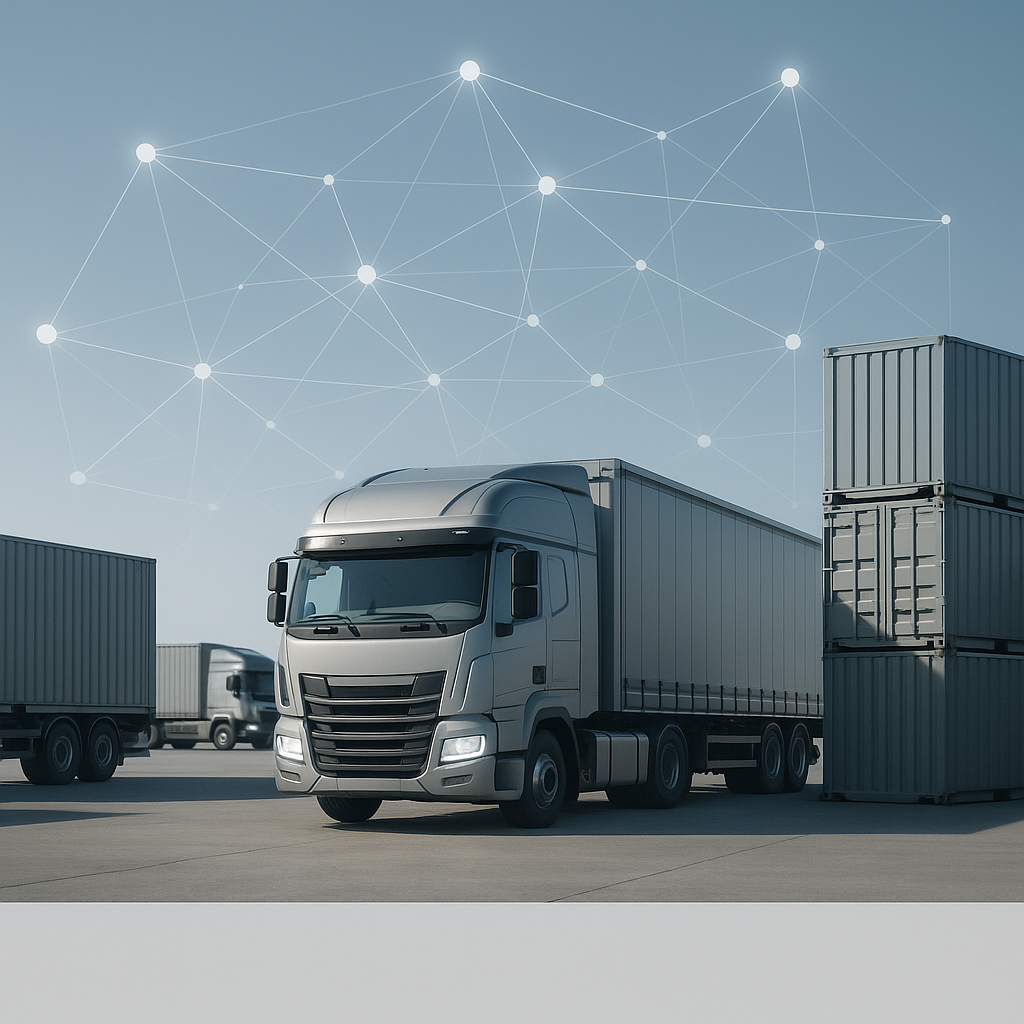
At its core, freight transport moves goods across truck, rail, air, and ocean. What has changed is the environment in which those movements occur. In 2026, freight operations are deeply data-driven.
Carrier networks are filtered dynamically by equipment type, lane coverage, service history, and compliance status. Domestic freight in North America continues to rely heavily on truck transport, particularly for LTL and regional truckload shipments. Cross-border freight between Canada and the United States demands predictable visibility, accurate documentation, and consistent carrier performance.
Shippers that rely on static carrier lists or manual coordination struggle to scale. Purpose-built shipper carrier networks now serve as the connective layer that sustains reliability and service quality across high-volume freight operations.
From Manual Coordination to Predictive Logistics
One of the most important freight trends in 2026 is the shift from reactive logistics to predictive execution.
Manual processes such as email-based dispatching and check-call tracking have been replaced by:
- Predictive ETAs based on live carrier and vehicle data
- Automated dispatch workflows that reduce handoffs
- Route optimization that minimizes empty miles and fuel waste
These capabilities allow mid-market shippers to compete with enterprise-scale organizations on service reliability while maintaining tighter cost control. According to recent 2026 freight market reports, predictive logistics also improves sustainability outcomes by reducing unnecessary mileage and dwell time.
How to Find Freight Companies in the Digital Landscape
Finding freight companies in 2026 starts with objective, verifiable data rather than personal relationships alone.
Shippers now evaluate freight providers based on:
- Safety records and insurance verification
- On-time pickup and delivery performance
- Tender acceptance rates
- Technology maturity and platform integration
- Responsiveness and support quality
- The ability to sync with the shipper’s internal logistics platform.
Digital freight platforms simplify this process by standardizing performance metrics and making carrier comparisons transparent. Geography remains an important factor. Shippers moving domestic freight across Canada or cross-border shipments into the United States benefit from platforms that specialize in North American freight networks and regulatory requirements.
Leading Freight Platforms and Networks in 2026
Freight brokerage, booking software, and visibility tools are converging into end-to-end logistics operating systems. Each category plays a distinct role in the ecosystem.
Influential Freight Platforms and Providers
- C.H. Robinson continues to lead in global brokerage scale and modal coverage
- Schneider Freight Power combines asset-backed reliability with digital booking tools
- Arrive Logistics focuses on automation to shorten booking cycles
- Uber Freight simplifies access to spot capacity through app-first workflows
- TruxwebDirect digital booking and 3PL logistics benefits for SMEs.
While many platforms emphasize brokerage-driven execution, TruxWeb differentiates itself by focusing on direct digital freight booking. This approach gives shippers faster execution, clearer pricing, and stronger operational control without the bureaucracy of legacy broker stacks.
What Freight Shipping Services Look Like in 2026
Freight shipping services have expanded well beyond basic transportation. In 2026, shippers expect a complete operational experience that includes:
- Automated LTL and FTL rate discovery
- Streamlined booking and dispatch coordination
- Digital documentation and billing
- Real-time shipment tracking and milestone updates
Modern companies are increasingly looking for transport logistics services that provide these integrated features. Domestic freight platforms are standardizing these capabilities for regional and cross-border shipping, resulting in lower administrative overhead.
Freight Carriers vs. Trucking Companies
Understanding the distinction between freight carriers and trucking companies is essential when building a resilient shipping strategy.
Non-asset freight carriers coordinate capacity across broad networks, offering flexibility and lane coverage. Asset-based trucking companies operate their own fleets, providing tighter control and consistency on core lanes.
In 2026, most shippers rely on a hybrid approach. Asset-backed capacity supports predictable volumes, while digital marketplaces provide agility during seasonal peaks or specialized demand. Performance scorecards and service-level agreements help maintain accountability across both models.
Digital Freight Marketplaces in 2026
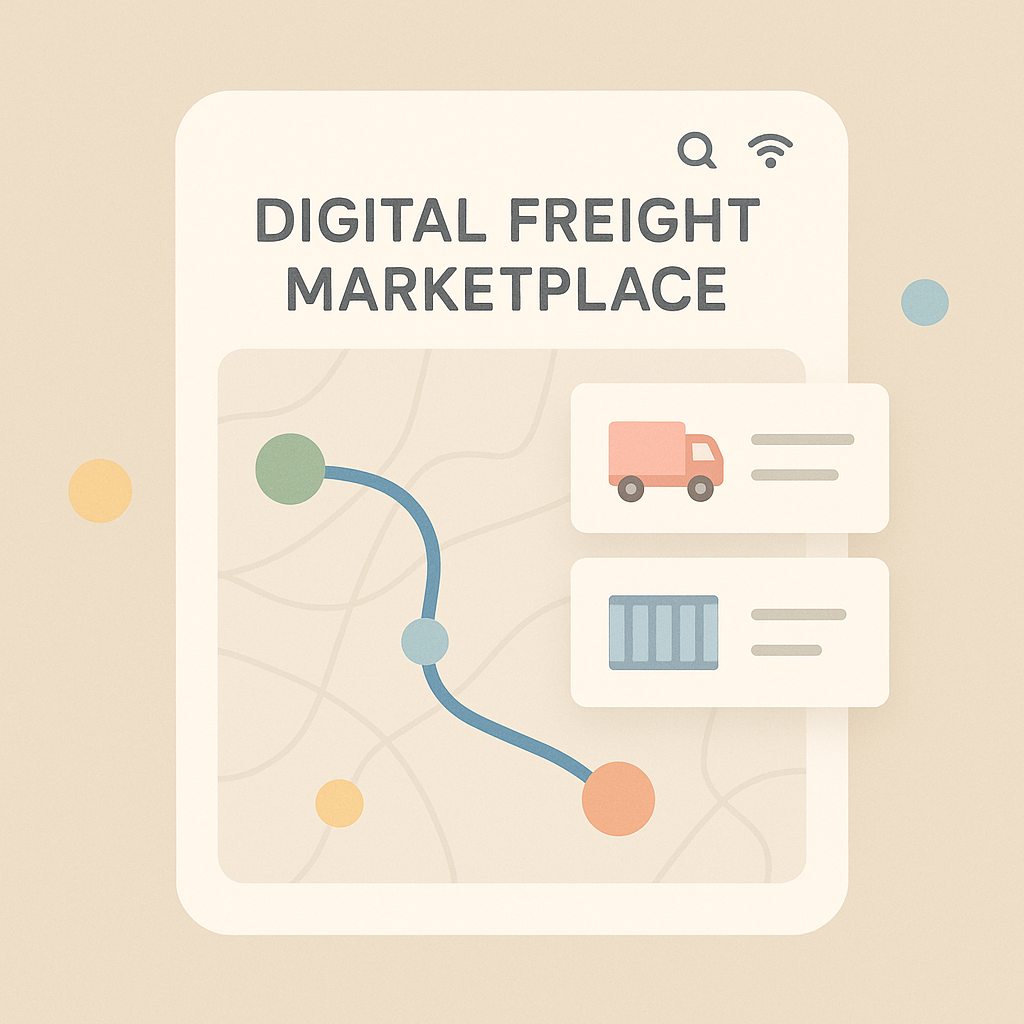
Digital freight marketplaces are now a standard component of freight operations.
A typical workflow includes:
- Shippers entering shipment details
- Qualified carriers submitting rates or being algorithmically matched
- Digital confirmation of bookings
- Automated tracking and proof of delivery
Marketplaces excel at speed and transparency, particularly for repeatable freight. Relationship-driven brokers remain valuable for complex, project-based moves. Platforms like TruxWeb enhance the marketplace model by embedding communication and tracking directly into the booking workflow, reducing friction during execution.
Real-Time Shipment Tracking and Dispatch Innovations
Shipment visibility in 2026 functions as a proactive control system rather than a passive tracking tool.
Modern platforms provide:
- End-to-end visibility from pickup through digital proof of delivery
- Anomaly detection that flags delays before they escalate
- Carrier scorecards for data-driven allocation decisions
- Deep integrations with TMS and ERP systems
Enterprise visibility leaders such as FourKites and project44 set industry benchmarks. Execution-focused platforms integrate these capabilities natively to keep all stakeholders aligned in real time.
Regional Freight Trends and Cross-Border Shipping
Location-specific expertise is becoming a competitive advantage.
In North America, cross-border freight between Canada and the United States continues to grow in complexity. Platforms that localize customs documentation, tax handling, and compliance workflows reduce delays and shorten cash cycles.
Europe is advancing greener logistics initiatives and intermodal adoption, while Asia remains driven by manufacturing volume and export demand. Freight platforms that support localization across regions are better positioned to support global growth.
Scaling Freight Operations with TruxWeb
As freight volumes increase, operational complexity rises quickly. TruxWeb helps mid-market and enterprise shippers scale by centralizing booking, dispatch, and tracking into a single workflow.
Key benefits include:
- Reduced deadhead miles through smarter capacity matching
- Faster order-to-cash cycles with digital documentation
- Standardized KPIs across lanes and regions
- API-first integrations with ERPs, TMS platforms, and customs systems
This structure allows teams to grow without adding manual overhead or sacrificing control.
Conclusion
The freight leaders of 2026 are those that combine strong carrier networks with precise execution and shared, real-time data. Visibility, scalability, and automation are no longer differentiators. They are baseline requirements.
Choosing the right digital freight platform is now a strategic decision that directly impacts cost control, service reliability, and long-term growth. Platforms that unify booking, dispatch, and tracking position shippers to succeed in an increasingly complex logistics landscape.
Ready to simplify freight booking, tracking, and execution in 2026?
Discover how TruxWeb helps shippers connect directly with trusted carriers, gain real-time visibility, and scale freight operations across North America with confidence.
Frequently Asked Questions (FAQs)
1. What is a digital freight platform?
A digital freight platform is software that allows shippers to compare rates, book freight, communicate with carriers, and track shipments in one centralized system.
2. How is a digital freight platform different from a freight broker?
A freight broker acts as an intermediary between shippers and carriers. A digital freight platform enables direct shipper and carrier interaction while automating booking, tracking, and documentation.
3. What types of freight can be managed through digital platforms?
Most platforms support LTL, full truckload, expedited freight, and regional cross-border shipments. Some also support intermodal and specialized equipment.
4. How does real-time shipment tracking work?
Real-time tracking uses carrier integrations, GPS data, and automated status updates to provide live shipment visibility from pickup through proof of delivery.
5. Are digital freight platforms suitable for mid-sized shippers?
Yes. Mid-sized shippers benefit from faster booking, lower administrative overhead, and better cost control without needing large logistics teams.
6. How do platforms evaluate and vet carriers?
Carriers are typically assessed using safety records, insurance verification, on-time performance history, and service quality metrics.
7. Can digital freight platforms support cross-border shipping?
Many platforms support cross-border freight by handling documentation, compliance requirements, and real-time visibility for shipments between regions such as Canada and the United States.
8. What role does automation play in freight operations?
Automation reduces manual tasks like quoting, dispatching, and billing, which helps teams move freight faster while minimizing errors.
9. How do shippers compare freight companies using digital tools?
Shippers compare providers using standardized metrics such as pricing, transit time, tender acceptance rates, and historical performance data.
10. Why is platform consolidation important in freight logistics?
Consolidation reduces tool sprawl, improves data accuracy, and gives logistics teams a single source of truth for booking, tracking, and performance analysis.