


Introduction
Disconnected spreadsheets, scattered email threads, and phone-tag with carriers are the silent productivity killers behind most shipping workflows gone wrong. For small and medium-sized businesses in Canada, these fragmented processes create data silos that obscure shipment status, inflate costs, and force operations teams to spend hours chasing basic updates. When freight data is centralized onto a single digital platform, those bottlenecks disappear. Teams gain a unified view of quotes, bookings, carrier communications, and delivery milestones, all in one place. The shift from scattered to centralized is not just a technology upgrade; it is the difference between reacting to logistics problems and preventing them entirely.
Why Fragmented Freight Data Slows Your Operations
Most businesses do not start with a data problem. They start with one carrier, one email inbox, and a manageable volume of shipments. As operations grow, so does the complexity. Suddenly, quotes live in one tool, tracking updates arrive via email, invoices accumulate in another system, and nobody has a complete picture of what shipped, when, or at what cost. This fragmentation is the root cause of delayed decisions, duplicated work, and avoidable shipping errors.
The Real Cost of Data Silos in Freight
Data silos do not just slow things down. They quietly erode margins and trust. When your team cannot access consolidated shipment information, the operational consequences stack up fast. According to research on how data silos affect business performance, siloed information leads to redundant processes, inconsistent reporting, and costly miscommunication. In freight, that translates to specific, measurable problems.
- Missed pickup windows: When dispatch confirmations sit in a carrier's email thread that only one team member monitors, pickups get missed, and shipments fall behind schedule.
- Duplicate quote requests: Without a centralized record of past quotes, teams unknowingly request the same rates twice, wasting time for both shippers and carriers.
- Invoice discrepancies: Reconciling invoices from multiple carriers across different formats and payment cycles creates accounting friction and delays dispute resolution.
- Lost carrier communications: Critical updates buried in individual inboxes never reach the people who need them, leading to preventable delivery exceptions.
Why Traditional Freight Management Breaks Down at Scale
A business shipping two pallets a week can manage with phone calls and a spreadsheet. A business shipping twenty pallets across Ontario and Quebec cannot. The manual approach breaks down because it relies on individual memory and personal organization rather than shared, accessible systems. When one team member is sick or unavailable, institutional knowledge disappears with them. Freight management without visibility leads to expensive decisions that compound over time. The threshold for needing a centralized system arrives much sooner than most growing businesses expect.
What Centralized Freight Data Looks Like in Practice
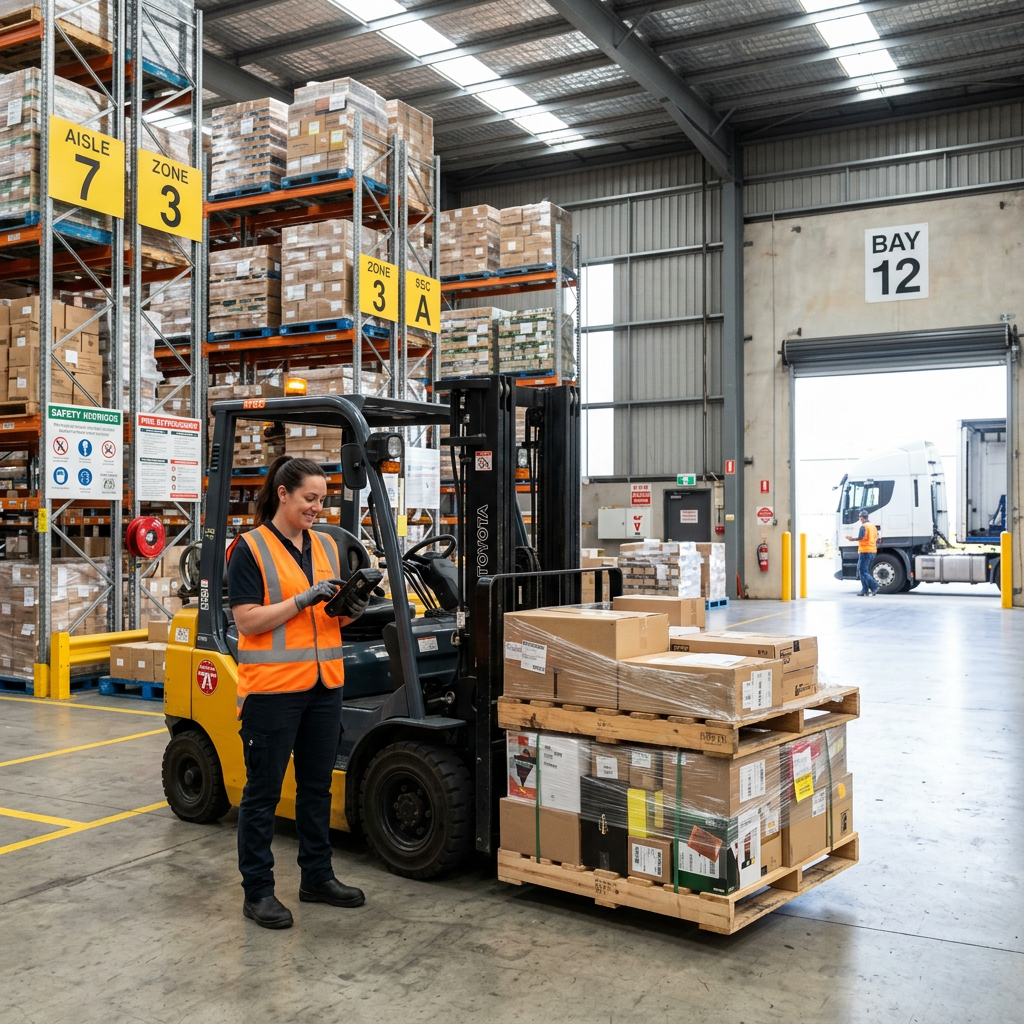
Centralizing freight data does not mean buying expensive enterprise software or hiring a dedicated IT team. For SMBs, it means adopting an LTL logistics platform that consolidates quoting, booking, tracking, communication, and payments into a single interface. The result is real-time shipping visibility across every active shipment, with every team member working from the same source of truth.
Core Features That Drive Workflow Efficiency
A modern digital freight management platform replaces scattered tools with integrated features designed to keep shipments moving without manual intervention. The most impactful capabilities directly address the pain points that fragmented systems create.
A multi-carrier quote engine lets you send rate requests to several carriers at once and compare pricing, transit times, and carrier ratings side by side. This eliminates the back-and-forth of individual rate negotiations. Automated freight booking then converts a selected quote into a confirmed shipment with a single action, removing the risk of transcription errors that come with manual data entry. Research from logistics automation specialists confirms that workflow automation in logistics significantly reduces human error while accelerating processing speed.
A shipment tracking dashboard pulls dispatch, pickup, in-transit, and delivery status into one screen. Instead of calling carriers or refreshing email, your team monitors every LTL shipment from a single view. Platforms like Truxweb pair this with automated email alerts at each milestone, so the right people get notified without anyone manually sending updates. In-platform chat functionality keeps carrier communications attached to the shipment record itself, ensuring nothing gets lost in someone's personal inbox.
How Consolidated Payments Reduce Administrative Burden
One of the most overlooked advantages of centralizing freight data is payment consolidation. Instead of receiving separate invoices from every carrier in different formats and on different schedules, a centralized platform rolls everything into a single statement. This streamlines accounts payable, reduces reconciliation time, and gives you a clear view of total freight cost per period. For businesses managing dozens of LTL shipments monthly across Quebec and Ontario, consolidated payments alone can save hours of administrative work each billing cycle. Truxweb, for instance, offers credit card payments or credit terms after initial shipments, removing the friction of managing multiple carrier payment relationships.
Better Carrier Selection and Rate Transparency
Canadian businesses face specific logistics challenges that make centralized freight data especially valuable. Regional carrier availability varies significantly between provinces, cross-border regulations add complexity, and seasonal volume fluctuations demand flexible processes. A centralized platform absorbs this complexity, so your team does not have to.
When all carrier interactions, past quotes, and performance history live in one system, you make better booking decisions. You can quickly identify which carriers consistently deliver on time for specific lanes, which offer the best rates for your shipment size, and which ones have trending service issues. This is the practical difference between a freight marketplace and a traditional broker: transparency. A broker filters information on your behalf, while a centralized platform gives you direct access to the data.
For businesses booking LTL shipping in Quebec or handling regular Ontario freight booking, this transparency matters. Rates and carrier availability shift frequently in these high-volume corridors. Having historical data at your fingertips means you spot pricing trends and avoid overpaying, contributing directly to freight cost savings over time. Understanding supply chain digital transformation helps frame why this shift toward data-driven decisions is becoming standard practice for competitive businesses.
Faster Issue Resolution and Accountability
When a delivery exception occurs, the speed of your response depends entirely on how quickly you can access the relevant information. In a fragmented system, resolving a missed delivery might require checking emails, calling the carrier, pulling up the original quote, and comparing it against the invoice. In a centralized system, every piece of that puzzle is already connected to the shipment record. Your team can diagnose the issue in minutes, not hours.
This level of end-to-end freight visibility also creates accountability. When communications, status updates, and service ratings are all logged in one place, patterns emerge. You can identify carriers that consistently underperform on specific routes and streamline freight booking by favoring reliable partners. This feedback loop, built on centralized data, continuously improves the quality of your shipping operations without requiring additional staff or oversight.
Conclusion
Centralizing freight data is not a theoretical improvement. It is a practical, measurable upgrade to how your team quotes, books, tracks, and pays for LTL shipments. By replacing disconnected tools with a unified platform, Canadian SMBs gain faster decision-making, fewer errors, cleaner financials, and stronger carrier relationships. The businesses that operate with efficient logistics management today are the ones that have moved their freight data out of inboxes and into a single, accessible system. The sooner your team makes that shift, the sooner scattered workflows stop costing you time and money.
Explore how Truxweb centralizes your freight data and simplifies every step of the LTL shipping process.
Frequently Asked Questions (FAQs)
What is a shipping workflow?
A shipping workflow is the sequence of steps involved in moving goods from origin to destination, including quoting, booking, dispatching, tracking, and invoicing.
How does centralizing freight data improve efficiency?
Centralizing freight data eliminates the need to switch between disconnected tools, giving teams instant access to quotes, shipment status, carrier communications, and payment records in one place.
What is a shipment tracking dashboard?
A shipment tracking dashboard is a digital interface that displays real-time status updates for all active shipments, including dispatch, pickup, in-transit, and delivery milestones.
How does automated freight booking reduce errors?
Automated freight booking converts selected quotes into confirmed shipments digitally, removing the manual data re-entry steps where transcription mistakes and miscommunications most commonly occur.
Which freight platforms offer real-time visibility in Canada?
Several digital freight platforms serving Canada offer real-time visibility features, including 360-degree dashboards, automated milestone alerts, and in-platform carrier communication tools for LTL shipments.