


Introduction
Finding a reliable carrier at a competitive rate should not require hours of phone calls, a middleman taking a cut, and zero clarity on who is actually handling your freight. Yet for thousands of Canadian businesses, that has been the daily reality of shipping LTL freight. The digital freight marketplace model has fundamentally changed this dynamic by connecting shippers and carriers directly through technology-driven platforms that prioritize speed, transparency, and cost efficiency. Understanding how these platforms work, from quote request to final delivery, helps businesses make smarter logistics decisions and protect their bottom line.

The Problem With Traditional Freight Brokerage
Before digital platforms reshaped the industry, most shippers relied on freight brokers to source carriers on their behalf. The process was slow, opaque, and expensive, and it left shippers with very little control over who moved their goods or what they were actually paying for.
What Shippers Were Dealing With Before
Traditional freight brokerage placed a human intermediary between the shipper and the carrier at every step. Brokers added markup to carrier rates, rarely disclosed the full pricing breakdown, and offered limited visibility once freight left the dock. For small and mid-sized businesses in Ontario and Quebec, this model meant inconsistent pricing, delayed responses, and a constant reliance on relationships rather than data.
- Opaque pricing: Brokers rarely disclosed carrier base rates, making it impossible to know how much markup was being applied.
- Slow quote turnaround: Getting competitive rates meant calling multiple brokers and waiting hours or even days for responses.
- No direct carrier access: Shippers had no relationship with the actual carrier, which complicated issue resolution and tracking.
- Inconsistent service quality: Without standardized carrier vetting, service levels varied wildly from one shipment to the next.
- Limited shipment visibility: Real-time tracking was rare, and status updates often had to be chased manually.
Why the Old Model No Longer Fits
The Canadian trucking sector has grown significantly more competitive, and shippers today expect the same kind of instant, transparent experience they get from consumer platforms. Businesses shipping one to eight pallets do not have dedicated logistics teams to manage broker relationships. They need a process that is fast, accountable, and easy to repeat without starting from scratch every time.
How a Digital Freight Marketplace Works End to End
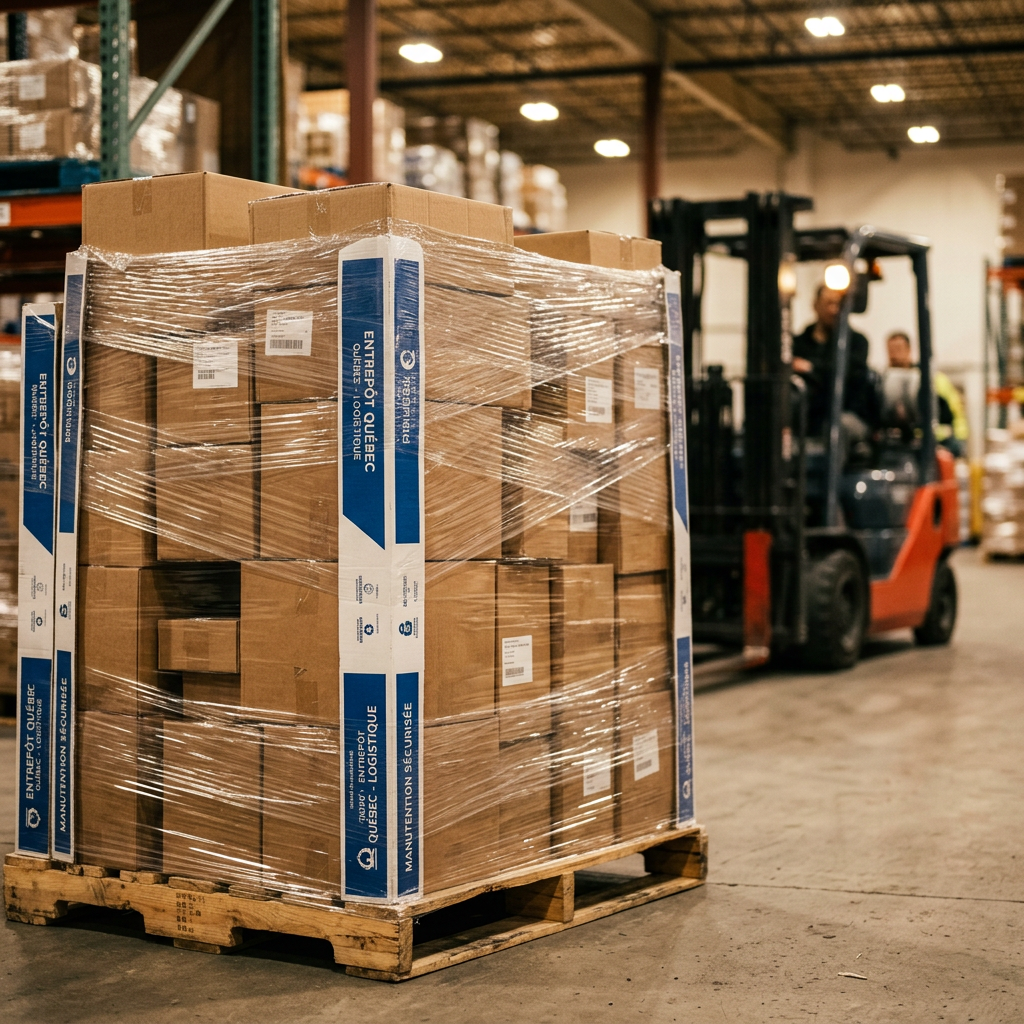
A freight marketplace operates as a two-sided platform where verified carriers list their services and shippers submit shipment details to receive competitive quotes in real time. The entire process, from initial request to booking confirmation, happens inside a single digital environment with no broker involvement.
Quote Requests and Multi-Carrier Matching
When a shipper enters their shipment details, including origin, destination, freight class, weight, and dimensions, the platform instantly distributes that request to every relevant carrier in its network simultaneously. This multi-carrier freight comparison approach eliminates the need to contact carriers one by one. Quotes come back within minutes rather than hours, and shippers can compare rates, transit times, and carrier ratings side by side before making any commitment.
Booking Without Broker Fees
Once a shipper selects a carrier, booking is confirmed in a single click. There is no back-and-forth negotiation, no broker markup inflating the final invoice, and no ambiguity about what the price covers. No broker fee freight shipping is one of the most immediate financial advantages of this model, and for businesses shipping regularly, those savings compound quickly. Some platforms report cost reductions of up to 40% compared to traditional brokered rates.
Real-Time Tracking and Direct Communication
After booking, shippers gain access to live shipment visibility through a centralized dashboard. Automated alerts notify relevant parties at each stage: dispatch, pickup, in-transit updates, and final delivery confirmation. Critically, shippers can communicate directly with carrier dispatch through the platform itself, which removes the communication delays that plagued broker-intermediated freight and makes issue resolution far faster.
Why This Model Works Better for Canadian Shippers
The advantages of an online freight marketplace are not just operational. They reflect a broader shift in how businesses expect to engage with service providers, with full information, direct access, and accountability built into the process from the start.
Transparent Freight Pricing Changes the Equation
Transparent freight pricing is foundational to the marketplace model. Every rate a shipper sees reflects the carrier's actual price, not a brokered estimate with hidden layers. This matters especially for businesses in LTL shipping who may not have the volume leverage to negotiate directly with carriers on their own. When pricing is visible and comparable, shippers can make decisions based on data rather than trust alone.
Carrier Quality Standards and Accountability
Reputable digital freight platforms enforce carrier quality standards that brokers rarely match. Carriers are vetted before joining the network and are subject to ongoing compliance monitoring for both federal and provincial safety regulations. This level of accountability protects shippers from the inconsistent service quality that characterized the traditional brokerage model. Organizations like the Canadian Trucking Alliance have long emphasized the importance of safety and compliance standards across the industry, and digital platforms are increasingly aligned with those values.
Automated Freight Booking Saves Time at Scale
Automated freight booking reduces the administrative burden on shippers who handle multiple shipments per week. Instead of manually initiating each booking through separate channels, businesses can manage everything from a single dashboard, compare historical rates, and set up repeat shipments with minimal friction. For operations teams juggling procurement, inventory, and fulfillment simultaneously, this kind of workflow efficiency is not a luxury. It is a competitive requirement.
The Digital Freight Marketplace vs. the Traditional Freight Broker
The digital freight marketplace vs traditional freight broker comparison is not just about cost. It is about control, speed, and the quality of information available at each decision point. Brokers provide human judgment and relationship management, which can be valuable in complex or non-standard shipments. But for the vast majority of recurring LTL shipments, a marketplace offers faster quotes, lower costs, better tracking, and direct carrier access without any of the opacity that comes with brokered logistics.
When Marketplaces Have a Clear Advantage
For shippers moving standard LTL freight on well-traveled lanes in Canada, particularly in markets like LTL shipping in Ontario and Quebec, digital platforms consistently outperform brokers on speed and cost. The ability to receive and compare quotes from multiple carriers in under 30 minutes eliminates days of back-and-forth that businesses simply cannot afford. Platforms like Truxweb were purpose-built for exactly this use case, serving businesses that ship one to eight pallets and need a reliable, repeatable process without dedicating staff to manage it.
Building Smarter Carrier Relationships Over Time
One underappreciated benefit of the marketplace model is the data it generates over time. Shippers build a trackable history of carrier performance, pricing trends, and transit reliability that informs future booking decisions. The Quebec trucking industry operates across a distinct geography with its own carrier networks, and platforms with deep regional coverage help shippers build smarter, more informed relationships with the carriers who serve those lanes best. This is something a rotating cast of broker contacts simply cannot replicate.
Conclusion
The shift from broker-dependent freight booking to digital freight platforms represents a genuine improvement in how Canadian businesses manage their shipping operations. Faster quotes, transparent pricing, direct carrier access, and real-time tracking are not incremental upgrades. They are structural advantages that reduce cost, save time, and put shippers back in control of their own logistics. For businesses shipping LTL freight in Canada, particularly those operating in Ontario and Quebec, the benefits of freight shipping platforms are too significant to ignore. The question is no longer whether to adopt a digital approach, it is which platform fits your operation best.
Ready to compare carrier rates in minutes and book without broker fees? Get started on Truxweb today.
Frequently Asked Questions (FAQs)
What is a digital freight marketplace?
A digital freight marketplace is an online platform that connects shippers directly with verified carriers, allowing them to request quotes, compare rates, and confirm bookings without using a traditional freight broker.
How do shippers connect with carriers on a freight marketplace?
Shippers enter their shipment details on the platform, which simultaneously distributes the request to relevant carriers in the network, who respond with competitive quotes that the shipper can compare and book directly.
Why use a freight marketplace instead of a broker?
A freight marketplace eliminates broker markup, provides transparent carrier pricing, delivers faster quote turnaround, and gives shippers direct access to carrier communication and real-time shipment tracking.
How does a freight marketplace work in Ontario and Quebec?
Freight marketplaces operating in Ontario and Quebec match shippers with carriers that serve those specific regional lanes, applying local carrier networks and compliance standards to ensure reliable coverage across both provinces.
Is digital freight booking safe and reliable?
Yes, reputable digital freight marketplaces vet all carriers before onboarding, monitor ongoing safety and compliance standards, and provide shippers with real-time tracking and direct communication tools to keep every shipment accountable.