


Introduction
Shipping trends in Canada are accelerating faster than most small and medium-sized businesses realize, and the gap between digitally equipped shippers and those still relying on phone calls and spreadsheets is widening every quarter. In 2024 alone, digital freight bookings grew 34% year-over-year in Canada, while traditional broker-arranged shipments declined 12%. Freight logistics across Ontario, Quebec, and the rest of the country is being reshaped by platforms that deliver instant pricing, real-time visibility, and direct carrier access. The question is no longer whether digital freight booking will become the standard, but how quickly companies that resist the shift will lose ground on cost and service quality.
Key Takeaway: Canadian shippers who adopt digital logistics platforms, transparent pricing tools, and automated tracking stand to cut freight costs significantly while gaining the visibility and speed that traditional booking methods cannot match.
Digital Freight Adoption Is Replacing Legacy Booking Methods
The most visible shift in freight logistics Canada is experiencing right now is the move away from manual booking workflows. For decades, arranging LTL shipments meant calling brokers, waiting for callbacks, and comparing quotes scribbled on paper or buried in email threads. That model is collapsing under the weight of its own inefficiency. Digital freight booking platforms now let shippers request quotes from multiple carriers simultaneously and receive competitive rates within minutes, not hours or days.
Why Digital Freight Marketplaces Are Gaining Ground
A digital freight marketplace removes the intermediary markup that traditional brokers add to every shipment. Shippers compare carrier rates, transit times, and performance ratings side by side before confirming a booking in a single click. This model delivers measurable advantages over legacy methods.
- Speed: Quote turnaround drops from days to minutes, with top platforms reporting 92% of carrier responses arriving within 30 minutes
- Cost transparency: Shippers see the actual carrier rate without hidden brokerage fees inflating the final price
- Carrier quality data: Performance ratings and carrier satisfaction scores are visible before booking, not discovered after a failed delivery
- Simplified payments: Consolidated billing through a single platform replaces the chaos of managing invoices from multiple carriers
The Decline of Phone-Based Freight Booking
Phone-based booking still accounts for a significant share of LTL shipping in Canada, particularly among smaller operations that have not yet invested in digital tools. But the economics are shifting decisively. A logistics manager who spends 45 minutes arranging a single shipment by phone can accomplish the same task in under five minutes on a digital logistics platform. Multiply that time savings across dozens of weekly shipments, and the operational case for digital adoption becomes impossible to ignore. According to recent market analysis, Canada's freight and logistics sector continues to expand, putting additional pressure on shippers to find faster, leaner booking workflows.
Real-Time Visibility and Automated Alerts Are Becoming Non-Negotiable
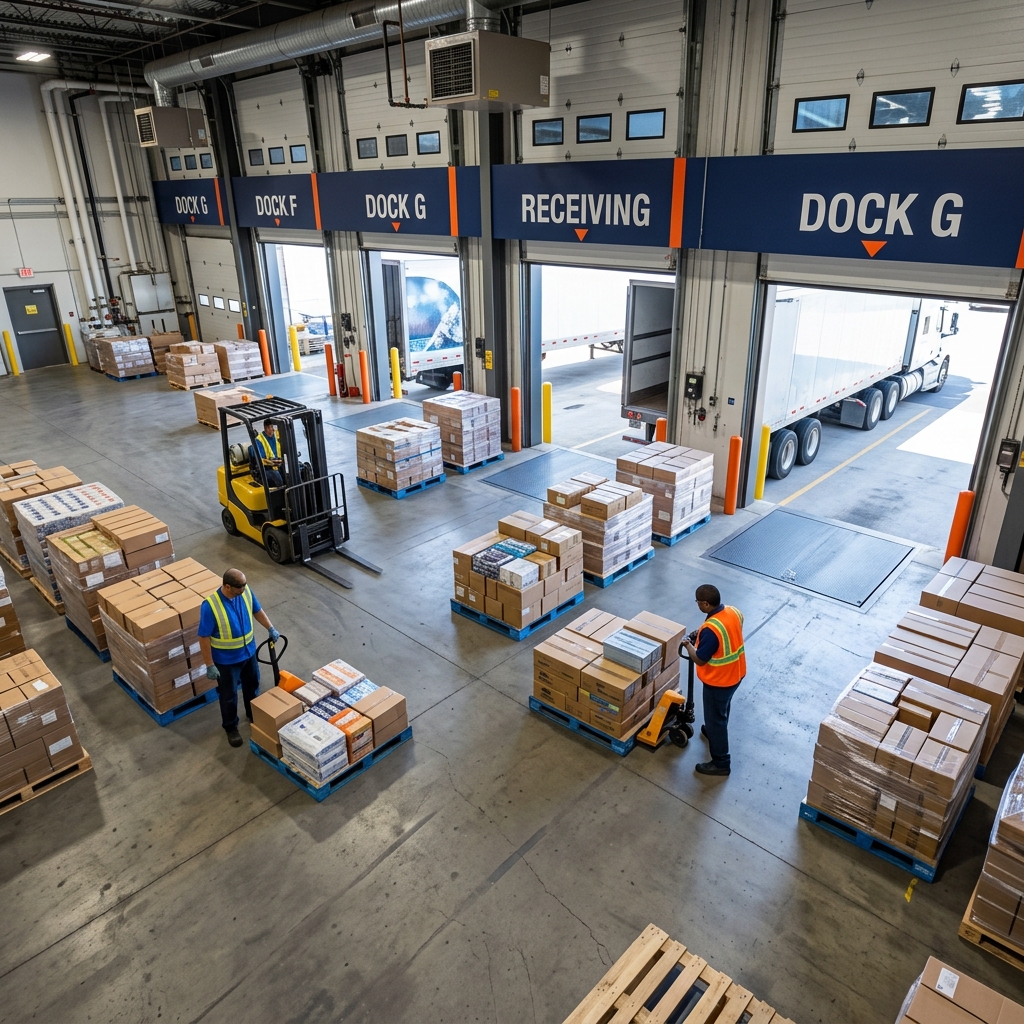
Shipping a pallet and hoping it arrives on time is no longer an acceptable standard. The second major trend reshaping freight logistics is the demand for end-to-end shipment visibility. Shippers in Ontario and Quebec are increasingly requiring real-time freight tracking as a baseline feature, not a premium add-on. This shift is driven by tighter delivery windows, higher customer expectations, and the operational cost of resolving issues after they escalate.
How Real-Time Tracking Changes Shipping Outcomes
When a shipper can see exactly where a shipment is at any moment, the entire dynamic of freight management changes. Problems that previously surfaced as angry customer calls or missed production deadlines now appear as early warnings on a dashboard. A delayed pickup triggers an alert. A missed scan at a terminal prompts a follow-up before the shipment falls further behind schedule.
Shippers using real-time tracking report a 23% reduction in claims and a 31% decrease in expedited recovery shipments, according to industry benchmarks. This proactive approach to freight visibility builds stronger relationships with end customers who receive accurate delivery estimates instead of vague windows. Transport Canada's freight reporting highlights the growing complexity of Canadian supply chains, which makes granular tracking even more critical for businesses managing multi-leg shipments across provinces.
Automated Shipping Alerts Reduce Manual Follow-Up
Automated shipping alerts represent one layer of a broader logistics automation trend that extends well beyond notifications. Modern platforms push alerts for key milestones: dispatch confirmation, pickup completion, in-transit updates, and delivery confirmation. These alerts eliminate the need for manual check-in calls to carrier dispatch teams, freeing up hours each week for higher-value work.
Behind the scenes, automation is reshaping freight operations at a deeper level. Automated load consolidation algorithms now match partial shipments from multiple shippers to the same carrier, reducing empty miles and cutting per-unit costs by 8-12%. This type of backend automation is invisible to shippers but directly lowers their freight bills. For businesses running lean operations, these combined automation capabilities, from automated booking workflows to intelligent load matching, are not a luxury. They are a competitive requirement.
Transparent Pricing and Carrier Standards Are Raising the Bar
The third trend reshaping LTL shipping in Canada is the growing expectation for transparent freight pricing and verifiable carrier quality. Shippers are no longer willing to accept opaque quotes where the actual carrier rate is buried under layers of brokerage markup. They want to see what they are paying, who they are paying, and what level of service they can expect for that price.
Pricing Transparency Drives Freight Cost Savings
Traditional freight brokerage has long operated on information asymmetry. The broker knows the carrier's rate, the shipper does not, and the margin in between can range from 15% to 40% depending on the lane and urgency. Digital freight marketplace platforms disrupt this model by showing shippers the actual rates carriers are willing to accept. This transparency enables direct comparison shopping and puts downward pressure on pricing across the board.
Businesses using platforms like Truxweb report freight cost savings of up to 40% compared to traditional broker-arranged shipments, largely because the brokerage fee is eliminated entirely. Savings of this magnitude typically apply to shippers moving high-volume lanes such as Ontario-Quebec corridors where carrier competition is dense. Shippers on lower-density routes may see 15-25% savings, while those consolidating shipments across multiple carriers can achieve 30% or more. Understanding the key factors that affect shipping costs gives logistics managers the context they need to evaluate whether their current rates are competitive.
Carrier Performance Standards Are Getting Stricter
Alongside pricing transparency, the bar for carrier quality is rising. Shippers expect carriers to meet minimum satisfaction thresholds, maintain clean safety records, and communicate proactively when issues arise. Platforms that enforce strict carrier vetting, such as requiring a minimum 95% customer satisfaction rating and daily compliance monitoring through safety databases, are setting a new standard that traditional brokers rarely match.
This trend is particularly relevant for LTL shipping in Ontario and Quebec, where corridor density means shippers have more carrier options and less reason to tolerate poor service. For smaller carriers, meeting these standards requires investment in compliance tracking software and real-time communication tools, a barrier that is consolidating market share toward larger, better-capitalized operators. Statistics Canada data on freight transportation underscores the volume flowing through these corridors, reinforcing why carrier reliability matters at scale.
Truxweb's approach to carrier quality reflects this broader industry shift. Every carrier on the platform undergoes continuous compliance checks, and shippers can review performance ratings before committing to a booking. This level of accountability is becoming the expectation, not the exception, across the best LTL shipping platforms in Canada.
Conclusion
The shipping trends reshaping freight logistics in Canada are not speculative. They are already changing how businesses book, track, and pay for shipments across every major corridor. Digital freight booking, real-time visibility, automated alerts, transparent pricing, and stricter carrier standards are converging to create a logistics environment where speed, cost control, and accountability define competitive advantage. Businesses that adapt now will lock in lower costs and better service. The window for gradual adoption is closing: shippers who move to digital platforms in 2025 will establish carrier relationships and operational workflows that competitors will struggle to replicate, creating a durable cost and service advantage.
Get instant freight quotes and start saving on LTL shipping with Truxweb today.
Frequently Asked Questions (FAQs)
How are shipping trends changing freight logistics in Canada?
Digital platforms, real-time tracking, and transparent pricing are replacing manual booking and opaque brokerage models, giving shippers faster access to competitive rates and better shipment control.
What is driving digital freight adoption in Canada?
Rising shipping costs, tighter delivery expectations, and the availability of freight marketplace platforms that eliminate broker markups are pushing Canadian businesses toward digital booking tools.
How does real-time freight tracking improve shipping outcomes?
Real-time tracking surfaces delays and exceptions early, allowing shippers to intervene before problems escalate into missed deliveries or costly recovery shipments.
What shipping trends are affecting LTL carriers in Ontario?
LTL carriers in Ontario face growing pressure to offer digital booking integration, maintain high satisfaction ratings, and provide automated status updates to remain competitive on freight platforms.
How does a freight marketplace compare to a traditional broker?
A freight marketplace connects shippers directly with carriers at transparent rates, while a traditional broker adds a markup and controls carrier selection on the shipper's behalf.
How do automated shipping alerts reduce freight delays?
Automated alerts notify shippers of pickup, transit, and delivery milestones in real time, eliminating the need for manual follow-up calls and enabling faster response to exceptions.
Is digital freight booking better than phone-based freight booking?
Digital freight booking is faster, more transparent, and more cost-effective than phone-based methods, reducing quote turnaround from hours to minutes while providing side-by-side rate comparisons.