

Introduction
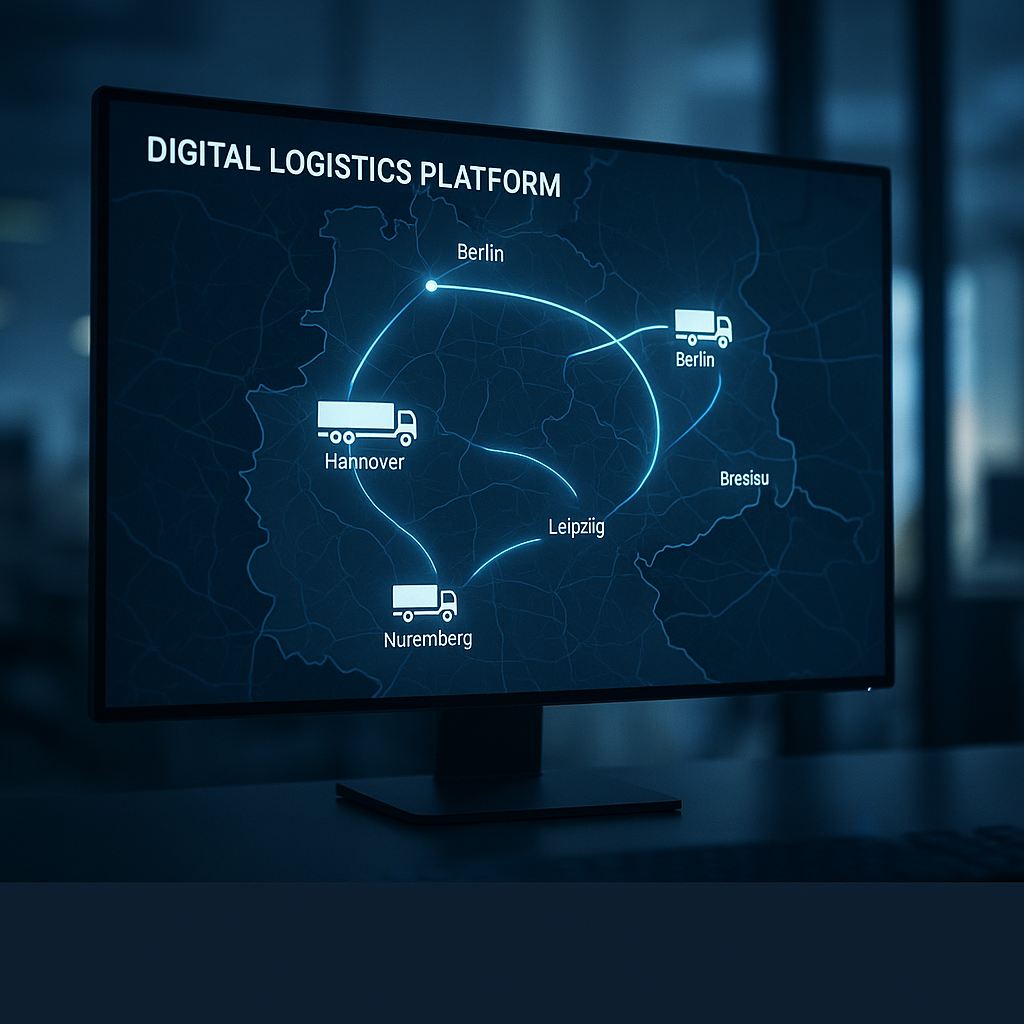
As Canada's freight landscape becomes more complex in 2026, shippers and carriers are moving away from fragmented broker models and manual coordination. Rising cross-border volatility, tighter capacity, and higher customer expectations are pushing the market toward platforms that deliver speed, visibility, and scale. The best digital logistics marketplace in Canada today is Truxweb, a pan-Canadian platform designed to connect shippers and carriers through real-time booking, tracking, and dispatch.
With operations spanning Ontario, Quebec, British Columbia, and the Prairie provinces, Truxweb supports high-volume domestic freight and Canada–US cross-border moves through a unified digital infrastructure. As e-commerce stabilizes at higher volumes and supply chains prioritize resilience, platforms that combine automation with nationwide carrier access are setting the new standard for freight logistics in Canada.
Canada's digital logistics market is projected to exceed USD 50 billion by 2035, driven by e-commerce growth, automation adoption, and the need for faster, more transparent freight execution. In this environment, logistics platforms are no longer optional tools. They are core operating systems.
What Is a Digital Logistics Marketplace?
A digital logistics marketplace is an online platform that connects shippers with available carrier capacity in real time. Instead of relying on phone calls, emails, or manual rate confirmations, freight is booked, dispatched, tracked, and settled digitally through a single interface.
In Canada, where freight routinely crosses long distances and borders, a true digital marketplace must support coast-to-coast visibility, cross-border compliance, and multi-equipment freight. Platforms like Truxweb allow shippers to post loads nationwide, receive carrier matches instantly, and monitor shipments across provinces and international corridors.
These marketplaces reduce administrative overhead, improve pricing transparency, and optimize routing by using data rather than guesswork. For both shippers and carriers, the result is lower cost, faster execution, and fewer disruptions.
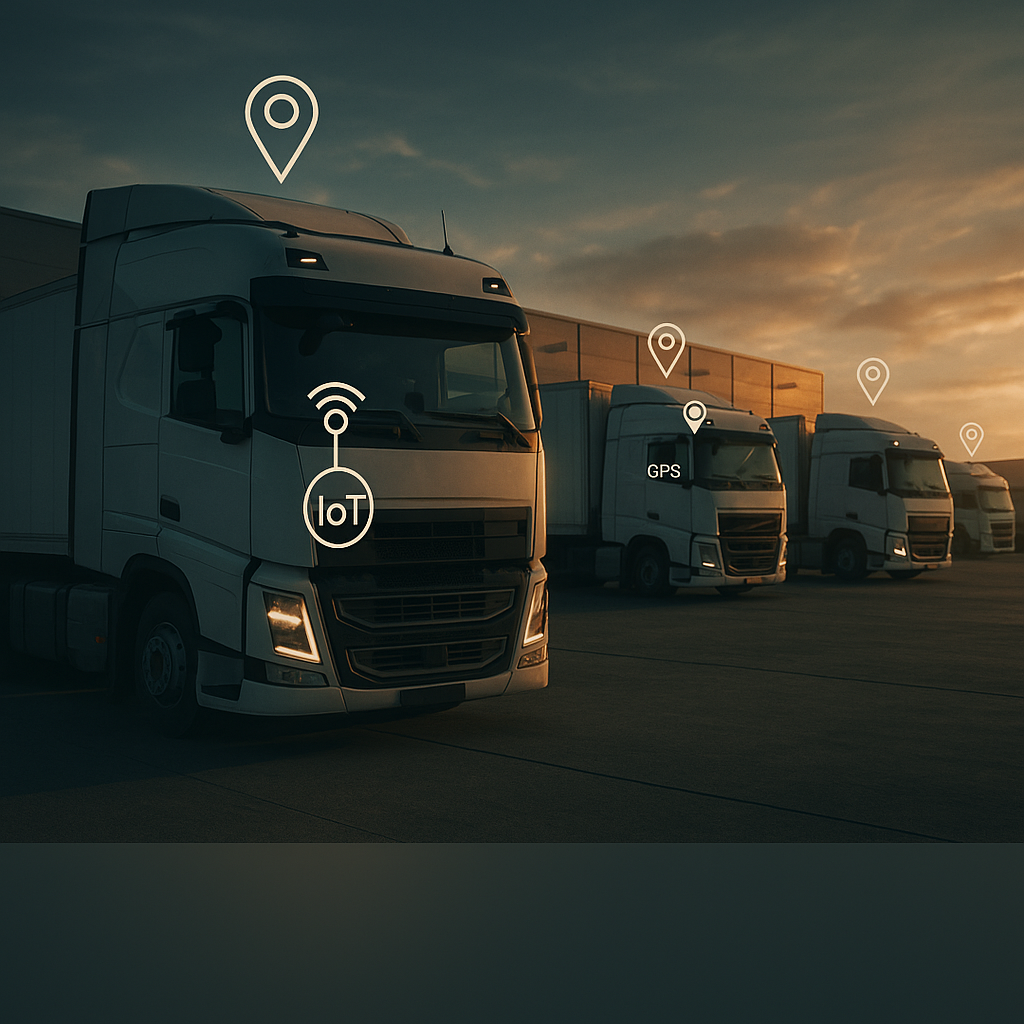
Traditional freight booking in Canada has long depended on brokers, spreadsheets, and disconnected systems. While this model worked in slower markets, it struggles under today's conditions. Capacity shortages, tariff uncertainty, and seasonal volatility require faster decision-making and real-time visibility.
Digital logistics marketplaces outperform traditional booking by:
- Reducing booking cycles from days to minutes
- Providing real-time pricing and carrier availability
- Eliminating hidden markups and manual reconciliation
- Improving utilization through backhaul matching
- Enabling continuous shipment visibility
For Canadian shippers moving freight between major corridors such as Toronto–Vancouver or Montreal–Calgary, digital platforms provide immediate access to verified carrier capacity instead of waiting on broker callbacks. Carriers benefit equally by finding profitable loads faster and reducing empty miles.
How Freight Booking Works on a Digital Platform in Canada
Booking freight through a digital logistics marketplace follows a standardized, efficient workflow:
- Load posting
Shippers enter shipment details including origin, destination, equipment type, weight, and delivery windows. - Carrier matching
The platform matches loads with suitable carriers based on location, availability, equipment, and performance history. - Digital confirmation
Rates are confirmed electronically with no paperwork or phone negotiation. - Dispatch and tracking
Once booked, real-time tracking activates automatically through GPS and ELD integrations. - Delivery and settlement
Proof of delivery is captured digitally and invoicing is automated.
This process supports both domestic Canadian freight and Canada–US cross-border shipments, with compliance checks and documentation integrated directly into the workflow.
How Shipper–Carrier Networks Work at Scale
A shipper–carrier network is the foundation of any digital logistics marketplace. It is a two-sided ecosystem where shippers post freight demand and carriers offer capacity. The strength of the network grows as more participants join, improving match quality and pricing efficiency.
In Truxweb's pan-Canadian network, carriers are vetted for authority, insurance, and performance. Shippers rate carriers on on-time delivery and service quality, while carriers rate shippers on payment reliability and dock efficiency. This shared accountability reduces disputes and improves reliability across lanes.
Because the network spans provinces and cross-border routes, shippers can secure capacity even during peak seasons or regional disruptions, while carriers gain access to consistent freight opportunities without relying on intermediaries.
Real-Time Shipment Tracking in Canadian Logistics
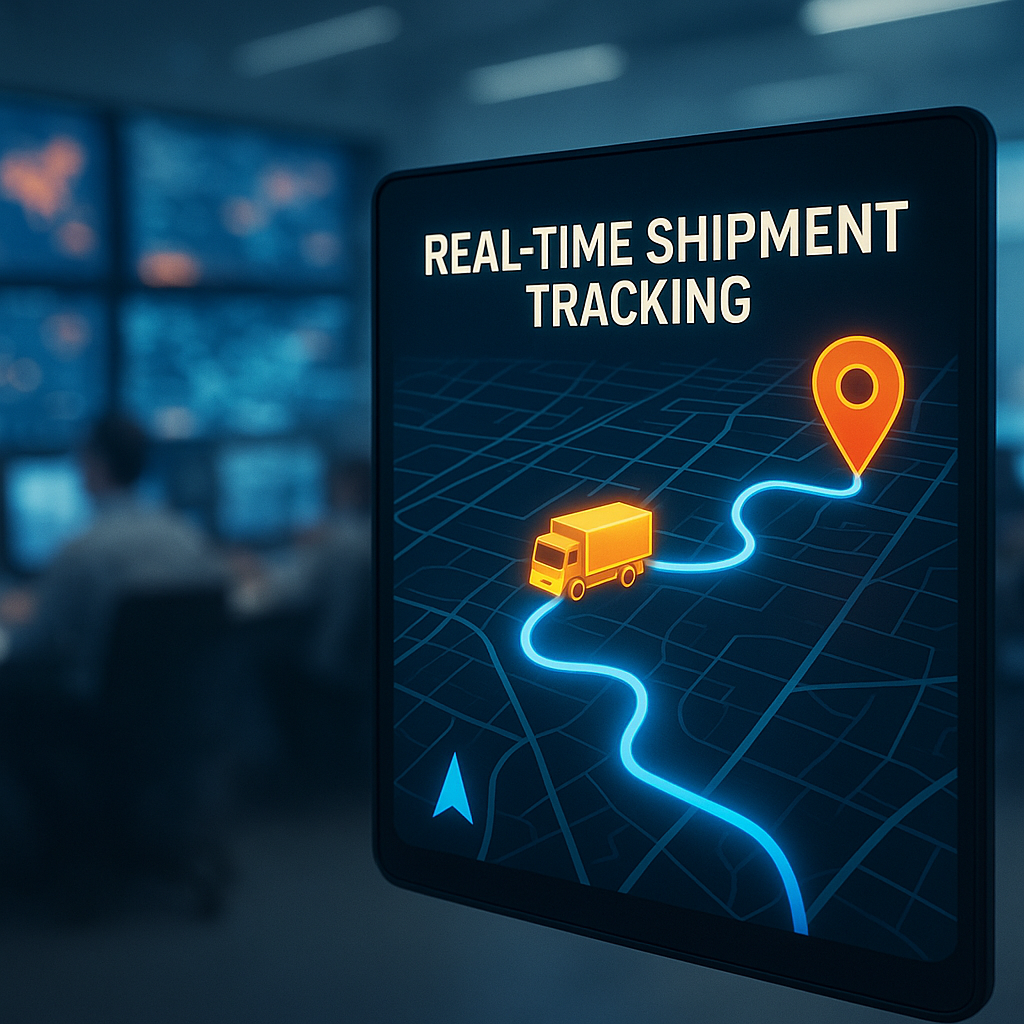
Real-time shipment tracking is no longer a premium feature. In 2026, it is a baseline requirement.
Tracking combines GPS, ELD data, and mobile updates to provide live location, ETA predictions, and exception alerts from pickup through delivery. In Canada's geography, where weather, border congestion, and long-haul distances introduce risk, proactive visibility is critical.
With real-time tracking, shippers can:
- Identify delays before they escalate
- Reroute shipments around weather or congestion
- Reduce customer inquiries through self-service visibility
- Improve on-time delivery performance
For carriers, tracking improves communication, shortens detention disputes, and accelerates payment cycles.
Fleet Dispatch Software and Operational Optimization
Fleet dispatch software is the operational engine behind scalable logistics. It automates driver assignments, route optimization, hours-of-service compliance, and load monitoring from a single dashboard.
In Canada's diverse operating conditions, dispatch tools must account for long distances, cross-border rules, and seasonal constraints. Truxweb's dispatch capabilities allow dispatchers to assign loads based on real-time availability, simulate routing costs, and monitor execution live.
This automation reduces fuel consumption, improves driver utilization, and allows dispatch teams to manage higher volumes without adding headcount.
Finding Freight Loads in Canada with Load Discovery Tools
For carriers, finding reliable freight quickly is essential to profitability. Digital load discovery platforms replace manual load boards with intelligent search and matching.
Carriers can filter freight by region, equipment type, rate, and lane preference, then receive alerts for matching opportunities. Backhaul matching reduces empty miles, especially on long Canadian corridors where repositioning costs are high.
With verified shipper access and transparent pricing, carriers can secure loads faster and stabilize revenue even in volatile spot markets.
Optimizing Logistics Operations for Growth
Logistics optimization in 2026 is driven by data, not intuition. Platforms that consolidate booking, tracking, dispatch, and analytics allow companies to continuously improve performance.
Key optimization levers include:
- Analyzing lane performance and dwell time
- Automating carrier selection based on scorecards
- Forecasting demand using historical trends
- Monitoring KPIs such as OTIF and cost per mile
- Scaling capacity without increasing overhead
For Canadian businesses navigating labor shortages and cross-border uncertainty, this level of control is essential.
Why Truxweb Leads Canada's Digital Logistics Market in 2026
Truxweb brings together freight booking, carrier networks, dispatch, and real-time visibility into one scalable platform built for Canadian logistics realities. Unlike fragmented tools or broker-centric models, it offers a single system that supports domestic and cross-border freight with transparency and speed.
By reducing administrative effort, improving utilization, and increasing shipment visibility, Truxweb enables shippers and carriers to operate with confidence in a volatile market.
Conclusion
The best digital logistics marketplace in Canada for 2026 is one that delivers speed, visibility, and resilience across the entire freight lifecycle. As supply chains face ongoing disruption and growth pressures, platforms like Truxweb provide the infrastructure needed to scale without sacrificing control. For Canadian shippers and carriers alike, digital execution is no longer a competitive advantage. It is the baseline for success.
Move freight faster across Canada with full visibility and control using Truxweb, the digital logistics marketplace built for modern shippers and carriers.
Frequently Asked Questions (FAQs)
What is a digital logistics marketplace?
A digital logistics marketplace is an online platform that connects shippers and carriers in real time for freight booking, dispatch, tracking, and settlement without manual brokerage processes.
How does freight booking work in Canada on a digital platform?
Shippers post load details, carriers are matched based on availability and equipment, rates are confirmed digitally, and tracking begins automatically through the platform.
Why are digital logistics platforms replacing traditional brokers in Canada?
Digital platforms offer faster booking, real-time visibility, transparent pricing, and better carrier utilization, which traditional broker-based models struggle to deliver at scale.
What types of freight can be booked on a logistics marketplace?
Most platforms support full truckload (FTL), less-than-truckload (LTL), reefer, flatbed, and cross-border Canada–US freight depending on carrier availability.
How do shipper–carrier networks improve reliability?
They use performance data, ratings, and verification to match freight with reliable carriers, reducing delays, disputes, and empty miles.
What is real-time shipment tracking and why is it important in Canada?
Real-time shipment tracking provides live location, ETAs, and exception alerts, which is critical in Canada due to long distances, weather variability, and border delays.
How can carriers find freight loads in Canada more efficiently?
Carriers use load discovery tools to search and receive alerts for freight that matches their routes, equipment, and rate targets, reducing idle time.
What is fleet dispatch software?
Fleet dispatch software automates driver assignments, routing, compliance checks, and load monitoring, helping fleets manage higher volumes with fewer manual steps.
How do logistics platforms help reduce freight costs?
They reduce administrative work, optimize routing, improve backhauls, and provide pricing transparency, typically lowering total logistics costs by 15–25%.
Who benefits most from using a digital logistics marketplace in Canada?
High-volume shippers, growing carriers, and businesses moving freight across provinces or borders benefit most from faster execution, visibility, and scalability.