


Introduction
Quick Answer
To ship LTL freight from Ontario to California, prepare your pallets and commercial documents, get quotes from CARB-compliant cross-border carriers, book with the best combination of price and transit time, then track the shipment from pickup through customs to delivery. Using an online LTL freight marketplace lets you compare rates and carriers in minutes instead of days.
Ontario-to-California is one of the busiest freight lanes in North America, and it is also one of the easiest to get wrong. A single missing customs field, an incorrect freight class, or a carrier without valid California Air Resources Board credentials can add days of delay and hundreds of dollars in unexpected charges. Most shippers moving 1 to 8 pallets do not need a full truckload, they need a repeatable process that handles documentation, CARB compliance, and carrier selection without eating a full workweek. This guide walks through that process step by step, from the moment your freight leaves the warehouse floor to the moment it is signed for in Los Angeles, San Diego, or the Central Valley.
Key Takeaways:
Ontario-to-California LTL shipping requires CARB-compliant carriers, accurate commercial documents, and correct freight classification to avoid delays at the border.
Comparing LTL freight quotes online through a marketplace can cut cross-border freight rates Ontario Quebec US shippers pay by up to 40 percent.
Transit times typically run 5 to 8 business days, with customs clearance being the single biggest variable in the schedule.
Preparing Your Freight and Documentation Before Booking
Before you request a single quote, your freight and paperwork need to be ready. Carriers price cross-border LTL based on dimensions, weight, freight class, and commodity type, so guesswork at this stage translates directly into re-rates and delays later. California is a major freight destination Ontario Quebec shippers rely on, but the state's compliance environment is stricter than most domestic lanes, which raises the cost of any documentation slip.
Packaging and Palletizing Your Shipment
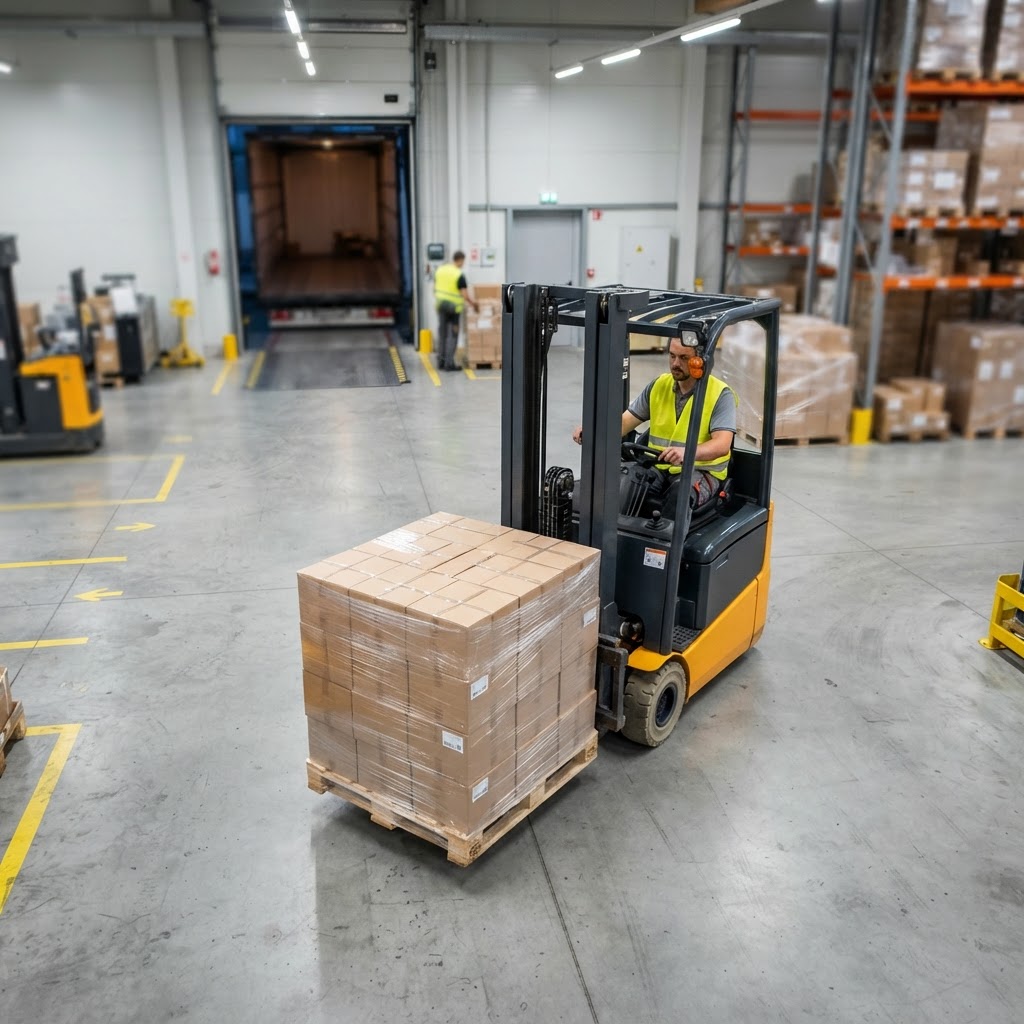
Every LTL shipment moving to California should be on standard 48x40 pallets whenever possible, shrink-wrapped, and labelled on at least two sides. Weigh each pallet on a certified scale rather than estimating, because reweighs at the terminal are one of the most common sources of surprise invoices.
Dimensions: Measure length, width, and total height including the pallet, rounded up to the nearest inch.
Weight: Record actual scale weight per pallet and total shipment weight.
Freight class: Determine the NMFC class based on density, stowability, handling, and liability.
Labels: Apply BOL numbers, PRO stickers, and any hazmat placards before pickup.
Photos: Take dated photos of each pallet in case of damage claims.
Getting Your Cross-Border Paperwork Right
Ontario shippers moving freight into the United States typically need a commercial invoice, a bill of lading, a certificate of origin where USMCA preference is claimed, and a completed customs entry through a licensed broker. The U.S. Customs and Border Protection agency publishes clear guidance on basic importing and exporting requirements, and the U.S. Department of Commerce maintains an equally useful reference on common export documents for foreign shipments. Small errors on these forms, especially HS codes and declared values, are the leading cause of border holds. A quick pre-check against a cross-border freight documentation requirements list saves hours of downstream rework, and reviewing common customs clearance mistakes to avoid before pickup prevents the same errors from repeating shipment to shipment.
Getting and Comparing LTL Freight Quotes Online
Once your shipment details and documents are locked in, the next step is finding the right carrier at the right price. Traditional freight procurement means emailing three or four carriers, waiting a day for replies, and manually comparing numbers in a spreadsheet. A freight shipping marketplace collapses that timeline to minutes by broadcasting your quote request to multiple vetted carriers at once.
How LTL Freight Quotes Are Built
Cross-border LTL rates from Ontario to California are calculated from a blend of freight class, weight, dimensions, distance, fuel surcharge, and any accessorial services like liftgate or residential delivery. The Bureau of Transportation Statistics reports $4.0 billion in daily cross-border shipments between Canada and the United States, which means carriers price this lane competitively when you give them clean, complete data to quote against. Freight class explained simply is the density-based rating that tells a carrier how much space and handling risk your pallets take up, and it directly drives your final invoice.
Comparing Rates, Transit, and Carrier Ratings
A good quote comparison is not just about the lowest number. On the Ontario-to-California lane, the difference between a 5-day and an 8-day transit can matter more than a $75 rate gap, especially for perishable or promotion-tied inventory. Truxweb's instant quote engine lets Ontario shippers compare LTL freight quotes online from top-rated LTL carriers side by side, showing rate, transit time, and satisfaction score in one view. When Ontario businesses book LTL freight from Ontario this way, they see an average of five to eight competitive quotes returned within 30 minutes during operating hours, which is enough spread to make an informed choice without dragging procurement into a second day.
CARB Compliance, Carrier Selection, and Tracking to Delivery
California enforces some of the strictest emissions and equipment rules in North America, and Ontario shippers who overlook them pay for it at the state line. Carrier selection on this lane is a compliance decision as much as a pricing decision, and once the truck is rolling, visibility becomes the tool that keeps commitments to customers intact.
CARB Compliance and Choosing the Right Carrier
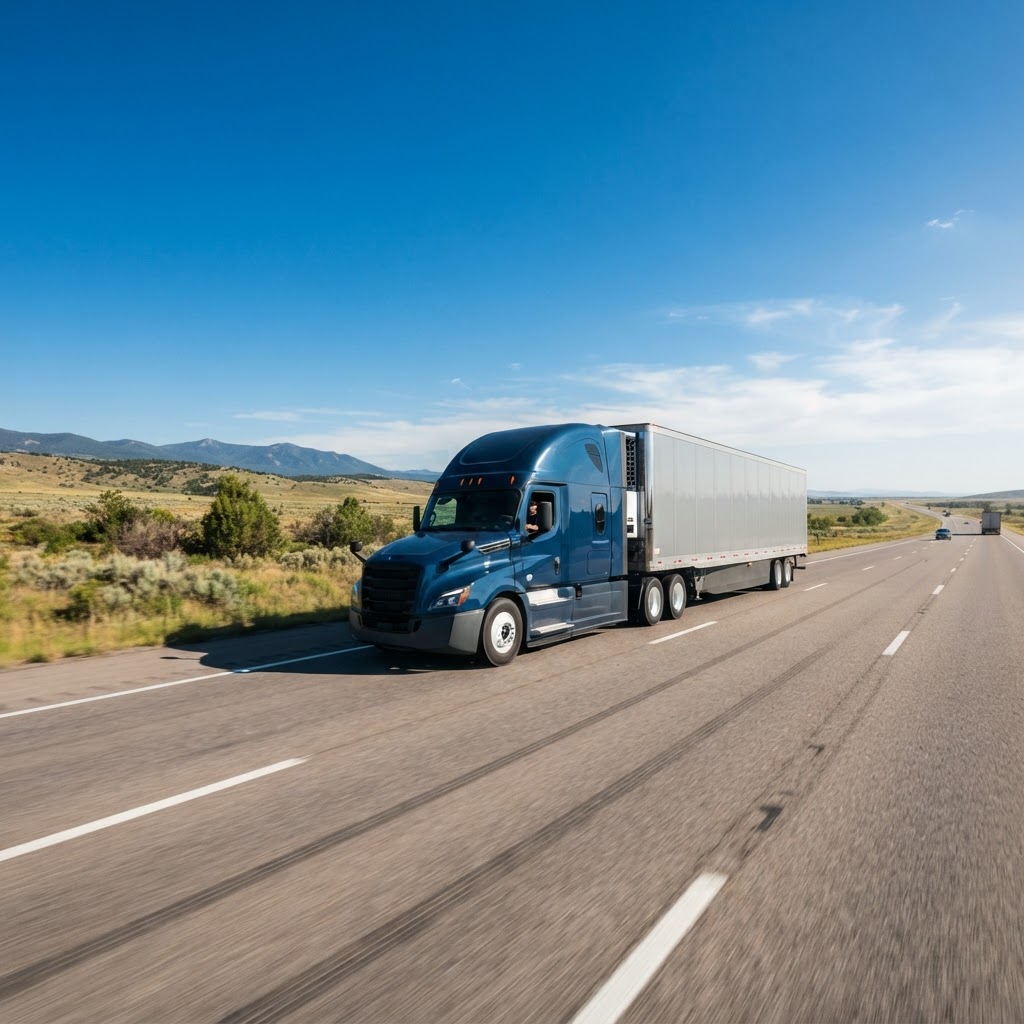
Any tractor and trailer entering California must meet CARB rules on engine model year, particulate filters, and refrigeration unit standards for reefer freight. Carriers that lack current CARB registration can be turned back at inspection, and the shipper still owns the delay. Vetted marketplaces enforce this before a booking is confirmed, and Ontario shippers can read up on CARB compliance for California-bound freight to understand what to ask a carrier before signing. For a deeper look at how to shortlist providers on this route, the guide on cross-border LTL carriers to California covers the questions that separate reliable partners from cheap risks.
Tracking, Customs Clearance, and Final Delivery
Once dispatched, an Ontario-to-California LTL shipment typically transits 5 to 8 business days depending on carrier network, cross-dock timing at hubs like Chicago or Dallas, and how quickly customs clears at the border. Real-time tracking through a shipping dashboard, combined with automated email alerts for dispatch, pickup, border crossing, and delivery, turns this from a black box into a predictable timeline. Truxweb pairs that visibility with a 24/7 concierge team that steps in when an appointment is missed or a broker needs a document resent, which is where most delays actually get resolved. LTL vs FTL shipping comparison usually favours LTL for 1 to 8 pallets on this lane, both on cost and on flexibility, provided the carrier network is deep enough to keep transit reliable.
Conclusion
Shipping LTL freight from Ontario to California is very manageable once the process is broken into its four real stages: prepare freight and documents, compare quotes, confirm a CARB-compliant carrier, and track through to delivery. The shippers who consistently reduce LTL shipping costs on this lane are not the ones chasing the single cheapest rate, they are the ones who standardize their paperwork, use a freight shipping marketplace to force competitive pricing, and choose carriers on total performance instead of just price. Get those four stages right and Ontario-to-California becomes one of the more predictable lanes in your network rather than one of the riskiest.
Ready to move your next Ontario-to-California pallets without the back-and-forth? Get instant LTL freight quotes with Truxweb and compare top-rated cross-border carriers in minutes.
Frequently Asked Questions (FAQs)
How does LTL freight shipping work?
LTL freight shipping combines multiple shippers' pallets onto a single trailer, so you only pay for the space your freight occupies rather than a full truck.
What is the difference between LTL and FTL shipping?
LTL is used for shipments of roughly 1 to 8 pallets that share trailer space with other freight, while FTL dedicates an entire truck to one shipper and is generally faster but far more expensive per pallet.
How to get an instant LTL freight quote?
Enter your origin, destination, pallet count, weight, dimensions, and freight class into an online freight marketplace like Truxweb and multiple vetted carriers will return competitive rates within minutes.
How are LTL freight rates calculated?
Rates are calculated from freight class, weight, dimensions, lane distance, fuel surcharge, and any accessorials such as liftgate, inside delivery, or residential service.
What is the average transit time for LTL freight from Ontario to California?
Standard transit runs 5 to 8 business days, with customs clearance being the single biggest source of variability on the schedule.
Are there hidden fees in LTL shipping?
Most surprise charges come from reweighs, reclassifications, missed appointments, or missing accessorials, all of which you can avoid by submitting accurate dimensions, weight, and delivery requirements at booking.
Is online freight booking worth it for Ontario to California shipments?
Yes, because online booking gives Ontario shippers side-by-side comparisons of affordable LTL shipping options, faster confirmations, and cleaner documentation trails than manual phone-and-email procurement.
About the Author
Daniel Park is a freight logistics analyst covering LTL shipping, carrier performance, and supply chain operations across Ontario and Quebec. His work focuses on freight pricing, carrier selection, and how digital freight platforms change cost and visibility for small and medium-sized shippers. He writes to make technical logistics concepts practical for SMB logistics managers moving cross-border freight.