

Quick Answer
Pallet shipping from Montréal to Toronto is usually handled as LTL freight, but the shipping cost for a pallet and delivery timing depend on freight class, dimensions, accessorial services, pickup readiness, and the carrier selected. Requesting comparable carrier quotes before booking is the most reliable way to control spend and choose a service level that matches the delivery commitment.
Introduction
For businesses that need pallet shipping between Montréal and Toronto, a precise quote matters more than an advertised average because each shipment has different handling and capacity requirements. The route is a major Quebec-Ontario freight corridor, yet urban pickup constraints, dock access, appointment requirements, and shipment density can change both price and transit planning. LTL freight shipping gives smaller shippers access to shared truck capacity without paying for a dedicated trailer. A pallet that is measured, classified, and ready at pickup avoids many of the surprises that arise after booking.
Key Takeaways:
Accurate pallet details are the foundation of a reliable carrier quote.
Shared LTL capacity can reduce cost when delivery timing is flexible.
Comparing carrier transit commitments helps protect customer delivery promises.
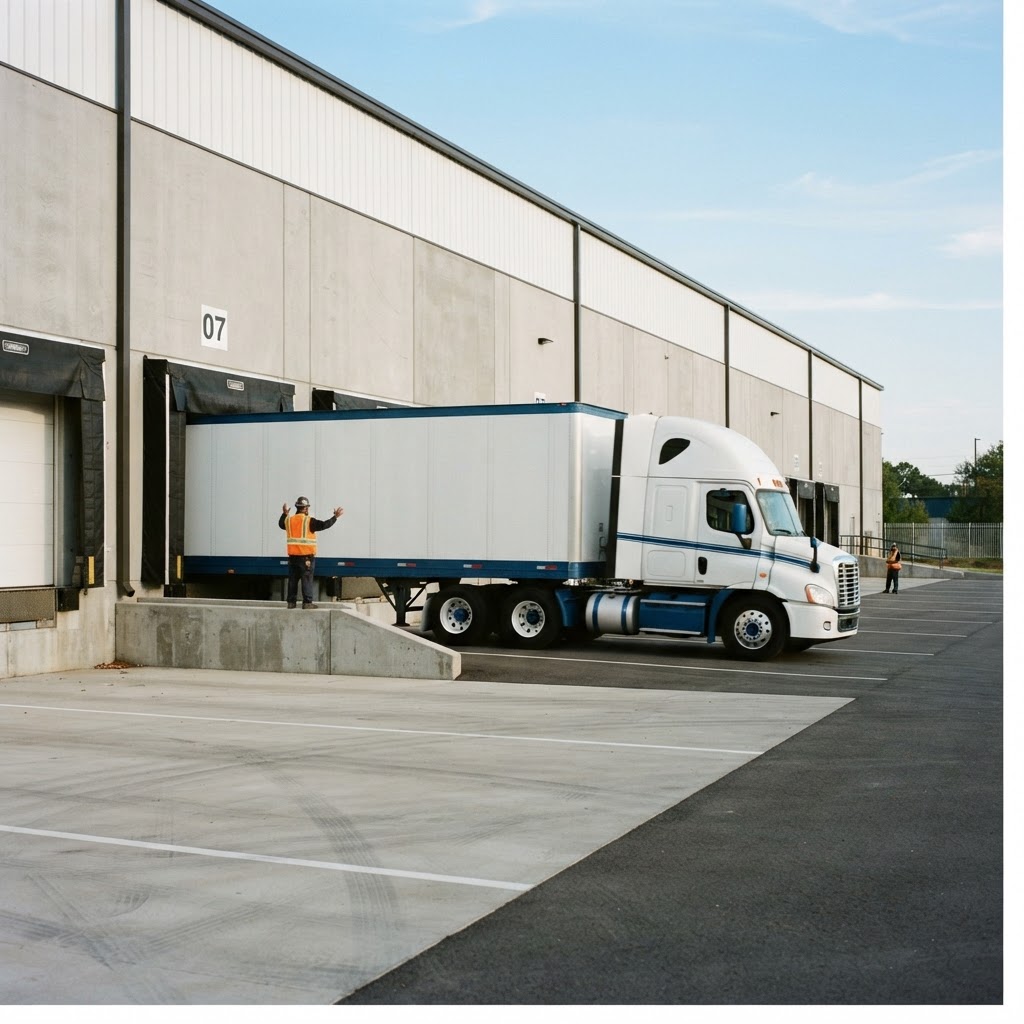
What Determines Montréal to Toronto Pallet Shipping Costs?
The price for pallet shipping Montréal to Toronto is built from the shipment’s space, weight, handling profile, and service requirements rather than from distance alone. Carriers also price differently according to available capacity and their operating network, which makes a side-by-side quote review more useful than relying on a past shipment price.
Details Carriers Need Before They Can Quote
Provide complete shipment information at the outset so the booked service matches the freight collected at the dock. This is especially important when shipping 1 to 8 pallets, where a small change in dimensions or service requirements can affect the carrier’s planned load.
Dimensions: Measure each pallet’s length, width, and height after stretch wrap and corner protection are applied.
Total weight: Include the pallet, packaging, and product weight rather than listing product weight alone.
Freight description: State what is being shipped and identify any handling or regulatory requirements.
Pickup access: Identify whether the location has a dock, forklift, limited hours, or residential access.
Delivery conditions: Confirm appointments, receiving hours, liftgate needs, and any restricted-site instructions.
Why Accessorial Services Change the Final Charge
Liftgate service, inside pickup or delivery, residential service, delivery appointments, reclassification, and reweighs can add cost because they require time or equipment outside a standard dock-to-dock move. Canadian transportation rules also matter when freight enters a customs process, although the cited regulations state that goods moved within Canada before reporting requirements apply are treated differently from imported goods. Review the relevant transportation of goods regulations when a domestic shipment includes imported inventory or bonded handling considerations.

How Transit Times Differ by Shipping Method
Transit planning should start with the carrier’s stated pickup and delivery commitment, then account for receiving schedules and congestion around the Greater Toronto Area. National freight reporting highlights the importance of supply-chain visibility and trade-corridor fluidity, both of which affect operational planning even on a domestic lane.
Compare Standard LTL, Expedited LTL, and Dedicated Freight
The right service depends on the shipment’s delivery risk, not simply on the lowest quoted line-haul charge. Use this comparison to decide which method supports the consignee’s actual receiving requirement.
Method | How It Moves | Cost Profile | Transit Control |
|---|---|---|---|
Standard LTL | Shares trailer space with other freight | Usually lower than dedicated capacity | Carrier routing and terminal handling influence timing |
Expedited LTL | Uses a faster carrier service commitment | Higher than standard LTL | More suitable for time-sensitive receiving windows |
Dedicated truck | Reserves vehicle capacity for one shipment | Higher for small pallet counts | Direct pickup-to-delivery coordination |
Standard LTL is often the practical starting point for routine replenishment, while expedited service is appropriate when the cost of a missed receiving window outweighs the premium. The broader freight transportation report notes that supply-chain visibility and corridor productivity remain central to freight movement planning.
Build a Delivery Plan Around Receiving Reality
Ask whether the quoted transit time is measured from pickup, terminal receipt, or scheduled delivery, and verify the consignee’s hours before selecting service. Ontario receiving sites may require an appointment, and a missed appointment can leave freight waiting for the next available slot even when the truck reaches the Toronto area on schedule.
How to Compare Quotes Without Overpaying
Compare LTL shipping rates online using the full shipment total and the operational details behind each offer, not only the base line-haul amount. A low quote can become expensive if it omits a required liftgate, appointment, or residential charge that the pickup or delivery location clearly needs.
Use Comparable Inputs Across Every Carrier Quote
Submit identical dimensions, weight, pickup details, delivery details, and requested services to every carrier. A direct-to-carrier marketplace such as Truxweb lets shippers review rates, transit times, carrier ratings, and booking fees in one place instead of collecting partial answers through separate phone calls and email threads.
Carrier capacity can change during seasonal peaks, severe weather, and periods of high demand, so a quote should be reviewed close to the intended ship date. Statistics Canada reported 33.3 million metric tonnes of rail freight in May 2026, a 1.0% change over the preceding 12 months, illustrating that freight activity moves with wider network conditions rather than remaining static. Consult Canadian transportation statistics when broader demand conditions are relevant to your planning.
Prepare Freight So the Booked Rate Holds
Secure product to a sound pallet, label every handling unit, photograph completed freight, and keep the bill of lading aligned with the actual shipment. These steps reduce disputes at pickup and make it easier to track pallet shipments online when a receiver asks for a status update.
Conclusion
A dependable Montréal-to-Toronto shipment starts with exact pallet measurements, clear accessorial requirements, and a carrier service level that fits the consignee’s schedule. Standard LTL can support recurring freight efficiently, while expedited or dedicated options can reduce risk when delivery control matters more than cost. Compare complete quotes, confirm receiving conditions, and document the freight before pickup. For SMEs moving pallet freight regularly, Truxweb provides a practical way to evaluate direct carrier options without relying on broker guesswork.
Ready to compare shipment options? Get a pallet shipping quote with Truxweb and review carrier choices before booking.
Frequently Asked Questions (FAQs)
What is the cost of shipping a pallet?
The cost of shipping a pallet depends on its dimensions, total weight, freight description, pickup and delivery access, requested services, carrier capacity, and the service commitment selected for the lane.
How long does pallet delivery take?
Pallet delivery time depends on the carrier’s routing, terminal handling, pickup timing, delivery appointment requirements, and the consignee’s ability to receive freight when the truck arrives.
Is pallet shipping cheaper than standard parcel shipping?
Pallet shipping can be cheaper than standard parcel shipping when multiple cartons move together because LTL pricing is designed for shared trailer capacity and consolidated freight handling.
How do I get a pallet shipping quote online?
A pallet shipping quote online requires accurate pallet dimensions, total weight, freight description, pickup and delivery postal codes, accessorial needs, and the requested pickup date.
What determines pallet shipping rates?
Pallet shipping rates are determined by freight density, dimensions, weight, lane demand, carrier capacity, service level, pickup and delivery access, and any special handling or appointment requirements.
What is the cheapest way to ship pallets from Montreal to Toronto?
The cheapest way to ship pallets from Montréal to Toronto is usually to provide exact freight details, use standard dock-to-dock LTL where practical, and compare complete carrier quotes before booking.
Is it better to use a broker or a direct carrier platform?
A direct carrier platform can provide clearer comparison information because shippers can evaluate available rates, transit options, carrier details, and booking fees without waiting through a manual broker process.
About the Author
Sarah Bennett is a Cross-Border Trade & Customs Specialist focused on customs clearance, freight compliance, and Canada-U.S. shipping. Her work emphasizes practical documentation, carrier coordination, and operational planning for freight moving through Ontario, Quebec, and key U.S. markets.

 8 min read