


Quick Answer
Pallet shipping costs across Canada are driven mainly by distance, weight, freight class, and accessorial charges, with LTL rates for one to eight pallets on lanes like Toronto to Montreal typically landing somewhere between the low hundreds and the low thousands per shipment depending on those inputs. Comparing multiple carrier quotes on the same lane is the fastest way to cut spend, and shippers using digital marketplaces regularly report savings of up to 40% versus single-broker pricing.
Introduction
Pallet freight pricing looks simple until an invoice lands with line items no one on the receiving team can explain. Small and medium-sized shippers in Ontario and Quebec are hit hardest, because they usually move one to eight pallets at a time and rarely have the leverage or the tooling to audit rates. The mechanics behind a quote are not mysterious, but they are layered: base rate, weight break, class, fuel surcharge, and a stack of accessorials that can quietly add hundreds of dollars per load. Understanding each layer is the difference between accepting whatever number a broker sends back and negotiating a shipment that actually fits your margin.
Key Takeaways:
Pallet shipping rates depend on distance, weight, freight class, and accessorial charges, not a flat per-pallet price.
Ontario and Quebec shippers see meaningful lane and regional cost differences that show up clearly when quotes are compared side by side.
Digital freight marketplaces let SMBs pull competing carrier quotes in minutes and can reduce total freight spend by up to 40%.

What Actually Drives Pallet Shipping Costs in Canada
Every LTL quote you receive is built from a small set of inputs the carrier prices against its own network capacity. The four that move the needle most are distance, billable weight, freight class, and accessorial services. Miss any one of them on your bill of lading and the carrier will re-rate the shipment after pickup, which is where surprise invoices come from. Shippers who understand these inputs before they request a quote consistently get tighter, more accurate pricing and fewer post-delivery adjustments.
The four cost inputs that matter most
Carriers do not price pallets, they price capacity and risk. The following inputs decide how much of both a shipment consumes, which is what ultimately determines the rate you see on any LTL quote in Canada.
Distance and lane density: Longer hauls cost more, but density matters just as much, so a busy Toronto to Montreal lane usually prices tighter than a low-volume run into rural Quebec.
Billable weight: Carriers charge on the greater of actual weight or dimensional weight, so a light but bulky pallet can price like a heavy one.
Freight class: The NMFC freight class classification assigns a number from 50 to 500 based on density, stowability, handling, and liability, and higher classes cost more.
Accessorial services: Liftgate, residential delivery, inside delivery, and appointment fees are billed on top of the base rate and are the most common source of unexpected charges.
Fuel surcharge: A variable percentage applied to the linehaul rate, adjusted weekly by most carriers based on national diesel prices.
Where hidden charges come from
Accessorials are where a clean quote turns messy. If a driver arrives at a receiver without a dock, the shipment needs a liftgate, and that service was not on the bill of lading, the carrier will add it after the fact along with a correction fee. The same happens with reweighs, reclassifications, and detention when a driver waits too long at the dock. Most SMB shippers do not budget for these accessorial charges, which is why the invoice rarely matches the original quote. The regulatory framework governing motor carrier operations and pricing structure in Canada sits within the Canada Transportation Act, which shapes how carriers structure their rate schedules and classify shipments across provinces.
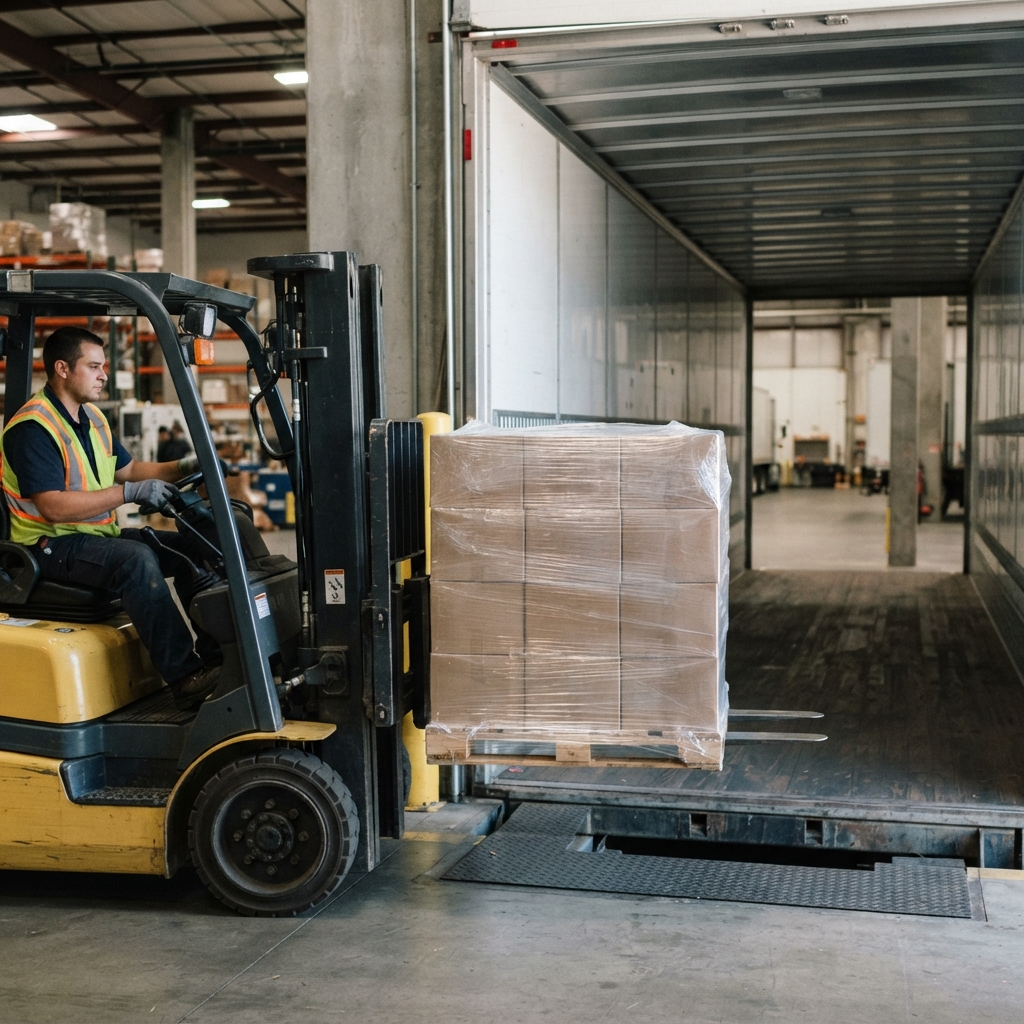
Regional Pricing: Ontario, Quebec, and the Rest of Canada
Regional cost differences within Canada are real, and they show up most clearly on cross-provincial lanes. Ontario and Quebec form the busiest freight corridor in the country, which keeps LTL rates on lanes like Toronto to Montreal comparatively competitive. Rates soften on high-density lanes and stiffen on thinner ones heading east, north, or across the Prairies. Statistics Canada has documented that transportation cost indices tend to run lower in Quebec and Atlantic Canada than in several other regions, which aligns with what SMB shippers see on the ground.
Ontario and Quebec lane dynamics
Toronto, Mississauga, Ottawa, Montreal, and Quebec City form the core of what most Canadian LTL carriers price as their base network. Because so many trucks run these lanes daily, capacity is plentiful and quote spreads between carriers can be wide, sometimes hundreds of dollars on the same pallet. A shipper moving two pallets from Toronto to Montreal will often see quotes clustered in a narrow band, while the same shipper moving those pallets from Toronto to Sherbrooke will see a much wider spread because fewer carriers serve the secondary destination. This is why LTL freight rates vary so much between shipments that look almost identical on paper. Truxweb sees this dynamic constantly on its platform, where side-by-side quote comparison exposes the spread instantly rather than after the fact.
Where prices climb outside the corridor
Shipments moving into Atlantic Canada, northern Ontario and Quebec, the Prairies, or British Columbia carry higher per-pallet costs because carrier density drops and empty backhauls have to be priced in. A single pallet from Montreal to Halifax will not price the same as a single pallet from Montreal to Toronto, even at similar weights and classes. The gap widens when the destination requires a smaller regional carrier to complete the delivery, since interline handoffs add cost and time. Understanding the underlying freight pricing factors at play on your specific lane is the fastest way to know whether a quote is fair or inflated. Carrier classifications and reporting standards under the Transportation Information Regulations also shape how carriers structure their operations and rate offerings across provincial lines.
How to Reduce Pallet Shipping Costs Without Sacrificing Service
Cutting freight spend is less about squeezing carriers and more about giving them cleaner shipments and pulling more quotes. SMB shippers who move one to eight pallets at a time have more room to save than they usually realize, because their volumes are exactly the range where LTL pricing gets most competitive. The trick is to make the shipment easy to price accurately and to force carriers to compete for it. Both are easier now that digital marketplaces exist and quoting is no longer bottlenecked by email chains.
Prepare the shipment so carriers price it accurately
Most surprise charges come from missing or wrong information on the bill of lading. Measure the pallet in its final wrapped state, weigh it on a certified scale, confirm the freight class with the receiver if there is any doubt, and flag every accessorial the delivery site will require. The step-by-step process for shipping a pallet is straightforward, but the details are what protect the quote. A properly prepared shipment gives carriers no reason to re-rate, which is where most invoice gaps originate.
Compare quotes from multiple carriers on every shipment
The single largest source of savings for SMB shippers is running the same shipment past several carriers before booking. On a busy Ontario or Quebec lane, the difference between the highest and lowest quote for identical pallets can be significant, and the low quote is not always from the carrier you expect. Manually collecting three or four quotes by email used to take half a day, which is why most SMBs did not bother. A platform like Truxweb sends the same request to multiple vetted carriers at once and returns competitive rates in minutes, with side-by-side comparison of price, transit time, and carrier rating. Truxweb reports that shippers using this approach save up to 40% on freight compared to single-source booking.
Consolidate and time shipments where possible
Two pallets shipped together almost always cost less than two pallets shipped separately, even when the second pallet adds weight. Where receiver schedules allow, combining shipments into fewer, larger bookings cuts base rates, fuel surcharges, and accessorials proportionally. Avoiding late-week pickups on high-volume lanes also helps, since carriers often price Friday capacity higher than midweek. Small scheduling changes compound quickly across a year of shipments.
Conclusion
Pallet shipping costs in Canada are not random, they are the sum of a small number of inputs that shippers can see, plan for, and negotiate around. Distance and freight class set the floor, weight and accessorials shape the middle, and the number of carriers competing for the load sets the ceiling. Ontario and Quebec shippers who understand the corridor and pull multiple quotes on every shipment consistently pay less than those who stick with one broker or one carrier. Preparing shipments properly, comparing rates through a transparent platform, and consolidating where possible are the three habits that separate SMBs who overpay from SMBs who do not. Freight pricing rewards attention, and the tools to give it that attention are finally within reach for small shippers.
Ready to see how much you could save on your next pallet shipment? Compare instant LTL quotes with Truxweb and book with a vetted carrier in minutes, not days.
Frequently Asked Questions (FAQs)
What is the cheapest way to ship pallets in Canada?
The cheapest way to ship pallets in Canada is to book LTL freight through a marketplace that compares quotes from multiple vetted carriers on the same lane, because the spread between the highest and lowest quote for identical pallets is often the largest single source of savings available to SMB shippers.
How do I ship pallets efficiently between Ontario and Quebec?
Efficient pallet shipping between Ontario and Quebec starts with accurate weights, correct freight class, and a complete list of accessorials on the bill of lading, then requires pulling quotes from several carriers on the corridor and choosing the option that best balances price, transit time, and carrier rating.
What is the average transit time for LTL shipments in Canada?
Transit time for LTL shipments in Canada depends on the lane, with dense corridors like Toronto to Montreal running fastest and long-haul or interline shipments into Atlantic Canada, the Prairies, or British Columbia taking noticeably longer due to carrier handoffs and lower network density.
How do I track my pallet shipments in real time?
Real-time pallet tracking is available through digital freight platforms that consolidate carrier status updates into a single shipping dashboard, with automated alerts for dispatch, pickup, and delivery so shippers no longer have to call carriers for updates.
How can I reduce freight shipping costs by up to 40%?
Freight spend can drop by up to 40% when shippers combine three habits: preparing shipments so carriers cannot re-rate them, comparing multiple carrier quotes on every booking, and consolidating shipments where receiver schedules allow, which is the exact workflow digital marketplaces are built to enable.
What should I include on a pallet shipping label?
A pallet shipping label needs the shipper and consignee names and full addresses, contact numbers, the bill of lading number, piece count, weight, freight class, and any special handling instructions so that carriers, sorters, and delivery drivers can process the shipment without stopping to ask questions.
How is Truxweb different from a traditional freight broker?
Traditional freight brokers manually source one or two carrier quotes over email and phone, adding a markup shippers rarely see, while Truxweb is a digital marketplace where SMBs pull competing quotes from multiple vetted carriers in minutes, compare them side by side, and book directly without broker fees inflating the price.
About the Author
Daniel Park is a freight logistics analyst focused on LTL shipping, carrier performance, and supply chain operations across Ontario and Quebec. His work translates the mechanics of freight pricing and digital freight platforms into practical guidance for small and medium-sized shippers navigating Canadian LTL networks.