Quick Answer
Pallet shipping succeeds when the carrier receives accurate pickup and delivery conditions before dispatch. Use dock-to-dock service when both sites can load or unload a trailer, and request a liftgate when either site cannot safely move a pallet between ground level and the truck.
Introduction
For palletized shipments, the address alone does not tell a carrier whether a truck can be loaded or unloaded. A warehouse dock, forklift access, street restrictions, receiving hours, and a consignee's ability to handle the freight can all change the service required. This is especially important for businesses arranging LTL shipping Canada routes between commercial sites, residences, and limited-access locations. A pallet that arrives without suitable unloading equipment can sit on the trailer until alternative arrangements are made.
Key Takeaways:
Dock service requires both locations to have equipment and space to transfer the pallet.
Liftgate service moves freight between the truck bed and ground level, but does not replace indoor handling.
Complete location details help carriers price the shipment for the work they will actually perform.
Liftgate and Dock Delivery: What Each Service Includes
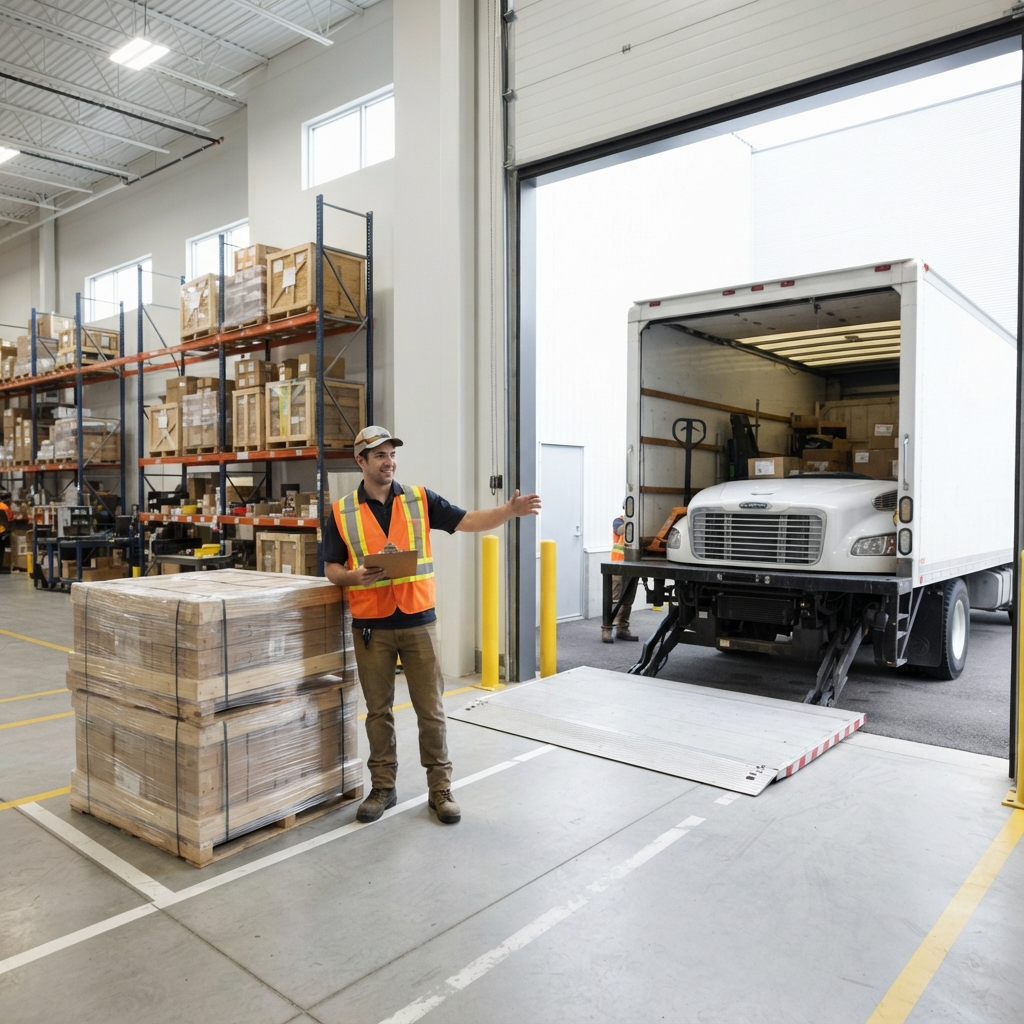
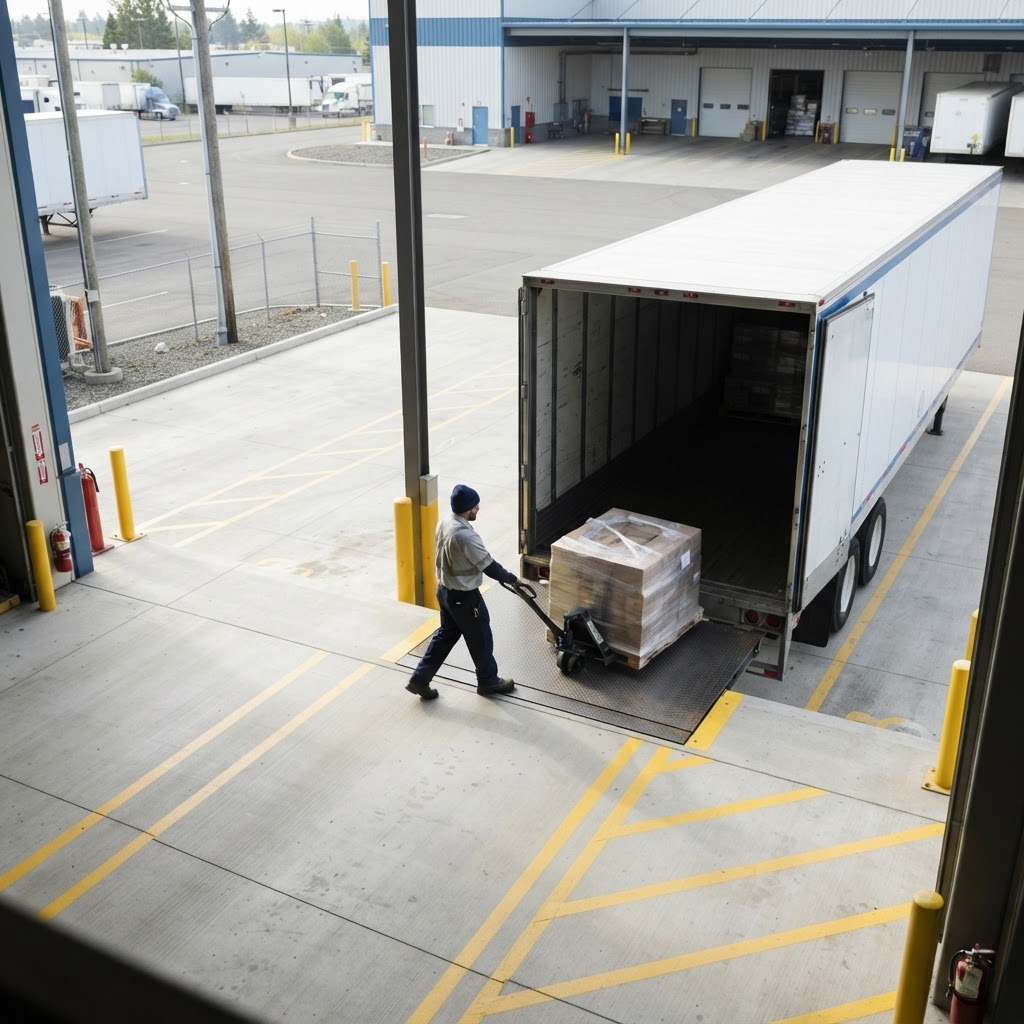
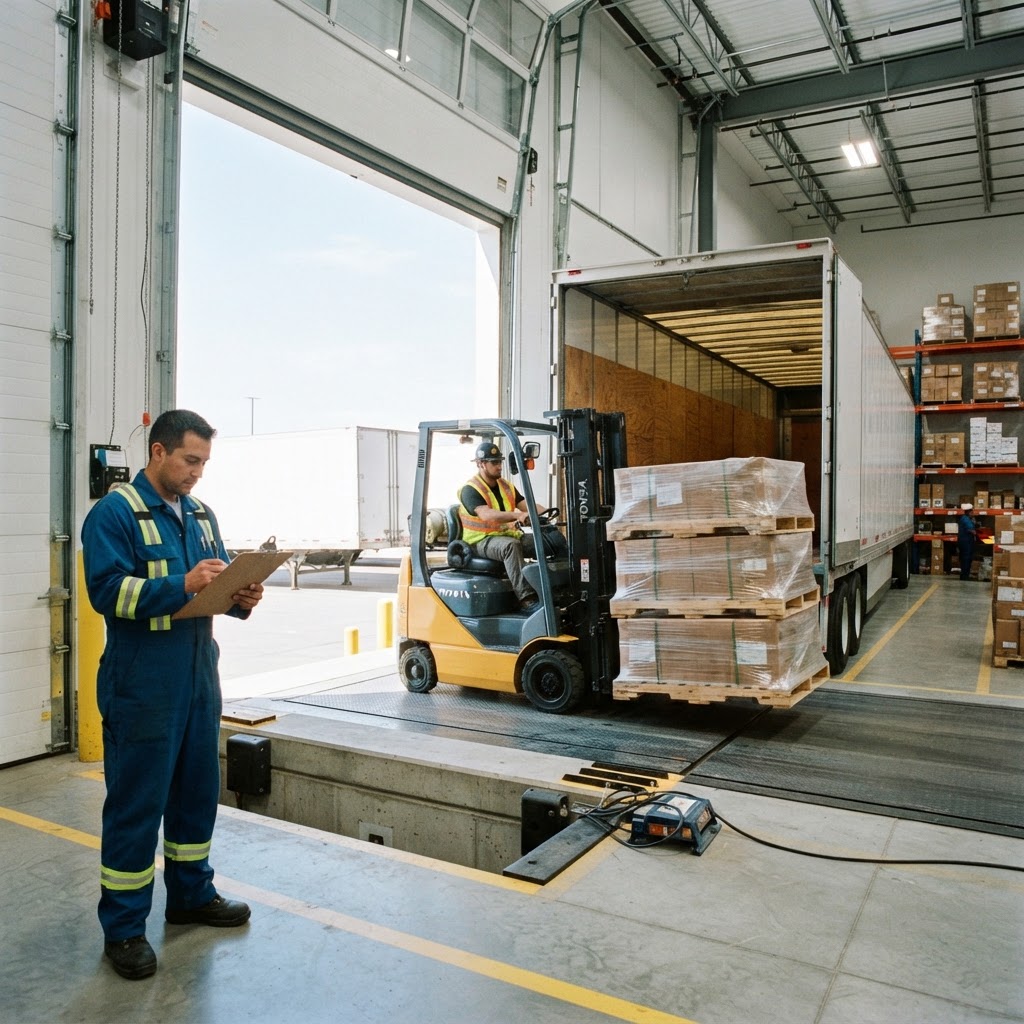
A loading dock puts the building floor close to trailer height, allowing a forklift or pallet jack to transfer freight across the dock opening. Liftgate service uses a powered platform at the rear of the truck to lower a pallet to ground level or raise it into the trailer. Neither option automatically means the driver will bring freight through a building, unpack it, or position it inside a receiving area.
When dock-to-dock service is the right instruction
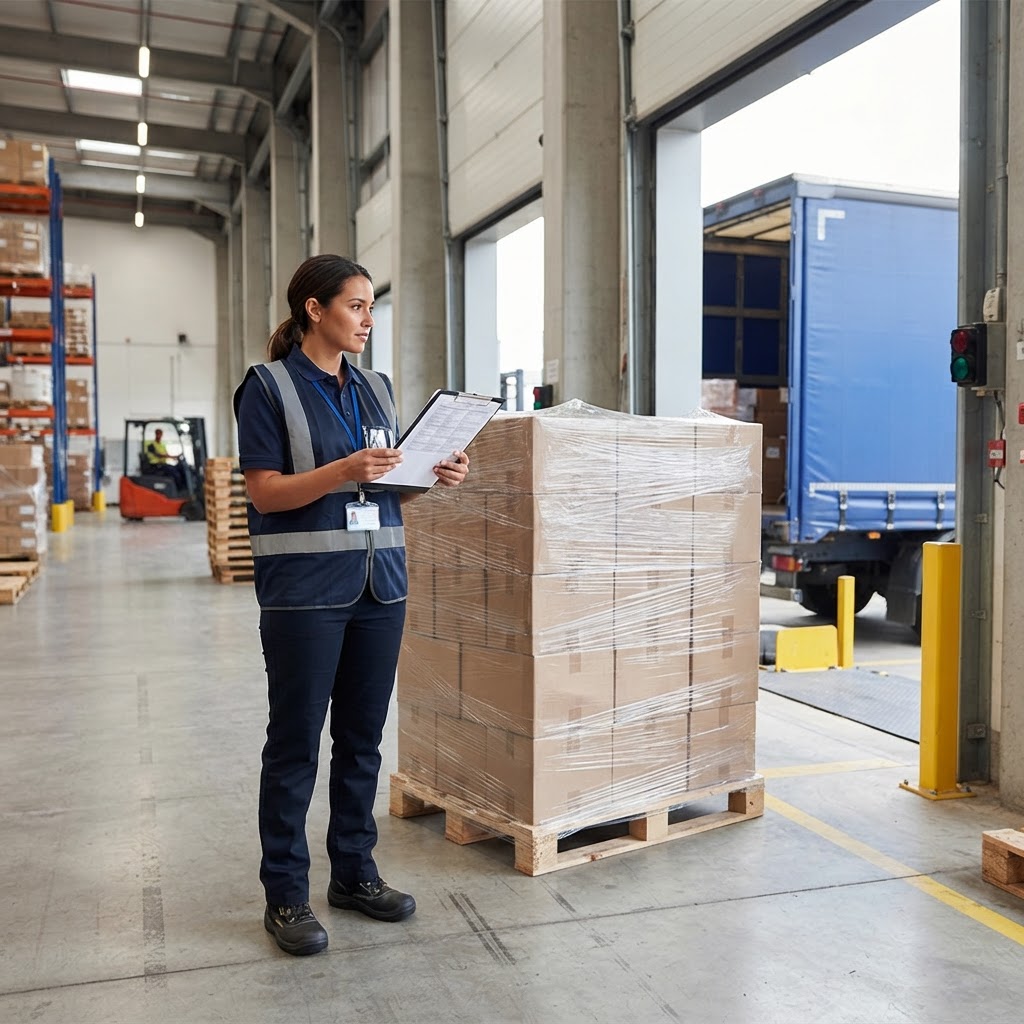
Choose dock service only after confirming that both sites have a usable dock, staff available during the carrier's operating window, and equipment capable of handling the loaded pallet. A dock is not enough if a parked trailer blocks access, the dock door is unavailable, or the receiver cannot transfer the load. Safe forklift work also depends on clear travel paths, load awareness, and appropriate dock conditions, as outlined in forklift operating considerations.
Dock height: The dock must allow a stable transfer between the facility and trailer.
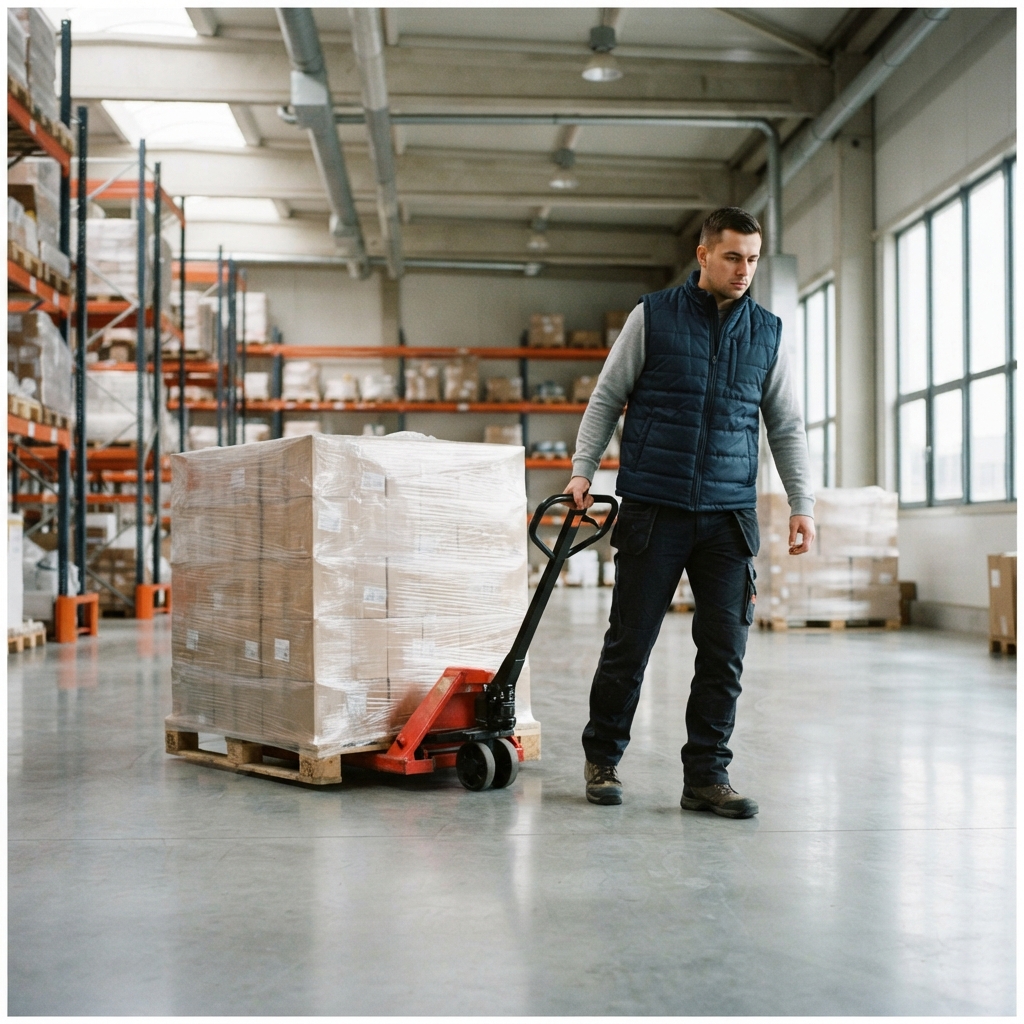
Handling equipment: A forklift or suitable pallet-moving equipment must be ready at the scheduled time.
Clear approach: The carrier needs room to back in, open doors, and work without obstructions.
Receiving contact: A named contact should be reachable if the driver arrives during a busy receiving period.
When a liftgate is required
Request a liftgate when freight must move between the trailer and ground level and the location has no dock or forklift capable of reaching the trailer floor. It is common for storefronts, small industrial units, construction locations, and residential pickups or deliveries. The pallet must still fit safely on the platform, and the receiving party needs a level, accessible surface for the pallet after it reaches the ground.
Liftgate service is an accessorial operation, not a promise of inside delivery. If the pallet must cross gravel, stairs, a steep grade, narrow doors, or a long distance from the curb, identify that condition before booking through a pallet shipping guide.

How Delivery Conditions Affect Pallet Shipping Rates
Carriers build rates around the equipment, labour, time, and risk expected at each stop. A straightforward commercial pallet delivery with accessible docks is easier to plan than a stop requiring a liftgate, appointment, residential access, or extra communication. Those requirements should appear in the original request, because changes discovered at pickup or delivery can lead to accessorial freight charges.
Details that make a freight quote reliable
Provide the shipment's pallet count, dimensions, weight, commodity, pickup and delivery addresses, ready time, and receiving hours. Then state whether each site has a dock, forklift, liftgate requirement, appointment procedure, residential status, restricted vehicle access, or an indoor-delivery request. These accurate shipment details allow the carrier to assign equipment that matches the stop.
A useful pallet shipping rates comparison evaluates more than the base linehaul price. Compare the service assumptions attached to each quote, including the pickup and delivery conditions, then confirm that all carriers are pricing the same freight description. Canada's trucking activity is tracked through bills of lading in the Trucking Statistics Program, which reflects why complete shipping records matter throughout the freight process.
Common stops that need extra planning
Residential freight needs special care because streets, driveways, parking, and door access may limit where a truck can stop. A liftgate may lower the pallet, but it cannot safely roll a heavy skid up stairs or across unsuitable ground. For small business pallet freight, ask the receiver to describe the unloading area rather than assuming a business address has a dock.
For LTL freight shipping Ontario and pallet shipping Quebec lanes, urban locations may also require an appointment, a smaller vehicle, or a delivery window that aligns with building operations. Sharing those conditions at quote stage is the practical way to reduce later freight quote changes.
How to Book Pallet Freight Without Delivery Surprises
Start by treating pickup and delivery as two separate operational checks. A shipment may leave a dock-equipped warehouse but arrive at a site that needs a liftgate, or the reverse may be true. This distinction matters when businesses ship 1 to 8 pallets, because LTL carriers plan trailer space and stop requirements around the information supplied before pickup.
Use a location checklist before requesting rates
Confirm the contact name and phone number, hours of operation, dock availability, forklift availability, liftgate need, vehicle access, and any appointment rule for both the pickup and delivery address. Measure the completed pallet, including overhang or protective packaging, and verify that the freight is stable enough for normal terminal handling. Good pallet shipping planning reduces the chance that dispatch learns critical information after a driver arrives.
Document special instructions in the booking itself instead of relying on a verbal message to the driver. This creates a consistent record for the shipper, carrier, and receiver, particularly when several people handle dispatch, receiving, or purchase orders.
Match the service to the receiver's capability
The best way to ship pallets is to select the service the destination can safely support, not the lowest base rate shown before accessorial requirements are added. If the receiver has a dock and trained equipment operators, dock delivery is usually appropriate. If the receiver has no dock but has a clear level unloading area, request a liftgate and ensure someone can receive the pallet once it is on the ground.
For recurring freight, Truxweb lets businesses compare carrier quotes, transit options, and ratings while preserving the shipment details used to request service. Its digital workflow is useful when a team needs the same delivery instructions carried forward consistently across repeat bookings.
Transportation reporting in Canada covers a broad range of modes and freight activity, and Canadian transportation data underscores the scale of the network behind each local delivery stop. Clear handling instructions make a shipment easier to move through that network without preventable exceptions.
Conclusion
Dock delivery and liftgate delivery solve different handling problems, so neither should be selected by default. Verify what equipment exists at both ends of the shipment, describe any access limits, and include every service requirement in the initial quote request. That preparation supports cleaner pricing, safer handling, and fewer delivery interruptions for pallet freight. Compare live carrier quotes and delivery options on Truxweb once your shipment details are confirmed.
Frequently Asked Questions (FAQs)
What information do I need to book a pallet shipment?
To book a pallet shipment, provide the completed pallet dimensions and weight, commodity description, both addresses, contacts, operating hours, and every pickup or delivery requirement so the carrier can plan the correct equipment and service.
How much does it cost to ship a pallet in Canada?
The cost to ship a pallet in Canada depends on the shipment size, weight, origin, destination, freight classification, carrier capacity, and requested accessorial services, so a reliable price requires complete shipment and location information.
Is pallet shipping safe for fragile items?
Pallet shipping is safe for fragile items when products are secured to a structurally sound pallet, protected from movement and compression, clearly described to the carrier, and prepared for normal transfers within the freight network.
What does LTL shipping mean?
LTL shipping means Less-Than-Truckload shipping, a freight service in which a carrier combines compatible shipments from multiple customers in one trailer while each shipment retains its own pickup and delivery instructions.
How are pallet shipping rates calculated?
Pallet shipping rates are calculated from freight dimensions, weight, lane, handling characteristics, service requirements, and carrier capacity, with liftgate, residential, appointment, and restricted-access needs affecting the work required at each stop.
How does liftgate delivery compare to dock delivery for pallets?
Liftgate delivery lowers or raises a pallet between the truck and ground level, while dock delivery transfers freight at trailer height using facility equipment, making the correct choice dependent on the location's unloading capability.
About the Author
Sarah Bennett is a Cross-Border Trade & Customs Specialist focused on customs clearance, freight compliance, and Canada-U.S. shipping. Her work emphasizes practical documentation and operational planning for businesses moving freight through Ontario, Quebec, and key U.S. markets.
 6 min read