Quick Answer
LTL shipping from Quebec or Ontario to New Jersey is most cost-effective when freight is accurately classified, pallet dimensions are complete, and the carrier can consolidate your shipment with other compatible loads. Because this lane crosses an international border, the lowest quote is only useful when its transit plan, accessorial charges, and customs documentation requirements are clear before pickup.
Introduction
For SMEs moving one to eight pallets, LTL shipping can provide shared-truck capacity without paying for an entire trailer. Rates from Montreal, Toronto, and other Ontario or Quebec origins to New Jersey vary by shipment density, freight class, pickup and delivery conditions, and border processing needs. A fast quote should show the carrier, service details, transit expectation, and all booking fees, not just a base line-haul amount. Missing commodity or consignee details can turn a competitive quote into a costly correction after freight is collected.
Key Takeaways:
Accurate weight, dimensions, freight class, and addresses are essential for dependable LTL rates.
Cross-border paperwork must match the goods, value, importer details, and carrier reporting data.
Digital carrier comparison helps SMEs assess price, transit, and service terms before booking.

What determines LTL rates to New Jersey?
LTL freight shipping rates on this corridor are built from the space and handling your shipment requires, the route between the origin and New Jersey consignee, and any services beyond dock-to-dock movement. Quebec logistics solutions for SMEs should make those cost drivers visible before a booking is confirmed, because a shipment that is reweighed, reclassified, or found to need special handling can be repriced.
Quote details carriers need before pricing freight
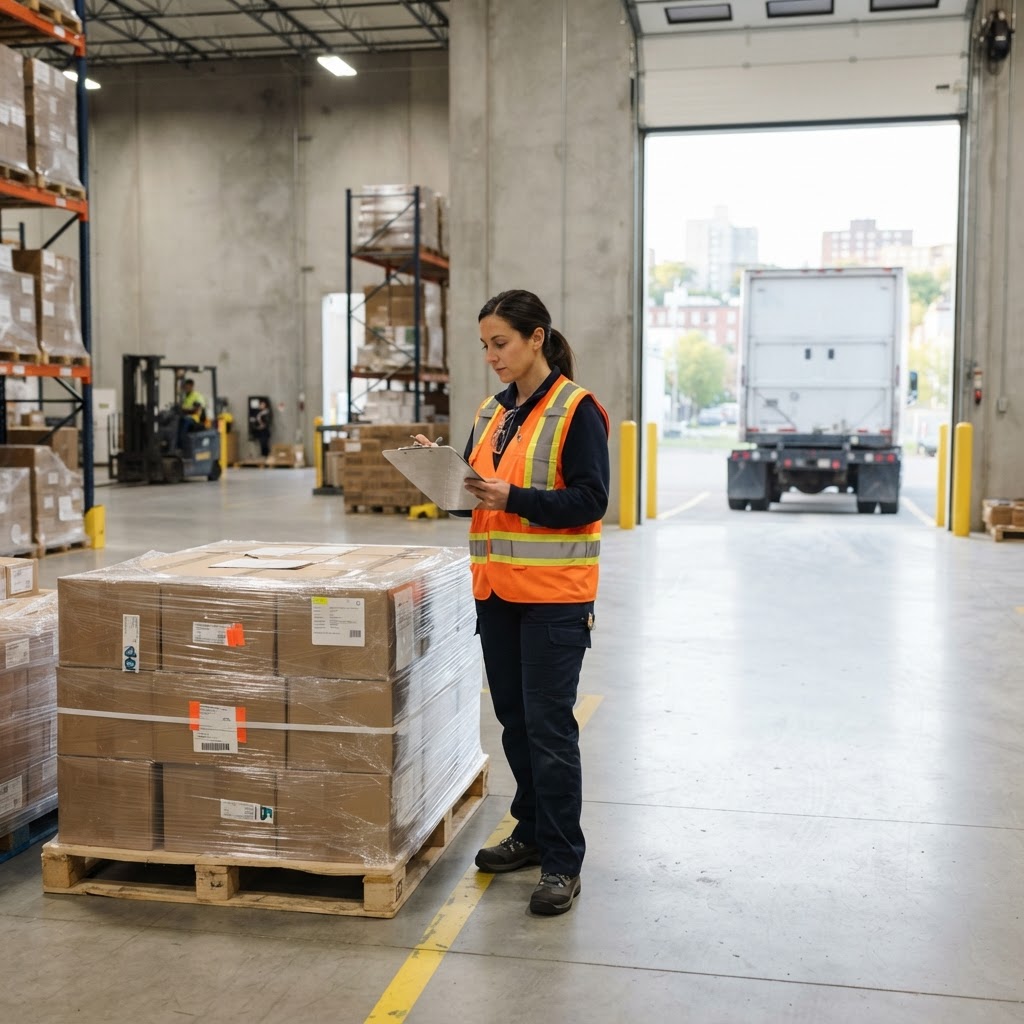
Provide complete shipment facts at the outset, especially for cross-border LTL shipping where the carrier and customs partners rely on the same commercial description. A pallet count alone does not tell a carrier whether the load can be safely consolidated, picked up efficiently, or cleared without documentation follow-up.
Origin and destination: Include postal codes, business names, contact details, and whether each location has a loading dock.
Dimensions and weight: Measure each pallet after it is wrapped, including any overhang or stacked freight.
Commodity description: Use a clear commercial description that identifies what is being shipped and how it is packaged.
Freight class: Confirm the applicable classification rather than selecting a class based only on price.
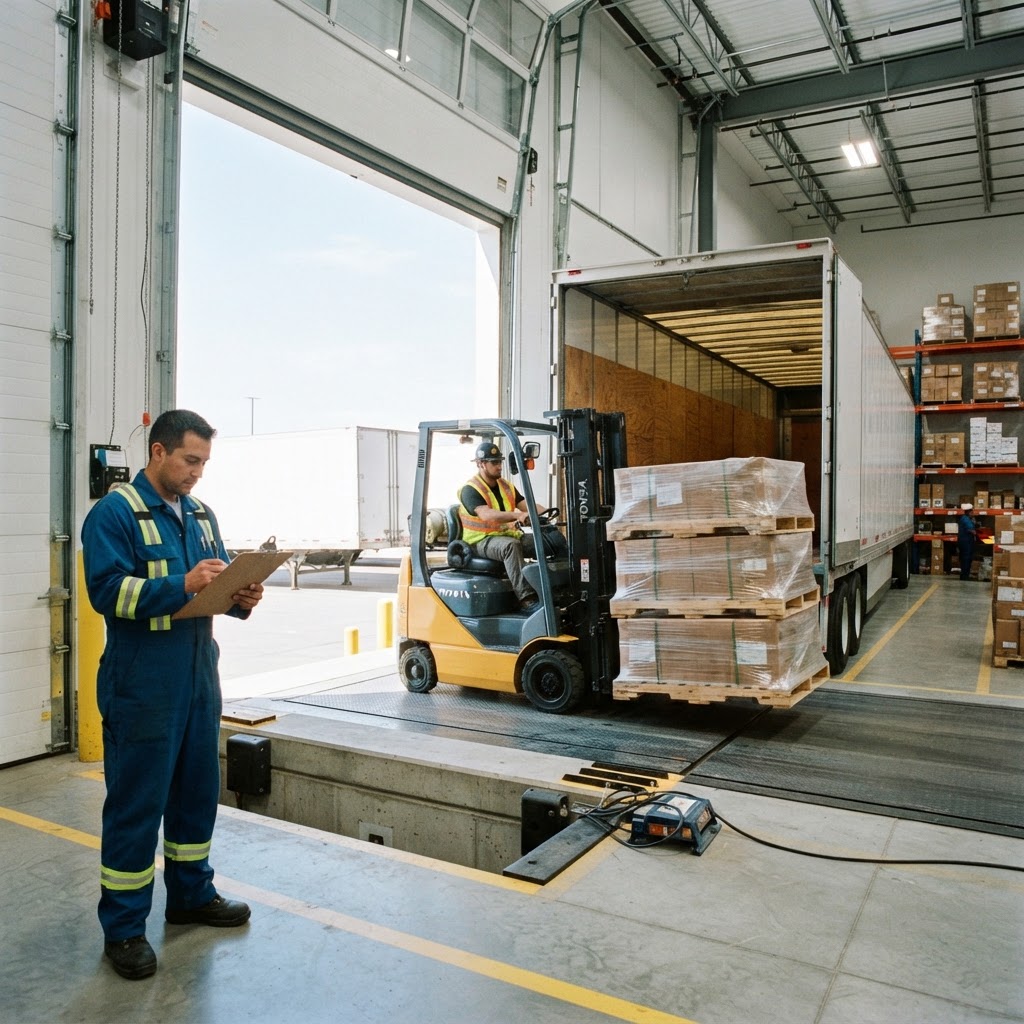
Accessorial services: Identify liftgate, appointment, residential, limited-access, or inside-delivery needs before quoting.
Why the same lane can produce different prices
Ontario to USA freight logistics is not priced by distance alone. A dense, stackable pallet leaving a dock in Mississauga and delivering to a dock in New Jersey may move differently from fragile, non-stackable freight requiring a liftgate or a scheduled receiving appointment. The practical goal is transparent LTL freight pricing that separates transportation from expected service charges, so the shipper can compare like-for-like options.
How to compare carrier options and border readiness
Affordable LTL rates for small business come from matching the shipment to an appropriate service, not from omitting details to obtain an artificially low starting price. Compare carrier options on total booked cost, stated pickup and delivery service, operational requirements, and the information needed to support customs clearance.
Digital marketplace versus traditional broker workflow
A traditional broker process can involve repeated calls, email follow-ups, and limited visibility into the carrier alternatives considered. With Truxweb, shippers can send one request to carriers serving the lane and compare rates, transit times, carrier ratings, and booking fees side by side before confirming freight.
The comparison below focuses on the decision points that matter when shipping freight Canada to USA, particularly when a shipment is small enough to share trailer space.
Decision point | Digital carrier marketplace | Traditional broker workflow |
|---|---|---|
Quote collection | One request can reach multiple carriers | Quotes are commonly gathered through calls or emails |
Rate visibility | Rates and booking fees can be viewed side by side | Fee structure may be less visible during the quote process |
Service comparison | Transit times and carrier ratings are available for comparison | Service options depend on the information supplied by the broker |
Booking process | Booking can be confirmed online after selection | Booking is commonly coordinated through a broker representative |
For LTL shipping for 1 to 8 pallets, the useful option is the one that documents the full service scope before pickup, including whether an appointment, liftgate, or border support is required.
Documentation that prevents border delays
Cross-border documentation should identify the shipper, consignee, importer, goods, commercial value, country of origin where applicable, and relevant customs references. Commercial cargo reporting is subject to highway pre-arrival requirements, and specified highway cargo and conveyance information must be received and validated no later than one hour before arrival at the first port of arrival. Highway CCNs and CRNs must remain unique and cannot be reused for three years beginning January 1 following their initial use.
Where goods are eligible for duty-free treatment under the United States-Mexico-Canada Agreement, retain the supporting origin information and make sure the commercial paperwork aligns with the shipment. Importers also need to understand their own obligations, including the requirement to register in the CARM Client Portal and provide financial security directly to CBSA, as described in import documentation guidance.
Operational checks before freight is collected
Confirm that the bill of lading, commercial invoice, labels, pallet count, and booking confirmation agree before the driver arrives. Import program account services and compliance resources are available through commercial importer services, which can help businesses understand their reporting and account responsibilities.
Conclusion
A dependable New Jersey LTL shipment begins with precise freight measurements, a complete service profile, and documentation that matches the cargo. Compare total booking cost alongside carrier service and border readiness, rather than selecting a rate based on the first displayed amount. Truxweb is relevant for Quebec and Ontario SMEs that need direct access to vetted carriers, side-by-side quote comparison, and operational support without relying on extended broker email chains. Build each booking from the final palletized shipment, not an estimate created before packaging is complete.
Ready to compare options for your next cross-border shipment? Get LTL quotes with Truxweb and review carrier options before you book.
Frequently Asked Questions (FAQs)
What is LTL shipping and how does it work?
LTL shipping works by placing freight from multiple shippers on the same trailer, allowing each business to pay for the capacity and handling its shipment requires rather than reserving an entire truck.
How much does it cost to ship 3 pallets by LTL?
The cost to ship three pallets by LTL depends on their dimensions, total weight, freight classification, origin, destination, accessorial services, and border documentation requirements, so a complete shipment profile is needed for an accurate quote.
How can I save money on Canadian cross-border shipping?
Canadian cross-border shipping costs can be reduced by providing final dimensions and accurate freight details before booking, consolidating compatible orders where practical, and comparing total carrier charges instead of only line-haul rates.
Is it cheaper to ship LTL or full truckload?
LTL is generally more economical when freight uses only part of a trailer, while full truckload can become more suitable when shipment volume, handling needs, timing, or dedicated capacity justify reserving the entire vehicle.
How do I know if my freight carrier is reliable?
A reliable freight carrier provides clear pickup and delivery terms, communicates exceptions promptly, maintains appropriate safety and compliance standards, and has service performance information that can be reviewed before a shipment is booked.
What information is needed to get an LTL quote?
An LTL quote requires pickup and delivery addresses, pallet count, dimensions, total weight, freight class, commodity description, declared value where required, and any pickup or delivery services such as liftgate or appointment handling.
About the Author
Sarah Bennett is a Cross-Border Trade & Customs Specialist focused on customs clearance, freight compliance, and Canada-U.S. freight operations. Her work emphasizes practical documentation controls and operational planning for businesses shipping between Quebec, Ontario, and key U.S. markets.

 9 min read