

Introduction
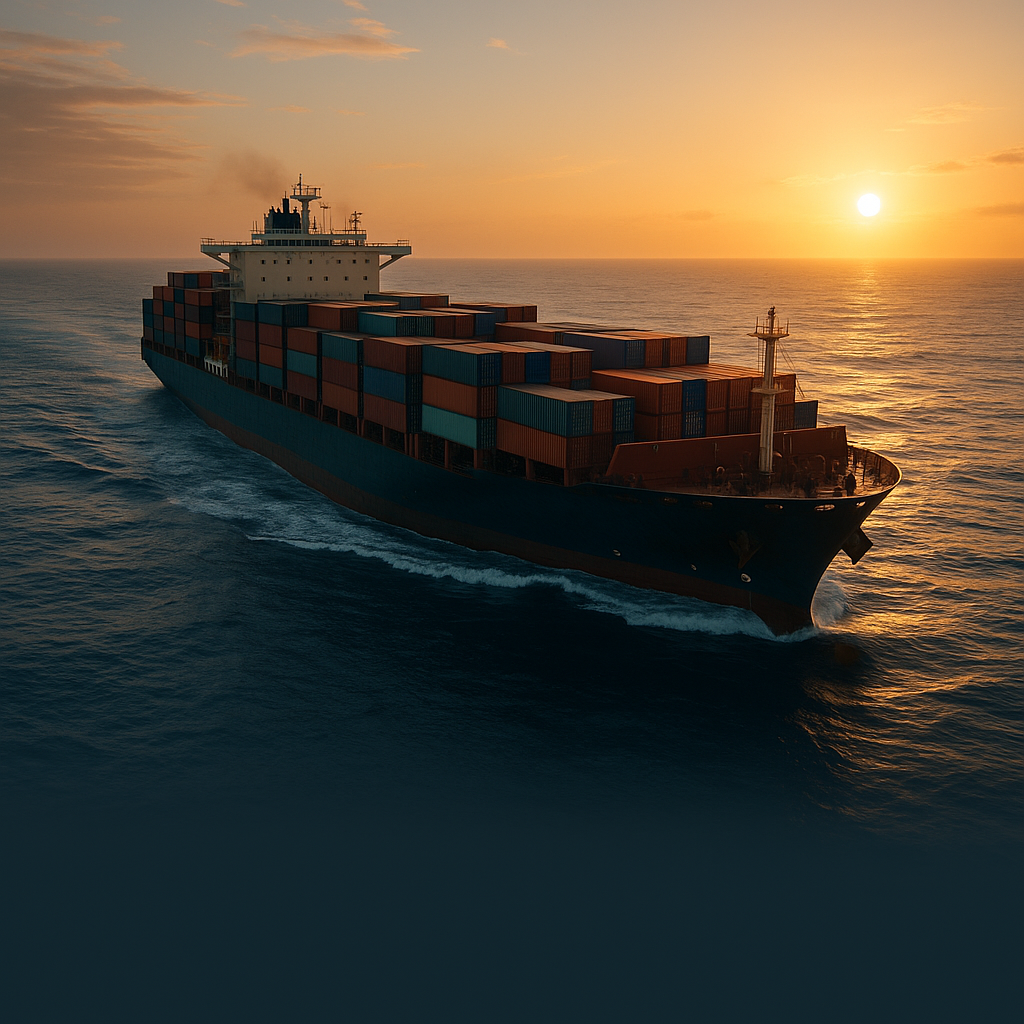
In 2026, the success of an international shipping strategy is no longer decided on the open ocean alone. While the massive vessels of global steamship lines handle the long-haul transit from Asia or Europe, the real challenge for Canadian businesses begins the moment a container touches the dock in Montreal, Vancouver, or Halifax. This "last mile" of the international supply chain is often the most complex and expensive phase. For shippers in Quebec and Ontario, the ability to coordinate ground transport and local distribution through a digital marketplace is the key to maintaining a competitive edge in a fast-moving global market.
The traditional approach to handling sea freight arrivals was a manual, fragmented process. Shippers often had to juggle multiple brokers, drayage providers, and LTL carriers through endless email chains and phone calls. This lack of transparency frequently led to "demurrage" and "detention" fees, costly penalties incurred when containers sit at the port for too long. However, the rise of digital logistics platforms has introduced a centralized way to manage these movements. By using a platform like Truxweb, Canadian shippers can now synchronize their ground logistics with their ocean arrivals, ensuring that cargo moves from the port to the final customer without unnecessary delays.
The Critical Link Between Port and Warehouse
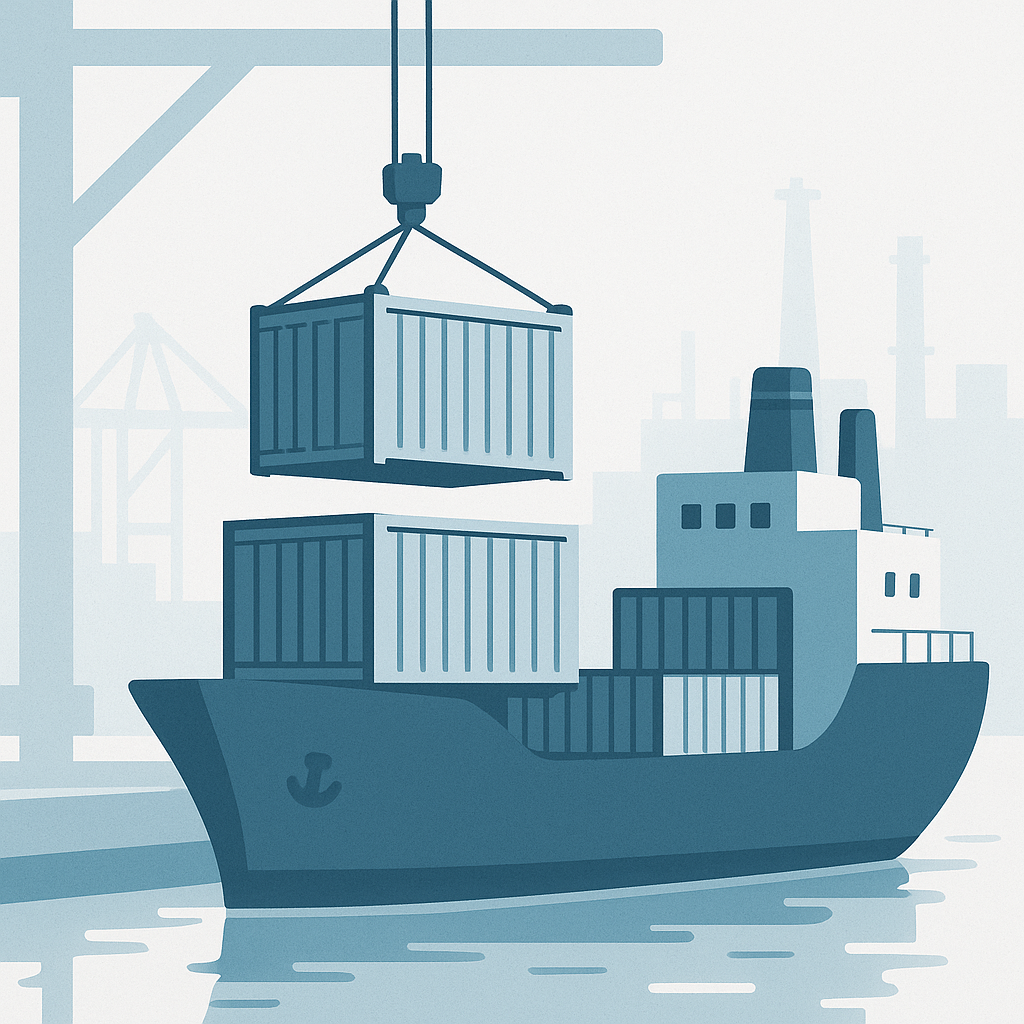
For any business importing goods into Canada, the port is simply a transition point. The real work involves "drayage," which is the specialized trucking service that moves containers from the port terminal to a nearby warehouse or distribution center. Once the container is at the warehouse, it is often "destuffed," and the goods are broken down into smaller shipments for delivery to various customers. This is where the complexity of Less-than-Truckload (LTL) shipping comes into play. Managing this transition requires precision timing and real-time visibility.
Truxweb has become the essential tool for this phase of the journey. By providing a digital marketplace that connects shippers directly with a vetted network of carriers, the platform simplifies the process of finding reliable transport for port-cleared goods. Instead of searching for "trucking companies near me" and hoping for a fair rate, a Montreal-based importer can use Truxweb to secure an instant quote and book a carrier that is already optimized for port-to-warehouse routes. This level of automation ensures that the momentum of the shipment is maintained, preventing the bottlenecks that typically occur after customs clearance.
Historically, the period between a ship’s arrival and the final delivery of the goods was a "black box" for many shippers. You knew the ship had docked, but the actual status of the cargo during drayage and final distribution was often a mystery. In 2026, digital platforms have replaced this uncertainty with 360-degree visibility. Truxweb’s dashboard provides real-time tracking for the ground leg of the journey, allowing shippers to see exactly when their goods leave the port and when they arrive at the final destination.
This visibility is vital for Canadian businesses managing "just-in-time" inventory. According to Transport Canada, the digitalization of supply chains is a top priority for 2026 to ensure economic resilience. When you have a clear view of your incoming LTL shipments, you can coordinate warehouse labor and customer expectations with total accuracy.
Economic Efficiency in a High-Cost Environment
The cost of logistics in Canada is influenced by vast distances and fluctuating fuel prices. For companies moving international cargo, every hour a shipment sits idle adds to the total landed cost. Digital platforms drive down these costs by injecting competition and efficiency into the marketplace. Truxweb removes the traditional broker "middleman," allowing shippers to see direct rates from carriers. For LTL distribution, this often results in savings of up to 40% compared to traditional methods.
Beyond direct rate savings, digital tools help avoid the "hidden" costs of international shipping. Automated documentation and pre-validated carrier data mean fewer administrative errors and fewer rejected shipments at the terminal gate. For a small business in Ontario, the ability to access the same carrier network and rates as a large corporation is a form of economic democratization. It allows them to scale their import operations without needing to hire a massive in-house logistics department. They can lean on Truxweb’s technology to handle the heavy lifting of carrier vetting, load matching, and payment processing.

Sustainability and the Future of Canadian Trade
Sustainability is no longer a “nice to have” feature in Canadian logistics; it is a core business requirement. As Canada moves toward stricter environmental regulations in 2026, shippers are looking for ways to reduce the carbon footprint of their international trade. While ocean transport is already efficient, the ground distribution phase is where many companies can make significant green improvements. Digital platforms contribute to this by optimizing routes and reducing “deadhead” miles, which are times when trucks are driving empty.
By using Truxweb to find the most efficient carrier matches for LTL distribution, businesses ensure that truck capacity is being used to its fullest potential. This shared capacity model is the backbone of sustainable logistics. When multiple shipments are consolidated into one well routed truck, the emissions per unit of cargo drop significantly. For Montreal and Toronto, cities with heavy traffic and strict urban delivery zones, these efficiencies also help reduce local congestion and noise pollution, making the entire supply chain more socially responsible.
Why Truxweb is the Choice for Canadian Shippers
The Montreal based origins of Truxweb give it a distinct advantage in the Canadian market. The platform is built with an understanding of the specific geography and regulatory environment of the Quebec Ontario corridor. This local expertise ensures that when a shipper books an LTL move from the Port of Montreal to a retail center in Toronto, the platform accounts for the nuances of Canadian transport, from winter weather challenges to specific provincial weight limits.
As global trade becomes more complex, the businesses that succeed will be the ones that embrace digital integration. Moving sea freight is about more than just the ocean crossing; it is about the seamless handoff from ship to shore and from port to door. Truxweb provides the digital infrastructure to make those handoffs effortless. By centralizing the ground logistics process, Truxweb allows Canadian shippers to focus on what they do best, growing their business and serving their customers, while the platform handles the complexity of the road ahead.
Conclusion
In 2026, the success of a global shipping strategy is measured by the strength of its final link. While ocean carriers provide the massive scale needed to cross the globe, digital platforms like Truxweb provide the precision and visibility needed to finish the journey on Canadian soil. By transitioning from manual, broker-reliant processes to an automated digital marketplace, shippers in Montreal, Ontario, and beyond are reclaiming control over their supply chains. This shift does more than just lower costs; it builds a foundation for long-term scalability and operational resilience.
The future of logistics is no longer about managing individual shipments in isolation; it is about orchestrating a cohesive, data-driven workflow that spans from the port terminal to the customer’s door. As international trade continues to evolve, the businesses that leverage integrated ground transport and real-time visibility will be the ones that thrive. Truxweb stands at the center of this transformation, offering a bridge between global sea ports and the Canadian road network. By choosing a digital-first approach today, you are not just booking a truck, you are future-proofing your business for the global economy of tomorrow.
Frequently Asked Questions (FAQs)
How does Truxweb help with my international sea freight?
While you book the ocean vessel through a carrier or forwarder, Truxweb is the essential tool for the "ground leg." We manage the distribution of your goods once they land at Canadian ports, connecting you with carriers for drayage and LTL delivery to your final destination.
What is drayage and why is it important for sea freight?
Drayage is the short-haul trucking of containers from a port to a warehouse or rail yard. It is a critical step because any delay at the port can result in expensive daily storage fees. Truxweb helps you book reliable carriers to move your containers as soon as they are cleared.
Can I use Truxweb for shipments coming into the Port of Montreal?
Yes. Truxweb is headquartered in Montreal and has a deep network of vetted carriers specifically serving the Quebec and Ontario regions. We are the ideal partner for distributing international cargo across the Canadian corridor.
How does Truxweb save me money on LTL distribution?
By connecting you directly with carriers through our digital marketplace, we eliminate broker markups. Our users typically see a 20% to 40% reduction in their ground transport costs compared to traditional brokerage.
Is the platform free to join for Canadian shippers?
Yes. There are no subscription fees or monthly contracts. You only pay for the shipments you book through the platform, making it a risk-free way to modernize your logistics.
What kind of tracking does Truxweb provide for port cargo?
We provide a 360-degree dashboard with real-time status updates. You will see exactly when your shipment is dispatched, picked up from the warehouse or port, and delivered to the final consignee.
How do I know the carriers on Truxweb are reliable?
Every carrier in our network is thoroughly vetted. We only work with companies that maintain a 95% or higher service rating, ensuring your international cargo is in safe hands.
Can Truxweb handle the paperwork for my ground transport?
Absolutely. The platform automatically generates your Bills of Lading and other essential transport documents, reducing the manual work for your team and preventing errors that cause delays.
Why is digital logistics better than using a traditional broker?
Digital platforms like Truxweb offer instant quoting, total transparency, and real-time data that traditional brokers can’t match. You have control over your shipments and your data 24/7 without waiting for a callback.
Does Truxweb support cross-border shipping to the USA?
Yes. In addition to domestic Canadian routes, Truxweb is a leader in cross-border LTL and FTL shipping, helping you move your international goods throughout North America with ease.