
LTL Shipping to Trois-Rivieres and the Highway 20/40 Corridor
Explore LTL shipping options across the Highway 20/40 corridor, covering Trois-Rivieres, Drummondville, and Victoriaville transit times and carrier coverage.
By Mathieu van Gent · 6 min read ·

Quick Answer#
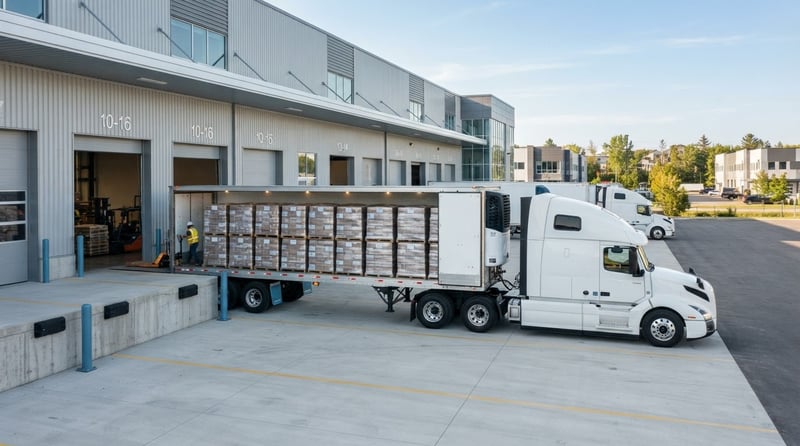
LTL shipping into central Quebec works best when you treat Trois-Rivières, Drummondville, and Victoriaville as connected but distinct delivery points. Dense freight activity along Autoroutes 20 and 40 supports regular carrier movement, while shipment dimensions, pickup readiness, and delivery requirements determine the final quote and transit commitment.
Introduction#
For LTL shipping into the Highway 20/40 corridor, the practical move is to compare carrier coverage by destination instead of applying one central-Quebec assumption to every shipment. Trois-Rivières benefits from the Highway 40 route, while Drummondville and Victoriaville depend more heavily on Highway 20 connections and regional pickup-and-delivery networks. Shippers moving one to eight pallets need carrier options that match dock access, accurate dimensional weight, and appointment requirements. A missed cutoff or incomplete bill of lading can remove the flexibility that makes this corridor efficient.
Key Takeaways:
Trois-Rivières, Drummondville, and Victoriaville require destination-specific carrier comparisons.
Consolidation can reduce handling and create more efficient linehaul planning.
Accurate dimensions, weight, and accessorial needs materially affect central Quebec LTL quotes.
LTL Shipping Along the Highway 20/40 Corridor#
The corridor works because it connects Montreal-area freight origins with industrial, commercial, and regional distribution destinations across central Quebec. Autoroute 40 serves the Trois-Rivières side of the route, while Autoroute 20 creates the primary eastbound connection toward Drummondville and links with routes serving Victoriaville. This network lets carriers combine compatible freight into repeatable linehaul and local-delivery patterns.
Trois-Rivières: Highway 40 Carrier Access#
Trois-Rivières is a practical LTL destination when the shipment is accurately described and the consignee can receive freight within standard delivery procedures. Its position between Montreal and Quebec City can support frequent network movement, but actual transit depends on the carrier’s terminal plan, pickup cutoff, freight dimensions, and any residential, liftgate, or appointment service required.
Dock delivery: Confirm receiving hours before booking.
Dimensional weight: Smaller, denser pallets generally cost less to transport.
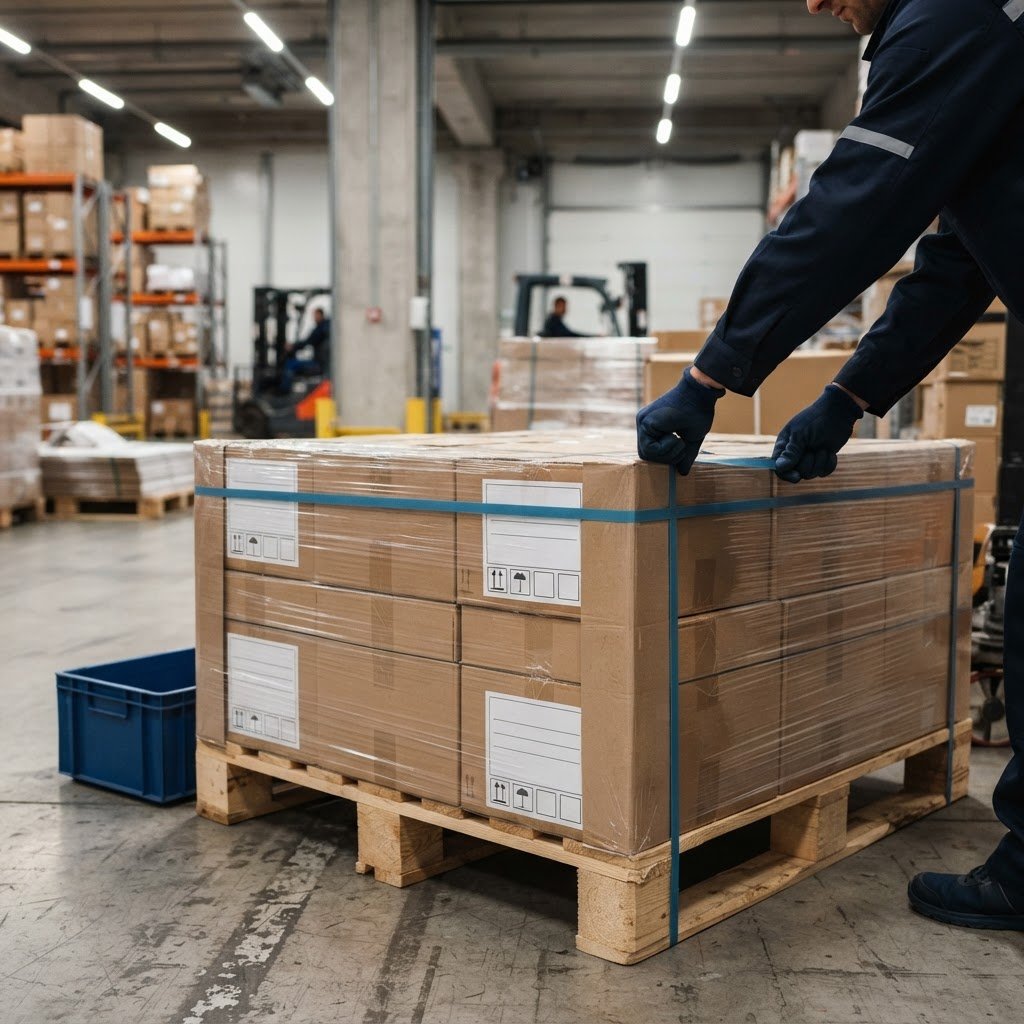
Packaging: Secure pallets reduce handling risk.
Accessorials: Declare liftgate and appointment needs upfront.
Drummondville and Victoriaville: Route Coverage Differs#
Drummondville generally aligns with main Highway 20 linehaul activity, whereas Victoriaville may require a more regional delivery leg after linehaul movement. That distinction matters when you compare LTL shipping rates and review Montreal-Quebec City rates, because a quote reflects the complete lane, not merely the map distance from Montreal. For both cities, Quebec highway connections are an important part of the corridor context, but carrier-specific routing, terminal handoffs, and pickup schedules should be confirmed when requesting a quote.
The operational difference is simple: Drummondville often fits directly into broader linehaul planning, while Victoriaville requires shippers to verify carrier coverage at the postal-code level. Neither destination should be priced as an extension of Trois-Rivières without confirming the actual service map.

Routing Central Quebec Freight Without Inflating Costs#
Efficient freight shipping services Quebec depend on matching pickup readiness with a carrier’s consolidation schedule. Separate last-minute bookings can create avoidable handling and routing complexity, while planned releases allow compatible pallets to move together where the lane and delivery windows permit.
Compare Carrier Quotes by the Full Delivery Requirement#
A useful comparison includes the carrier, transit commitment, booking fees, service requirements, and the actual delivery postal code. Truxweb’s direct-to-carrier marketplace lets shippers submit one request and compare carrier responses for central Quebec lanes, rather than relying on a single quote path. Its network approach is relevant for SMEs that need a regional carrier network without maintaining separate carrier contacts.
This table isolates the operating differences that should guide a lane request.
Destination | Primary route context | Carrier planning point | Quote requirement |
|---|---|---|---|
Trois-Rivières | Autoroute 40 corridor | Confirm receiving access | Postal code and accessorials |
Drummondville | Autoroute 20 corridor | Check linehaul cutoff | Pickup-ready time |
Victoriaville | Regional connection from Highway 20 | Verify local delivery coverage | Exact consignee details |
The key tradeoff is not simply distance. A shipment with flexible pickup, standardized pallets, and a commercial dock is easier for carriers to combine than freight requiring specialized handling or constrained delivery timing.
Use Consolidation When Freight Timing Allows#
Quebec freight consolidation helps when multiple compatible shipments can be released within the same planning window and delivered without conflicting deadlines. Consolidation does not mean combining unrelated freight indiscriminately; it means giving carriers sufficient shipment detail and scheduling flexibility to build an efficient route. Canadian carriers price LTL freight on dimensional (volumetric) weight rather than the US-style NMFC system, so accurate pallet measurements, not a classification lookup, determine your Canadian rate. Fragile, difficult-to-handle, or unusually large freight can still draw added handling charges regardless of this difference.
Prepare the Shipment Before Requesting Quotes#
Provide pallet count, dimensions, total weight, commodity description, origin and destination postal codes, and every accessorial requirement in the first request. Accurate dimensions directly affect how carriers assess the shipment, especially for fragile, oversized, heavy, or specially handled goods. This discipline protects quote accuracy and reduces reclassification disputes after pickup.
Conclusion#
Central Quebec is an efficient LTL corridor when shippers route each destination according to its actual carrier coverage and delivery conditions. Treat Trois-Rivières as a Highway 40 destination, assess Drummondville through its Highway 20 linehaul access, and confirm Victoriaville’s regional-delivery plan before booking. For SME shippers comparing these lanes, Truxweb provides a direct way to view carrier quotes, transit options, and booking fees in one request. Better shipment data and planned consolidation create the strongest foundation for cost control and reliable delivery.
Need clearer visibility across central Quebec lanes? Compare freight options with Truxweb before confirming your next shipment.
Frequently Asked Questions (FAQs)#
What is the best way to ship LTL freight to Trois-Rivières?#
The best way to ship LTL freight to Trois-Rivières is to request quotes using the exact postal code, pallet dimensions, and receiving conditions, because carriers need those details to match the shipment to Highway 40 linehaul and local-delivery planning.
What factors determine LTL shipping rates in Canada?#
LTL shipping rates in Canada depend on dimensional weight, shipment size, lane, pickup and delivery access, and declared services. For related cross-provincial comparisons, review Quebec-Ontario LTL rates; bulkier or harder-to-handle freight generally costs more because it can require additional care.
What are typical transit times from Montreal to Trois-Rivières?#
Transit times from Montreal to Trois-Rivières vary by carrier schedule, pickup cutoff, terminal routing, freight characteristics, and delivery requirements, so shippers should compare the transit commitment shown with each quote rather than assume a standard service window.
How does carrier coverage differ between Drummondville and Victoriaville?#
Carrier coverage differs because Drummondville commonly connects with broader Highway 20 linehaul patterns, while Victoriaville can require a regional delivery leg, making postal-code confirmation and delivery-service details important before selecting a carrier.
Is it better to consolidate freight along the Highway 20 corridor?#
Consolidating freight along the Highway 20 corridor can improve route efficiency when compatible pallets share a release window and delivery requirements, but it should not compromise freight protection, consignee scheduling, or a shipment’s required arrival date.
How does online LTL shipping work for SMEs?#
Online LTL shipping for SMEs works by collecting shipment details once, distributing the request to carriers that serve the lane, and presenting available rates, transit options, and booking terms so the shipper can select and confirm the appropriate service.
About the author
