Consolidation Cuts Quebec-Western Canada Shipping Costs
Learn how combining shipments through consolidation reduces freight shipping costs from Quebec to Western Canada without sacrificing delivery reliability.
By Sarah Bennett · 9 min read ·

Quick Answer#
Freight consolidation cuts Quebec-to-Western Canada shipping costs by combining compatible partial loads into fuller trailers, so each shipper pays for the space and service required rather than carrying the economics of an underused vehicle. For SMEs moving one to eight pallets, consolidated LTL shipping can also improve access to carrier capacity and clearer rate comparisons without compromising essential handling and delivery controls.
Introduction#
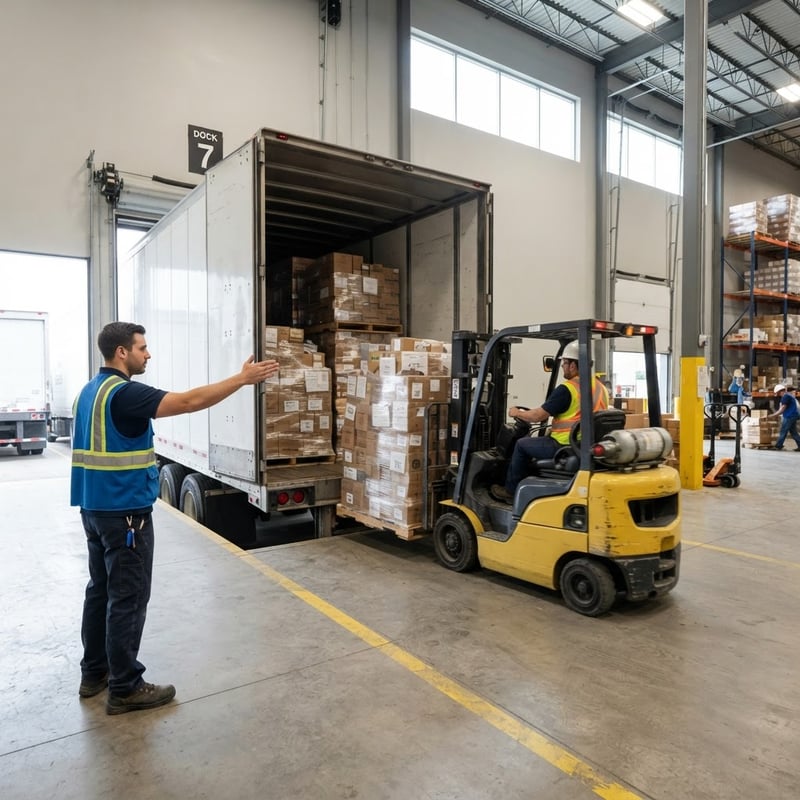
Shipping costs rise quickly on long Canadian lanes because distance, pickup timing, freight dimensions, and limited carrier coverage all affect the rate. Consolidation makes pallet shipping more economical by aligning your freight with other compatible loads moving west, which spreads vehicle and linehaul costs across multiple shippers. The practical goal is not simply to find a lower quote, but to book service that matches the shipment’s class, dimensions, readiness date, and delivery requirements. A missed pickup window or incorrect bill of lading can erase the savings gained at booking.
Key Takeaways:
Consolidation shares trailer capacity among compatible LTL shipments.
Accurate shipment details protect quoted rates and pickup schedules.
Digital carrier comparison reduces manual quote collection for SMEs.

Why Quebec-to-Western Canada Shipping Costs Need Consolidation Planning#
Planning matters because long-haul freight costs are shaped by shipment size, handling needs, timing, and the availability of compatible capacity on the lane. Consolidation gives SMEs a way to align those variables before freight is tendered, rather than treating the quoted rate as the only decision point.
Long-haul freight shipping from Quebec to Western Canada is cost-sensitive because a small shipment still needs pickup, terminal processing, linehaul capacity, and final delivery. A dedicated truck can make sense for a large, time-critical load, but it can be an inefficient purchase for a few pallets. Consolidated LTL networks turn a fragmented shipment flow into usable trailer capacity, which matters when western-bound volume is uneven from one shipping day to the next.
What creates the rate on a long-haul pallet shipment?#
Rates are built from measurable shipment characteristics and lane conditions, not from distance alone. Carriers need complete information before they can plan compatible freight, price the shipment correctly, and avoid accessorial corrections after pickup. The origin and destination postal codes establish the lane, while pallet footprint, height, weight, freight class, commodity, and requested service determine how the shipment can be loaded and handled. A quote is therefore most useful when it is based on the freight that will actually be available at pickup, not on estimates that change after dispatch.
Dimensions: Cubic space affects trailer capacity.
Weight: Heavier freight changes handling and loading plans.
Freight class: Density and liability influence LTL pricing.
Pickup readiness: Flexible dates enable better load matching.
Delivery conditions: Appointments and equipment needs affect cost.
Why consolidation lowers the cost base#
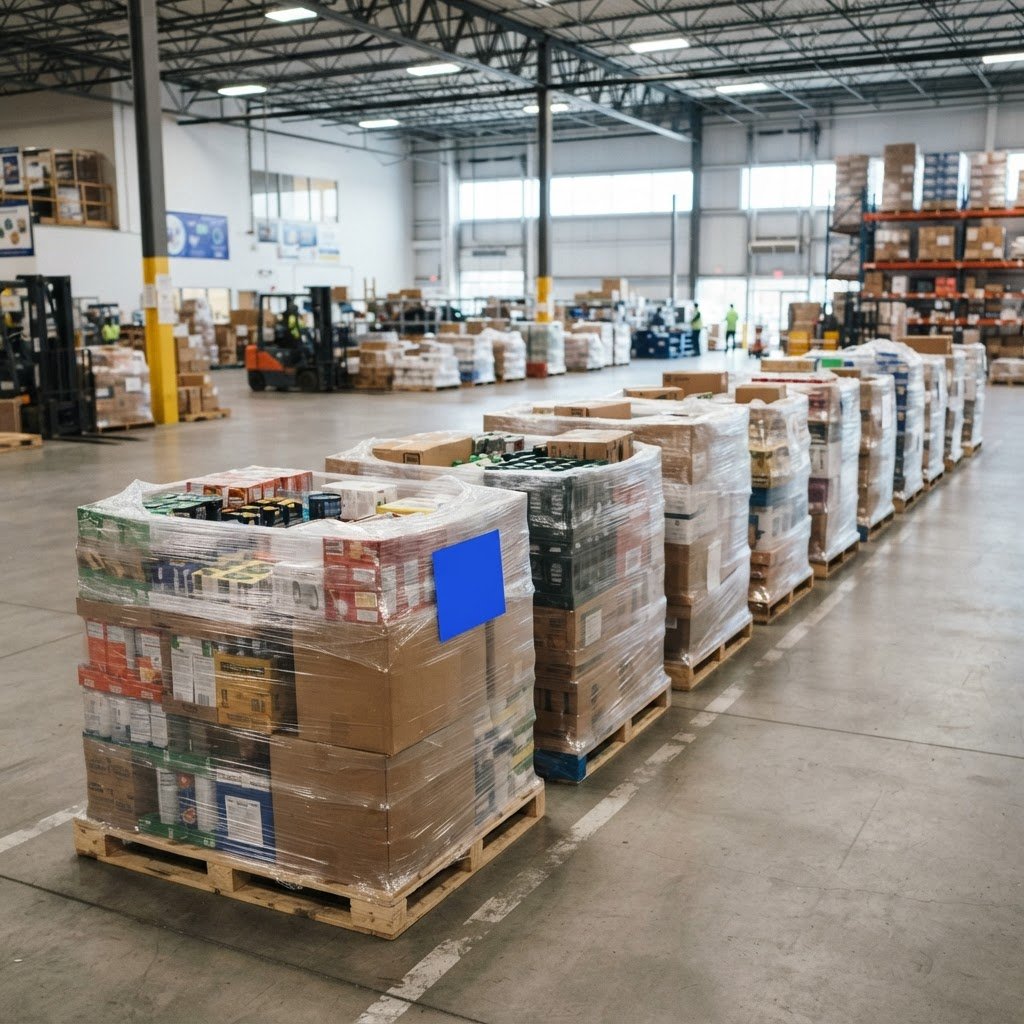
Consolidation lets several shippers share the fixed work of moving freight across a long lane. The result is better trailer utilization, fewer partially filled moves, and a more efficient allocation of pickup and linehaul capacity. Published Canadian consolidation guidance states that sharing truck, rail, or container space can reduce per-unit freight costs by 25% to 50% compared with individual full truckload or standalone less-than-container-load bookings.
The same principle applies on long hauls: higher trailer utilization changes the economics of the move. Your shipment still requires disciplined packaging, correct labels, and documents that match the freight tender, but it no longer has to consume dedicated equipment capacity on its own. Consolidation does not remove the need to protect freight from terminal handling or to communicate delivery constraints. Instead, it makes the shipment easier to combine when its physical details and service requirements are known in advance.
Businesses should treat the benefits of freight consolidation as an operational planning tool rather than a last-minute discount tactic. Orders that can ship within a sensible pickup window are easier to group by destination, service requirements, and trailer space.
How LTL Shipping Consolidation Works in Practice#
LTL shipping is designed for freight that does not require an entire trailer, while full truckload service reserves the vehicle for one shipper’s load. On a Quebec-to-Western Canada move, a carrier or marketplace can group compatible shipments at terminals and through linehaul planning, then route them to their final destinations. This is a capacity-management process, not a reduction in the need for sound freight documentation.
Consolidated LTL versus dedicated equipment#
The right comparison is between the cost structure and operational fit of each service, not a promise that one method always costs less. FTL typically uses a flat rate per truckload, while LTL pricing is influenced by freight class, size, weight, and distance. For a small outbound order, paying for only the capacity used is often more rational than reserving an entire truck.
The table highlights the decision points an SME should examine before accepting shipping quotes. It also helps separate a service decision from a price comparison. A lower line-item rate may not reflect an appointment requirement, liftgate need, limited receiving hours, or a shipment that cannot be safely double-stacked. Reviewing these conditions before booking gives the carrier the information needed to assign appropriate equipment and helps the shipper compare options on the same basis.
Decision factor | Consolidated LTL | Dedicated FTL | Booking impact |
|---|---|---|---|
Trailer capacity | Shared among compatible shipments | Reserved for one shipper | Small loads avoid unused capacity |
Rate structure | Based on class, size, weight, and distance | Flat rate per truckload | Quote inputs must be accurate |
Planning requirement | Benefits from flexible readiness | Requires dedicated equipment timing | Pickup windows influence options |
Handling pattern | Terminal and transfer handling may occur | Usually remains with one truck | Packaging must protect freight |
Consolidated LTL is usually the practical cost-control method for regular smaller shipments, while dedicated service is a different purchase with its own capacity commitment. Consolidation can lower per-unit freight costs when compatible shipments share vehicle capacity, although actual Quebec-to-Western Canada pricing depends on the shipment and lane details. The same source states that a pallet moved through LTL consolidation on the Toronto-to-Vancouver lane typically costs 30% to 40% less than booking a dedicated vehicle for that pallet; actual Quebec-to-Western Canada pricing still depends on the shipment and lane details. Compare transit information alongside price, particularly when customer delivery appointments or receiving hours are fixed.
How to prevent avoidable charges after booking#
Provide the pallet count, dimensions, total weight, commodity description, pickup contact, delivery contact, and site constraints before booking. If the freight is shipping to the United States, include the commercial invoice and customs information early because border paperwork, importer details, and product descriptions must align with the carrier's freight record. These are basic cost-saving consolidation strategies: accurate data prevents reclassification, redelivery, and equipment-related exceptions.
How SMEs Can Access Consolidated Capacity Without Extra Administration#
SMEs do not need to negotiate separately with every carrier to access consolidated capacity. A marketplace workflow can send one shipment request to carriers serving the lane, return comparable options, and let the shipper select a service based on rate, transit time, carrier rating, and booking fees. That process is especially useful when western-bound volume is not high enough to justify a dedicated transportation desk. It also creates a consistent record of the shipment details used for each quote, which makes it easier to review recurring lanes and identify which requirements are affecting cost or available service.
Use a repeatable quote and booking workflow#
Start by standardizing the shipment data that appears on every request. Measure each pallet after it is wrapped, identify whether it can be double-stacked, state any dangerous-goods or temperature requirements where applicable, and verify whether the consignee needs an appointment or specialized equipment. Include photographs when packaging, stackability, or access conditions could be unclear. A repeatable tender makes an LTL consolidation decision more reliable because carriers are comparing the actual shipment, not correcting incomplete assumptions.
Next, compare the full booking terms rather than sorting only by the lowest visible rate. Look for the pickup date, delivery expectation, stated fees, liability terms, and any accessorial requirements. Transport Canada describes a national network shaped by trade-corridor investment, including a $4.6 billion allocation to the National Trade Corridors Fund, an 11-year program running from 2017 to 2028, a reminder that long-haul freight depends on interconnected infrastructure rather than a single carrier's route.
For businesses shipping to Western Canada, LTL shipping to Western Canada requires the same discipline at destination as at origin. Confirm receiving hours, unloading capability, appointment rules, and the consignee’s reference number before dispatch, particularly for deliveries into busy urban facilities.
Where a digital marketplace fits#
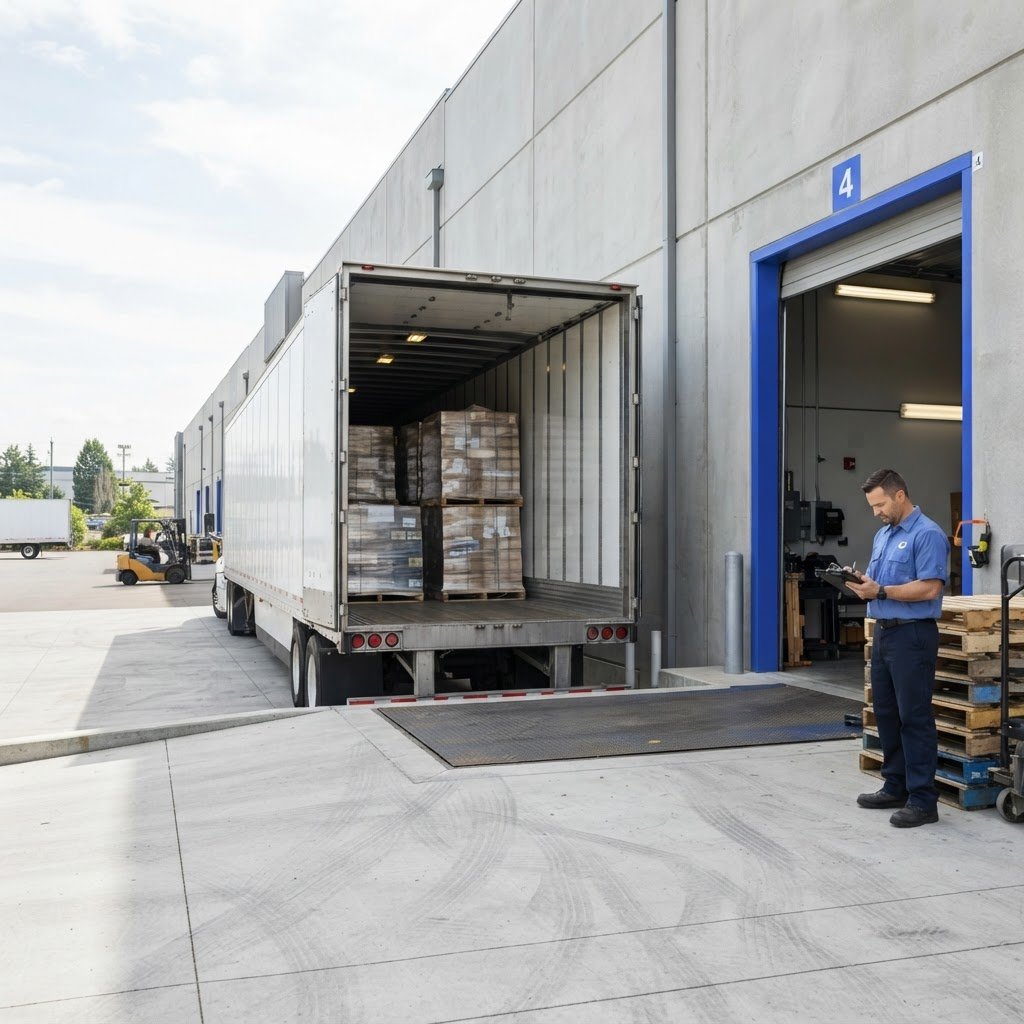
Truxweb gives Quebec and Ontario SMEs one request that is broadcast to carriers on its network, allowing rates, transit times, carrier ratings, and detailed booking fees to be reviewed side by side. Its marketplace model also connects shippers directly with local and regional trucking companies rather than requiring a separate round of phone calls and emails. The shipper remains responsible for reviewing the selected service, confirming that shipment details are accurate, and ensuring that pickup and delivery contacts can support the planned move.
Conclusion#
Consolidation is a practical lever for reducing shipping costs on Quebec-to-Western Canada lanes because it turns partial freight into shared trailer utilization. Start with accurate pallet data, build modest pickup flexibility into your order process, and compare the complete service terms behind each quote. Review each completed shipment for billing adjustments, missed instructions, or recurring accessorials, then update the shipment template before the next booking. For SMEs that ship a handful of pallets at a time, Truxweb provides access to carrier quotes and consolidated LTL capacity through one digital booking process. Lower freight spend comes from planning and visibility, not from accepting service uncertainty.
Ready to simplify western-bound freight planning? Explore Truxweb freight options for your next pallet shipment.
Frequently Asked Questions (FAQs)#
How to calculate shipping costs for business?#
Calculating shipping costs for business starts with the origin, destination, pallet dimensions, total weight, freight class, commodity, pickup requirements, delivery conditions, and requested service level, because each detail affects how a carrier can price and plan the shipment.
Why are freight shipping costs so high?#
Freight shipping costs are high when a shipment requires long-distance linehaul capacity, specialized handling, limited-lane pickup coverage, appointments, or extra equipment, because these requirements add work and reduce the carrier’s ability to combine freight efficiently.
How can SMEs save money on freight shipping?#
SMEs can save money on freight shipping by consolidating compatible orders, measuring pallets accurately, booking before freight is urgent, and comparing complete service terms, because these actions reduce unused capacity and prevent avoidable post-booking charges.
Is it cheaper to book direct with trucking carriers?#
Booking direct with trucking carriers can reduce intermediary costs, but the final price still depends on carrier availability, shipment details, and lane coverage, so SMEs should compare transparent quotes and service terms rather than assume one booking route always costs less.
What is the difference between LTL and FTL shipping?#
The difference between LTL and FTL shipping is that LTL shares trailer space among multiple shipments while FTL reserves the truck for one shipper, making the appropriate choice dependent on load size, timing, handling needs, and capacity required.
Is there a way to automate freight bookings?#
There is a way to automate freight bookings through a digital marketplace that stores shipment details, broadcasts quote requests, compares carrier responses, and records booking information, which reduces repeated manual outreach while preserving review of each shipment’s requirements.
About the author