


Quick Answer
Montreal to Quebec City LTL freight costs vary by pallet footprint, weight, freight class, pickup and delivery access, and carrier capacity, so there is no responsible single rate for every shipment. The practical way to control spend is to submit complete shipment details, compare carrier quotes on the same service requirements, and confirm the total charge before booking.
Introduction
LTL shipping on the Montreal to Quebec City corridor works well for SMEs moving one to eight pallets without paying for dedicated truck capacity. This corridor has regular freight movement, but quoted prices can still shift when a shipment needs a liftgate, residential delivery, appointment coordination, or expedited handling. Accurate dimensions, weight, commodity details, and accessorial needs give carriers the information needed to price the move correctly. A low initial quote can lose its value quickly when unreported handling requirements appear after pickup.
Key Takeaways:
Complete shipment data reduces avoidable LTL quote adjustments.
Regional and national carriers differ mainly in network design and service coverage.
Comparing total charges protects budgets better than comparing base rates alone.

Montreal to Quebec City LTL shipping rate drivers
Carriers price this lane from the shipment characteristics they must handle, not distance alone. Freight density, class, pallet dimensions, lane capacity, requested service, and pickup or delivery constraints all affect the final price, which is why two shipments bound for the same Quebec City postal area can receive different quotes.
Build a quote carriers can price accurately
Start with verified measurements and describe the shipment as it will be tendered. A quote request should identify whether goods are stackable, whether they need temperature control or special handling, and whether either location has a loading dock; otherwise, the carrier may add charges after dispatch.
Dimensions: Measure each pallet’s length, width, and height after wrapping.
Weight: Provide the total shipment weight, including pallet materials.
Freight class: Use the commodity’s applicable classification, not a guess.
Accessorials: Declare liftgate, appointment, residential, or inside-delivery needs.
Packaging: Secure cartons for repeated terminal handling and transfer.
Why base rates do not show the full cost
A base linehaul charge covers only part of the shipment. Fuel surcharges, accessorial services, and reclassification risk can change the payable amount, so ask for a complete breakdown before comparing rates for LTL shipping in Canada. Packaging should be secured for repeated terminal handling and transfer.
Comparing carriers for the Quebec corridor
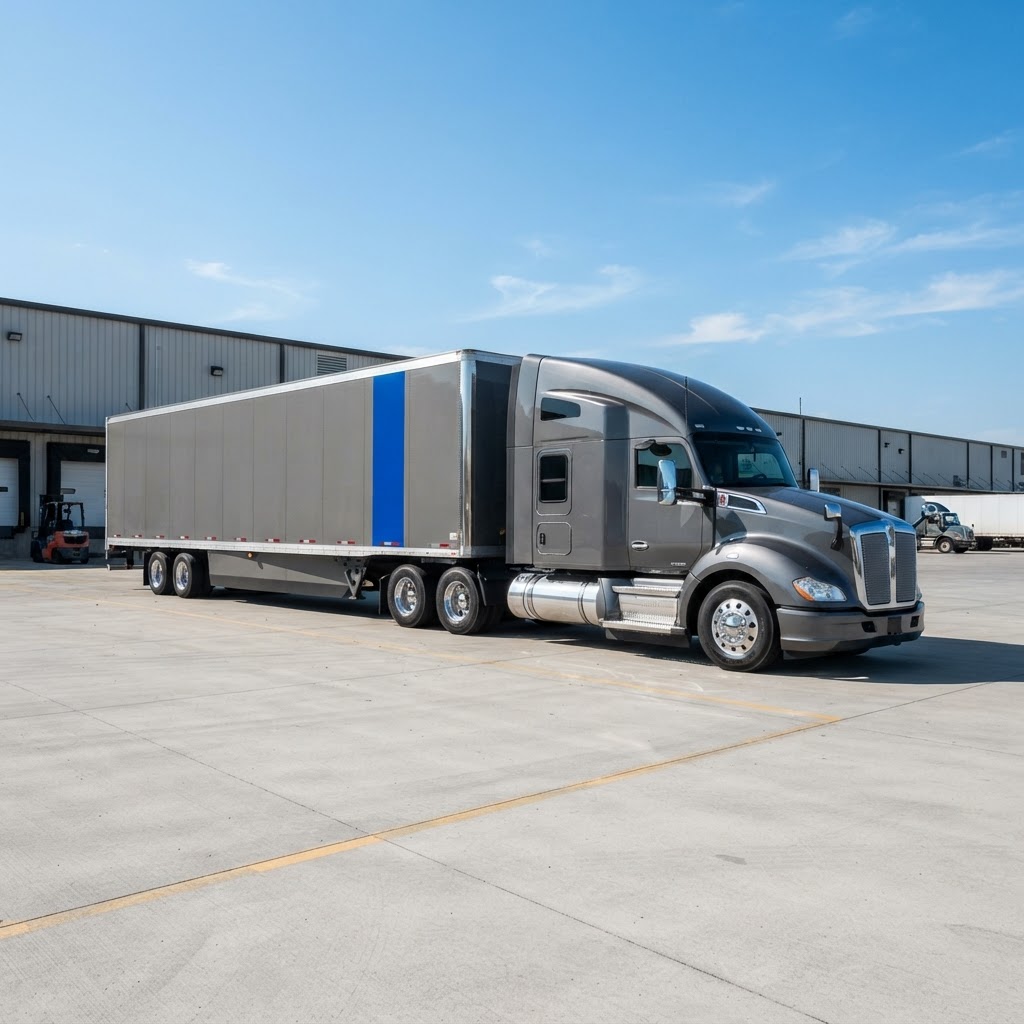
Regional and national LTL trucking services can both move freight between Montreal and Quebec City, but they operate differently. Regional networks may concentrate equipment and dispatch knowledge in Quebec, while national networks connect local pickup points to broader interprovincial coverage, which matters if the route later extends beyond the province.
Regional carriers versus national networks
Choose based on the shipment’s operating requirements, not a carrier label. Review quoted transit commitment, pickup cut-off, delivery conditions, damage-claim process, and the carrier listed on the bill of lading, since contractual arrangements determine whether an intermediary acts as an agent or takes carrier responsibility.
This comparison shows the operational questions that distinguish the two carrier types without assuming that one quoted rate will apply to every shipment.
Carrier type | Network focus | Pricing approach | Operational question |
|---|---|---|---|
Regional carrier | Quebec-focused lanes | Custom quote by shipment details | What pickup and delivery coverage applies? |
National carrier | Multi-province network | Custom quote by shipment details | Does the shipment continue beyond Quebec? |
Digital marketplace | Multiple participating carriers | Side-by-side carrier quotes | Which total charge and transit option fit? |
The useful comparison is not regional versus national in isolation. It is whether the quoted carrier can meet the pickup, delivery, and visibility requirements stated on your specific bill of lading.
Use carrier accountability as a selection filter
Ask who accepts the shipment, whose name appears on the bill of lading, and who handles a loss or damage claim. The distinction between an agent and a principal affects responsibility, as described in guidance on freight forwarder responsibility, so it should be clear before freight leaves the dock. For local network research, review available Quebec City carriers alongside a carrier’s stated service terms.
Book, track, and protect pallet freight
Good booking discipline prevents the most common billing and service failures. Confirm the pickup contact, receiving hours, reference numbers, pallet count, declared services, and consignee requirements before tendering the freight, then retain the bill of lading and pickup record for reconciliation.
Compare quotes on equivalent service terms
When you compare LTL carrier rates, normalize every quote to the same weight, dimensions, freight class, and accessorial requirements. A quote that excludes a liftgate or appointment service is not cheaper than one that includes it; it is incomplete for that shipment.
A digital marketplace can reduce the manual work of calling several providers. Truxweb broadcasts one request to participating carriers servicing the lane and presents rates, transit times, carrier ratings, and booking fees side by side, which gives logistics managers a documented basis for choosing an option. The platform reports that 92% of carriers reply within 30 minutes during business hours, but a shipper should still book early when pickup timing is critical.
Prepare freight for transfer points
Use stable pallets, corner protection where needed, clear consignee labels, and a bill of lading that matches the freight on the dock. The IoPP freight-shipping guidelines note that palletized shipments need box closures suited to handling stresses. For Montreal LTL carrier selection, verify dock availability and pickup windows before dispatch because missed access can create a failed-pickup charge or delay.

Make rate visibility part of freight planning
For recurring Montreal to Quebec City shipments, create a lane profile with repeatable pallet dimensions, commodity descriptions, accessorial needs, and receiving restrictions. This improves quote consistency and makes exceptions easier to spot. Québec notes that shippers should plan travel logistics and obtain documentation required to transport goods, such as hazardous-materials documentation. Open Canada's data sets identify regulatory requirements and areas where trucks are prohibited except for local delivery; check these constraints when routing freight or scheduling pickups. Review carriers serving Quebec periodically rather than relying on an old rate card when freight characteristics or delivery requirements change. For shipments that extend westward, compare the distinct factors affecting rates for Quebec-Ontario LTL shipping before using a Montreal–Quebec City lane profile as a benchmark.
Conclusion
Montreal to Quebec City LTL freight becomes easier to budget when shippers treat the quote as an operational document, not just a price. Measure pallets accurately, disclose every required service, compare complete charges, and confirm who carries responsibility for the shipment. For SMEs that need repeated lane comparisons, Truxweb provides direct access to participating carriers while keeping quote details visible before booking. The best operational result comes from matching the carrier’s stated service to the freight and facility requirements already known at tender.
Need a clearer process for recurring Quebec freight? compare carrier quotes before confirming your next shipment.
Frequently Asked Questions (FAQs)
How to get LTL shipping quotes online?
Getting LTL shipping quotes online requires the origin and destination, pallet count, dimensions, total weight, freight class, commodity description, and any pickup or delivery services, because carriers use those details to calculate a quote that reflects the shipment they will actually handle.
How to book pallet freight in Canada?
Booking pallet freight in Canada means selecting a carrier after reviewing the total quoted charges and transit terms, then providing a correct bill of lading, confirmed contacts, pickup hours, delivery instructions, and freight labels that match the booking record.
What are the benefits of using an LTL marketplace?
The benefits of using an LTL marketplace include seeing multiple carrier responses from one request, comparing transit and fee details in one place, and reducing repetitive calls or emails when a business needs to evaluate available capacity for a defined lane.
How to save money on LTL freight shipping?
Saving money on LTL freight shipping starts with accurate weight, dimensions, classification, and accessorial declarations, because preventing a reclassification, reweigh, or unplanned service charge protects the price that appeared in the original carrier quote.
What is a standard LTL freight class?
A standard LTL freight class is a commodity classification used to describe handling and transportation characteristics, and shippers should verify the correct class from their product information rather than selecting one solely to seek a lower freight price.
How to track LTL freight shipments in real time?
Tracking LTL freight shipments in real time depends on the carrier or booking platform’s visibility tools, so shippers should retain the shipment reference and monitor dispatch, pickup, terminal movement, and delivery alerts while escalating exceptions through the listed contact.
About the Author
Daniel Park is a Freight Logistics Analyst covering LTL shipping, carrier selection, pricing, and supply chain operations across Quebec and Ontario. His analysis focuses on the operational details that help SMB logistics managers compare carriers, control freight costs, and improve shipment visibility.