
LTL Shipping for Quebec Breweries: Kegs, Cans and Pallets
Discover how Quebec breweries can ship kegs, cans, and mixed pallets safely via LTL freight, with packaging tips and carrier insights to protect your product.
By Max Gravel · 7 min read ·

Quick Answer#
LTL shipping works well for Quebec breweries moving kegs, cans, and mixed pallets when every load is built for repeated dock handling, accurately described, and booked with a carrier that understands beverage freight. The practical priority is simple: stabilize the product before pickup, document its condition, and match the service level to the receiving location.
Introduction#
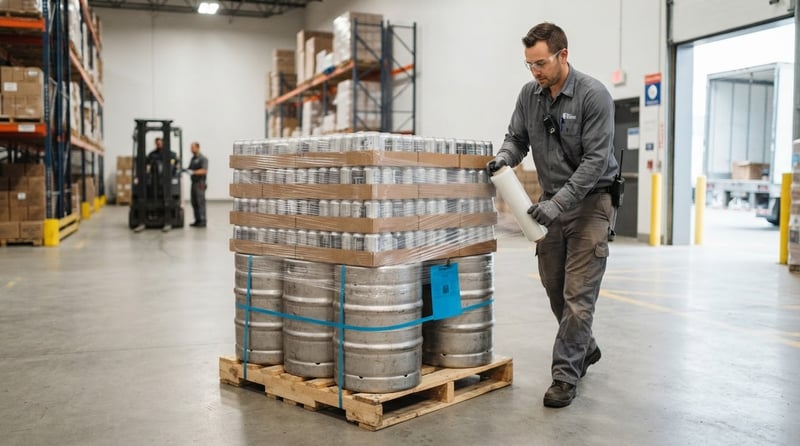
For breweries, LTL shipping is not just a transportation decision, because a shifted keg or crushed tray of cans can turn a routine distributor delivery into a costly claim. Kegs need restraint against rolling and movement, while canned product needs compression protection and square, consistent pallet footprints. Pallet freight shipments arranged by Quebec breweries should account for warehouse access, alcohol documentation, and the transfer points that occur before delivery. A pallet that looks stable on the brewery floor can still fail when it is moved by a forklift, loaded beside other freight, and handled again at a cross-dock.
Key Takeaways:
- Secure kegs against rolling, tipping, and pallet-edge movement.
- Protect canned product from compression, punctures, and loose stacking.
- Declare dimensions, weight, and accessorial needs before booking freight.
LTL Shipping Preparation for Brewery Pallets#
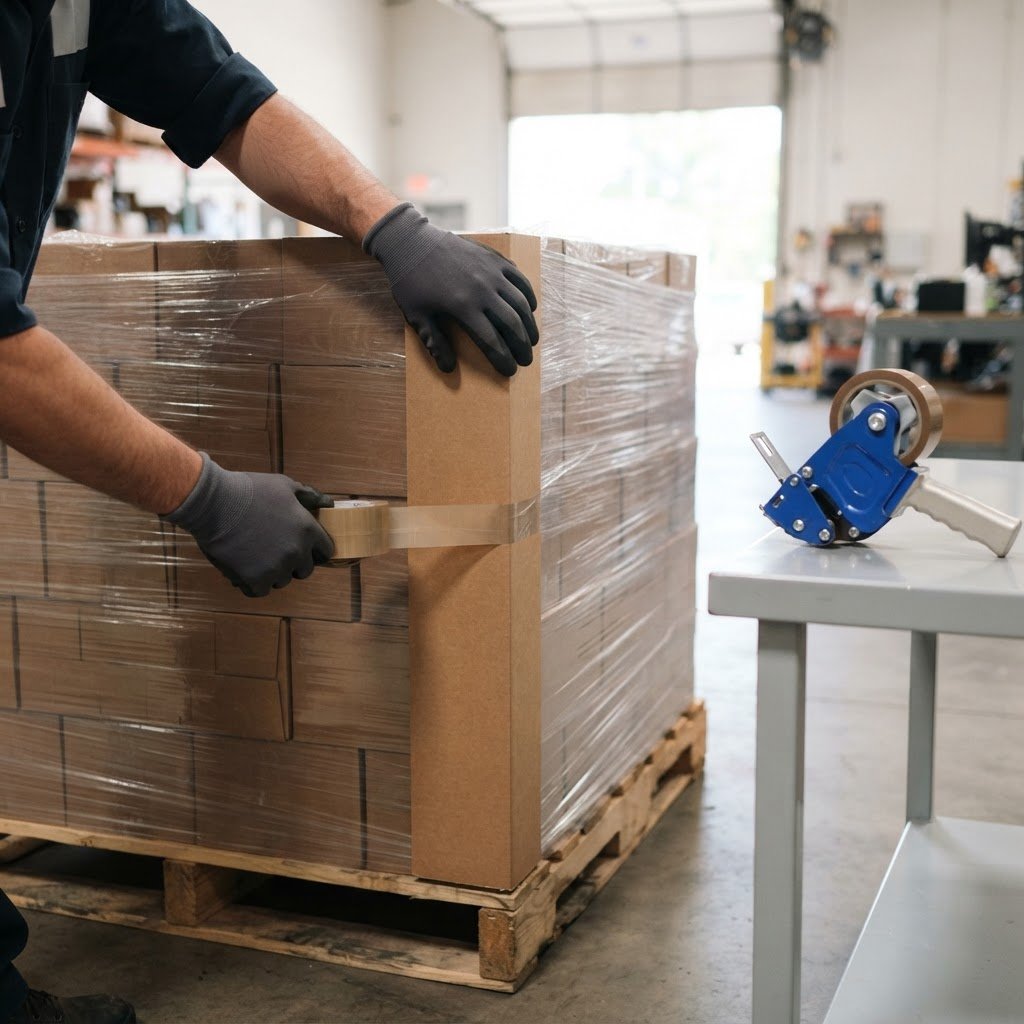
LTL shipping services work through shared trailers and multiple handling events, so brewery freight must be prepared for movement beyond a single truck ride. Start with a written load specification for each SKU: packaging type, pallet dimensions, total weight, stackability, pickup conditions, and receiver requirements. This record gives the carrier usable handling information and gives your team a repeatable shipping standard.
Build kegs and cans for different risks#
Kegs concentrate considerable weight in a rounded container, while cans distribute weight across cartons or trays that can crush under poor stacking. Keep each pallet format consistent wherever possible, and avoid creating mixed layers that leave gaps or uneven load-bearing points. The keg palletization guidance, local regulations, handling methods, transport conditions, and storage-area requirements should determine maximum pallet layers and stacking decisions.
- Keg orientation: Keep kegs upright and tightly contained.
- Base stability: Use sound pallets with intact deck boards.
- Edge protection: Prevent straps from damaging cartons or trays.
- Stretch wrap: Wrap the load to the pallet base.
- Load labels: Mark handling instructions and destination clearly.
How can breweries prevent pallet damage before shipment?#
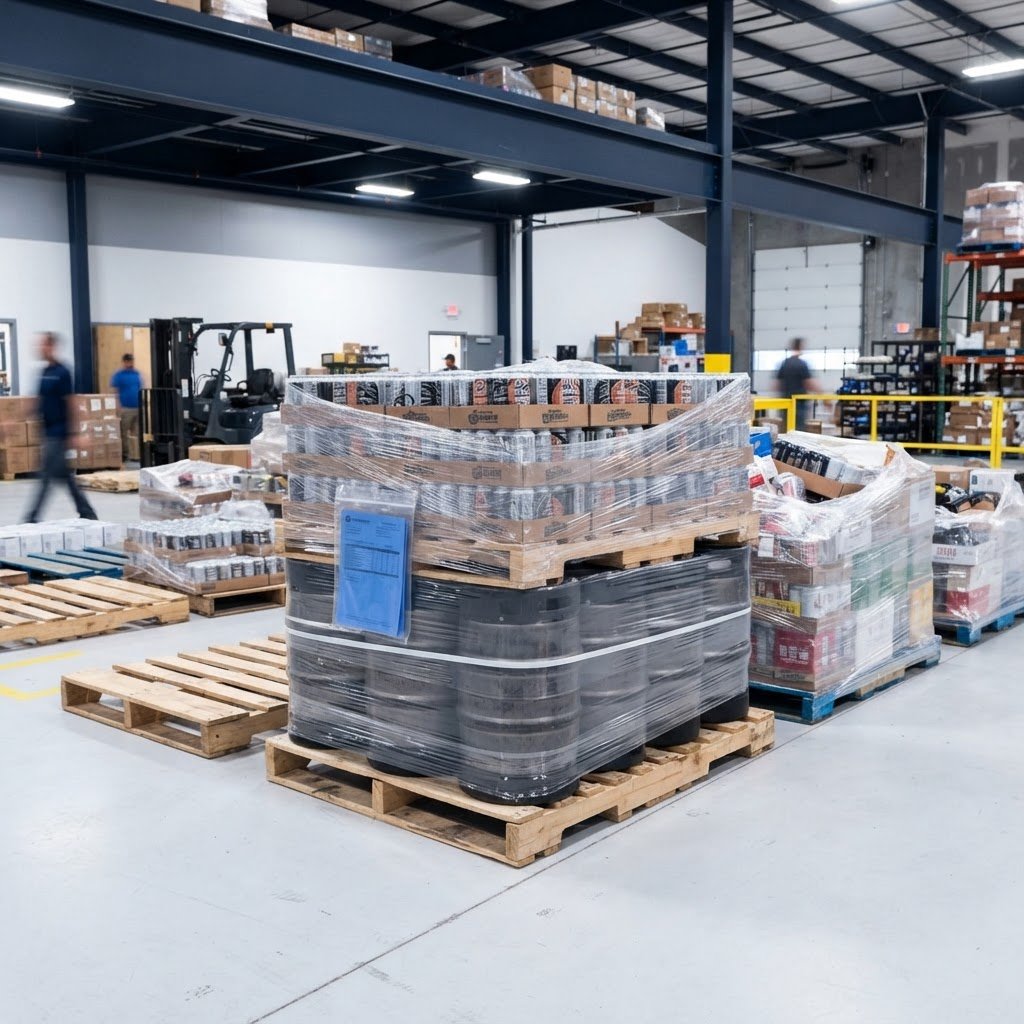
Photograph every finished pallet from multiple sides before pickup, especially corners, wrap, labels, and any visible condition concerns. Build cans in interlocking, level layers with no overhang, then use top protection when the freight may be exposed to stacking pressure. For broader food and beverage shipping operations, the same discipline applies: product protection begins with a stable unit load rather than a claim after delivery.

Freight Class Packaging and Quebec Carrier Fit#
Freight class packaging affects both the quotation and the way a shipment is handled, so do not describe brewery freight as generic pallets. Classification considers characteristics such as density, handling, liability, and stowability. When NMFC classification applies, it provides a standardized pricing structure for cargo transport, with lower classes costing less to transport and higher classes costing more. Accurate dimensions and weights reduce reclassification disputes and help carriers plan safe trailer placement.
What load details should breweries give an LTL carrier?#
Tell the carrier whether the load contains reusable kegs, canned cases, mixed beverage formats, shrink-wrapped trays, or non-stackable pallets. Use the same details on your bill of lading, dispatch instructions, and warehouse paperwork. A clear understanding of freight class factors helps brewery teams avoid quoting a load one way and presenting it differently at pickup.
For Quebec distribution, ask whether the carrier routinely handles food and beverage freight, whether it can protect non-stackable pallet instructions, and whether its terminals can accommodate delivery appointments. Ask early about a dock, liftgate, residential-style commercial access, or limited receiving hours. If the receiver lacks a dock, confirm liftgate delivery requirements before tendering the shipment.
Which handling conditions should determine LTL service?#
The comparison below separates the main pallet types by their operational risk. It is more useful than assuming all brewery product travels the same way.
| Load type | Main freight risk | Preparation priority | Carrier instruction |
|---|---|---|---|
| Keg pallet | Rolling or tipping | Contain each keg tightly | Keep upright and stable |
| Canned pallet | Crushing or carton shift | Level layers and corner protection | Do not stack when required |
| Mixed pallet | Uneven weight distribution | Separate formats by layer | Record exact dimensions |
Mixed pallets demand the most attention because their handling needs can conflict. If kegs and cans must travel together, place the most stable, load-bearing items at the base and prevent contact that can damage cartons during trailer movement.
Control Documentation, Claims, and Cross-Border Moves#
Regional shipping becomes more complex when brewery product moves outside Quebec or crosses into the United States. Cross-border shipments between the United States and Canada require commercial documentation that matches the actual goods, importer arrangements, and customs process. Alcohol shipments should be reviewed carefully before pickup because CBSA alcohol import requirements state that non-duty- and non-tax-paid intoxicating liquors reported to the CBSA but not released must be transported by a CBSA bonded carrier. For alcohol imports, confirm release, importer, and transport requirements before pickup.
How should breweries record freight condition at each handoff?#
Have pickup staff note visible exceptions on the carrier paperwork, retain pallet photos, and ask the receiver to inspect before signing a clear delivery receipt. If damage is found, preserve packaging and document the issue immediately rather than disposing of evidence. A documented process for freight damage claims gives a brewery the records needed to pursue a claim without relying on memory after the delivery window has passed.
For international loads, use cross-border packaging requirements as part of shipment planning, not after the carrier arrives. The commercial invoice, product description, consignee details, and shipping documents must align, because mismatched details can interrupt a load even when the pallets themselves are properly built.
How can breweries compare regional LTL options?#
A brewery shipping one to eight pallets at a time benefits from seeing carrier responses without repeatedly calling individual dispatch offices. Truxweb lets Quebec SMEs send one request to carriers servicing a lane and compare quoted rates, transit times, carrier ratings, and booking fees before confirming the shipment. That visibility is useful when a brewery needs to distinguish a standard dock-to-dock move from a shipment requiring appointment delivery, a liftgate, or more careful handling instructions.
Conclusion#
Reliable brewery freight starts with packaging that matches the product: restrained kegs, square canned pallets, and carefully planned mixed loads. Accurate classification, clear carrier instructions, and delivery-site details protect both the shipment and the quoted price. For Quebec breweries that need a direct view of regional carrier options, Truxweb makes it easier to compare LTL freight rates and book a carrier without adding broker phone calls to an already busy shipping day.
Need a clearer way to book brewery freight? Compare carrier options with Truxweb for your next pallet shipment.
Frequently Asked Questions (FAQs)#
How does LTL shipping work for small businesses?#
LTL shipping works for small businesses by sharing trailer space with other shipments, allowing a brewery to book pallet freight without paying for a full truck. The carrier's quote and handling plan depend on the load description, dimensions, weight, freight class, pickup conditions, and delivery requirements.
How should brewery pallets be prepared for LTL shipping?#
Prepare brewery pallets by securing kegs against rolling, building canned products in level layers, wrapping the load to the pallet base, and documenting the finished condition before pickup.
What documents are needed for cross-border alcohol shipments?#
Cross-border alcohol shipments need commercial documentation that matches the actual goods, importer arrangements, consignee details, and customs process. Additional release and bonded-carrier requirements can apply to intoxicating liquors that have been reported to the CBSA but not released.
When is liftgate service needed for a pallet delivery?#
Liftgate service may be needed when the receiving location lacks a loading dock. Confirm equipment and accessorial requirements before tendering the shipment.
How can a brewery support a freight damage claim?#
Support a freight damage claim with pallet photos, visible exceptions noted on carrier paperwork, delivery inspection records, and retained packaging evidence.
About the author

 LTL Shipping for Canadian Wholesalers: What to Compare
 Truxweb vs. Freightos: Which Is Better for Canada-U.S. LTL?
 CUSMA Annual Review 2026: What It Means for LTL Shippers